Why Vacuum Cleaners Lose Suction: Top 10 Tips On How To Maintain Them
Losing suction? Your vacuum might just need a little care. Discover the most common reasons behind weak performance and 10 simple maintenance tips to keep it working like new.
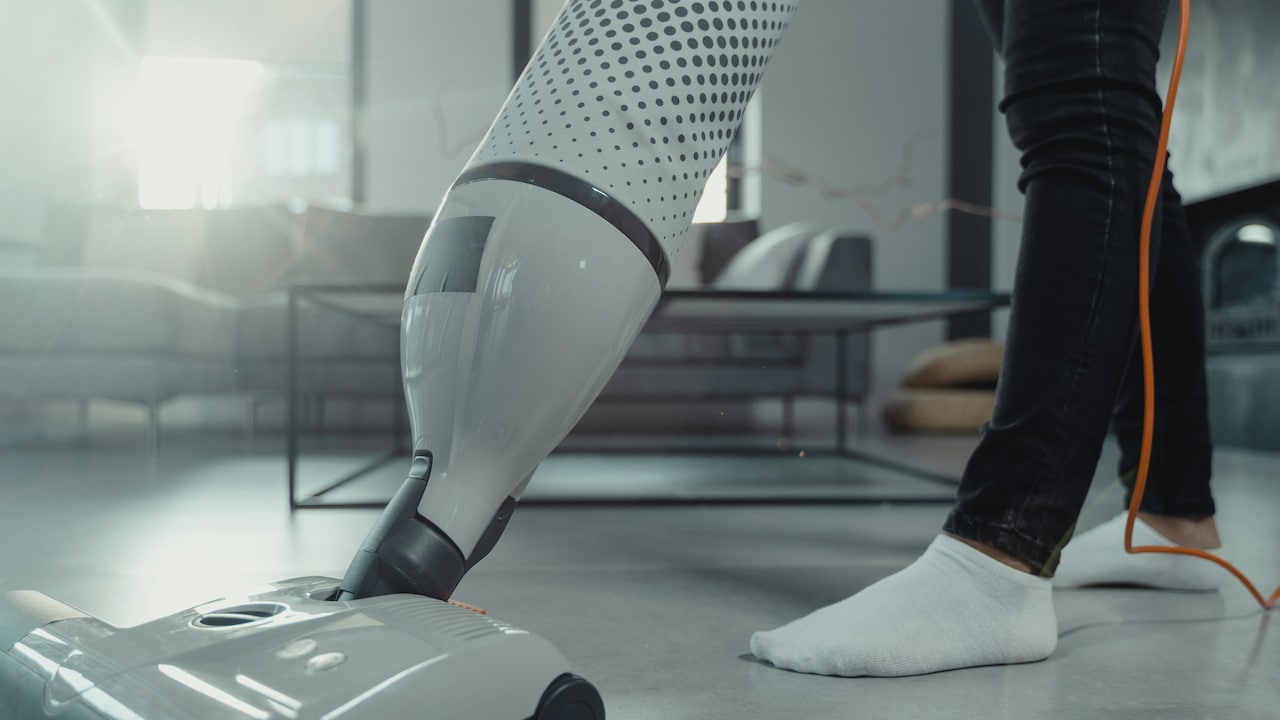
10 Expert Tips To Fix Vacuum Cleaner Suction And Keep It Running Like New
A vacuum cleaner often earns its place as a dependable household companion. From tackling post-festival clean-ups to handling everyday dust, it rarely gets a break. However, many notice a familiar pattern. The machine starts strong, then gradually loses its edge. Carpets feel less clean, corners collect dust, and the machine sounds busier than it works.
This drop in suction does not always signal the need for a new purchase. More often, it reflects simple maintenance issues that go unnoticed. A blocked filter, a full dustbin, or a worn-out belt can quietly chip away at performance. The good news lies in how easily these problems can be fixed with a little care and awareness.
Understanding the reasons behind suction loss helps stretch the life of the appliance and saves unnecessary expense. After all, no one enjoys spending ₹10,000 or more on a new machine when a quick fix could restore the old one. With a bit of attention and routine upkeep, a vacuum cleaner can stay efficient for years.
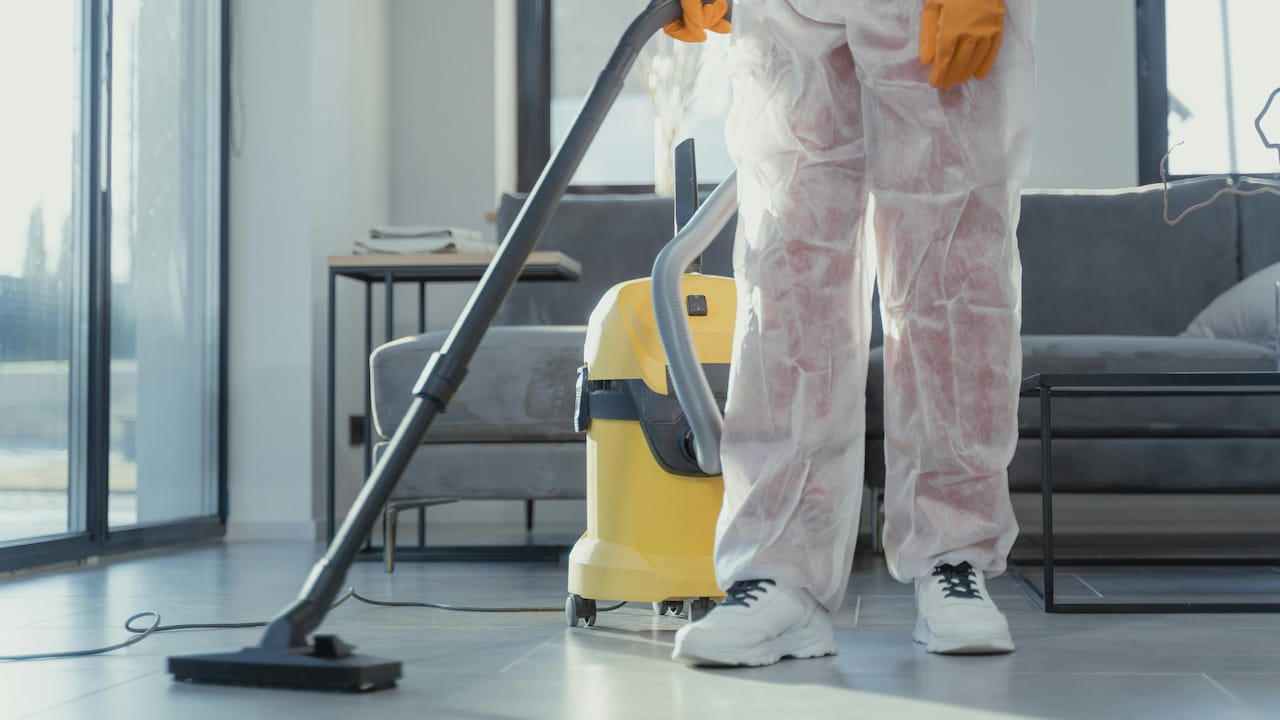
10 Expert Tips To Fix Vacuum Cleaner Suction And Keep It Running Like New; Photo Credit: Pexels
Top 10 Practical Tips To Restore And Maintain Your Vacuum Cleaner's Suction Power
Blocked Filters Can Choke Performance
Filters sit at the heart of a vacuum cleaner's breathing system. When they clog with fine dust, airflow slows down dramatically. The machine may still run, but the suction drops noticeably. Many households overlook this simple component, assuming the dustbin handles everything.
Over time, filters collect microscopic particles that the bin cannot trap. Without regular cleaning, they turn into dense barriers. This situation often feels like trying to breathe through a thick cloth, possible, but far from effective.
Cleaning the filter every few weeks can make a remarkable difference. Most modern vacuums allow easy removal and washing. A quick rinse under running water, followed by proper drying, restores airflow. Skipping the drying step, however, invites mould and unpleasant smells.
Replacing filters every six months or so also helps maintain peak performance. Considering that replacement filters cost far less than a new vacuum, this small effort proves worthwhile. A clean filter often brings back the machine's original strength, almost like flipping a hidden switch.
Overfilled Dustbins Reduce Efficiency
A vacuum cleaner thrives on space, space for dust to move freely and airflow to remain uninterrupted. When the dustbin fills up, that space disappears. The machine starts working harder but achieves less.
Many people push the vacuum to its limit, emptying the bin only when it looks full. This habit may seem efficient, but it actually strains the motor. Dust compresses inside, blocking airflow and reducing suction.
Emptying the bin after every use keeps performance consistent. It also prevents unpleasant odours from building up, especially after cleaning kitchen areas or soft furnishings. A quick tap into a dustbin outside the home usually does the trick.
For bagged vacuums, replacing the bag before it reaches full capacity ensures better results. Though it might feel wasteful, the improved cleaning power makes up for it. Think of it as keeping a pressure cooker from overloading; it simply works better when not pushed to the edge.
Also Read: Need A New Vacuum Cleaner? These 5 Picks Are Worth It
Clogged Hoses Disrupt Airflow
Hoses act like highways for dirt and debris. When something blocks that path, suction drops instantly. A small toy, a clump of hair, or even paper bits can create a stubborn obstruction.
The signs often appear clearly. The vacuum sounds louder than usual, yet it picks up very little. In some cases, debris may even fall back out when the machine turns off. These clues point towards a clogged hose.
Checking the hose regularly prevents such issues. Detaching it and peering through against the light reveals any blockage. A long stick or a flexible brush can gently push out the obstruction.
Care must be taken to avoid damaging the hose lining. Rough handling may create cracks, which lead to air leaks later. A few minutes of careful inspection now and then keeps the airflow smooth and the vacuum functioning as expected.
Brush Rolls Need Regular Attention
The brush roll, often hidden beneath the vacuum, does the heavy lifting on carpets and rugs. It loosens dirt so the machine can suck it in. However, hair and threads often wrap around it, slowing its movement.
A clogged brush roll struggles to spin freely. As a result, it fails to lift dirt effectively. This problem becomes especially noticeable in homes with pets or long hair.
Cleaning the brush roll might feel like an unpleasant chore, but it pays off. Cutting away tangled hair with scissors and removing debris restores its function. Some models even allow easy removal for thorough cleaning.
Ignoring this component leads to uneven cleaning. Certain patches remain dusty while others appear clean. Regular attention ensures consistent performance across all surfaces. It also prevents the motor from overworking, which extends the life of the appliance.
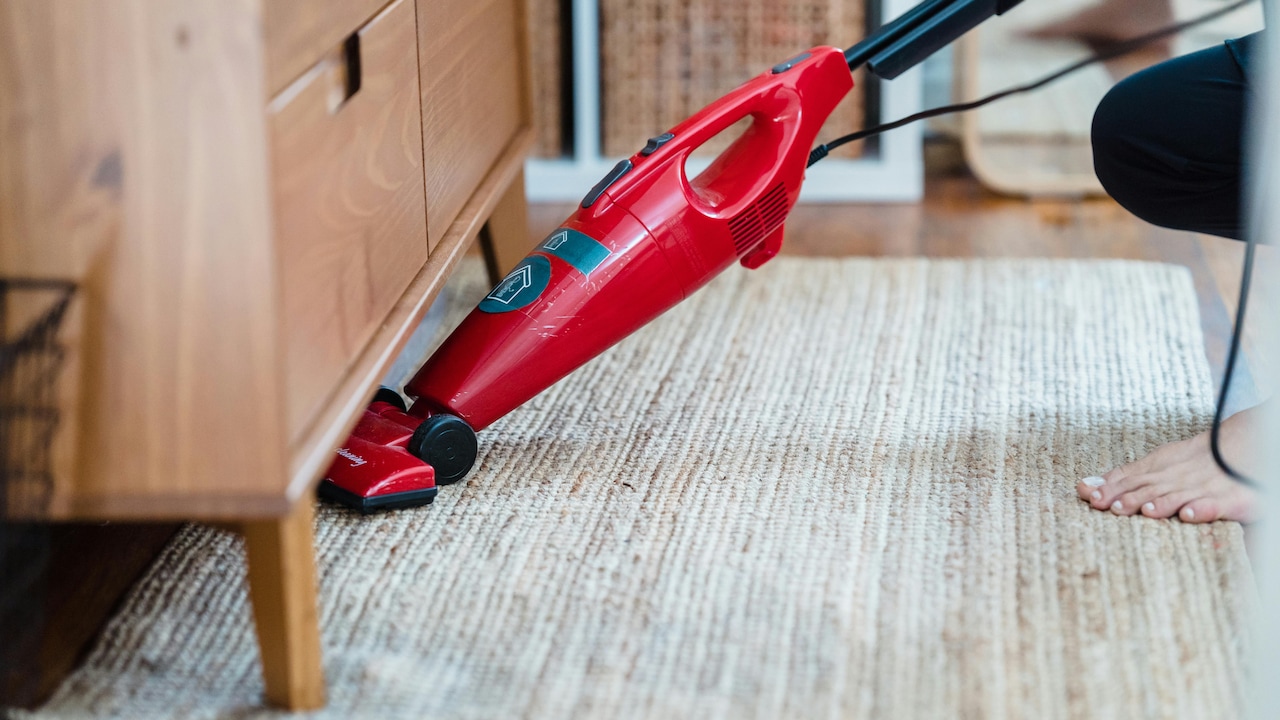
10 Expert Tips To Fix Vacuum Cleaner Suction And Keep It Running Like New; Photo Credit: Pexels
Air Leaks Can Drain Suction Power
A vacuum cleaner depends on a sealed system. Any gap or crack allows air to escape, reducing suction. These leaks often go unnoticed because they do not always produce obvious signs.
Over time, wear and tear can loosen connections or create tiny cracks in hoses. Even a poorly attached nozzle can disrupt airflow. The machine may still operate, but its efficiency drops.
Checking all connections before use helps maintain a tight seal. Ensuring that hoses, attachments, and bins fit securely makes a noticeable difference. If cracks appear, replacing the damaged part prevents further issues.
Think of it like drinking through a straw with a hole in it, the effort remains the same, but the result falls short. A well-sealed vacuum ensures that every bit of power goes where it should.
Motor Health Plays A Crucial Role
The motor serves as the engine of the vacuum cleaner. When it weakens, suction drops regardless of other factors. Dust buildup, overheating, or prolonged use without breaks can affect its performance.
A struggling motor often produces unusual sounds or emits a faint burning smell. These signs should never be ignored. Continuing to use the machine in this state may cause permanent damage.
Allowing the vacuum to rest during long cleaning sessions helps prevent overheating. Regular cleaning of internal components also keeps the motor in good condition.
If the motor shows consistent issues, professional servicing might be necessary. While repairs may cost a few thousand rupees, they often extend the life of the appliance significantly. A healthy motor ensures steady suction and reliable performance.
Incorrect Attachments Affect Cleaning
Each attachment serves a specific purpose. Using the wrong one can reduce suction effectiveness. For instance, a carpet brush may not perform well on hard floors, and vice versa.
Many people stick to one attachment for all tasks, simply for convenience. While this saves time, it compromises cleaning quality. Dust remains in corners, and surfaces do not get the attention they need.
Switching attachments based on the surface improves results instantly. Crevice tools work best for tight spaces, while wide brushes cover larger areas efficiently.
Understanding the purpose of each attachment transforms the cleaning experience. It also ensures that the vacuum operates at its full potential, rather than struggling against unsuitable conditions.
Dirty Or Worn Belts Impact Performance
Belts connect the motor to the brush roll. When they wear out or snap, the brush stops spinning. This issue often goes unnoticed because the vacuum still produces sound.
A worn belt may slip, reducing the brush's speed. As a result, dirt remains embedded in carpets. Over time, this leads to visible dullness in floor coverings.
Replacing the belt periodically keeps the system running smoothly. The process usually takes only a few minutes and requires minimal tools. Considering the low cost of replacement belts, this simple fix offers great value.
Keeping an eye on this small component prevents larger problems. It ensures that the vacuum continues to deliver consistent results without unnecessary strain on other parts.
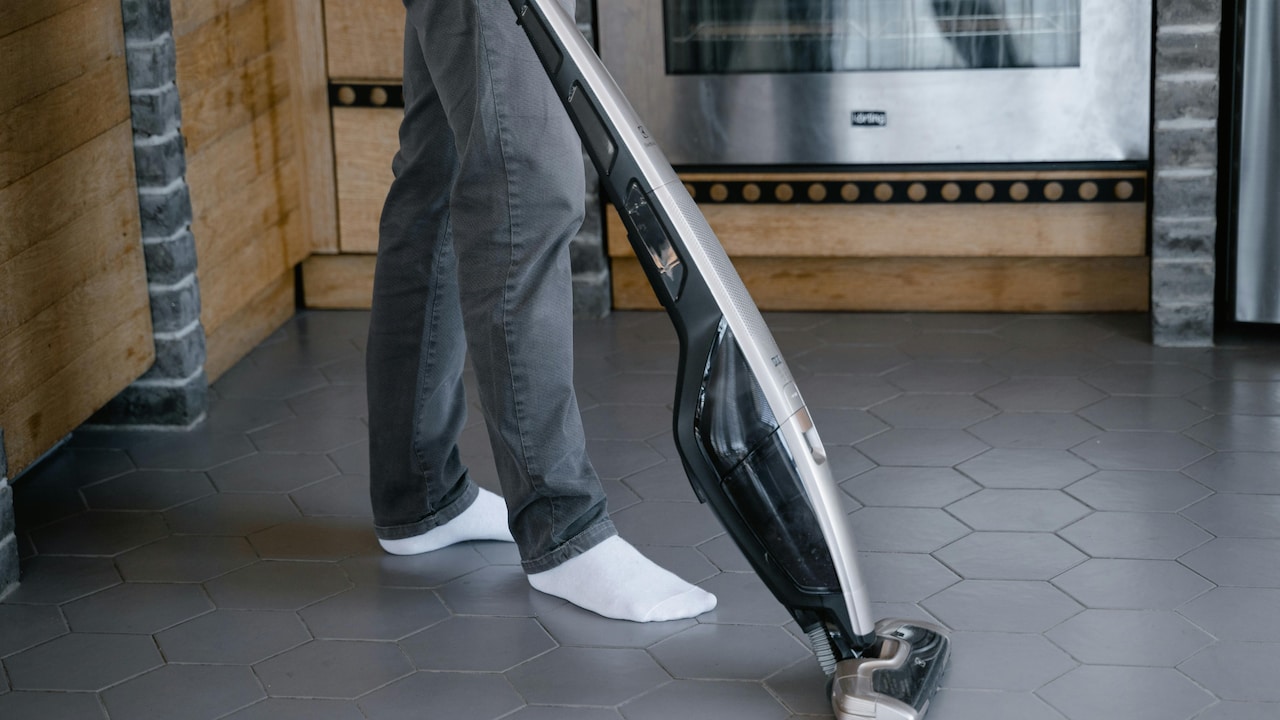
10 Expert Tips To Fix Vacuum Cleaner Suction And Keep It Running Like New; Photo Credit: Pexels
Improper Storage Can Cause Damage
Storage habits often get overlooked, yet they play a significant role in maintenance. Leaving the vacuum in damp areas or cramped corners can lead to issues.
Moisture may damage electrical components or encourage mould growth. Tight spaces can bend hoses or loosen attachments. Over time, these factors affect performance.
Storing the vacuum in a dry, well-ventilated area helps preserve its condition. Wrapping cords neatly and placing attachments properly prevents wear and tear.
A little care in storage goes a long way. It keeps the machine ready for use and reduces the chances of unexpected problems during cleaning sessions.
Regular Maintenance Keeps Everything In Check
A vacuum cleaner thrives on consistency. Regular maintenance ensures that all components work together smoothly. Skipping routine checks often leads to a gradual decline in performance.
Setting a simple cleaning schedule helps. Checking filters, emptying bins, and inspecting hoses every few weeks keeps the machine in top shape. These small habits prevent bigger issues from developing.
Maintenance does not require technical expertise. A few minutes of attention can save both time and money in the long run. It also ensures that the vacuum delivers reliable results every time.
A well-maintained vacuum feels like a dependable partner in keeping the home clean. It responds efficiently, handles dirt with ease, and rarely disappoints.
Products Related To This Article
1. SEZNIK Vacuum Cleaner for Home Use Wet and Dry
2. BLACK+DECKER BDWDS12-IN Corded WET & DRY Vacuum Cleaner For Home
3. AGARO Regal 800 Watts Handheld Vacuum Cleaner
4. AGARO Ace Wet & Dry Vacuum Cleaner for Home
5. Eureka Forbes Quick Clean DX Vacuum Cleaner with 1200 Watts Powerful Suction Control
A vacuum cleaner losing suction often feels like a sign of ageing. In reality, it usually points to neglected maintenance or minor issues. From clogged filters to worn belts, each factor plays a role in reducing performance.
Addressing these problems does not demand expert skills or heavy spending. Simple habits, such as cleaning, checking, and storing properly, can restore efficiency and extend the appliance's life. In a busy household, where every minute counts, a well-functioning vacuum makes all the difference.
Taking care of the machine ensures it continues to take care of the home. And that, in itself, feels like a fair exchange.
(Disclaimer: This article may include references to or features of products and services made available through affiliate marketing campaigns. NDTV Convergence Limited (“NDTV”) strives to maintain editorial independence while participating in such campaigns. NDTV does not assume responsibility for the performance or claims of any featured products or services.)