Air Purifier Not Working Properly? 10 Reasons Why and Easy Fixes to Try Today
Bought an air purifier, but the air still feels stuffy? Before blaming the machine, check the basics. From clogged filters to poor placement, here’s why it may seem ineffective, and how to fix it fast.
Think Your Air Purifier Isn't Working? Here's Why and What You Need to Check.
Across cities where winter mornings smell faintly of smoke and summer evenings carry construction dust, air purifiers have become almost as common as ceiling fans. Sales spike every festive season, and many households invest anywhere between ₹8,000 and ₹40,000, hoping for cleaner air and easier breathing.
Yet a familiar complaint often follows. The purifier runs all day. The lights glow reassuringly. But the room still feels heavy. The throat still feels scratchy. The question lingers: is the machine doing anything at all?
Before blaming the device or the brand, it helps to understand how air purifiers actually work. They do not create fresh mountain air. They clean the air that passes through them. Several factors determine whether that cleaning process makes a noticeable difference.
Here are ten practical checks that often explain why an air purifier seems ineffective, and how to fix the problem without frustration.
Think Your Air Purifier Isn't Working? Here's Why and What You Need to Check
Photo Credit: Amazon
Common Reasons Your Air Purifier Feels Ineffective
Is The Room Too Large For The Purifier?
One of the most common mistakes happens right at purchase. A compact purifier designed for a 150 square foot bedroom often ends up in a 350 square foot living room. The machine struggles quietly, much like a small pedestal fan trying to cool a banquet hall.
Manufacturers specify room size and Clean Air Delivery Rate, known as CADR. This number indicates how much air the purifier can clean per hour. If the room exceeds that recommendation, pollutants linger because the purifier cannot circulate air quickly enough.
Many households shift furniture, remove carpets, or blame outdoor pollution when the real issue lies in a mismatch. A purifier working in a smaller bedroom may perform brilliantly. Move the same unit into a large drawing room with high ceilings, and expectations collapse.
Before assuming failure, measure the room. Compare square footage with the machine's rating. If the space overwhelms the device, upgrading to a higher capacity model may prove more effective than running the current one on maximum speed all day.
Have The Filters Been Changed On Time?
Filters act as the heart of an air purifier. Once clogged, they restrict airflow and reduce efficiency dramatically. Unfortunately, filters rarely show visible signs of exhaustion. They quietly accumulate dust, pollen, and microscopic particles until performance drops.
In cities with heavy traffic pollution, filters may require replacement sooner than the manual suggests. Running the purifier during peak smog months or near busy roads accelerates clogging.
Some households vacuum the outer pre-filter but ignore the HEPA or carbon layer. Others delay replacement because the filter costs ₹2,000 or more. Yet delaying often costs more in health and performance.
If airflow feels weaker or the purifier sounds strained, inspect the filters. Even a simple cleaning of the pre-filter can restore efficiency. A timely replacement often brings back that crisp feeling many expect from day one.
Is The Purifier Placed In The Wrong Spot?
Placement matters more than most realise. Tucking the purifier behind a sofa, next to heavy curtains, or in a tight corner restricts airflow. The machine ends up recycling the same small pocket of air rather than cleaning the whole room.
Air needs space to circulate. When walls or furniture block intake or exhaust vents, efficiency drops. Ideally, place the purifier at least a foot away from walls and obstacles.
Bedrooms pose another challenge. Many position the unit near the bed for comfort. While that feels logical, placing it closer to the centre of the room improves overall circulation.
A small shift in position can produce noticeable improvement. Sometimes, the purifier works perfectly; it simply lacks room to breathe.
Are Doors And Windows Constantly Open?
Air purifiers work best in relatively enclosed spaces. Open windows invite fresh air but also allow pollutants, dust, and smoke to enter continuously. The purifier then fights a losing battle.
Imagine scooping water out of a leaking boat without fixing the hole. The effort continues, but the water keeps rising.
Homes located near busy roads, construction sites, or markets face this issue frequently. Keeping windows open during high pollution hours undermines performance.
That does not mean sealing the house permanently. Ventilation remains essential. However, strategic timing helps. Open windows early morning when the outdoor air quality improves. Close them during peak traffic hours. Allow the purifier to stabilise indoor air before expecting a visible change.
Without managing airflow from outside, even the best machine struggles to deliver satisfying results.
Do You Expect Immediate Results?
Air purification requires time. Unlike switching on an air conditioner, results do not feel dramatic within minutes. The purifier gradually cycles air through its filters. In a moderately polluted room, noticeable improvement may take an hour or more.
Many users turn the machine on only after the room feels stuffy. By then, pollutant levels have already risen. Running the purifier continuously at low or auto mode often proves more effective than short bursts at high speed.
Psychology plays a role, too. Clean air does not have a strong scent. Unlike room fresheners, purifiers do not produce fragrance. The absence of smell can create doubt.
Monitoring indoor AQI through the purifier's display or an external device provides clarity. Watching numbers drop reassures users that the machine works, even if the change feels subtle.
Patience, combined with consistent usage, usually delivers better outcomes than sporadic operation.
Is The AQI Sensor Misleading You?
Some purifiers include built-in sensors that adjust speed automatically. While convenient, these sensors sometimes misinterpret air quality. They may react strongly to perfume spray or cooking fumes but ignore finer pollutants.
Users often trust the displayed number blindly. If the screen shows good air quality, concern fades, even when discomfort persists.
Low-cost sensors may struggle with accuracy. Comparing readings with a separate PM2.5 monitor can reveal discrepancies. If numbers vary widely, the sensor may need calibration or servicing.
Relying solely on automatic mode sometimes reduces effectiveness. Switching to manual higher speed during peak pollution hours ensures stronger filtration.
Technology helps, but understanding its limitations prevents misplaced trust.
Are You Dealing With Odours Rather Than Particles?
Not all purifiers tackle smells equally. HEPA filters trap particles but do little against odours from cooking, pets, or damp walls. Carbon filters handle gases and smells more effectively.
Many households complain that food aromas linger despite running the purifier. In such cases, the machine may lack sufficient activated carbon.
Checking specifications clarifies whether the unit includes a substantial carbon layer. If odours remain a primary concern, investing in a model with enhanced carbon filtration may prove worthwhile.
Sometimes, the solution lies beyond the purifier. Improving kitchen ventilation, repairing damp patches, or reducing indoor smoking addresses root causes more effectively than expecting a purifier to solve everything.
Understanding the difference between particles and gases prevents unrealistic expectations.
Has Maintenance Been Ignored?
Air purifiers require simple but consistent care. Dust accumulation on vents restricts airflow. Sensors gather grime. Power fluctuations affect performance.
In many homes, the purifier becomes part of the background. It runs quietly, is rarely cleaned, occasionally switched off during power cuts. Over time, neglect reduces efficiency.
Regularly wiping exterior vents, cleaning pre-filters, and checking cables ensures smooth operation. Voltage stabilisers can protect devices in areas prone to fluctuations.
Maintenance rarely feels exciting. Yet small efforts prevent long-term issues. A machine maintained well often performs far beyond its warranty period, saving thousands in premature replacement.
Neglect does not cause sudden failure. It causes a slow decline. Recognising that pattern helps restore performance before frustration peaks.
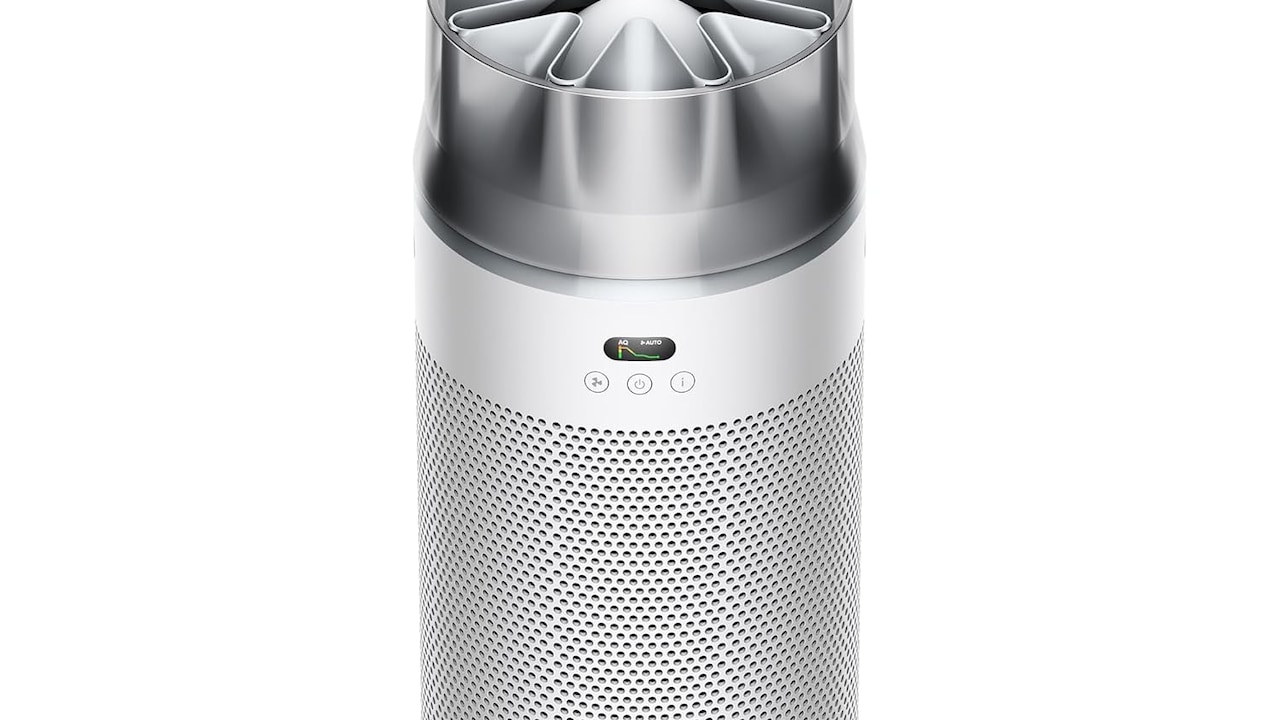
Think Your Air Purifier Isn't Working? Here's Why and What You Need to Check
Photo Credit: Amazon
Is Outdoor Pollution Simply Too High?
During peak winter smog or festival fireworks, outdoor air quality can deteriorate dramatically. In such periods, even indoor levels remain stubbornly elevated.
When AQI crosses severe levels outdoors, indoor improvement may appear modest rather than dramatic. The purifier reduces concentration but cannot eliminate exposure entirely, especially if the building lacks proper sealing.
Thick curtains, door seals, and minimal window gaps help contain cleaner air indoors. Running the purifier continuously during high pollution days ensures consistent filtration.
Expecting pristine mountain air inside a city apartment during heavy smog invites disappointment. Instead, aim for a measurable reduction. Dropping indoor PM2.5 from 300 to 80 represents a significant improvement, even if perfection remains out of reach.
Perspective matters. Improvement, not absolute purity, defines realistic success.
Could The Problem Be Health-Related?
Sometimes, discomfort persists despite cleaner air. Allergies, sinus infections, seasonal changes, or dry indoor air may cause symptoms that resemble pollution effects.
If coughing, sneezing, or throat irritation continue despite a verified low indoor AQI, the issue may not stem solely from air quality. Consulting a healthcare professional clarifies underlying causes.
Humidity also influences comfort. Extremely dry air irritates the nasal passages. In such cases, adding a humidifier may help more than increasing the purifier speed.
Blaming the purifier becomes easy when symptoms linger. Yet air quality forms just one piece of overall respiratory health.
Understanding this distinction prevents unnecessary frustration and encourages holistic solutions.
Products Related To This Article
1. Coway Airmega AIM (AP-0623B) Air Purifier For Home
2. LEVOIT Core Mini Air Purifier For Coverage Area 183 Sq Ft
3. Philips AC0950 Smart Wifi Air Purifier For Home
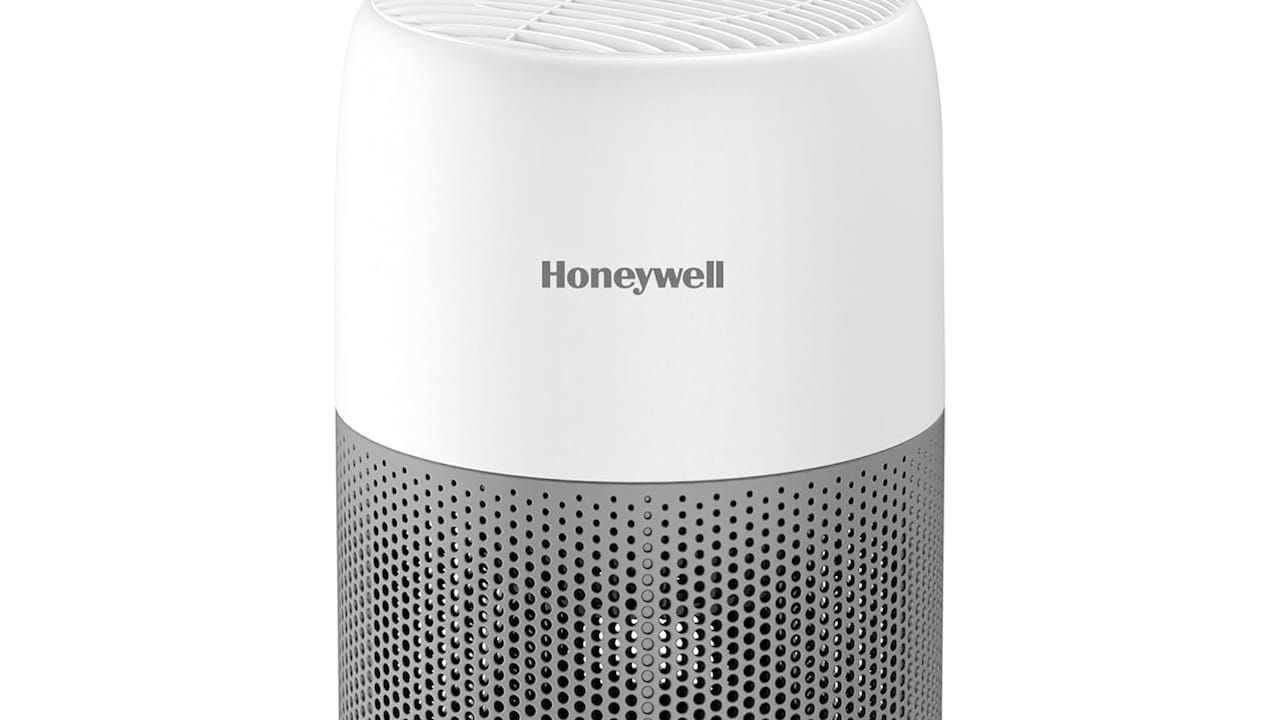
4. Honeywell Air Purifier for Home & Office, 3-in-1, Pre, H13 HEPA
5. CUCKOO Respure Air Purifier For Home
Air purifiers promise cleaner air, but they do not perform magic. They depend on proper sizing, placement, maintenance, and realistic expectations. When disappointment surfaces, the issue often lies in overlooked details rather than device failure.
Checking room size, replacing filters on time, positioning the unit wisely, managing ventilation, and understanding sensor limitations can transform performance. Even small adjustments make a noticeable difference.
In environments where pollution fluctuates and living spaces vary widely, patience and informed use matter more than brand names or price tags. A purifier costing ₹12,000 can outperform a ₹35,000 model if used correctly.
Before deciding that the machine does nothing, take a closer look. Clean air rarely announces itself loudly. Yet with the right approach, it quietly supports better sleep, easier breathing, and peace of mind.
(Disclaimer: This article may include references to or features of products and services made available through affiliate marketing campaigns. NDTV Convergence Limited (“NDTV”) strives to maintain editorial independence while participating in such campaigns. NDTV does not assume responsibility for the performance or claims of any featured products or services.)