Silicone vs Metal Baking Moulds: What Works Better?
Silicone or metal, which baking mould truly performs better? From heat distribution to durability and cost, this guide breaks down the pros and cons to help you choose the right one for perfect results every time.
Silicone vs Metal Baking Moulds: Which Is Better for Cakes, Brownies and Breads?
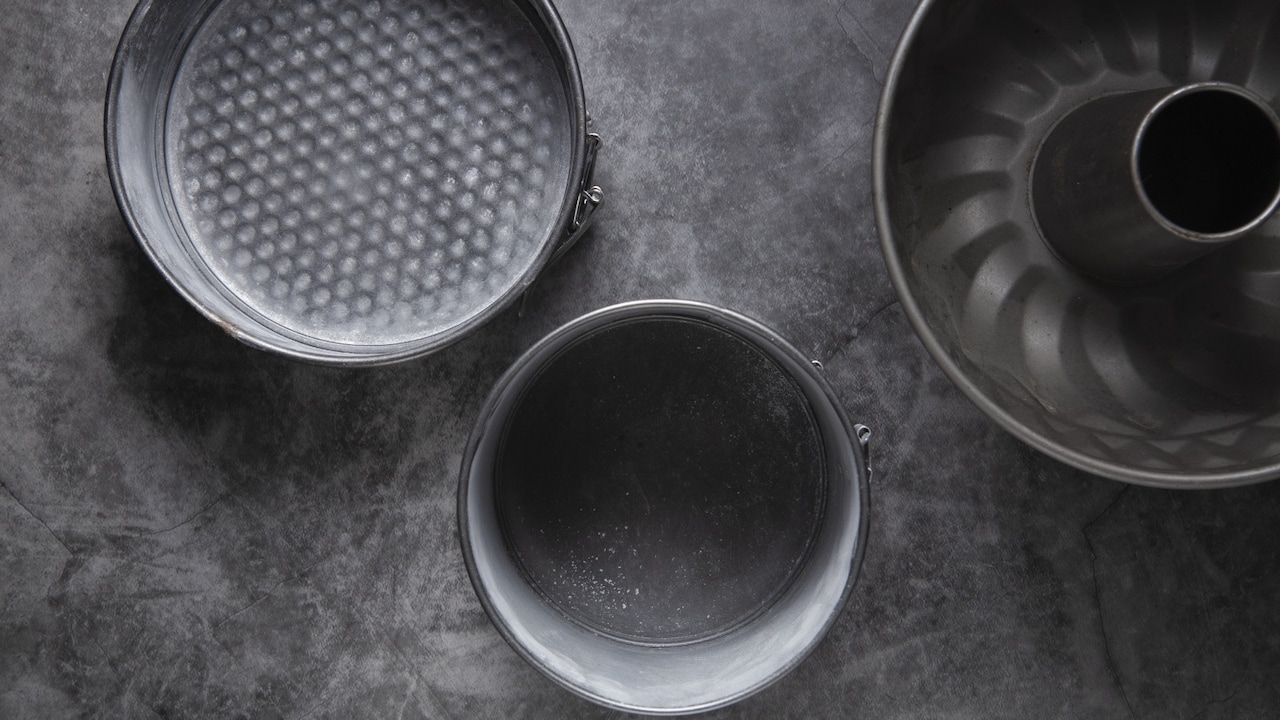
Every kitchen carries a few quiet debates. Gas or induction? Butter or oil? Steel dabba or glass jar? Baking moulds sit firmly in that category. A quick scroll through any online store shows bright silicone trays in cheerful pinks and blues. Right beside them stand sturdy metal tins that have baked countless cakes across generations.
Festivals, school bake sales, weekend cravings, and late-night brownie experiments all rely on the right mould. A poor choice can mean burnt edges, a sunken centre, or a cake that refuses to leave the pan without a fight. Nobody wants that heartbreak after spending ₹600 on premium chocolate.
The silicone versus metal conversation goes beyond looks. It touches heat distribution, durability, budget, cleaning effort, and even storage space in compact flats. So, which one truly works better? The answer depends on what lands on the dining table and how often the oven door swings open.
Silicone vs Metal Baking Moulds: What Works Better?; Photo Credit: Pexels
Key Differences That Matter In Everyday Baking
Heat Distribution And Baking Performance
Heat decides everything in baking. Metal moulds conduct heat quickly and evenly. Aluminium and carbon steel tins warm up fast, create defined edges, and give cakes a golden crust. Brownies emerge with crisp corners. Loaves develop that bakery-style top. The structure feels firm and dependable.
Silicone behaves differently. It heats slowly and insulates more than metal. That quality reduces the risk of burnt bottoms but can leave cakes slightly paler. Some bakers notice softer edges and lighter browning. For recipes that rely on a firm outer crust, metal usually wins.
However, silicone's gentle heating suits delicate items like cheesecakes or custard-based desserts. These need steady warmth rather than aggressive heat. In small OTGs found in many homes, uneven heating can occur. Metal compensates for that better than silicone.
Performance ultimately depends on the recipe. A chocolate cake meant to stay moist might thrive in silicone. A tea cake that needs structure and browning shines in metal. Understanding the oven's temperament makes all the difference.
Ease Of Release And Non-Stick Ability
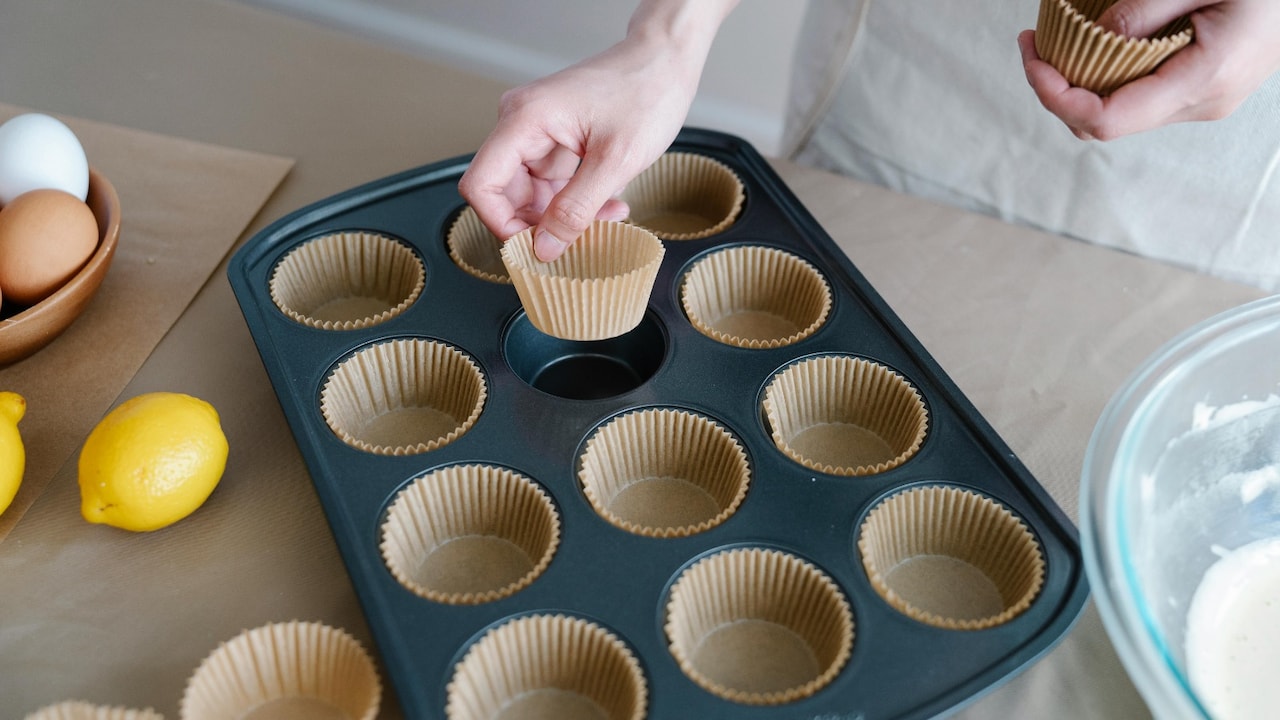
Few kitchen moments feel as satisfying as a cake sliding out smoothly. Silicone moulds excel in this department. Their flexible nature allows gentle bending, which releases baked goods with minimal effort. Even without heavy greasing, cupcakes pop out neatly.
Metal moulds rely on coatings or proper greasing. Good-quality non-stick tins perform brilliantly. Yet cheaper versions often lose coating over time. Scratches from metal spatulas can lead to sticking disasters. A cake that clings stubbornly can break hearts faster than it breaks layers.
Silicone reduces anxiety, especially for beginners. Children helping in the kitchen find the colourful trays less intimidating. There is comfort in knowing the mould bends rather than resists.
Still, flexibility can work against presentation. Large cakes baked in silicone sometimes lose shape during unmoulding. Without firm support, the cake may wobble or crack. Metal holds the structure steady while turning out.
Release feels easier with silicone, but professional-looking edges often favour metal. Both options require a bit of care, though one certainly forgives mistakes more generously.
Also Read: Baking Made Easy: Explore 8 Must-Have Baking Tools For Home Bakers
Durability And Lifespan
Metal moulds have stood the test of time. Many households still use tins bought decades ago for ₹250 that continue to deliver reliable results. When stored properly and kept dry, metal can last for years. Even minor dents rarely affect performance.
Silicone looks modern and cheerful, but quality varies greatly. High-grade food-safe silicone resists tearing and cracking. Cheaper versions can warp, discolour, or develop an odd smell after repeated use. Extreme heat sometimes weakens thin silicone moulds.
Rust poses a risk for metal if exposed to moisture. Proper drying after washing prevents that issue. Silicone avoids rust entirely. However, sharp objects can puncture or slice through it.
Longevity often depends on brand and usage frequency. A busy home baker preparing festival sweets every fortnight might notice wear faster than an occasional baker. Metal generally promises longer structural integrity, while silicone demands careful handling to maintain shape.
When investing ₹800 or more in baking tools, durability matters. Metal often feels like a long-term companion. Silicone feels like a flexible friend who needs gentle treatment.
Cleaning And Maintenance
Cleaning habits reveal the true character of cookware. Silicone moulds wash easily with warm, soapy water. Their non-stick surface discourages residue. Even sticky caramel tends to rinse off without intense scrubbing.
Metal tins sometimes trap crumbs in corners. Burnt edges may require soaking. Aggressive scrubbing can damage non-stick coatings. That leads to more sticking in future batches. A gentle sponge works best.
Silicone absorbs grease over time if not cleaned thoroughly. A slight oily film can develop, especially after baking buttery recipes. Occasional deep cleaning with baking soda restores freshness.
Dishwashers handle silicone well, though constant high heat may reduce lifespan. Metal can also go into dishwashers, but frequent cycles can dull the finish.
Maintenance rarely feels complicated for either option. Silicone offers convenience for quick weekday baking. Metal demands a little extra attention but rewards with resilience. Both fit into modern kitchen routines without drama.
Silicone vs Metal Baking Moulds: What Works Better?; Photo Credit: Pexels
Storage And Space Considerations
Kitchen storage remains a common challenge. Apartments often offer limited cabinet space. Silicone moulds shine here. Their flexible design allows stacking, folding, or tucking into tight corners. A muffin tray can bend slightly and fit into cramped shelves.
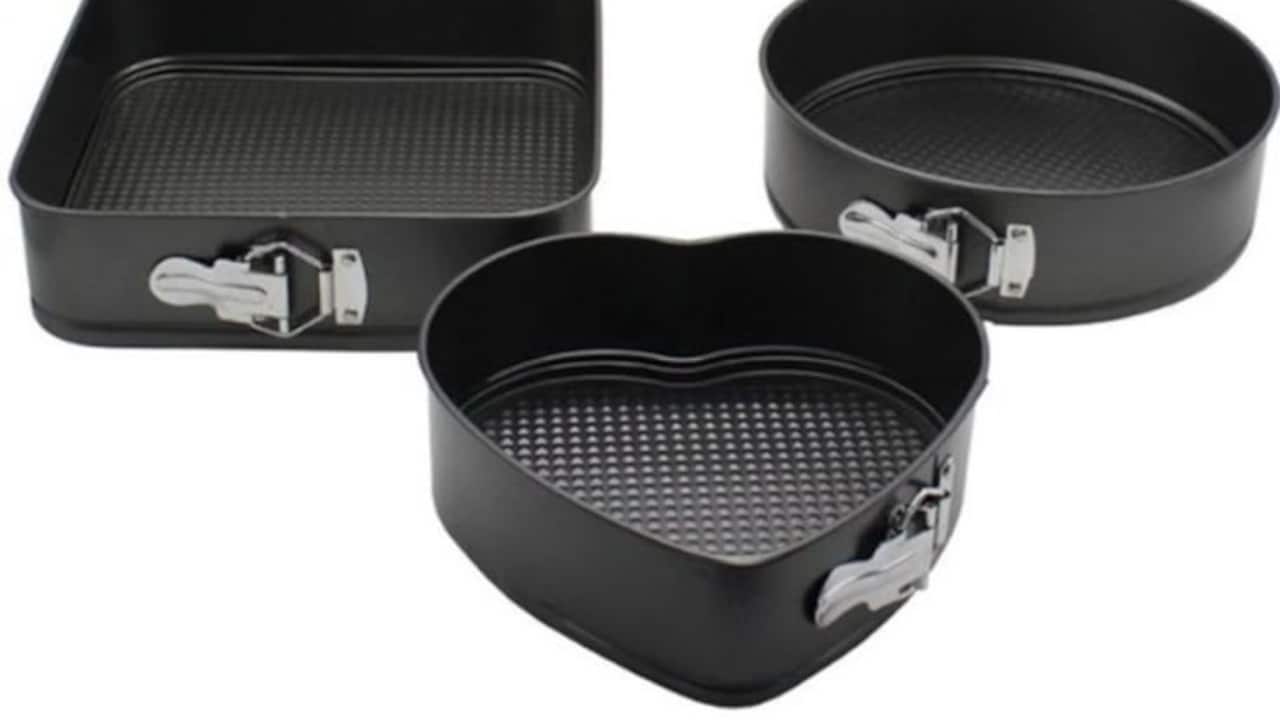
Metal tins occupy fixed shapes. Round cake pans stack neatly but still require a defined space. Large rectangular trays claim entire shelves. They resist bending and demand respect.
Silicone's lightweight nature makes it easy to handle and move. For those who bake occasionally, easy storage reduces clutter guilt. Metal, though heavier, feels solid and organised when stacked.
Visual appeal also plays a role. Bright silicone moulds add colour to shelves. Metal offers a classic, understated look.
Space-saving qualities tilt in favour of silicone. Yet some bakers appreciate the sturdy presence of metal in organised cupboards. The choice often reflects the kitchen's size and personal preferences.
Cost And Value For Money
Budget influences most purchases. Silicone moulds range widely in price. Basic options start around ₹300, while premium imported brands cross ₹1,200. Quality determines performance and durability.
Metal tins also vary. Simple aluminium pans cost ₹250 to ₹500. Heavy-duty carbon steel or branded non-stick sets may cost ₹1,000 or more.
Silicone appears attractive for beginners due to colourful designs and mid-range pricing. However, cheaper variants may require replacement sooner. Metal's initial cost sometimes stretches the budget slightly but offers long-term reliability.
Value for money depends on baking frequency. Someone who bakes once a month might not notice the difference. A small home bakery business will quickly appreciate consistent results from durable metal pans.
Spending wisely matters more than spending more. Checking thickness, brand reputation, and food-grade certification ensures money goes towards quality rather than flashy packaging.
Versatility Across Recipes
Versatility defines kitchen favourites. Silicone moulds come in playful shapes: flowers, hearts, and cartoon characters. They suit chocolates, jelly, muffins, and frozen desserts beautifully. Their flexibility helps remove delicate shapes without breaking details.
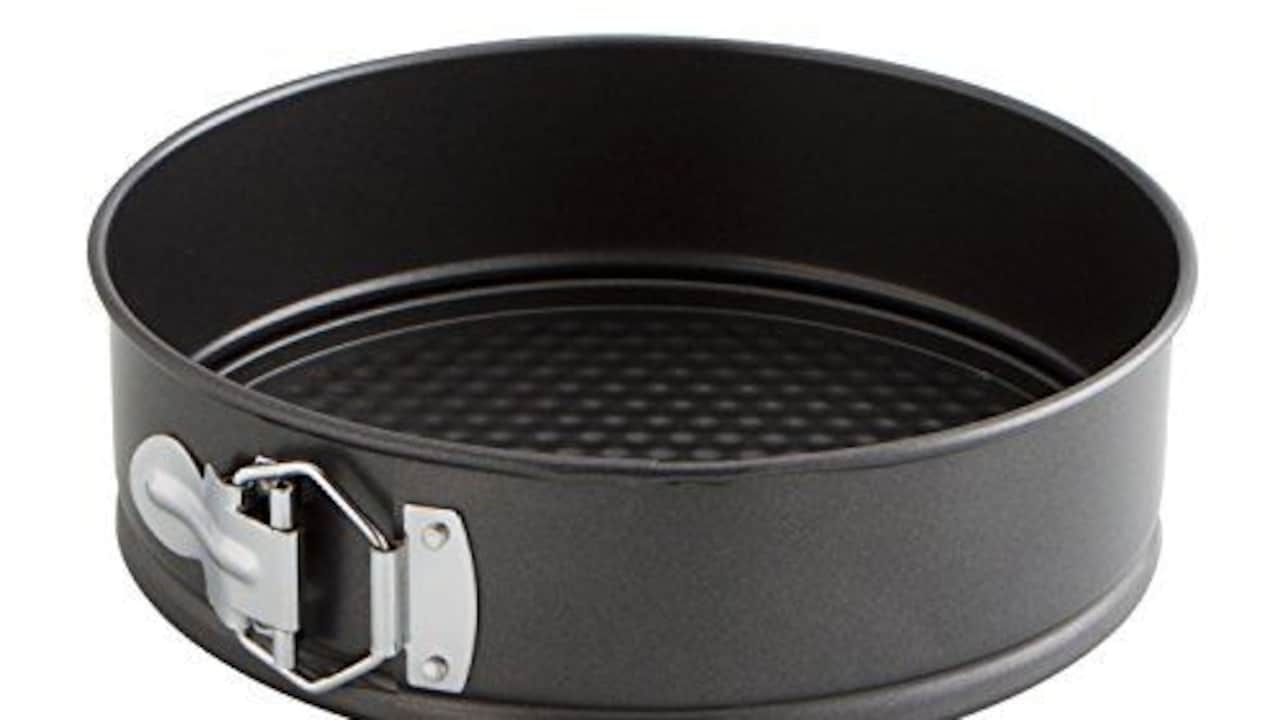
Metal moulds dominate classic baking. Round cakes, square brownies, loaf breads, and tart shells benefit from firm sides and crisp edges. Bread especially prefers metal's heat conductivity for proper crust formation.
Silicone handles freezer use effortlessly. Ice cream cakes and chilled desserts slide out smoothly. Metal struggles in extreme cold and may stick if not lined.
Traditional recipes passed down through generations often assume metal tins. Adjusting baking time and temperature becomes necessary when switching to silicone.
For experimentation and creative presentation, silicone offers variety. For structured baking and classic recipes, metal provides consistency. Both can coexist in the same kitchen without conflict.
Silicone vs Metal Baking Moulds: What Works Better?; Photo Credit: Pexels
Environmental Impact And Safety
Modern consumers care about sustainability. Metal moulds usually contain aluminium or steel, both recyclable materials. With proper care, one pan may last years, reducing waste.
Silicone resists degradation but does not break down naturally. Recycling options remain limited in many cities. Choosing high-quality silicone reduces frequent replacements.
Food safety also matters. Certified food-grade silicone withstands high temperatures without releasing harmful chemicals. Metal with damaged non-stick coating may pose concerns if flakes mix with food.
Safe usage practices protect both materials. Avoid sharp tools in silicone. Avoid overheating empty metal pans.
Environmental considerations may favour long-lasting metal options. Yet responsible use of either material keeps the kitchen safer and greener.
Weight And Handling Comfort
Handling comfort influences everyday baking. Silicone moulds weigh very little. Carrying a tray filled with batter feels easy. This suits elderly bakers or those with wrist discomfort.
However, flexibility creates challenges. Lifting a silicone mould without a baking tray underneath can cause spills. The batter may tilt unexpectedly. Placing silicone on a sturdy tray before filling prevents mishaps.
Metal pans feel heavier but stable. They maintain shape when moved from the counter to the oven. Confidence increases when carrying a fully loaded cake tin.
Comfort varies according to habit. Some appreciate silicone's lightness. Others prefer the reassuring solidity of metal. Handling becomes intuitive after a few baking sessions.
Aesthetic Appeal And Presentation
Presentation elevates homemade desserts. Metal tins produce sharp edges and defined sides. Celebration cakes benefit from neat lines that hold frosting beautifully. Professional appearance matters during birthdays or festive gatherings.
Silicone moulds create fun shapes that delight children and guests. A heart-shaped brownie or flower-shaped cupcake adds charm without extra decoration.
Yet very soft edges may lack the crisp look desired for layered cakes. Removing a tall cake from silicone without distortion requires patience.
Aesthetic preference depends on the occasion. Casual weekend baking welcomes playful shapes. Formal celebrations often demand structure and clean lines.
Both materials contribute to visual impact in different ways. The final choice reflects the mood of the event and the baker's creative vision.
Products Related To This Article
1. MARKET99 Set Of 2 Black & Red Muffin Cups
2. URBANFIX Black Non-stick Cupcake Mould
3. DeoDap 8-Pcs Green & Blue Silicone Cupcake Mould
4. KIING 3 Pieces Grey Round Aluminium Cake Baking Moulds
5. Wonderchef Red Pudding Mould
6. Wonderchef Red Solid Silicone Pavoni Multi-Forme 6 Portions Mould
7. Wonderchef Black & Red Solid Stainless Steel Cake Mould
Silicone and metal baking moulds each bring distinct strengths to the kitchen. Metal excels in heat distribution, structure, and long-term durability. It creates golden crusts and sharp edges that look straight from a bakery window. Silicone offers flexibility, easy release, lightweight handling, and cheerful designs that brighten baking sessions.
The better choice depends on baking goals. Classic sponge cakes, breads, and brownies often favour metal. Delicate desserts, shaped treats, and freezer-based recipes lean towards silicone.
Many kitchens benefit from keeping both options on hand. A reliable metal cake tin for celebrations and a silicone muffin tray for quick treats create balance. Rather than choosing sides, understanding their differences leads to better results.
In the end, the oven does not care about trends. It responds to material, heat, and timing. Selecting the right mould ensures that every ₹500 spent on ingredients transforms into a dessert worth sharing.
(Disclaimer: This article may include references to or features of products and services made available through affiliate marketing campaigns. NDTV Convergence Limited (“NDTV”) strives to maintain editorial independence while participating in such campaigns. NDTV does not assume responsibility for the performance or claims of any featured products or services.)