Why Using A Trimmer Against Hair Growth Does Not Always Give A Better Finish
Trimming against hair growth may promise a closer cut, but it can also cause uneven patches, skin irritation and discomfort. Discover why hair direction matters and how to achieve a smoother, more comfortable finish.
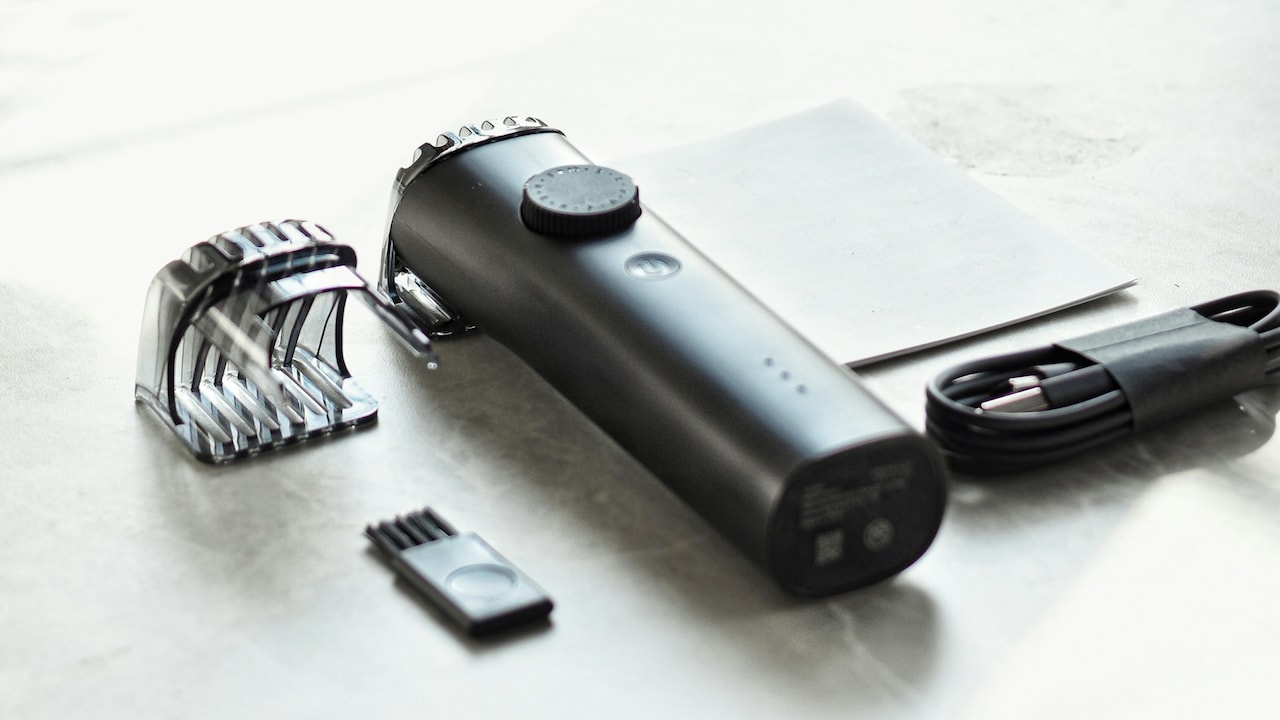
Tips to get a clean and professional finish when using a trimmer
A quick trim before heading to work, attending a family function or meeting friends should be fairly straightforward. Yet, sometimes, even after carefully running a trimmer across the beard or body, the results look surprisingly uneven. Certain areas feel smooth, while others appear patchy. And then comes the familiar temptation to run the trimmer against hair growth, hoping for a closer, cleaner finish. It sounds logical. After all, cutting hair from the opposite direction should remove more length, shouldn't it? Well, not necessarily. Hair doesn't grow in perfectly straight lines, and neither does it behave uniformly across different parts of the face and body. While trimming against the grain can help achieve a closer cut, it doesn't automatically guarantee better results. In fact, it can sometimes create more problems than it solves, especially when dealing with sensitive skin, curly hair or uneven growth patterns.
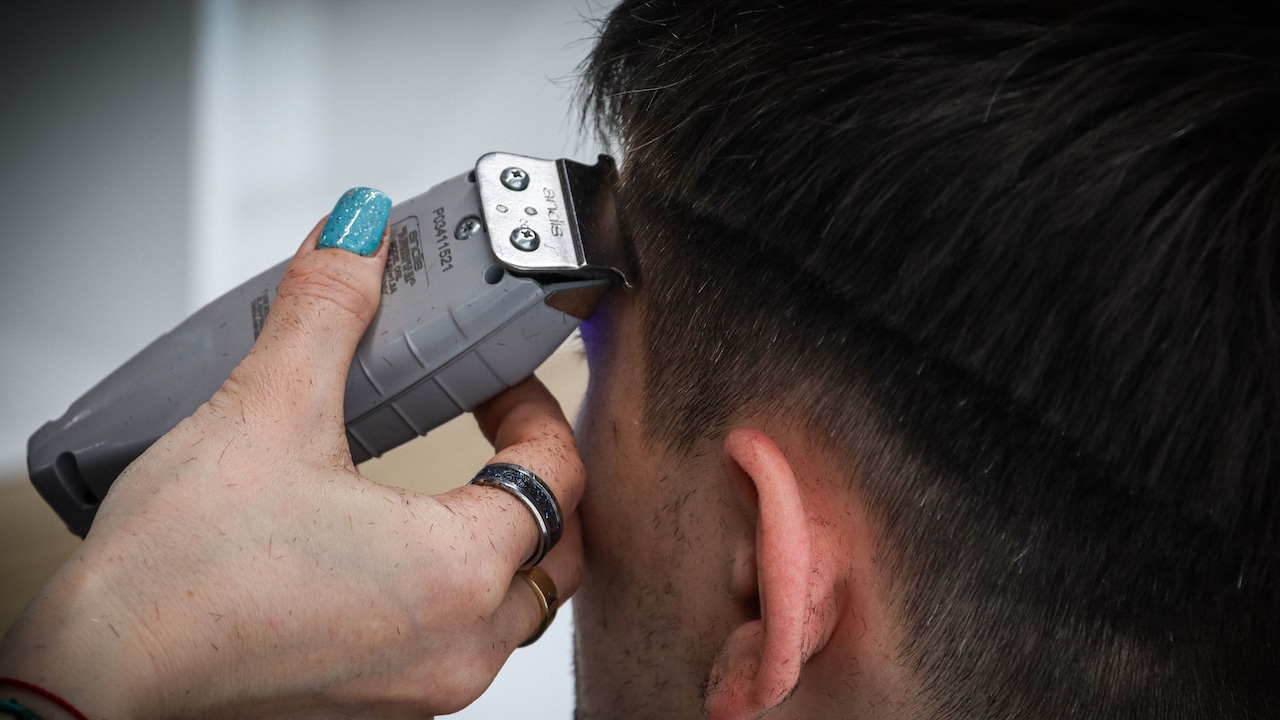
What is the right way to use a trimmer
Photo Credit: Pexels
The secret to effective trimming lies in understanding how hair grows, how trimmer blades interact with the skin and why technique matters more than simply changing direction. From unexpected irritation to patchy finishes, several everyday grooming problems can arise from going against the grain without considering these factors. Here are ten reasons why trimming against hair growth isn't always the smartest approach and what can help achieve more consistent results.
Also Read: Explore Face And Body Trimmers For Men On Discount
10 Reasons Why Trimming Against Hair Growth May Not Give The Best Results
1. Trimming Against Hair Growth Can Increase Skin Irritation
A freshly trimmed beard should feel comfortable, not like the skin has suddenly developed a personal grudge against the trimmer. Unfortunately, working against hair growth can sometimes leave behind redness, tenderness and an uncomfortable prickling sensation.
When a trimmer moves against the natural direction of hair growth, it lifts the strands before cutting them. This can help achieve a closer finish, but it also increases the chances of the blades or cutting head coming into contact with raised skin.
Repeated passes over the same area can make matters worse. Sensitive regions, particularly around the neck, jawline and underarms, may react more strongly to the additional friction. Even a trimmer with a protective guard can cause discomfort when someone applies excessive pressure.
A better approach involves starting with the direction of hair growth and checking the results before attempting a closer trim. If necessary, a gentle sideways pass can improve uniformity without aggressively working against the grain.
Keeping the skin clean, avoiding unnecessary pressure and using a suitable trimming attachment can also reduce irritation. Sometimes, leaving a tiny bit of extra length produces a considerably more comfortable result.
2. Hair Does Not Grow In The Same Direction Everywhere
One of the biggest mistakes people make while trimming involves assuming that every hair follows the same direction. Unfortunately, facial and body hair rarely cooperate with such convenient expectations.
Beard hair, for instance, may grow downwards along the cheeks, sideways near the jawline and upwards around the neck. Some areas even develop circular growth patterns, creating small swirls that make trimming more complicated.
Running a trimmer against what appears to be the general growth direction doesn't necessarily work across these different sections. Instead, the blades may cut certain strands closely while missing others entirely.
This can explain why one side of the beard sometimes looks shorter despite receiving the same number of passes.
Before trimming, gently run a hand across the area to identify where the hair feels smooth and where it offers resistance. A mirror and adequate lighting can help reveal particularly stubborn growth patterns.
Rather than following one fixed direction, adjust the trimmer's movement according to each section. The process may require a little more attention initially, but understanding the natural growth pattern makes future grooming sessions considerably easier.
3. Cutting Too Close Can Make Uneven Growth More Noticeable
Not everyone has a naturally dense, evenly distributed beard. Some people have thicker growth around the chin, lighter coverage across the cheeks and occasional gaps near the jawline.
Trimming against hair growth can exaggerate these differences, particularly when using a very short cutting setting.
The closer the cut, the more visible the underlying distribution of hair becomes. Areas with dense growth may retain a darker appearance, while naturally sparse sections can look almost bare.
This creates the impression of an uneven trim, even when the trimmer has shortened most strands to approximately the same length.
Consider someone preparing for a wedding function who wants a neatly maintained short beard. Aggressively trimming against the grain may expose patches that otherwise remain less noticeable when the hair retains a little length.
Choosing a slightly longer guard can help maintain a more balanced appearance. Start with a conservative setting and reduce the length gradually rather than attempting the closest possible cut immediately.
Remember, a polished beard doesn't necessarily need to be extremely short. Consistent coverage, defined edges and a length that complements natural growth often look more appealing.
4. Curly Hair May Become More Prone To Ingrown Hairs
Curly and tightly coiled hair can make close trimming particularly challenging. Unlike straight strands that tend to grow away from the skin, curved hairs may bend back towards the surface.
When trimming against the grain, the blades can lift these strands and cut them closer to the skin. As the hair grows again, its curved tip may struggle to emerge normally or may re-enter the surrounding skin.
This can contribute to ingrown hairs, which often appear as small, uncomfortable bumps. In some cases, the affected follicles may develop inflammation.
The problem commonly occurs around the neck, beard line and other areas where coarse or curly hair grows.
People who regularly experience ingrown hairs may benefit from trimming with the grain and avoiding extremely short settings. Keeping a little visible stubble can reduce the likelihood of hairs becoming trapped beneath the skin.
It's also worth avoiding repeated passes over existing bumps, as this may aggravate the area further.
A closer trim might look attractive immediately, but maintaining healthy, comfortable skin makes a bigger difference to overall grooming results over time.
5. Excessive Pressure Can Lead To An Uneven Finish
There's a common assumption that pressing a trimmer firmly against the skin will help it capture more hair. Combine that pressure with movement against the grain, and the chances of an uneven finish can increase.
Trimmer blades work best when the cutting head maintains suitable contact with the hair. They don't require forceful pressure to perform effectively.
Pressing too hard can compress the skin, change the angle of the cutting head and affect how evenly the blades capture individual strands.
Some sections may receive a closer cut than intended, while neighbouring areas retain slightly longer hair. The resulting differences can become particularly noticeable under bright lighting.
Excessive pressure may also increase friction, especially around curved areas such as the chin, jawline and neckline.
Instead, allow the trimmer to glide across the skin using controlled movements. Keep the attachment positioned according to the manufacturer's instructions and avoid repeatedly pushing over the same patch.
When working around facial contours, use shorter strokes and adjust the trimmer's angle gradually.
The goal isn't to force the machine into cutting more hair. It's to create the right conditions for the blades to work consistently.
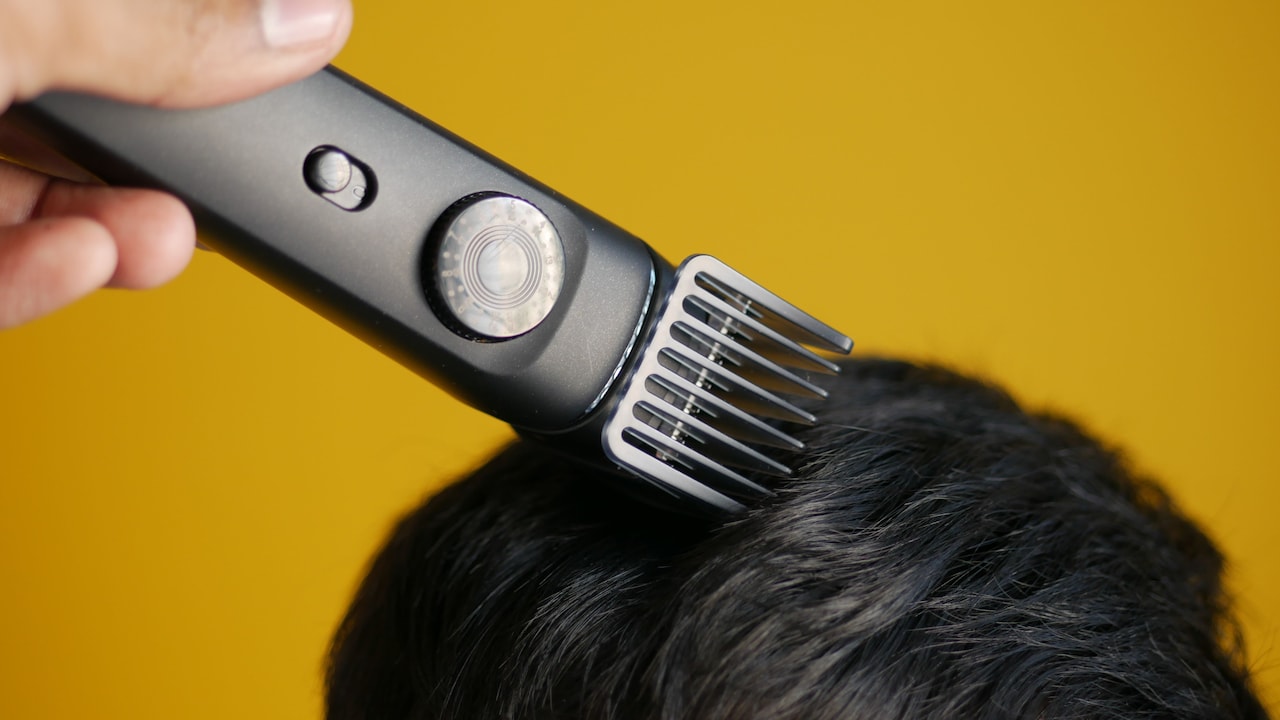
Using excessive pressure while using a trimmer can lead to uneven finish
Photo Credit: Pexels
6. Longer Hair Can Get Pulled Instead Of Cut Cleanly
Trimming several days or weeks of growth can feel very different from maintaining short stubble. Longer strands tend to bend, overlap and sometimes become tangled, particularly around dense facial hair.
Moving a trimmer directly against the grain through these areas may cause individual hairs to catch or pull, especially when the cutting head struggles to handle the length.
The result can range from mild discomfort to an inconsistent cut. Instead of smoothly shortening each strand, the trimmer may push some hairs aside while catching others.
This becomes more likely when the blades need cleaning, the battery runs low or the attachment isn't suitable for longer growth.
For example, someone reducing a thick beard to short stubble before a festive gathering may find that rushing straight into a close trim creates unnecessary pulling.
A more practical approach involves removing bulk first with a longer guard. Once the hair reaches a manageable length, shorter settings can help refine the overall shape.
Comb through longer facial hair before trimming, particularly when dealing with dense or curly growth.
Gradual length reduction provides better control and makes the final grooming stage considerably more comfortable.
7. Dull Or Dirty Blades Can Make Against-Grain Trimming Worse
Even an expensive trimmer can deliver disappointing results when its blades need maintenance. Hair clippings, skin oils and grooming product residue gradually collect around the cutting head.
This buildup can interfere with the blades' ability to capture and cut hair efficiently.
When trimming against the grain, users may notice increased pulling, missed strands or the need for several passes. Unfortunately, repeatedly moving over the same area can increase skin irritation without significantly improving the finish.
Dull blades create another problem. Rather than cutting every strand cleanly, they may tug at the hair or struggle with coarse growth.
Regular cleaning helps prevent these issues. Remove trapped hair after use, following the manufacturer's cleaning instructions. Some models allow rinsing under running water, while others require a dry brush.
Blade lubrication may also help maintain performance, but only when the manufacturer recommends it.
Check the cutting head periodically for visible damage, unusual noises or persistent pulling. Replace worn components when necessary.
Before experimenting with different trimming directions, make sure the equipment itself works properly. A well-maintained trimmer often delivers better results with fewer passes and considerably less effort.
8. Sensitive Body Areas Need A Different Trimming Approach
The technique that works reasonably well across the cheeks may not suit the underarms, chest, groin or other sensitive body areas.
Skin thickness, hair density and surface contours vary considerably across the body. Some regions also contain folds or loose skin that require additional care during grooming.
Trimming against hair growth in these areas can increase the chances of irritation, nicks or uncomfortable pulling, particularly when using an unsuitable attachment.
The underarms provide a familiar example. Hair often grows in several directions, while the skin naturally forms creases when the arm rests against the body.
Trying to achieve an extremely close trim with repeated against-grain strokes can leave the area feeling tender, especially when sweat and clothing create additional friction afterwards.
For sensitive regions, use a trimmer specifically designed for body grooming and follow its recommended technique. A suitable protective guard can help maintain a safer distance between the blades and skin.
Gently flatten accessible skin where appropriate, avoid damaged areas and move the device slowly.
Different body parts have different grooming requirements. Treating them all like a flat section of beard rarely produces the most comfortable results.
9. Repeated Against-Grain Passes Can Create Patchy Results
That one stubborn strand refusing to disappear can turn a simple grooming session into an unexpectedly lengthy exercise.
It's tempting to keep running the trimmer against the grain until every visible hair appears perfectly level. However, repeated passes can gradually create inconsistencies rather than eliminate them.
The reason involves changes in hair position, cutting angle and the amount of pressure applied during each stroke.
As the trimmer moves across an area, some strands may stand upright while others remain flattened against the skin. Subsequent passes can capture previously missed hairs, but they may also cut certain sections more closely than intended.
This becomes particularly noticeable when attempting a very short beard style or maintaining an even stubble length.
Instead of repeatedly working over one patch, complete a controlled first pass across the entire area. Brush away loose clippings and examine the results under good lighting.
Use small corrective strokes only where necessary, while maintaining the same guard setting.
A slightly textured but consistent finish generally looks better than an aggressively trimmed area surrounded by uneven patches.
Knowing when to stop can be just as important as knowing where to trim.
10. A Better Finish Depends On Technique, Not Just Direction
The direction of trimming certainly influences the outcome, but it represents only one part of the grooming process.
Hair length, blade condition, guard selection, skin sensitivity and even lighting can affect how the finished trim looks.
Someone using a clean, sharp trimmer with a suitable attachment may achieve excellent results while following the direction of hair growth. Another person using the same device against the grain may experience irritation or uneven coverage.
Neither approach guarantees perfection because individual hair characteristics differ.
For consistent results, begin by choosing the desired length rather than immediately aiming for the closest cut. Work through the hair in manageable sections, maintain steady movements and check for differences before changing the guard setting.
If a closer finish is necessary, carefully test an against-grain pass on a small area first. Stop if it causes pulling or irritation.
Finishing touches around the neckline, sideburns and beard edges can also improve the overall appearance without requiring aggressive trimming across the entire face.
Ultimately, good grooming involves working with natural hair growth rather than constantly fighting against it. A little patience often achieves more than another unnecessary pass with the trimmer.
Products Related To This Article
1. Bombay Shaving Company Power Styler Beard Trimmer with 38 Style Settings & Flash Charging
2. Philips QP1424/10 OneBlade Hybrid Trimmer and Shaver with Dual Protection Technology
3. BOMBAE Sensitive 6-in-1 Smooth Bikini And Face Trimmer
4. VEGA Women Feather Touch 4-In-1 Trimmer for Trimming Eyebrows Face & Bikini Area
5. Agaro 3117 Female Multi Trimmer with 90 Minutes Runtime
6. WINSTON Rechargeable 2-in-1 Face and Eyebrow Trimmer for Women Facial Hair Removal
7. BEARDO Men Chrome Beast Multipurpose Trimmer Kit
8. VGR ROSSO Hair & Beard Trimmer with 2000mAh Lithium Battery-LED Display & 400 Min Runtime
Trimming against hair growth can produce a closer cut, but closer doesn't always mean cleaner, neater or more comfortable. Uneven growth patterns, sensitive skin, curly strands and poor technique can all affect the final result. Instead of treating against-grain trimming as a universal solution, pay attention to hair direction, choose suitable trimmer attachments and maintain the blades properly. Start gently, assess the results and make small adjustments where necessary. After all, the best grooming routine isn't the one that removes every possible millimetre of hair. It's the one that delivers a tidy, consistent finish without leaving the skin irritated.
(Disclaimer: This article may include references to or features of products and services made available through affiliate marketing campaigns. NDTV Convergence Limited (“NDTV”) strives to maintain editorial independence while participating in such campaigns. NDTV does not assume responsibility for the performance or claims of any featured products or services.)