How To Wax At Home With A Wax Heater Without Burns
Learn how to use a wax heater for hair removal at home without burns. Follow simple safety steps to prepare skin, test wax temperature, and remove hair carefully.
How To Wax At Home With A Wax Heater Without Burns
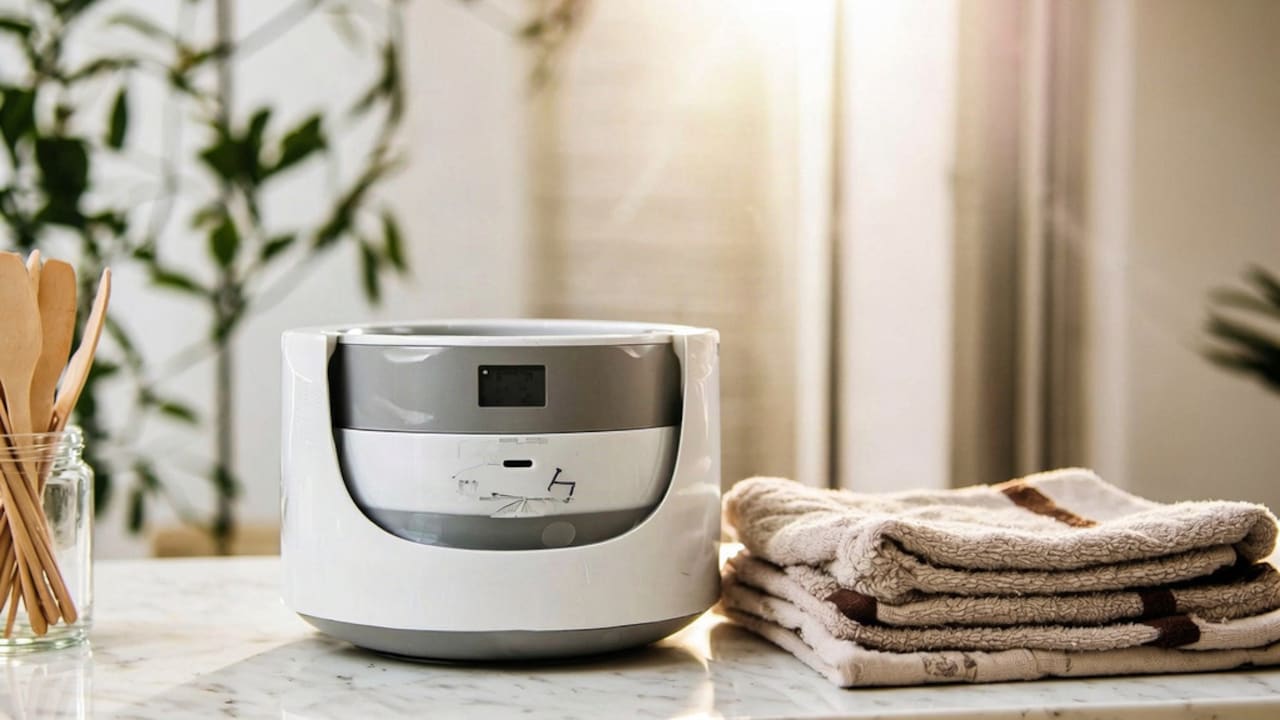
Going to a salon isn't the only way to get hair removed; you can do it at home, too, with a wax. By melting hard wax or soft wax into a workable consistency, a wax heater simplifies the process. However, heated wax must be handled with care because application at too high a temperature can lead to burns, redness and skin irritation. The secret to a safer waxing experience is knowing the right heating process and application technique. Preparation is key to not being uncomfortable when waxing your arms, legs or other appropriate areas of the body.
What Should Be Prepared Before Using A Wax Heater?
Photo Credit: iStock
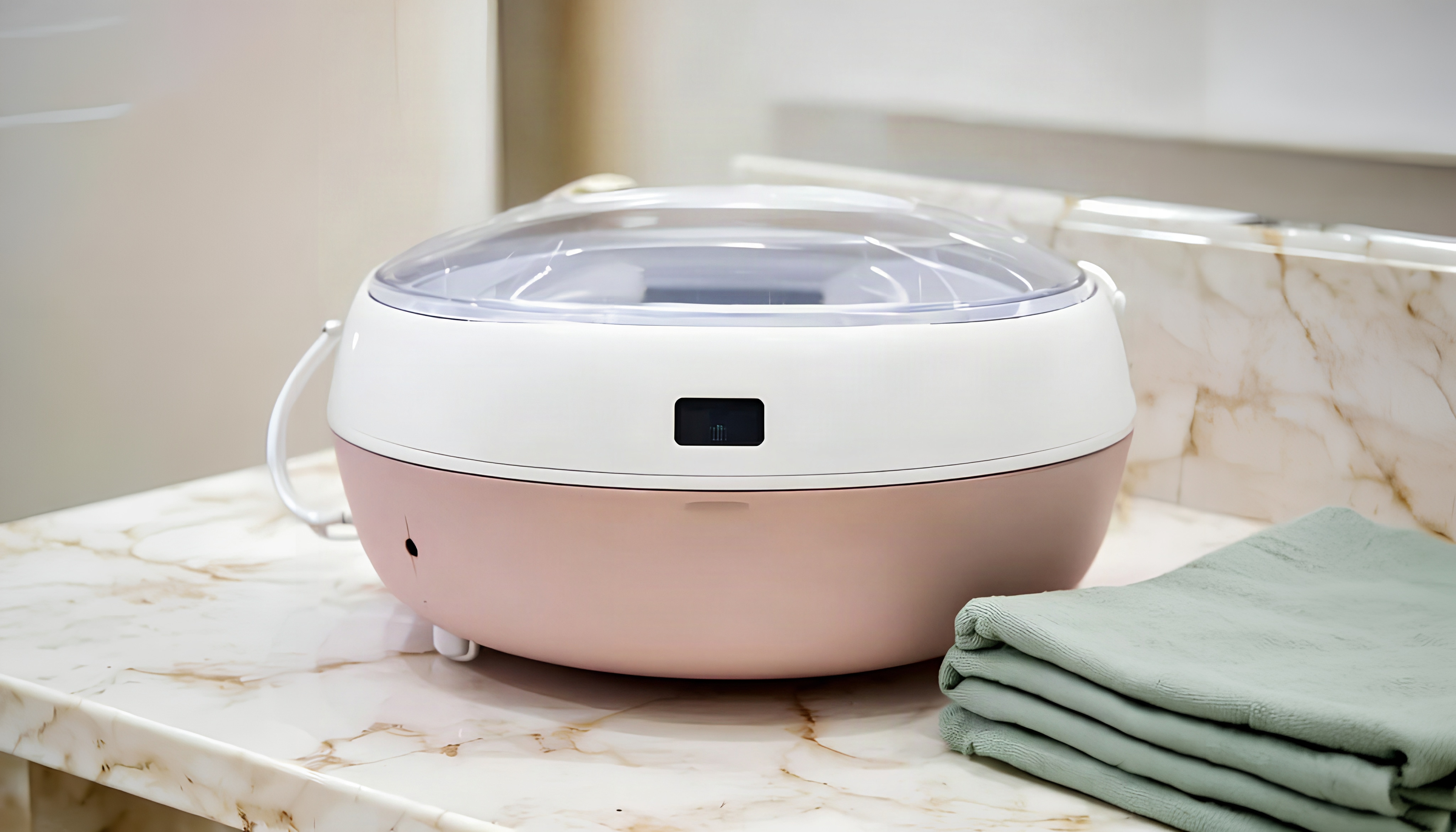
Wax should be of proper consistency, the skin should be clean and dry, and the temperature should be checked before every application; the right equipment and a few precautions can make a home waxing routine more manageable and comfortable.
What Should Be Prepared Before Using A Wax Heater?
Before you start, collect all of the supplies you will need for waxing and set up in a clean, well-lit area to work. A basic waxing home kit will usually contain a compatible wax heater, suitable wax, wooden applicator sticks, waxing strips if needed, a thermometer if you have one and a gentle post-wax moisturiser.
Check the wax heater instructions to see what kind of wax it uses. Soft wax usually needs a waxing strip, and hard wax generally sets on the skin and is removed without a fabric strip. Using the wrong wax or heating method can affect the application and increase the chances of irritation.
The skin should also be tested before waxing. Do not wax over sunburnt, irritated, broken or infected skin. People using certain prescription acne treatments, especially topical retinoids or isotretinoin, should consult a healthcare professional before getting a facial wax.
How To Use A Wax Heater Without Burns?
Step 1: Prime Your Skin And Cleanse
Clean the area with a mild cleanser to remove sweat, dirt, oil and any residual skincare products. Be sure to dry the skin well before applying wax, as any moisture will affect adhesion. For effective waxing, hair should be 5–6 mm in length. If the hair is much longer, trimming it carefully before waxing will make the process more comfortable.
Step 2: Warm Wax Until Melted
Add the suggested amount of wax to the heater and turn on the appliance according to the manufacturer's instructions, and begin at the temperature setting that is recommended, rather than at the highest heat setting.
Step 3: Check The Wax Temperature Before Applying
If the wax is getting too hot, turn the heat down or off, and this is one of the most important steps in avoiding burns. Let it cool and try again. If possible, use a thermometer and the wax manufacturer's recommended temperature range.
Step 4: Spread Out Evenly And Thinly
Using a clean wooden applicator, apply a small amount of wax to an area of skin. Follow the directions and application thickness on the product.
Step 5: Gently Remove Wax
For soft wax, place a waxing strip over the waxed area and smooth down in the direction recommended by the instructions that come with the product. Hold the skin taut and quickly pull the strip. Don't pull the strip up, but keep it close and parallel to the skin.
Step 6: Rehydrate And Calm The Skin
Remove any residue after waxing with a post-wax product suitable for the wax used, and apply a light, fragrance-free moisturiser or soothing product that is appropriate for your skin.
What Wax Heater Safety Mistakes Should You Avoid?
1: Setting The Heater To Very High Temperatures
Heating wax to the highest setting does not make waxing any more effective. Too much heat can cause serious skin burns, especially when the wax thins out and is difficult to handle.
2: Wax Application Without Patch Test
A patch test will show any possible irritation or allergic reactions to the wax and its ingredients. Test on a small patch as per the manufacturer's instructions and observe the skin for any reaction.
Also Read: Top 5 Moustache Waxes For A Styled Movember Look Under ₹500
3: Waxing The Same Spot Again And Again
Repeated applications can remove the protective surface layer of the skin, resulting in redness, bruising or lifting of the skin. If there are a few hairs left, use clean tweezers instead of waxing the same patch over and over again.
4: Turn On The Heater Then Turn Off
Never leave a wax heater on and unattended. Never place the appliance on an unstable surface and always keep it away from water, children and pets, on a heat-resistant surface. Do not touch the inner container or melted wax directly. After use, turn off and unplug the appliance.
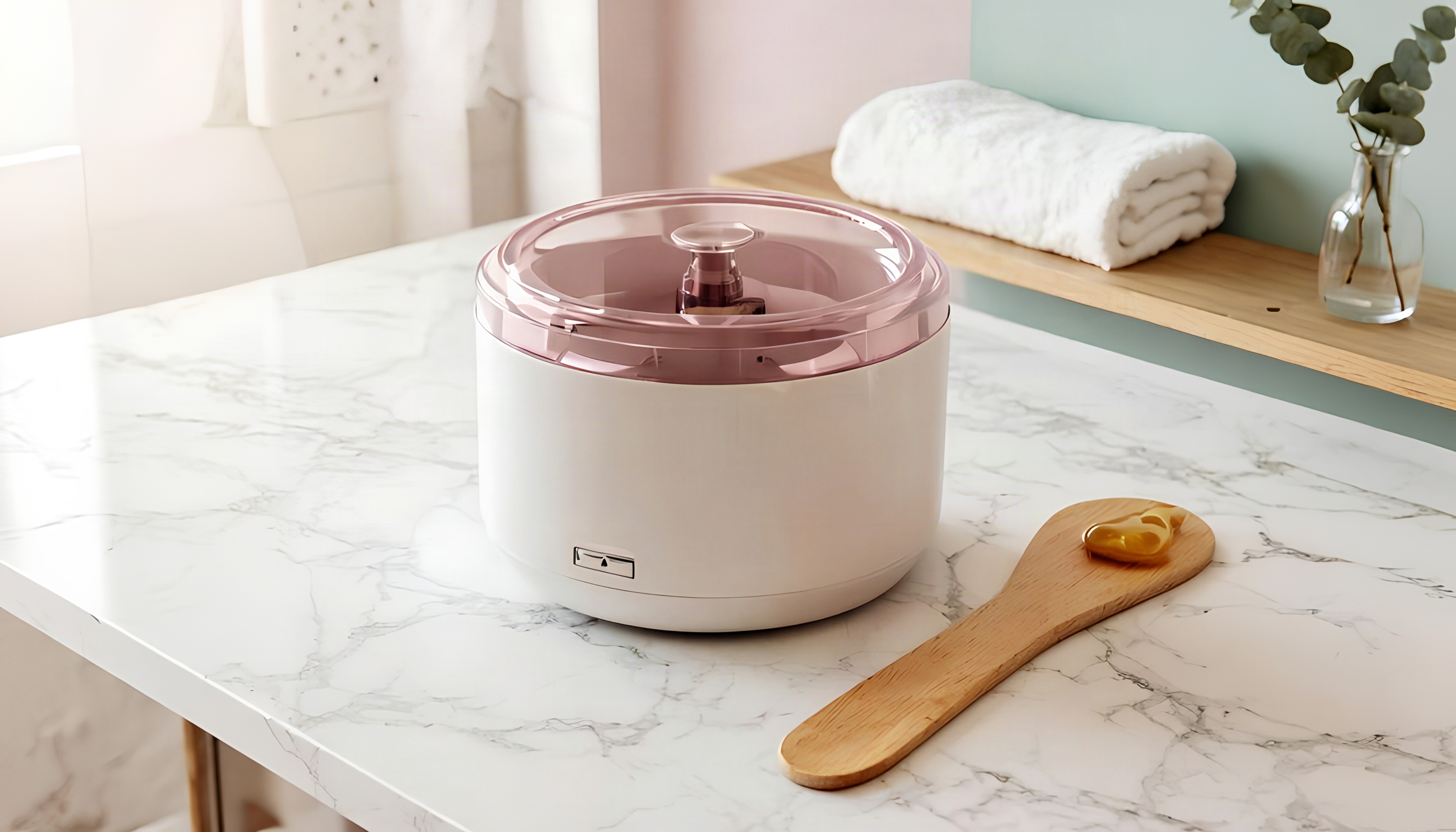
Products To Consider From
Photo Credit: iStock
Products To Consider From
1. Lifelong Wax Heater with Wax Applicator Spatula
2. KRINKS® Wax Heater for Waxing
3. KRIFA ENTERPRISES Pro Wax 100 Warmer Hot Wax Heater
4. Biosoft Roll-On Wax Heater
5. PRO WAX Kylie 100 Warmer Hot Wax Heater
6. Dealsure Wax Heater For Waxing For Women
7. LOVHIDE Silicone Wax Heater Pot with Lid
8. ELRINZA Hair Remover Wax Heater, Normal Oil and Wax Heater
Waxing at home can be a convenient and cost-effective way to maintain smooth skin, but safety should always come first. Using a wax heater correctly, testing the wax temperature before application, working in small sections, and following the manufacturer's instructions can significantly reduce the risk of burns and skin irritation. Taking a few extra minutes to prepare your skin and monitor the wax consistency can make the entire process more comfortable and effective.
Frequently Asked Questions
1. What temperature should you set your wax pot to?
What temperature is correct? This depends upon the composition of the wax and the type of heater. If possible, use a thermometer and follow the manufacturer's recommended settings, and the wax should be warm enough to be comfortable and spreadable but not so hot that it is painful.
2. Can I use hard and soft wax in my wax heater?
Though some wax heaters can handle both types, whether they are compatible depends on the heater. Be sure to consult the product instructions for a specific wax formulation before using. Soft wax generally requires strips; hard wax typically does not.
3. How long does wax take to melt in a heater?
The time it takes to melt will depend on how much wax you have, the capacity of the heater, and the formulation of the product. Follow the manufacturer's instructions and check the consistency from time to time, rather than using a fixed time for heating.
4. Is it possible to reheat the cooled wax?
Unused wax may generally be reheated if the manufacturer permits and if it has been kept clean and uncontaminated. Do not return used wax to the original container.
5. Can I wax at home if I have sensitive skin?
Waxing at home can be irritating, particularly if your skin is sensitive or inflamed. A patch test and the right wax formulation can help to identify possible reactions. Don't wax sunburnt, broken or irritated skin.
(Disclaimer: This article may include references to or features of products and services made available through affiliate marketing campaigns. NDTV Convergence Limited (“NDTV”) strives to maintain editorial independence while participating in such campaigns. NDTV does not assume responsibility for the performance or claims of any featured products or services.)