Washing Machines Tangling Clothes? What To Check Before Buying
Tired of clothes coming out in knots? The problem may not be your laundry habits. Here’s what to check in a washing machine before buying to avoid tangling and fabric damage.
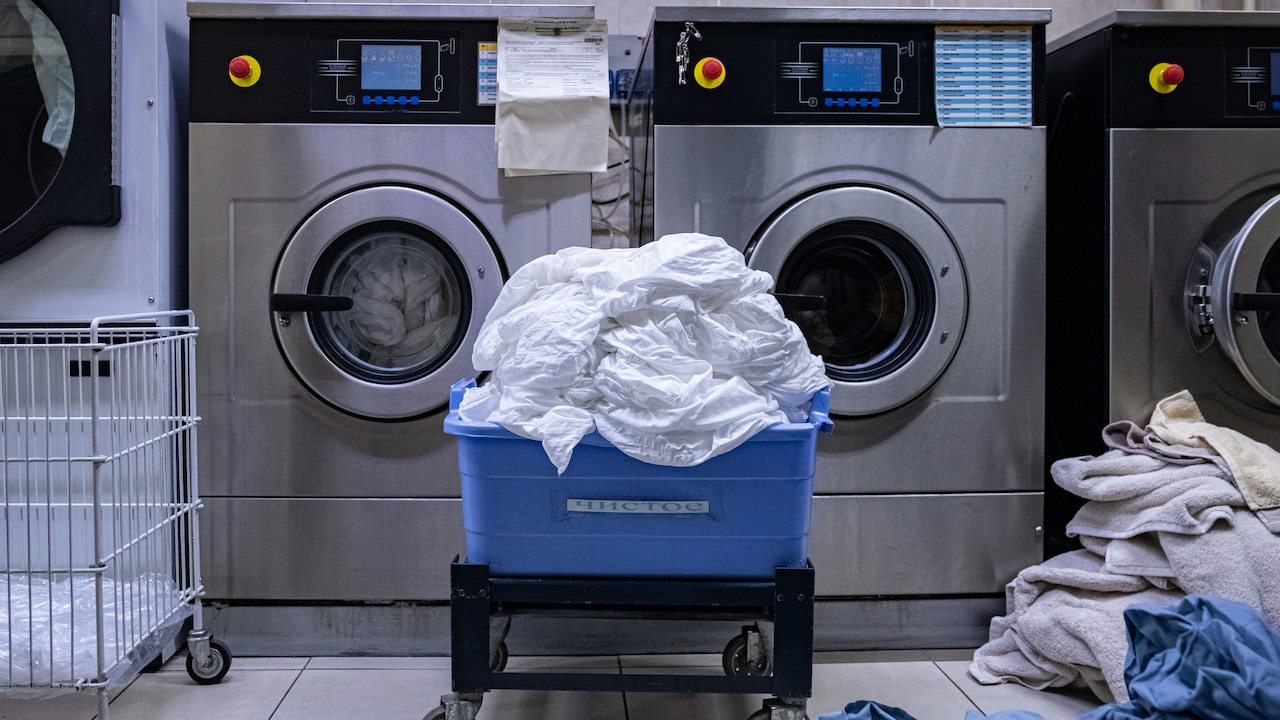
Why Washing Machines Tangle Clothes And What To Check Before Buying
Few things test patience like opening a washing machine and finding a twisted bundle of shirts, jeans, and dupattas wrapped together like an unsolved puzzle. It often leads to stretched sleeves, creased fabrics, and in some cases, outright damage. Many assume this is just how machines work, but that is far from true.
The truth is, excessive tangling often points to design choices, drum movement, or washing patterns that do not suit everyday clothing. With the variety of washing machines available today, from compact budget options to premium models priced at ₹40,000 or more, making the right choice becomes crucial.
A thoughtful purchase can mean the difference between neatly cleaned clothes and a tangled mess. The key lies in understanding how machines treat fabrics during a wash cycle. This article takes a closer look at what truly matters when choosing a washing machine, especially if avoiding tangled clothes is high on the priority list.
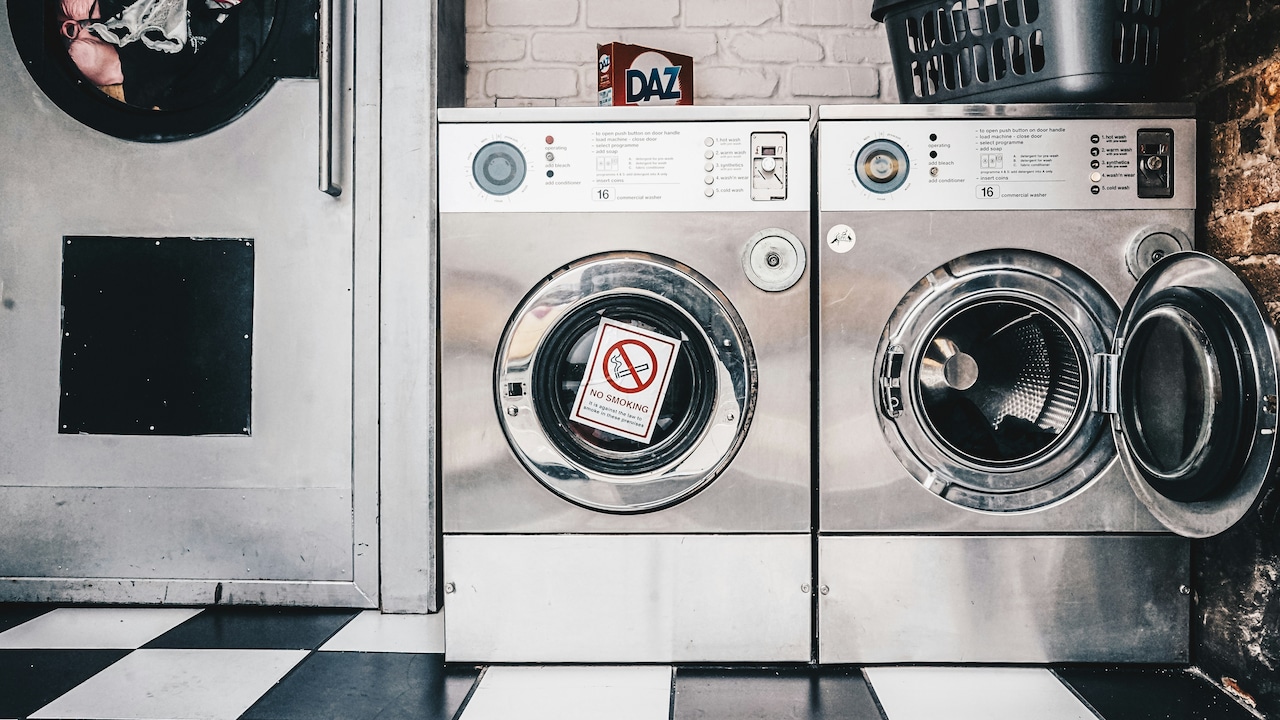
Why Washing Machines Tangle Clothes And What To Check Before Buying; Photo Credit: Pexels
What Really Matters Before Bringing A Washing Machine Home
Drum Design And Movement
The drum sits at the heart of every washing machine, and its design plays a major role in how clothes behave during a wash. A poorly designed drum often leads to garments wrapping around each other, especially when water flow and rotation lack balance.
Machines with smooth, well-contoured drums reduce friction between fabrics. Many newer designs feature patterns or ridges that gently lift and drop clothes instead of dragging them across the surface. This creates a tumbling motion that separates garments rather than forcing them into knots.
Movement patterns also matter. Machines that rotate in a single direction for long periods tend to twist clothes more. In contrast, models that alternate directions mimic handwashing, loosening fabrics naturally.
When browsing options, it helps to visualise how a saree, bedsheet, or long kurta would move inside the drum. If the motion seems aggressive or repetitive, tangling becomes more likely. A balanced drum with thoughtful movement can quietly solve half the problem before it even begins.
Capacity And Load Size
Choosing the right capacity often feels like a simple numbers game, yet it has a direct impact on tangling. Overloading a washing machine forces clothes into tight spaces, increasing friction and causing them to wrap around each other.
A family of four might feel tempted to opt for a smaller machine to save money, perhaps around ₹15,000, but this often leads to cramming clothes into limited space. The result is not just tangling but also uneven cleaning.
On the other hand, a slightly larger capacity allows clothes to move freely. Fabrics need space to separate and flow with the water. When garments can circulate properly, they are less likely to twist together.
It is not just about buying a bigger machine, though. Understanding how much to load each cycle matters just as much. Even a large drum can cause tangling if packed to the brim. A little breathing space inside the drum can make a noticeable difference in how clothes emerge after a wash.
Also Read: Best Washing Machine Offers From Top Brands, Get Up To 50% Off
Wash Programmes And Settings
Modern washing machines offer a variety of wash programmes, yet many users stick to one default setting for every load. This habit often contributes to tangled clothes.
Different fabrics require different handling. Cotton shirts, delicate fabrics, and heavy items like towels behave differently in water. Machines with specialised programmes adjust drum speed, water levels, and rotation patterns accordingly.
For instance, a gentle cycle slows down movement and reduces twisting. Heavy-duty cycles, while effective for tough stains, can create aggressive motion that tangles lighter fabrics. Selecting the wrong programme mixes these effects in unhelpful ways.
Machines that offer customisation allow better control. Adjusting spin speed or choosing a fabric-specific mode can prevent clothes from knotting together. It may seem like an extra step, but taking a moment to select the right setting often saves time later, especially when ironing or untangling garments.
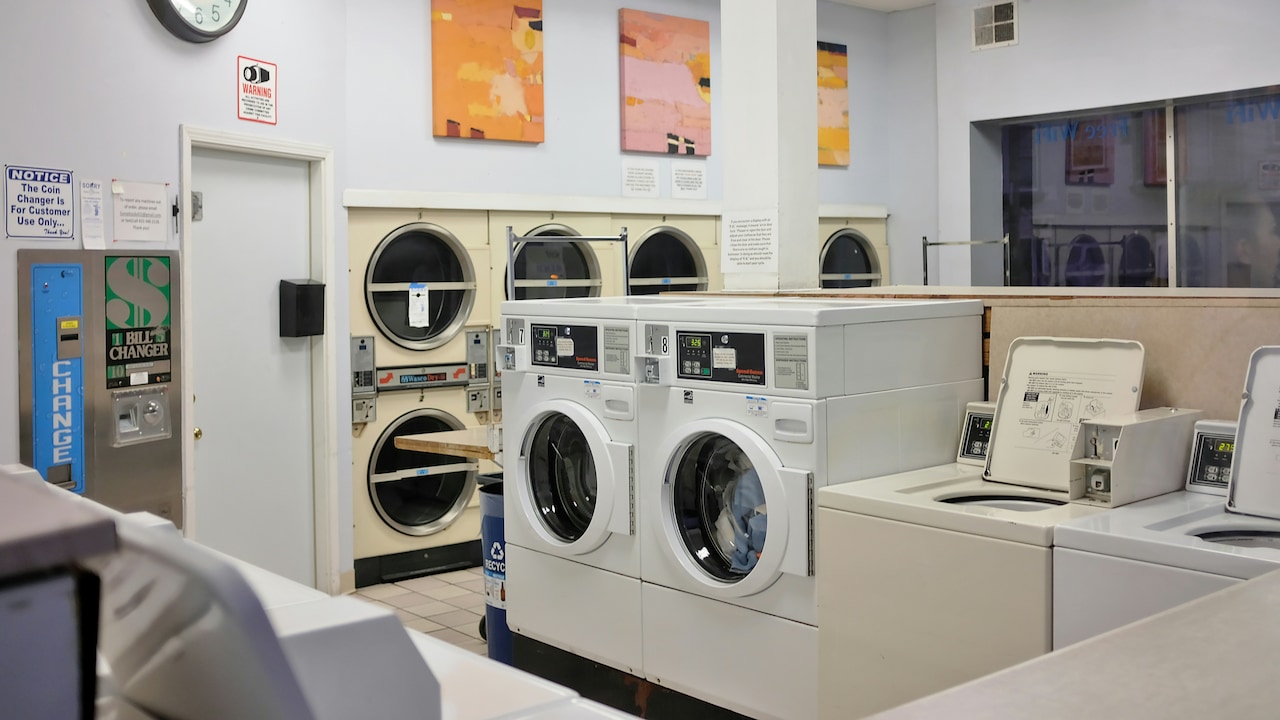
Why Washing Machines Tangle Clothes And What To Check Before Buying; Photo Credit: Pexels
Agitator Vs Impeller
Top-load washing machines often come with either an agitator or an impeller, and this choice significantly affects how clothes move.
An agitator uses a central spindle that twists and turns clothes during washing. While effective for cleaning, it can be rough on fabrics. Long garments often wrap around the agitator, leading to tangling and stretching.
Impellers, on the other hand, use a low-profile disc at the base. They rely on water currents and subtle movement to clean clothes. This creates a gentler wash, reducing the chances of garments twisting together.
For households dealing with delicate fabrics or mixed loads, impeller-based machines often prove more forgiving. While agitator models are usually more affordable, sometimes priced around ₹12,000 to ₹18,000, the trade-off becomes clear after repeated tangled loads.
Understanding this difference helps in choosing a machine that aligns with daily laundry needs rather than just initial budget considerations.
Spin Speed And Drying Cycle
Spin speed might sound like a technical detail, but it directly influences how tangled clothes become. High spin speeds extract more water, reducing drying time, but they can also twist fabrics tightly together.
Machines with adjustable spin speeds offer greater flexibility. Delicate fabrics benefit from lower speeds, while heavier items can handle faster spins. Without this option, clothes often undergo the same treatment regardless of fabric type.
The drying cycle also plays a role. Rapid spinning at the end of a wash can bunch clothes into a compact mass. When this happens, garments stick together as they dry, making tangling worse.
Choosing a machine that balances efficiency with care is important. A slightly longer drying time may feel inconvenient, but it often preserves fabric quality and reduces post-wash hassle.
In the long run, avoiding stretched collars and twisted seams saves both money and effort, making adjustable spin settings a feature worth considering.
Fabric Type And Load Mixing
Mixing fabrics without thought often leads to tangled clothes. Lightweight garments behave differently from heavy ones, and when combined, they interact in unpredictable ways.
A bedsheet, for instance, can easily wrap around smaller items like T-shirts or socks. Once that happens, the entire load starts to rotate as a single unit, creating knots that are difficult to undo.
Separating clothes by type helps reduce this issue. While it may seem tedious, the results speak for themselves. Washing similar fabrics together allows them to move in harmony rather than conflict.
Machines that offer fabric-specific cycles support this approach. They adjust movement to suit the load, ensuring that delicate items do not get caught in heavier fabrics.
A little planning before loading the machine can prevent a lot of frustration later. It turns laundry from a chaotic process into something more predictable and manageable.
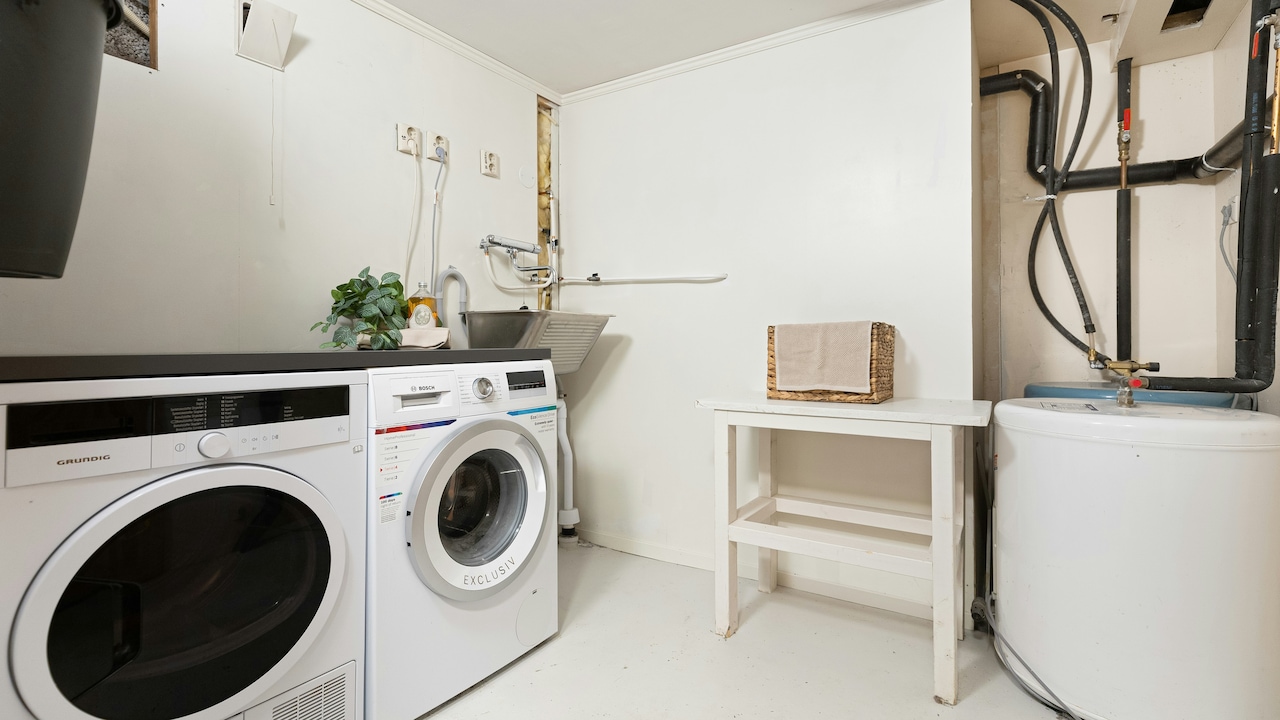
Why Washing Machines Tangle Clothes And What To Check Before Buying; Photo Credit: Pexels
Water Flow And Distribution
Water does more than just clean clothes; it acts as a medium that allows fabrics to move freely. Poor water distribution often leads to uneven movement, which increases tangling.
Machines with advanced water flow systems ensure that water reaches every part of the drum evenly. This helps clothes circulate rather than clump together.
In some budget models, water enters from a single point, creating an imbalance in movement. Clothes on one side may remain relatively still while others move aggressively, leading to knots.
A well-designed system distributes water evenly, encouraging a smooth tumbling motion. This reduces friction and keeps garments separate.
It may not be the first feature that comes to mind when buying a washing machine, but water flow plays a subtle yet powerful role. A machine that manages water effectively often delivers cleaner clothes with fewer tangles.
Build Quality And Material
The materials used in a washing machine influence its performance over time. A sturdy drum made of high-quality stainless steel resists wear and maintains smooth movement.
Cheaper materials may develop rough edges or uneven surfaces, which can catch fabrics and cause tangling. Over time, this not only affects clothes but also reduces the machine's efficiency.
The overall build also matters. A well-constructed machine maintains balance during operation, ensuring consistent movement. Vibrations or instability can disrupt the washing pattern, leading to uneven loads and tangled clothes.
Investing in better build quality often means spending a bit more upfront, perhaps moving from a ₹14,000 model to one closer to ₹22,000. However, the long-term benefits include fewer repairs and better fabric care.
A reliable machine should feel solid and well-finished, offering peace of mind with every wash.
Smart Features And Sensors
Modern washing machines come equipped with sensors that adjust settings based on load size and fabric type. These features go beyond convenience and directly impact how clothes are treated.
Load sensors detect how much laundry is inside and adjust water levels and movement accordingly. This prevents overloading and ensures that clothes have enough space to move freely.
Some machines also feature imbalance detection. When clothes gather on one side, the machine redistributes them before continuing the cycle. This reduces tangling and improves overall washing efficiency.
While smart features often increase the price, sometimes pushing it above ₹30,000, they offer practical benefits that simplify daily life. Instead of guessing the right settings, the machine makes informed adjustments automatically.
For busy households, these features provide a sense of ease, ensuring that clothes come out cleaner and less tangled without constant supervision.
Brand Reliability And After-Sales Support
A washing machine is a long-term investment, and reliability matters just as much as features. Well-established brands often invest in research and design, leading to better performance and fewer issues like tangling.
After-sales support also plays a crucial role. Even the best machines may require maintenance over time. Quick service and accessible spare parts ensure that minor issues do not turn into major inconveniences.
Checking reviews and user feedback offers valuable insights into real-world performance. Sometimes, a machine that looks impressive on paper may fall short in everyday use.
Spending a little extra on a trusted brand often brings peace of mind. It ensures that the machine performs consistently and that help is available when needed.
In the end, reliability turns a purchase into a dependable part of daily life rather than a source of recurring frustration.
Products Related To This Article
1. Haier 6 kg 5 Star Oceanus Wave Drum Washing Machine Fully Automatic Top Load
2. Bosch 8 kg 5 Star Front Load Fully-Automatic Washing Machine
3. Whirlpool 7.0 Kg 5 Star StainWash Magic Clean Pro Fully Automatic Top Load Washing Machine
4. IFB 8 Kg 5 Star with Deep Clean® Technology, AI Powered
5. Voltas Beko, A Tata Product 6.5 Kg 5 Star Semi-Automatic Top Loading Washing Machine
Tangling clothes may seem like a small inconvenience, but over time, it affects fabric quality, increases effort, and adds unnecessary stress to routine chores. A washing machine should simplify life, not complicate it.
Choosing the right machine involves more than comparing prices or picking the most popular model. It requires attention to details such as drum design, movement patterns, capacity, and smart features. Each of these factors contributes to how clothes behave during a wash cycle.
A thoughtful approach ensures that garments come out clean, fresh, and ready to wear without the need for untangling or extra care. With the right choice, laundry can shift from a frustrating task to a smooth and predictable part of the day.
In the end, a good washing machine does not just clean clothes. It preserves them, respects the effort behind them, and quietly makes everyday life a little easier.
(Disclaimer: This article may include references to or features of products and services made available through affiliate marketing campaigns. NDTV Convergence Limited (“NDTV”) strives to maintain editorial independence while participating in such campaigns. NDTV does not assume responsibility for the performance or claims of any featured products or services.)