Why Your Refrigerator Isn't Cooling Even After Setting It To Max: Hidden Mistakes Most People Make
Turning your fridge to max, but still not getting cooling? The problem is not the setting. From blocked vents to overloading, here are the hidden mistakes that quietly ruin your refrigerator’s performance.
Why Your Refrigerator Isn't Cooling Even After Setting It To Max: Hidden Mistakes Most People Make
Few things feel more frustrating than opening the refrigerator on a sweltering afternoon, only to find soft butter, slightly warm milk, and vegetables that look like they've given up on life. The instinctive reaction is simple: turn the temperature knob to maximum and hope for the best. Yet, hours later, nothing seems to change.
Refrigerators are often taken for granted. They hum quietly in the background, working day and night without much attention. But like any appliance, they depend on proper usage and maintenance. When cooling fails, the issue is rarely about the temperature setting alone. Instead, it often traces back to overlooked habits and small missteps that build up over time.
Why Your Refrigerator Isn't Cooling Even After Setting It To Max: Hidden Mistakes Most People Make
Photo Credit: Pexels
This article unpacks the hidden mistakes that prevent a refrigerator from cooling effectively, even at its highest setting. Along the way, it sheds light on practical fixes that can save both food and repair bills, because nobody wants to spend ₹2,000 on emergency takeout just because the fridge decided to take a break.
Also Read: Convertible Freezer Refrigerators: Smart Space-Saving Upgrade Or Overrated?
Hidden Habits That Are Ruining Your Refrigerator's Cooling
Overloading The Refrigerator Like A Storage Unit
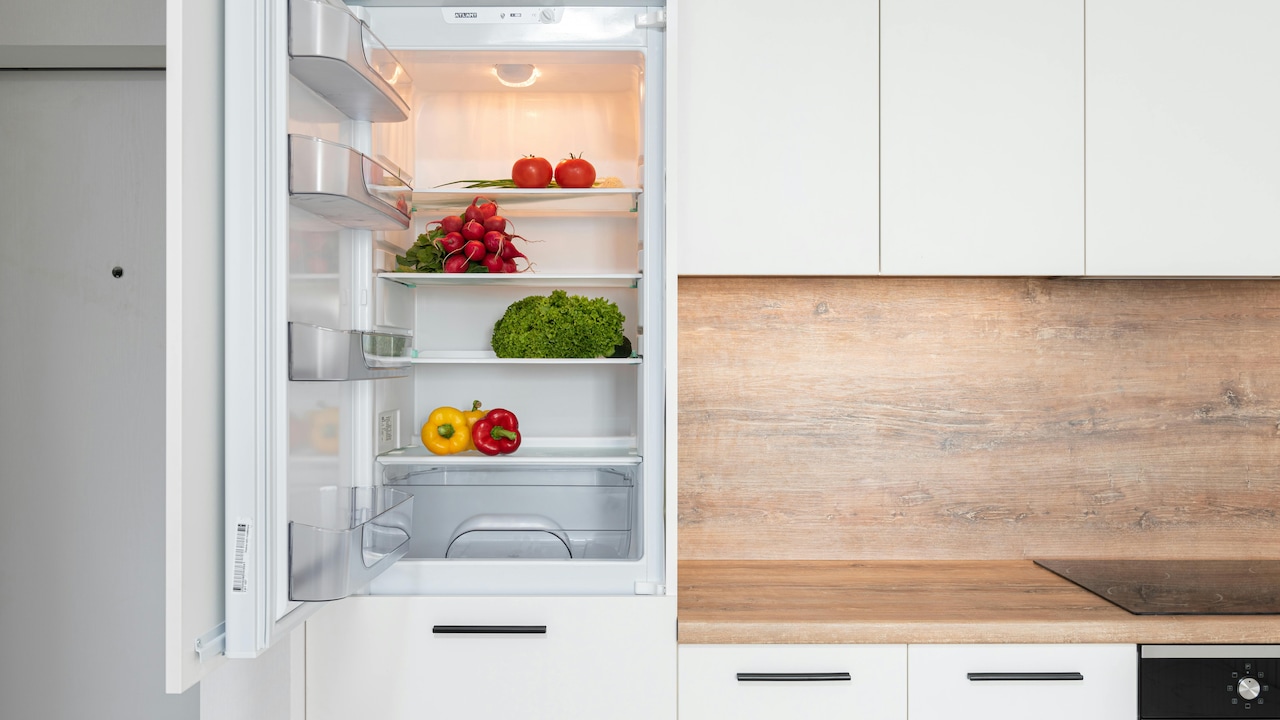
It feels efficient to pack the fridge to the brim after a big grocery run. Shelves get stacked, containers sit on top of each other, and somehow a watermelon squeezes into the last corner. But this habit disrupts airflow inside the fridge.
Cold air needs space to circulate. When every inch gets occupied, the air cannot move freely, and certain areas stay warmer than others. The compressor works harder, yet cooling remains uneven. Milk may chill properly while leftovers sit in a lukewarm pocket.
This issue becomes more noticeable during festive seasons or large family gatherings when the fridge doubles as a mini warehouse. Instead of helping, the maximum cooling setting only strains the system further.
Keeping some breathing space between items allows the appliance to function as intended. It may feel counterintuitive to leave gaps, but those empty spaces actually keep everything cooler.
Blocking The Air Vents Without Realising It
Most people never notice the air vents inside the refrigerator. They sit quietly at the back or sides, circulating cold air throughout the compartments. When containers or bags lean against these vents, airflow stops.
The result is simple: some sections freeze while others barely cool. Fruits placed near blocked vents spoil faster, while ice cream in the freezer might remain perfectly solid.
This mistake often happens unknowingly. A large steel vessel or a stack of tiffin boxes accidentally covers the vent, and the fridge begins to behave unpredictably.
A quick check inside the fridge can reveal whether airflow paths remain clear. Moving items slightly away from the vents can make a surprising difference. It's a small adjustment, yet it often restores balance without any technical intervention.
Ignoring Dirty Condenser Coils
Hidden at the back or beneath the refrigerator, condenser coils play a crucial role. They release heat from inside the fridge to the outside environment. Over time, dust and grime settle on these coils, especially in homes where windows stay open or cooking generates oil residue.
When coils get dirty, they cannot release heat efficiently. The fridge struggles to maintain low temperatures, even when set to maximum. Electricity consumption rises, but cooling performance drops.
Many households overlook this entirely because the coils stay out of sight. Yet, a simple cleaning every few months can dramatically improve efficiency.
A soft brush or vacuum cleaner usually does the trick. It's a task that takes less than fifteen minutes but can prevent unnecessary service visits that cost anywhere between ₹500 and ₹1,500.
Opening The Door Too Frequently
The refrigerator door often becomes the most visited spot in the kitchen. Someone grabs water, another checks for snacks, and someone else just stands there thinking about what to eat next.
Every time the door opens, cold air escapes and warm air enters. The compressor then works overtime to restore the temperature. If this happens repeatedly, the fridge never stabilises, no matter how high the cooling setting is.
This habit becomes more common during summer months when chilled drinks feel irresistible. Ironically, the more frequently the door opens, the less effective the cooling becomes.
Developing the habit of deciding what to take before opening the door can help. It sounds simple, but it reduces unnecessary exposure to warm air and keeps the internal temperature consistent.
Placing Hot Food Directly Inside
Freshly cooked food often goes straight into the fridge, especially when there's no time to let it cool. While this may seem convenient, it disrupts the refrigerator's internal temperature.
Hot dishes release steam and heat, raising the temperature inside the compartment. The appliance then struggles to bring everything back to the desired level, affecting nearby items.
This practice also leads to condensation, which can make vegetables soggy and promote bacterial growth. Over time, it adds strain to the compressor.
Allowing food to cool down before storing it makes a noticeable difference. Even a short wait can prevent unnecessary stress on the appliance and help maintain consistent cooling.
Incorrect Temperature Settings And Misunderstanding The Dial
Setting the fridge to maximum feels like the ultimate solution. However, not all refrigerators work the same way. In some models, higher numbers mean colder temperatures, while in others, the opposite may apply.
This confusion often leads to incorrect settings. A fridge set to “max” might actually be operating inefficiently if the dial interpretation is misunderstood.
Moreover, extreme settings can cause frost build-up in certain sections, reducing airflow and affecting cooling performance.
Understanding the appliance's manual or markings can clear up this confusion. Finding the optimal setting rather than pushing it to extremes usually delivers better results.
Why Your Refrigerator Isn't Cooling Even After Setting It To Max: Hidden Mistakes Most People Make
Photo Credit: Pexels
Faulty Or Worn-Out Door Gaskets
The rubber seal around the refrigerator door plays a crucial role in maintaining internal temperature. When this gasket becomes loose, cracked, or dirty, cold air leaks out continuously.
The fridge then works harder to compensate, yet cooling remains inadequate. This issue often goes unnoticed because the door still appears to close properly.
A simple test involves placing a piece of paper between the door and the frame. If it slides out easily, the seal may need attention.
Cleaning the gasket or replacing it can restore efficiency. It's a relatively inexpensive fix compared to the long-term cost of increased electricity bills and spoiled groceries.
Positioning The Refrigerator Incorrectly
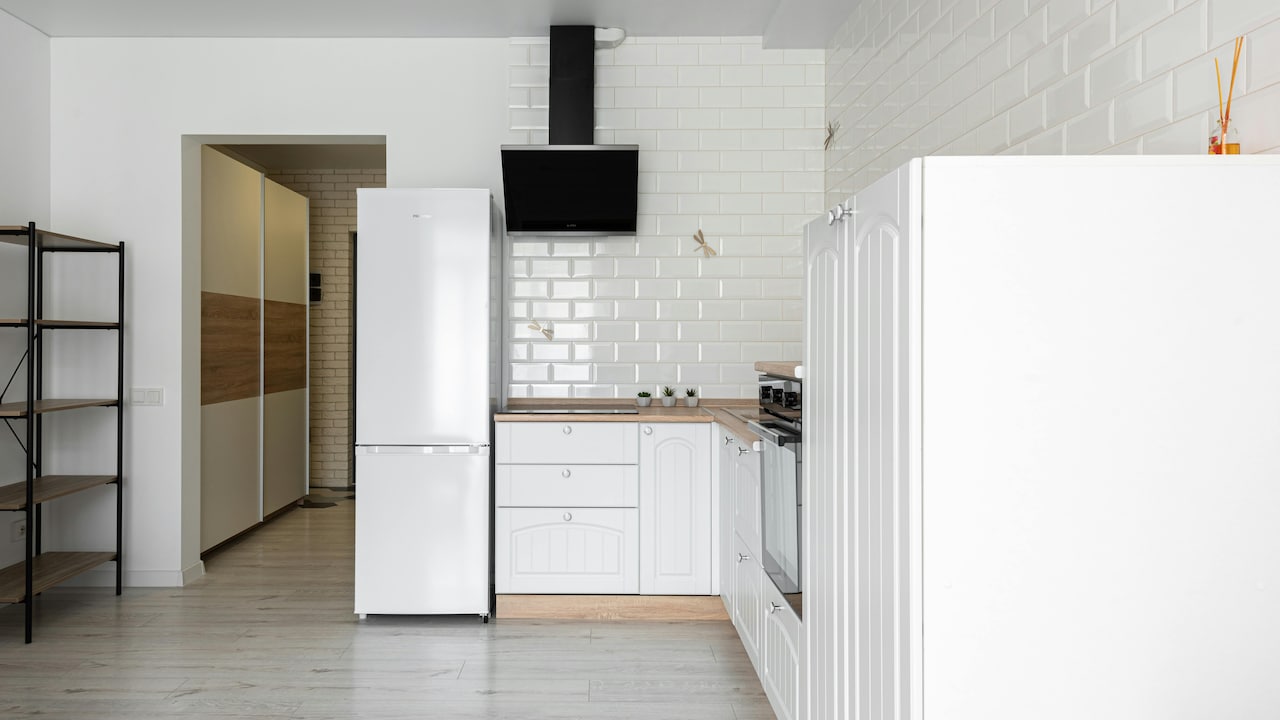
Where the refrigerator stands matters more than most people realise. Placing it too close to the wall restricts airflow around the condenser. Keeping it near a stove or direct sunlight adds extra heat load.
Both situations force the appliance to work harder, reducing cooling efficiency. Even at maximum settings, the fridge may struggle to maintain low temperatures.
Ideally, there should be a small gap between the fridge and the wall to allow proper ventilation. Choosing a spot away from heat sources can also improve performance significantly.
It's a simple change, yet it often gets overlooked during kitchen setup.
Power Supply Fluctuations And Voltage Issues
In many homes, voltage fluctuations quietly affect appliance performance. Refrigerators rely on stable power to function efficiently. When voltage drops or spikes occur, cooling efficiency can suffer.
The compressor may not run optimally, leading to inconsistent temperatures. Over time, this can even damage internal components.
Using a voltage stabiliser designed for refrigerators can help maintain steady performance. It acts as a protective layer, ensuring the appliance receives consistent power.
While it may seem like an additional expense, investing around ₹2,000–₹3,000 in a stabiliser can prevent costly repairs later.
Neglecting Regular Maintenance And Servicing
Refrigerators rarely demand attention, which often leads to neglect. Months turn into years without any servicing, and minor issues gradually build up.
Dust accumulation, worn-out parts, and unnoticed faults reduce efficiency over time. By the time cooling becomes a visible problem, the underlying cause may have been developing quietly for months.
Regular maintenance checks can catch these issues early. Even a basic inspection once a year can keep the appliance running smoothly.
Treating the refrigerator as a long-term investment rather than a “set and forget” device ensures better performance and fewer surprises.
Why Your Refrigerator Isn't Cooling Even After Setting It To Max: Hidden Mistakes Most People Make
Photo Credit: Pexels
Products Related To This Article
1. Samsung 256 L, 3 Star, Convertible, Digital Inverter Frost Free Double Door Refrigerator
2. Samsung 550 L, Convertible, Digital Inverter, Frost Free French Door Refrigerator
3. Godrej 183 L 3 Star | Toughened Glass Shelves | 24 Day Farm Freshness
4. Haier 596L 3Star 2 Door Side by Side Frost Free Refrigerator
5. Bosch 303L, 3 Star, MaxFlex Convert Frost Free Triple Door Refrigerator
A refrigerator that refuses to cool properly, even at maximum settings, rarely signals a major breakdown. More often, it reflects a collection of small, everyday habits that quietly interfere with its performance.
From overcrowded shelves to dusty coils and frequent door openings, these seemingly harmless actions can add up. The good news is that most of these issues are easy to fix without technical expertise.
Paying attention to how the fridge is used and maintained can restore its efficiency and extend its lifespan. It also saves money, reduces food waste, and avoids the frustration of dealing with half-cooled groceries on a hot day.
Sometimes, the solution isn't about turning the dial higher; it's about understanding what the appliance truly needs to work at its best.
(Disclaimer: This article may include references to or features of products and services made available through affiliate marketing campaigns. NDTV Convergence Limited (“NDTV”) strives to maintain editorial independence while participating in such campaigns. NDTV does not assume responsibility for the performance or claims of any featured products or services.)