Convertible Freezer Refrigerators: Smart Space-Saving Upgrade Or Overrated?
Convertible freezer refrigerators promise flexible storage and modern convenience, but are they truly worth the extra cost? A practical look at whether this popular upgrade delivers real value or just clever marketing.
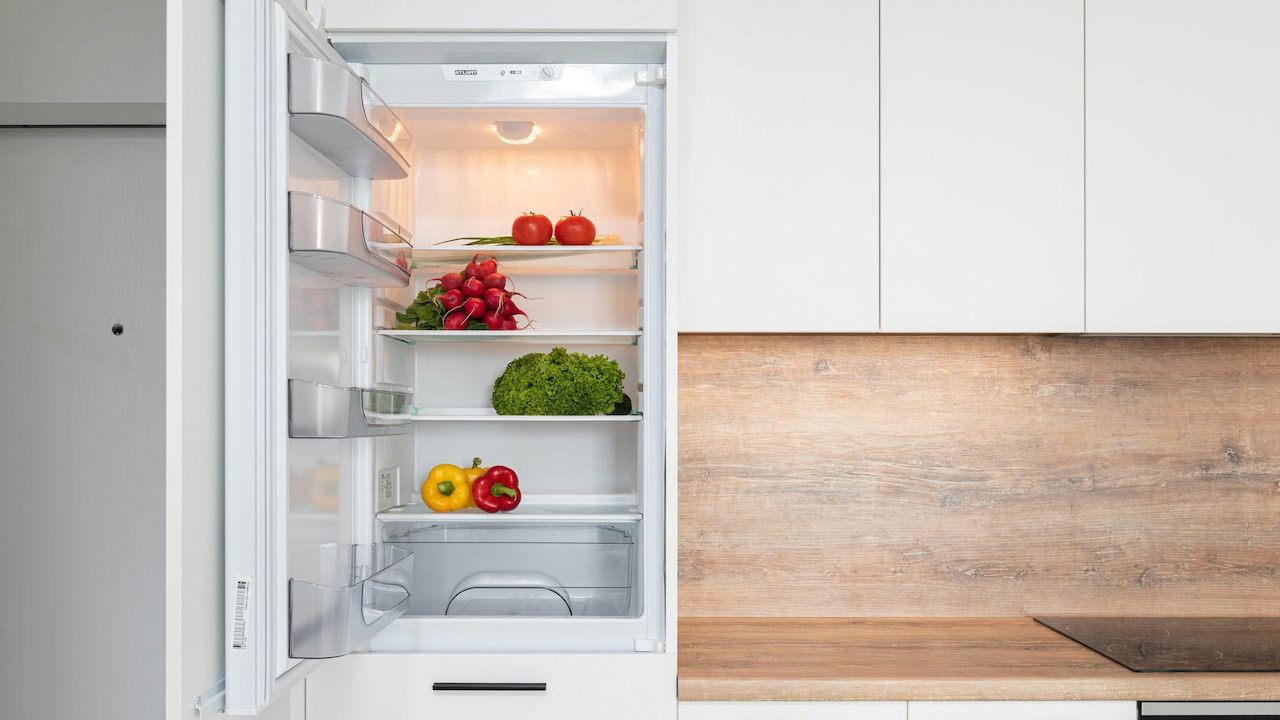
Convertible Freezer Refrigerators: Smart Space-Saving Solution Or Just A Costly Trend? Know Now.
Refrigerators rarely spark excitement. They sit quietly in kitchens, humming away, doing their duty without applause. Yet over the past few years, a new category has managed to turn this humble appliance into a conversation starter: convertible freezer refrigerators. Advertisements highlight flexibility, energy savings, and clever storage solutions designed for changing lifestyles. The idea sounds appealing. Why settle for fixed compartments when storage needs shift every week?
Urban homes grow smaller while grocery habits grow larger. Weekly supermarket trips replace daily market visits. Festive seasons bring sudden surges of sweets, leftovers, and frozen treats. Meanwhile, remote work has increased home cooking, turning refrigerators into overworked companions rather than simple storage boxes.
Against this backdrop, convertible refrigerators claim to solve modern kitchen struggles. A freezer that transforms into fridge space during peak usage sounds almost magical. Still, many buyers hesitate. Prices often climb beyond ₹35,000 or even ₹70,000 for premium models, raising an obvious question: is this innovation genuinely useful or simply clever marketing?
Understanding the answer requires looking beyond features listed on glossy brochures. Real value lies in everyday practicality, how appliances adapt to families, food habits, electricity costs, and unpredictable routines. The discussion ahead explores whether convertible freezer refrigerators truly deserve their growing popularity or whether they remain an expensive trend best admired from afar.
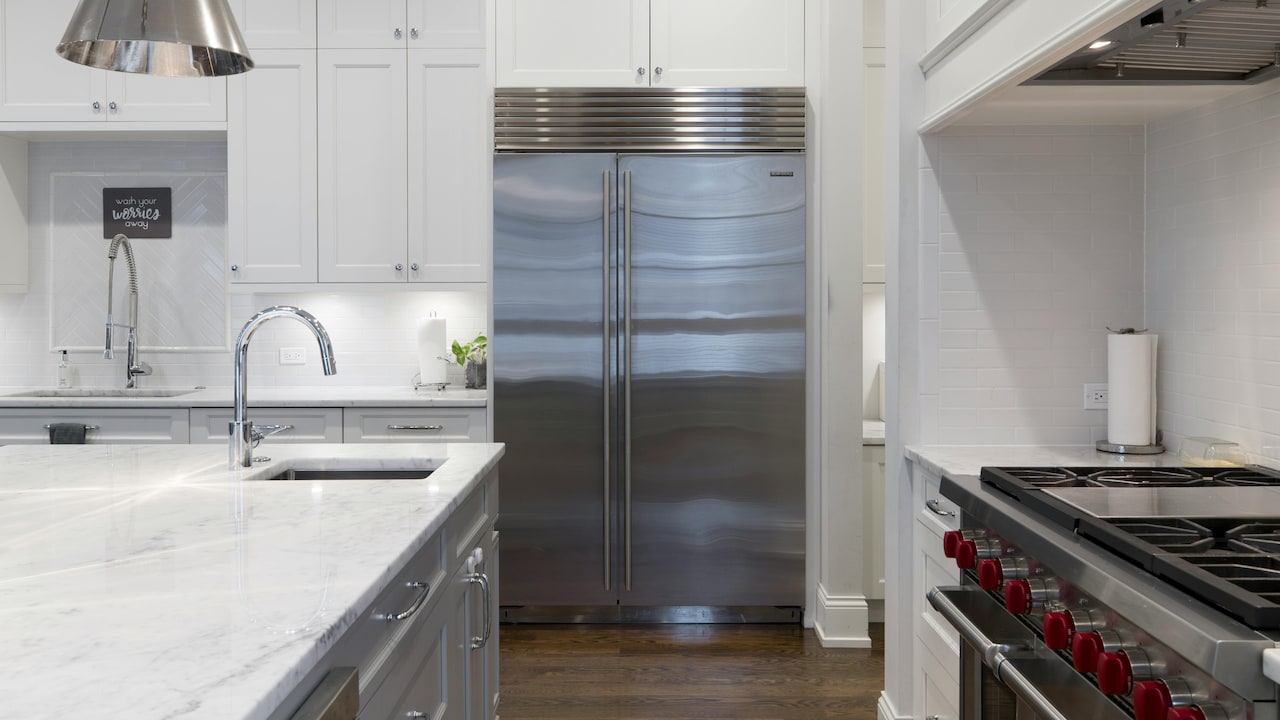
Convertible Freezer Refrigerators: Smart Space-Saving Upgrade; Photo Credit: Pexels
The Rise Of Flexible Appliances In Modern Kitchens
Kitchen appliances have quietly evolved alongside changing lifestyles. Earlier generations relied on simple single-door refrigerators because daily shopping kept storage needs modest. Today, packed schedules encourage bulk buying, meal preparation, and weekend cooking marathons. Appliances must now adjust to people rather than the other way around.
Convertible refrigerator technology emerged as a response to this shift. Manufacturers recognised that freezer space often goes unused except for ice trays and occasional frozen peas. At the same time, fresh food sections overflow after grocery runs or celebrations. The imbalance created frustration, wasted space, and food spoilage.
Flexible cooling zones aim to solve that mismatch. By allowing compartments to switch between freezer and refrigerator modes, these appliances promise adaptability. During regular weeks, users keep frozen storage intact. Before festivals or family gatherings, extra fridge space appears at the press of a button.
The concept reflects broader trends in home design. Modular furniture, foldable dining tables, and multi-purpose rooms dominate urban living. Appliances now follow similar logic: do more with less space. This adaptability appeals especially to apartment dwellers, where every square foot matters.
However, innovation often arrives wrapped in marketing hype. A feature may sound revolutionary yet offer limited practical benefit for certain households. Understanding whether flexibility translates into genuine convenience requires examining how people actually use refrigerators daily rather than imagining ideal scenarios.
Understanding How Convertible Technology Actually Works
Despite sounding complex, convertible refrigerator technology relies on surprisingly straightforward engineering. Traditional refrigerators maintain separate cooling systems for freezer and fridge compartments, each fixed at specific temperatures. Convertible models introduce adjustable airflow and sensors that modify cooling intensity.
When conversion mode activates, the freezer compartment reduces its temperature range from freezing levels to refrigeration levels. Fans redistribute cold air, while digital controls maintain stable conditions suitable for dairy, vegetables, or leftovers. Some advanced models even offer multiple presets such as holiday mode, party mode, or seasonal cooling.
The simplicity of operation often surprises first-time users. A touch panel or smartphone app handles adjustments within seconds. Temperature stabilisation usually takes a few hours, meaning planning ahead becomes part of the routine.
The technology also includes safeguards. Compressors work differently depending on the selected mode, preventing unnecessary energy use. Many models rely on inverter compressors that adjust speed rather than switching fully on or off, reducing noise and electricity consumption.
Still, expectations must remain realistic. Conversion does not transform the appliance into two independent refrigerators. Space remains physically limited, and frequent switching may reduce efficiency if done excessively. Understanding these mechanics helps buyers appreciate both strengths and limitations rather than assuming limitless flexibility.
Technology succeeds when it simplifies life, not when it adds complexity. For many households, the real test lies in whether this adjustment process becomes intuitive or merely another feature forgotten after the first month.
Also Read: The Ultimate Guide To Choosing The Right Refrigerator For Your Family
Space Management: A Blessing For Compact Homes?
Space scarcity defines modern housing layouts. Kitchens often prioritise efficiency over size, leaving little room for bulky appliances. Convertible refrigerators position themselves as space-saving heroes, promising greater storage without increasing footprint.
Imagine a typical weekend grocery haul: vegetables stacked precariously, leftover curry containers competing with milk packets, and fruit baskets threatening collapse. Traditional fridge layouts struggle during such moments because freezer space remains underused. Convertible modes temporarily solve this imbalance by reallocating storage where needed most.
For smaller households, this flexibility reduces the temptation to buy oversized refrigerators. Instead of upgrading to a massive double-door model costing ₹90,000 or more, a mid-range convertible unit offers adaptable storage within a manageable size and budget.
The benefit becomes especially visible during festive seasons. Sweets, beverages, and prepared dishes multiply rapidly, turning refrigerators into puzzle boards. Extra cooling space prevents spoilage and reduces last-minute stress.
However, not every household faces constant space challenges. Families that rely heavily on frozen foods may rarely switch modes. In such cases, convertible features offer little advantage over conventional designs.
Space management, therefore, depends less on appliance capability and more on lifestyle patterns. For some kitchens, conversion feels like discovering hidden storage. For others, it remains an occasionally useful trick rather than a daily necessity.
Energy Efficiency And Electricity Bills: Myth Or Reality?
Electricity consumption remains a major concern when choosing appliances, especially in cities where summer temperatures push refrigerators into overdrive. Convertible refrigerators often claim improved efficiency through inverter technology and adaptive cooling.
In theory, the concept makes sense. Running a freezer at extremely low temperatures consumes more energy than maintaining regular cooling. When converted into fridge mode, energy demand decreases, potentially lowering monthly bills.
Manufacturers highlight energy ratings and smart sensors that detect door openings, internal temperature changes, and usage patterns. These systems adjust compressor speed to maintain efficiency. Over time, savings could offset higher purchase costs, particularly for models priced above ₹50,000.
Real-world results, however, vary widely. Energy savings depend heavily on user behaviour. Frequent mode switching or overloading compartments can reduce efficiency gains. Poor ventilation around the appliance also forces compressors to work harder.
Many households notice modest reductions rather than dramatic changes in electricity bills. The savings feel gradual rather than revolutionary. Still, quieter operation and consistent cooling often enhance perceived value even when monetary savings remain small.
Energy efficiency, therefore, represents a partial advantage rather than a guaranteed financial breakthrough. Buyers expecting instant bill reductions may feel disappointed, while those seeking incremental improvements often appreciate the technology's subtle benefits.
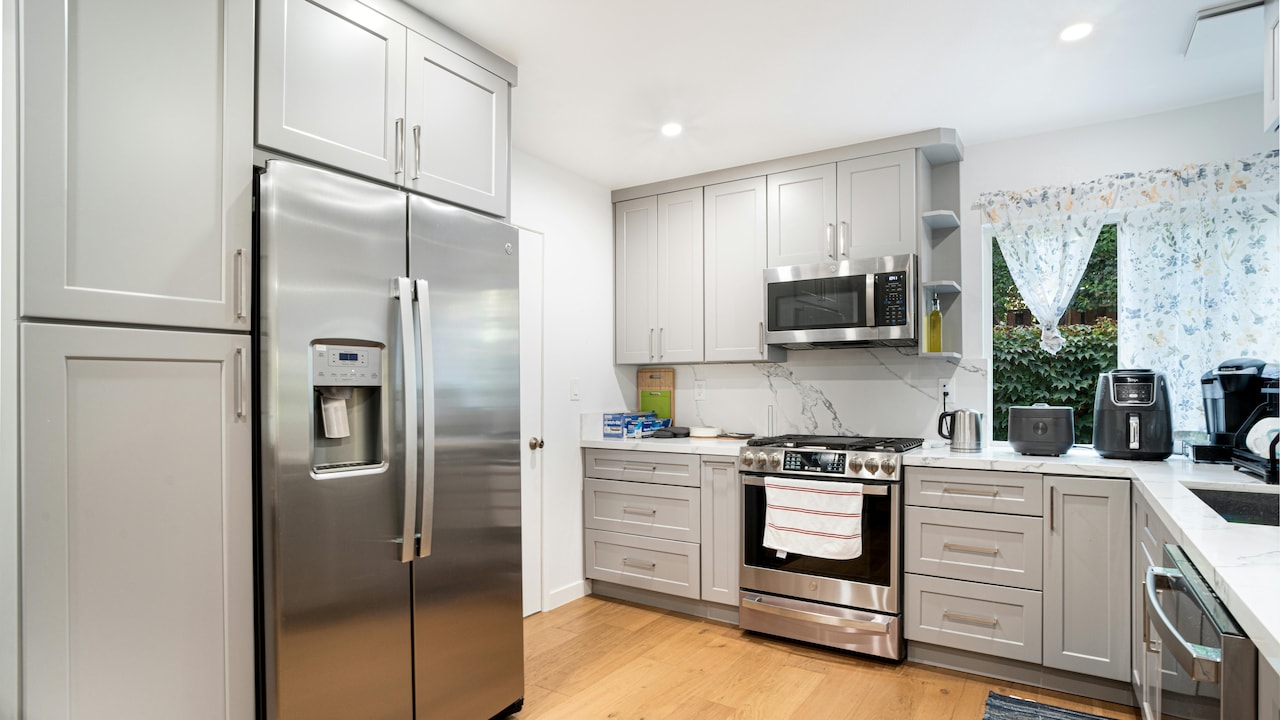
Convertible Freezer Refrigerators: Smart Space-Saving Upgrade; Photo Credit: Pexels
Convenience During Festivals And Large Gatherings
Few situations test refrigerator capacity like festive celebrations or extended family visits. Kitchens transform into production zones filled with desserts, snacks, marinades, and beverages. Storage needs expand overnight, exposing the limitations of fixed compartments.
Convertible refrigerators shine brightest during these moments. Extra fridge space accommodates trays of sweets, chilled drinks, and prepared dishes without forcing awkward rearrangements. Hosts avoid stacking containers dangerously or relying on neighbours' refrigerators for overflow storage.
The psychological comfort matters as much as physical space. Knowing additional storage exists reduces planning stress. Cooking ahead becomes easier, allowing more time for celebrations rather than last-minute kitchen chaos.
Consider a household preparing for a wedding ceremony or a festival gathering. Temporary expansion of cooling capacity prevents food wastage, which carries both financial and emotional costs. Spoiled dishes worth ₹3,000 or ₹5,000 quickly justify the convenience of flexible storage.
Yet this advantage appears seasonal. Outside special occasions, the conversion mode may remain unused for weeks. Some buyers later realise they paid extra for benefits experienced only a few times each year.
The feature, therefore, resembles a spare room in a home, extremely valuable when needed, quietly dormant otherwise. Whether that occasional usefulness justifies investment depends entirely on lifestyle priorities and frequency of gatherings.
Food Preservation And Freshness: Marketing Claim Or Genuine Benefit?
Freshness remains the heart of refrigeration. Beyond storage capacity, buyers expect vegetables to stay crisp and milk to last longer. Convertible refrigerators claim improved preservation through precise temperature control and airflow management.
Advanced sensors monitor humidity and cooling distribution, preventing uneven temperatures that cause premature spoilage. Some models include dedicated modes for vegetables or dairy, adjusting cooling intensity accordingly. These refinements help maintain consistent freshness, particularly during seasonal weather fluctuations.
Users often notice reduced frost buildup and fewer odours mixing between compartments. Stable temperatures protect delicate foods like berries and leafy greens, which struggle in inconsistent cooling environments.
However, freshness improvements stem largely from overall modern refrigerator design rather than conversion capability alone. High-quality traditional refrigerators with similar inverter technology may deliver comparable results without convertible features.
Proper usage also plays a critical role. Overpacking shelves blocks airflow, while frequent door openings disrupt cooling regardless of appliance sophistication. Technology assists preservation but cannot replace mindful storage habits.
The genuine benefit lies in flexibility combined with consistent cooling rather than miracle freshness. Buyers expecting dramatically longer food life may overestimate the difference, yet many appreciate subtle improvements that reduce weekly food waste and grocery expenses over time.
Cost Versus Value: Is The Premium Justified?
Price often determines whether curiosity turns into purchase. Convertible refrigerators usually cost ₹8,000 to ₹20,000 more than comparable non-convertible models. This difference raises understandable hesitation.
Value depends on the frequency of use. Households that regularly host gatherings, cook in bulk, or adjust storage needs seasonally often find the investment worthwhile. The appliance adapts alongside changing routines, extending its usefulness over several years.
On the other hand, buyers drawn mainly by novelty may experience regret. If the conversion mode remains unused, the additional expense feels unnecessary. Traditional refrigerators already perform core functions reliably at lower prices.
Durability also influences value perception. Many convertible models include advanced electronics and digital panels, which may increase repair costs after warranty periods. Reliable servicing availability becomes an important consideration before purchase.
Still, long-term satisfaction often arises from convenience rather than financial calculation alone. A feature that reduces daily frustration can feel priceless even if savings remain modest.
The decision ultimately resembles choosing a smartphone with extra features. Some users embrace versatility, while others prefer simplicity. Neither choice proves universally correct; value emerges from alignment between appliance capability and real household needs.
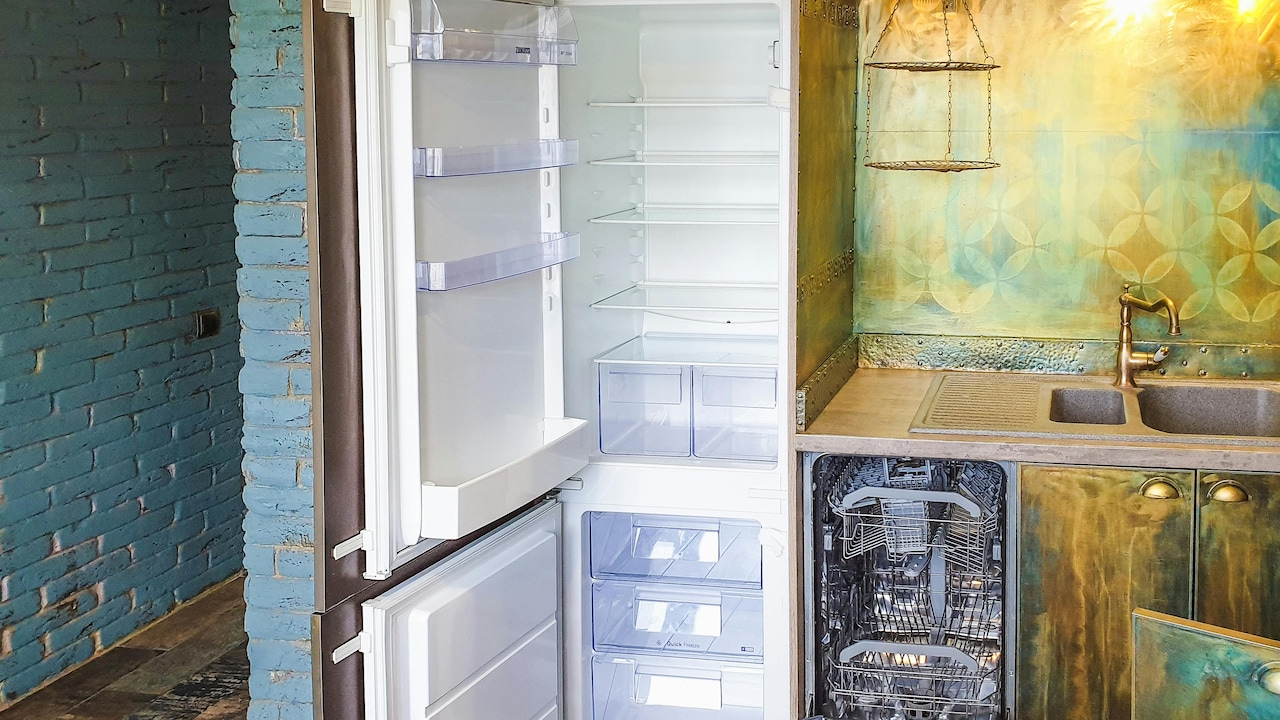
Convertible Freezer Refrigerators: Smart Space-Saving Upgrade; Photo Credit: Pexels
Maintenance, Reliability, And Everyday Practicality
Modern appliances promise intelligence, yet complexity sometimes introduces new challenges. Convertible refrigerators rely on sensors, electronic controls, and digital displays that require proper care and stable power conditions.
Maintenance remains largely similar to conventional refrigerators: periodic cleaning, ensuring ventilation space, and avoiding overloading. However, users must also learn basic control settings to avoid accidental mode changes that disrupt cooling.
Voltage fluctuations, common in many areas, can affect sensitive electronics. Investing in a stabiliser or choosing models with built-in protection becomes essential for long-term reliability.
Service accessibility also matters. Well-known brands typically provide wider support networks, reducing anxiety if repairs become necessary. Replacement parts for advanced models may cost more, though inverter compressors often last longer due to smoother operation.
Daily practicality often surprises sceptical buyers. Once familiar with controls, conversion becomes effortless. Many households gradually integrate the feature into routine usage, switching modes before large grocery trips or holidays.
Reliability concerns, therefore, depend less on technology itself and more on maintenance awareness and brand support. With proper care, convertible refrigerators function as dependable kitchen companions rather than delicate gadgets.
Who Should Actually Consider Buying One?
Not every home benefits equally from convertible refrigeration. Understanding suitability prevents disappointment and unnecessary spending.
Households that cook frequently, store large quantities of fresh produce, or entertain guests regularly gain the most advantage. Flexible storage reduces clutter and adapts to fluctuating food habits. Families sharing living spaces also appreciate the ability to reorganise cooling zones during busy periods.
Young professionals living alone may also enjoy the adaptability. During quieter weeks, freezer mode handles frozen meals; during health-focused phases, expanded fridge space accommodates fresh ingredients and meal prep containers.
Conversely, people who rely heavily on frozen foods or maintain predictable storage patterns may find little reason to switch modes. Simpler refrigerators meet their needs efficiently without additional complexity.
Budget-conscious buyers prioritising durability over features might prefer investing savings elsewhere in the kitchen. After all, reliability often outweighs innovation in long-term satisfaction.
Choosing wisely involves an honest assessment of lifestyle rather than chasing trends. Appliances should match routines, not aspirations shaped by advertising. When flexibility aligns with real usage patterns, convertible refrigerators transform from luxury into a practical upgrade.
Products Related To This Article
1. Samsung 653 L, 3 Star, Frost Free, Double Door
2. Haier 325 L 3 Star Frost Free Bottom Mount Double Door Refrigerator
3. LG 272 L 3 Star Frost-Free Smart Inverter Compressor Double Door Refrigerator
4. Godrej 244 L 4 Star | AI Powered | Convertible Freezer 6-In-1
5. Bosch MaxFlex Convert 302L 3 Star Inverter Frost Free Triple Door Refrigerator
Convertible freezer refrigerators occupy an interesting space between innovation and practicality. They do not revolutionise refrigeration, yet they introduce meaningful flexibility that suits evolving lifestyles and compact living spaces.
For households juggling changing storage needs, frequent gatherings, and bulk grocery habits, the technology offers genuine convenience. Extra cooling space appears exactly when required, reducing food waste and everyday frustration. Energy efficiency improvements and quieter operation add further appeal, even if savings remain gradual rather than dramatic.
At the same time, the feature risks becoming overrated when purchased without a clear purpose. Higher prices, occasional complexity, and limited usage can diminish perceived value. Traditional refrigerators still perform brilliantly for many homes, proving that innovation does not automatically equal necessity.
Ultimately, convertible refrigerators represent a smart upgrade for the right user rather than a universal must-have. The decision rests not on trends or advertisements but on honest reflection about daily habits. When chosen thoughtfully, this adaptable appliance becomes less of a gimmick and more of a quietly dependable ally in the rhythm of modern kitchen life.
(Disclaimer: This article may include references to or features of products and services made available through affiliate marketing campaigns. NDTV Convergence Limited (“NDTV”) strives to maintain editorial independence while participating in such campaigns. NDTV does not assume responsibility for the performance or claims of any featured products or services.)