Drill-Free Shelves Breaking Too Soon? Common Mistakes And Smart Fixes You Need To Know
Drill-free shelves often fail due to simple mistakes like poor surface prep, overloading, or humidity. Learn what goes wrong and discover practical fixes to keep your shelves secure and long-lasting.
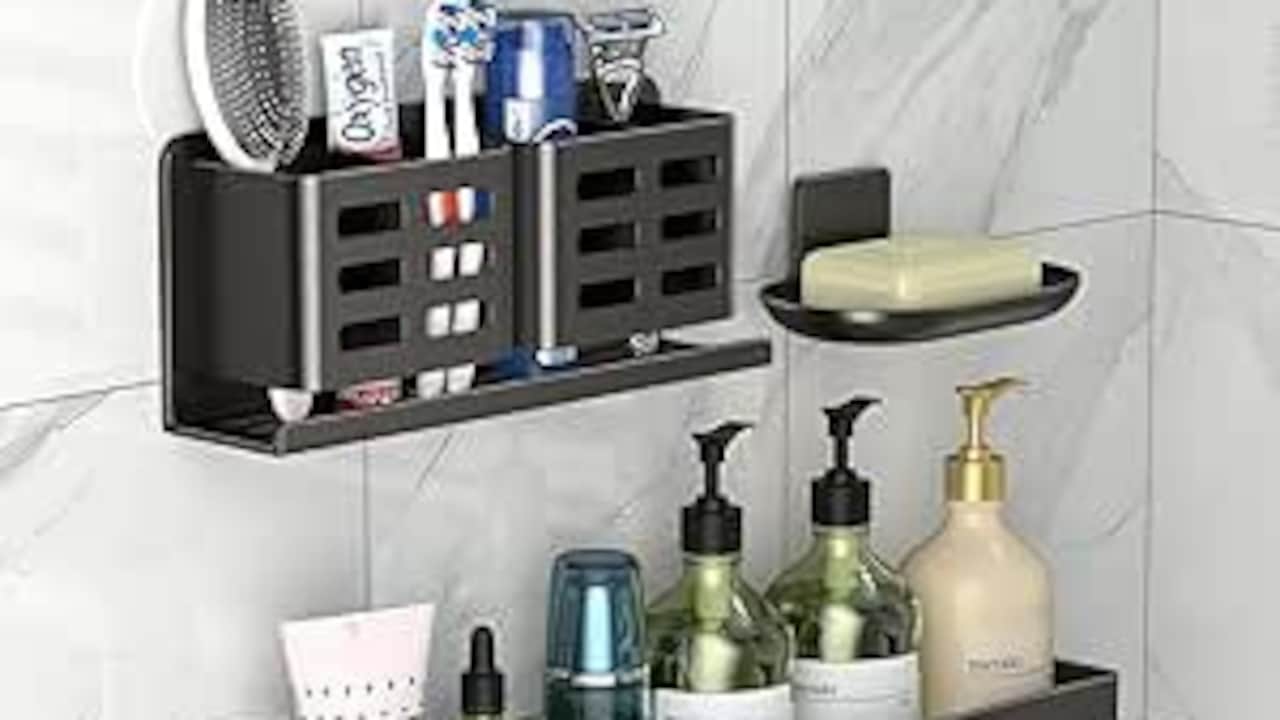
Why Your Drill-Free Shelves Keep Falling: And How to Fix Them for Good
Drill-free shelves arrived like a blessing for renters, minimalists, and anyone tired of noisy drilling sessions on a lazy Sunday afternoon. The idea feels perfect, no dust, no permanent damage, and a setup that takes less time than making a cup of chai. Yet, reality often paints a different picture. Shelves tilt, adhesives peel, and suddenly that carefully arranged décor lands on the floor with a thud that echoes both physically and emotionally.
Many households have faced this exact scenario. A shelf that seemed sturdy on day one begins to sag within weeks. The disappointment builds, especially after trusting glossy packaging that promised “strong hold” and “long-lasting support.” The problem, however, rarely lies with the concept itself. More often, it comes down to small oversights, unsuitable surfaces, or unrealistic expectations.
Understanding these pitfalls can turn frustration into success. With the right approach, drill-free shelves can actually last, hold weight reliably, and even become a clever part of everyday living. It all begins with knowing what goes wrong and how to fix it smartly.
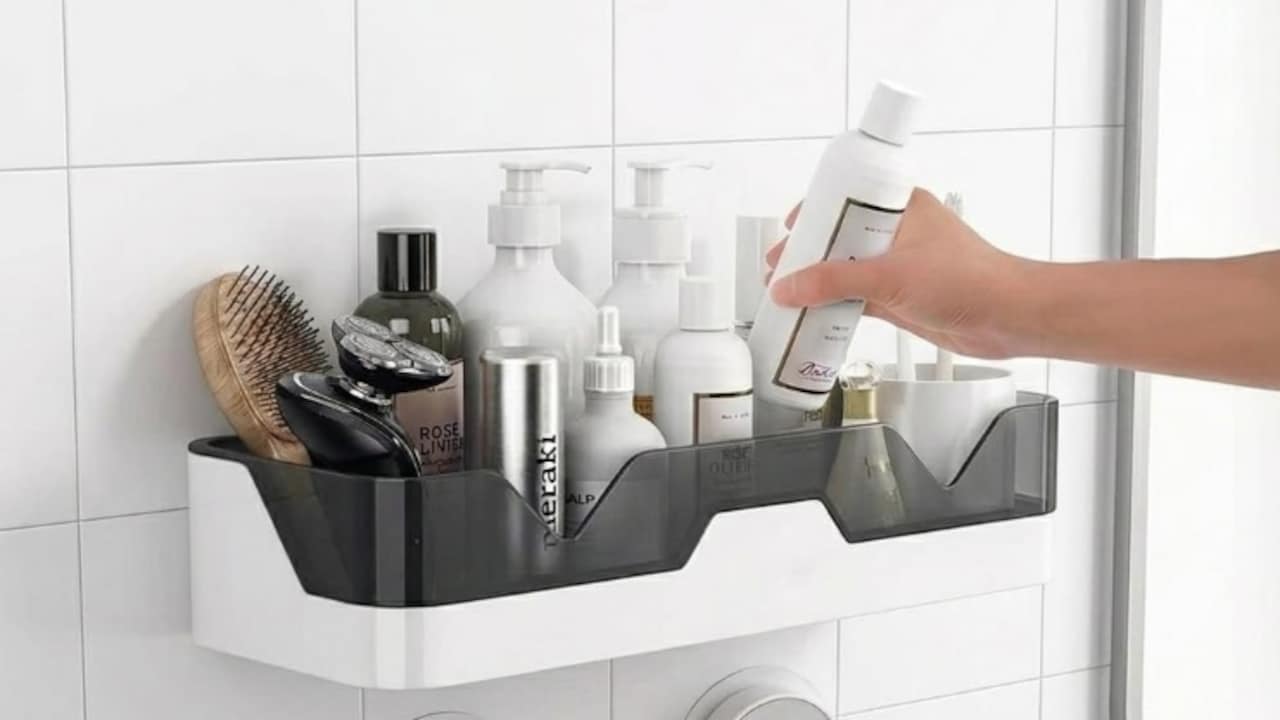
Why Your Drill-Free Shelves Keep Falling: And How to Fix Them for Good; Photo Credit: Amazon
Why Drill-Free Shelves Fail So Often: And What Most People Overlook
Ignoring Wall Surface Compatibility
Walls look solid, but not all surfaces behave the same way when it comes to adhesive bonding. Smooth tiles, polished marble, and glass tend to support drill-free shelves well. Rough plaster, dusty paint, or slightly damp surfaces, on the other hand, resist adhesion like a stubborn stain.
Many installations fail simply because the wall wasn't suitable in the first place. A freshly painted wall might seem ideal, but paint layers can peel under pressure. Similarly, textured finishes create tiny air gaps, weakening the grip.
A quick surface test can save both time and money. Pressing adhesive strips onto a small area first offers a fair idea of how well it will hold. Cleaning the surface with a dry cloth or mild spirit solution ensures no invisible dust interferes.
Choosing the right spot matters as much as choosing the right shelf. A slightly smoother patch can make the difference between a shelf that lasts months and one that collapses within days.
Skipping Proper Surface Preparation
Rushing the process often leads to regret. Installing a shelf straight out of the box without cleaning the wall feels convenient, but adhesives require a spotless surface to work effectively.
Grease, moisture, and even fine dust particles reduce bonding strength. Kitchen walls, especially near stoves, often carry an invisible layer of oil residue. Bathrooms add another layer of challenge with humidity and water splashes.
A simple wipe-down with rubbing alcohol or a gentle cleaner ensures the adhesive gets a firm grip. Waiting for the wall to dry completely before installation is equally important. Even slight dampness weakens adhesion over time.
Think of it like applying a bandage. It sticks best on clean, dry skin. The same logic applies here. Spending a few extra minutes preparing the surface can extend the shelf's lifespan significantly, avoiding that dreaded crash in the middle of the night.
Also Read: How To Pick Space-Saving Shelves That Do Not Wobble Or Look Cluttered
Overloading Beyond Capacity
Packaging often lists weight limits, but enthusiasm tends to ignore those numbers. A shelf meant for 3 kg quietly ends up holding books, decorative items, and sometimes even a small plant pot. It looks fine at first, until gravity steps in.
Overloading remains one of the most common reasons shelves fail. Adhesives work within limits, and pushing beyond them creates stress that slowly weakens the bond.
A better approach involves understanding real-world weight. A stack of textbooks can easily cross 5 kg, while a few ceramic jars may seem light but add up quickly.
Spreading weight evenly helps, too. Concentrating heavy items in one corner creates an imbalance, making the shelf tilt and eventually detach.
Treating the weight limit as a strict boundary rather than a suggestion ensures longer-lasting results. It also prevents the awkward moment of picking broken items off the floor and wondering what went wrong.
Installing On Damp Or Humid Walls
Humidity quietly undermines even the strongest adhesives. Coastal weather, monsoon seasons, and steamy bathrooms create conditions where adhesive bonds struggle to stay intact.
Walls that feel slightly cool or damp to the touch often indicate the presence of moisture. Installing shelves in such conditions reduces their lifespan dramatically. Over time, moisture seeps between the adhesive and the wall, weakening the hold.
Bathrooms present a particular challenge. Steam from hot showers builds up quickly, affecting even well-installed shelves. Kitchen areas near sinks also experience similar issues.
Using moisture-resistant adhesive products can help, but placement matters just as much. Installing shelves away from direct water exposure extends durability.
Allowing freshly cleaned or painted walls to dry completely before installation also makes a noticeable difference. Patience, in this case, works better than quick fixes.
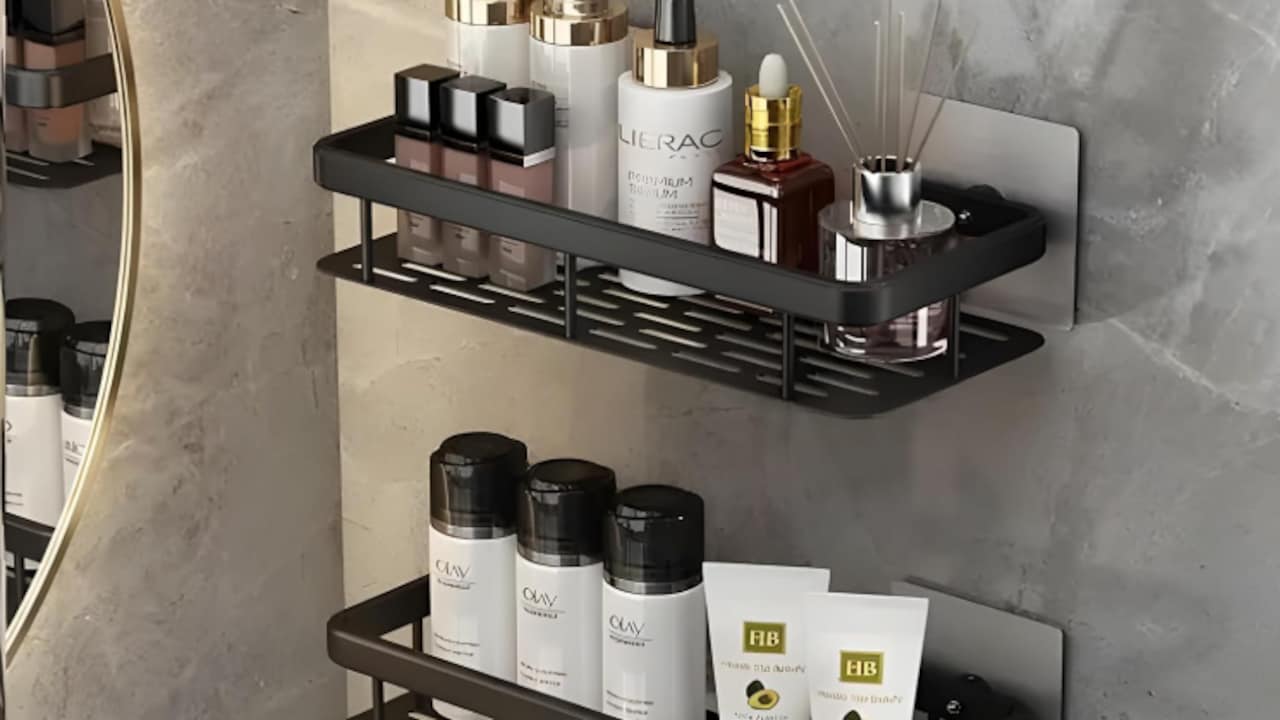
Why Your Drill-Free Shelves Keep Falling: And How to Fix Them for Good; Photo Credit: Amazon
Not Allowing Adhesive To Set Properly
One of the biggest mistakes happens right after installation. The shelf looks secure, so items go on it immediately. This impatience often leads to early failure.
Adhesives need time to cure. Most products recommend waiting 12 to 24 hours before placing any weight. Skipping this step prevents the adhesive from forming a strong bond.
It's similar to setting concrete. Disturbing it too soon weakens the entire structure. Adhesives behave comparably.
Letting the shelf sit untouched may feel inconvenient, especially when space is limited. However, this waiting period ensures the bond reaches its full strength.
Setting a reminder or installing shelves a day before actual use can help manage this delay. The extra patience pays off with a shelf that stays firmly in place instead of dropping unexpectedly.
Using Low-Quality Adhesive Products
Not all drill-free shelves are created equal. Budget options often compromise on adhesive quality, leading to disappointing results. While saving ₹200 or ₹300 might seem sensible at the time, it often results in replacement costs later.
High-quality adhesives offer better grip, durability, and resistance to environmental factors. Cheaper alternatives may look identical but lack the strength needed for consistent performance.
Reading product details, checking reviews, and opting for trusted brands can make a noticeable difference. It's not about choosing the most expensive option, but rather selecting something reliable.
A good shelf should feel sturdy even before installation. Weak plastic or flimsy adhesive strips often indicate compromised quality.
Spending slightly more upfront avoids repeated failures and frustration. It also protects belongings from unnecessary damage caused by falling shelves.
Incorrect Placement And Alignment
Even strong adhesives fail when shelves are installed unevenly. A slight tilt might not seem serious initially, but it creates uneven weight distribution over time.
When one side carries more load, the adhesive on that side weakens faster. Eventually, the shelf starts to sag and may detach completely.
Using a simple level tool during installation helps maintain balance. Marking points carefully before sticking the shelf ensures accuracy.
Placement height also matters. Installing shelves too high makes them harder to monitor, while very low placements expose them to accidental bumps.
Taking a few extra minutes to measure and align properly ensures both stability and visual appeal. A straight shelf not only looks better but also lasts longer under regular use.
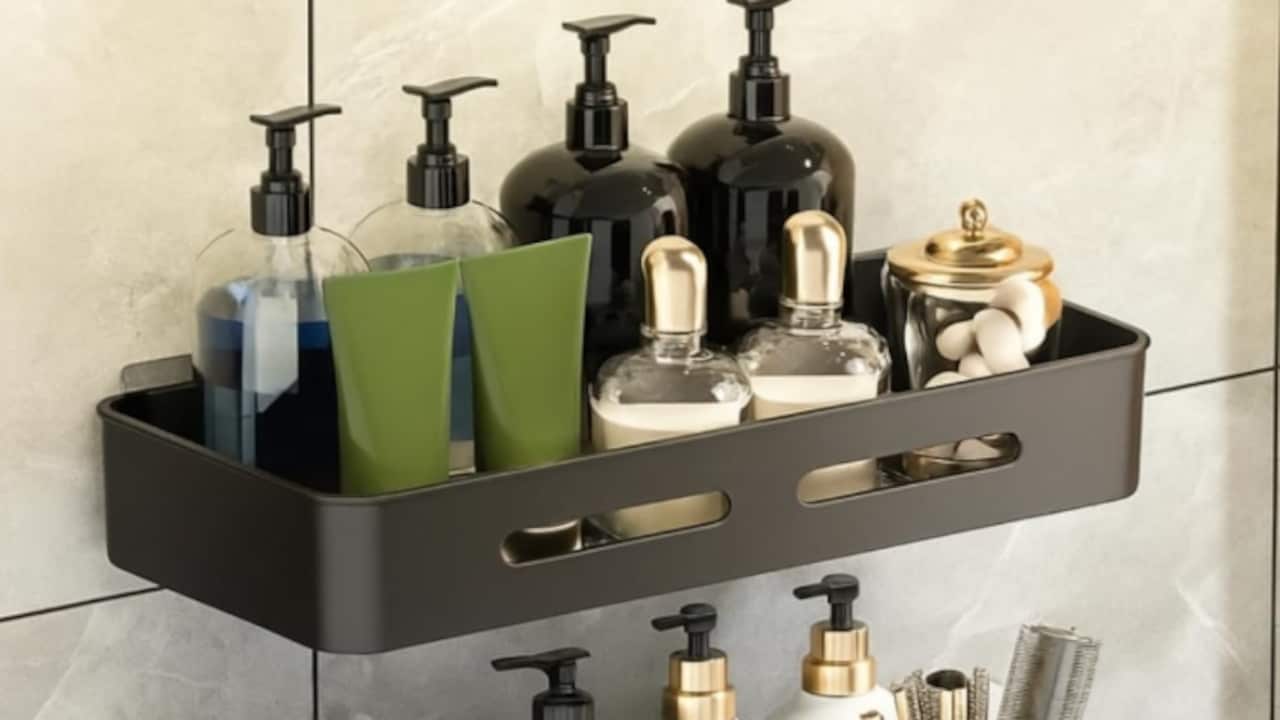
Why Your Drill-Free Shelves Keep Falling: And How to Fix Them for Good; Photo Credit: Amazon
Ignoring Temperature Changes
Temperature fluctuations affect adhesive strength more than most people realise. Extreme heat softens adhesive bonds, while cold conditions can make them brittle.
Rooms exposed to direct sunlight often experience temperature spikes during the day. This weakens the adhesive gradually, especially if the shelf holds moderate weight.
Air-conditioned spaces also create temperature differences that impact bonding over time. Adhesives expand and contract, leading to slow detachment.
Choosing a stable indoor location with minimal temperature variation helps maintain durability. Avoid placing shelves near windows that receive harsh sunlight throughout the day.
Understanding this subtle factor prevents confusion when shelves fail despite correct installation. Sometimes, the environment plays a bigger role than expected.
Neglecting Regular Checks And Maintenance
Once installed, shelves often get ignored until something goes wrong. Regular checks can prevent sudden failures and extend their life.
A quick inspection every few weeks helps identify early signs of trouble. Slight loosening, minor tilting, or adhesive edges peeling away indicate the need for action.
Reinforcing the adhesive or repositioning the shelf at this stage prevents complete detachment. Ignoring these warning signs often leads to sudden collapse.
Dust accumulation around adhesive edges also affects bonding. Keeping the area clean ensures better performance.
Maintenance doesn't require much effort, yet it significantly improves reliability. A few minutes of attention can save both time and money, along with avoiding the inconvenience of fallen items.
Expecting Drill-Free Shelves To Replace Heavy-Duty Fixtures
Drill-free shelves work brilliantly for lightweight storage, but expecting them to handle heavy-duty tasks sets them up for failure. They are not designed to replace traditional drilled fixtures meant for heavier loads.
Using them for bookshelves, heavy kitchen storage, or large decorative items often leads to disappointment. Their strength lies in convenience, not maximum load-bearing capacity.
Understanding their purpose helps set realistic expectations. They work best for toiletries, small décor items, or lightweight essentials.
For heavier needs, combining drill-free shelves with occasional drilled fixtures creates a balanced solution. This approach maintains flexibility without compromising safety.
Recognising these limits ensures better results and avoids repeated frustration. Sometimes, the smartest fix involves choosing the right tool for the job rather than forcing one solution to fit every need.
Products Related To This Article
1. JIALTO 2 Pcs Self Adhesive Bathroom Shelf for Wall
2. Frenchware Self Adhesive Kitchen Shelf, Drill-Free Metal Wall Rack
3. Wall-Mounted Shelf | No Drill | Bathroom Rack | Bedroom Organizer
4. JIALTO 1 Pcs Bathroom Accessories
5. Bathroom Shelf Without Drill
Drill-free shelves offer a clever, hassle-free way to organise spaces without damaging walls. When used correctly, they can transform small corners into functional storage areas with minimal effort. The problem rarely lies with the shelves themselves, but rather with how they are installed and used.
From surface preparation to weight management, each step plays a crucial role in ensuring success. Small oversights, like ignoring humidity or skipping curing time, often lead to big disappointments. On the flip side, a little patience and attention to detail can make these shelves surprisingly reliable.
Homes today demand flexible solutions, especially in spaces where permanent fixtures feel restrictive. Drill-free shelves fit perfectly into that lifestyle, provided expectations remain realistic.
With the right approach, they won't just stay up, they'll stay useful. And that quiet confidence, knowing everything will remain exactly where it belongs, makes all the difference.
(Disclaimer: This article may include references to or features of products and services made available through affiliate marketing campaigns. NDTV Convergence Limited (“NDTV”) strives to maintain editorial independence while participating in such campaigns. NDTV does not assume responsibility for the performance or claims of any featured products or services.)