Stop Replacing, Start Investing: How To Pick Cooking Gadgets That Stay Relevant
Stop wasting money on short-lived kitchen gadgets. Learn how to choose durable, practical tools that match daily cooking habits and deliver long-term value instead of clutter.
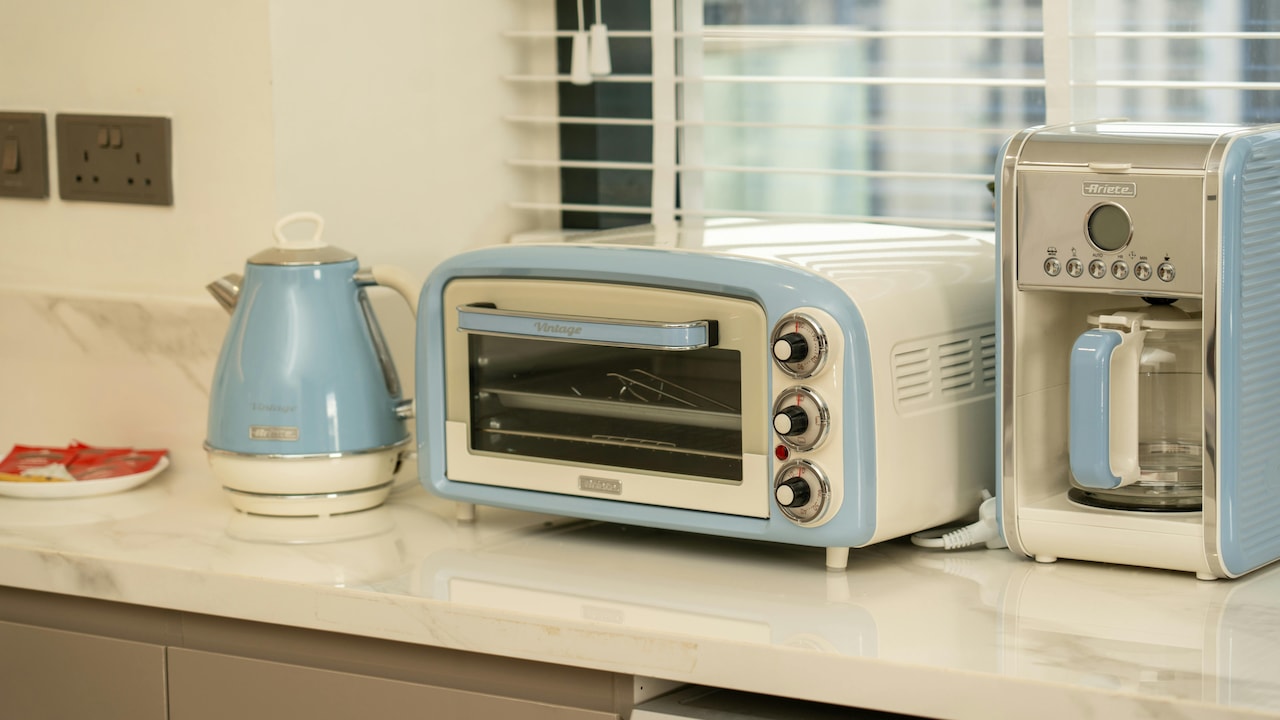
Stop Replacing Kitchen Gadgets: How to Choose Tools That Last for Years
A walk through any modern kitchen reveals more than cookware. It reflects habits, aspirations, and sometimes, a trail of regret. That shiny juicer was bought during a fitness phase. The air fryer that promised miracles but now gathers dust. The truth sits quietly in many homes: buying is easy, choosing wisely is harder. Yet, a well-equipped kitchen does not demand endless spending. It asks for something simpler, clarity. The difference between replacing and investing lies in understanding what truly earns a permanent place. A reliable gadget becomes part of daily life, not a passing trend. It adapts, performs, and justifies every rupee spent. This shift in mindset matters more than ever. Prices rise, space shrinks, and time feels tighter. A thoughtful purchase today can save both money and frustration tomorrow. The goal is not to own more, but to own better.
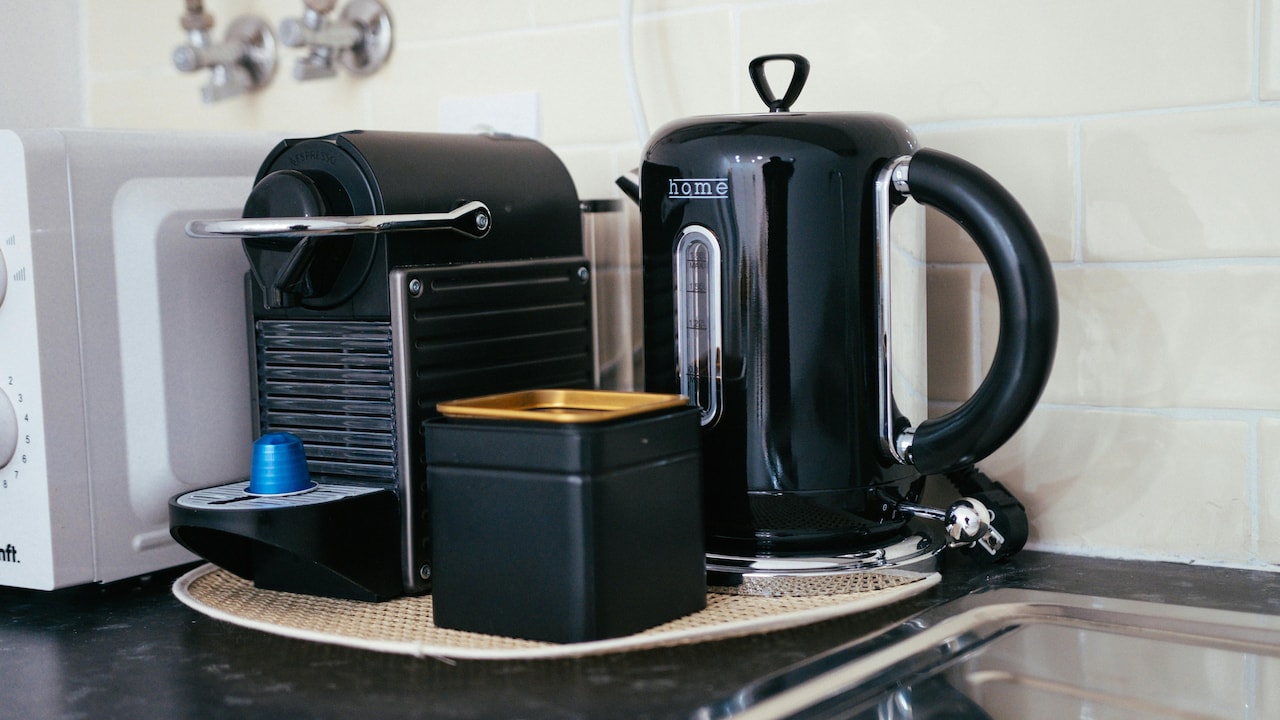
Stop Replacing Kitchen Gadgets: How to Choose Tools That Last for Years; Photo Credit: Pexels
Smart Choices That Turn Kitchen Gadgets Into Long-Term Investments
Understand Your Cooking Habits First
Before adding another gadget to the cart, pause and observe daily routines. A busy weekday kitchen looks very different from a leisurely Sunday cooking session. Some households rely heavily on quick breakfasts and reheated meals, while others enjoy elaborate cooking in the evenings. Buying without this clarity often leads to unused tools.
Consider how often certain dishes appear on the table. A rice cooker makes sense where rice is a staple, but a pasta maker may not earn its keep unless it becomes a weekly ritual. The same logic applies to blenders, mixers, and grills. Frequency matters more than novelty.
Many purchases happen during festive sales, driven by discounts rather than need. A ₹3,000 gadget that remains unused is far costlier than a ₹10,000 appliance used daily. Understanding habits prevents this trap. It grounds decisions in reality rather than impulse.
A kitchen works best when tools align with lifestyle. Not every trend deserves space on the counter. Some deserve admiration from afar.
Also Read: Upgrade Your Kitchen: 10 Kitchen Gadgets Alternatives
Prioritise Quality Over Features
Modern gadgets arrive loaded with buttons, modes, and promises. While these features sound impressive, they often distract from what truly matters: performance and durability. A simple appliance that works flawlessly beats a complicated one that fails in six months.
Focus on build quality. Materials such as stainless steel, sturdy plastic, and reliable motors tend to last longer. Flimsy components may reduce the price but increase long-term costs. A blender that struggles with daily use soon becomes frustrating.
Warranty and after-sales service also deserve attention. A product backed by strong service support offers peace of mind. Repairs should not feel like a treasure hunt.
Flashy features often fade into the background after a few uses. What remains is reliability. A well-built gadget quietly proves its worth every day. It does not need to impress; it simply works.
Look For Multi-Functionality With Purpose
Space comes at a premium in most kitchens. Gadgets that perform multiple tasks can help reduce clutter, but only when those functions are genuinely useful. A multi-functional appliance should simplify life, not complicate it.
Consider a mixer grinder that handles blending, grinding, and even light kneading. Such versatility makes it indispensable. On the other hand, a gadget with ten functions that require constant adjustments may become tedious.
The key lies in balance. Functions should feel intuitive and relevant. If switching between modes feels like operating a spaceship, the gadget may not survive daily use.
Well-designed multi-purpose tools save both space and money. Instead of buying separate devices, one dependable appliance can handle several tasks. The kitchen becomes more efficient, and mornings feel less chaotic. Practicality should always guide versatility.
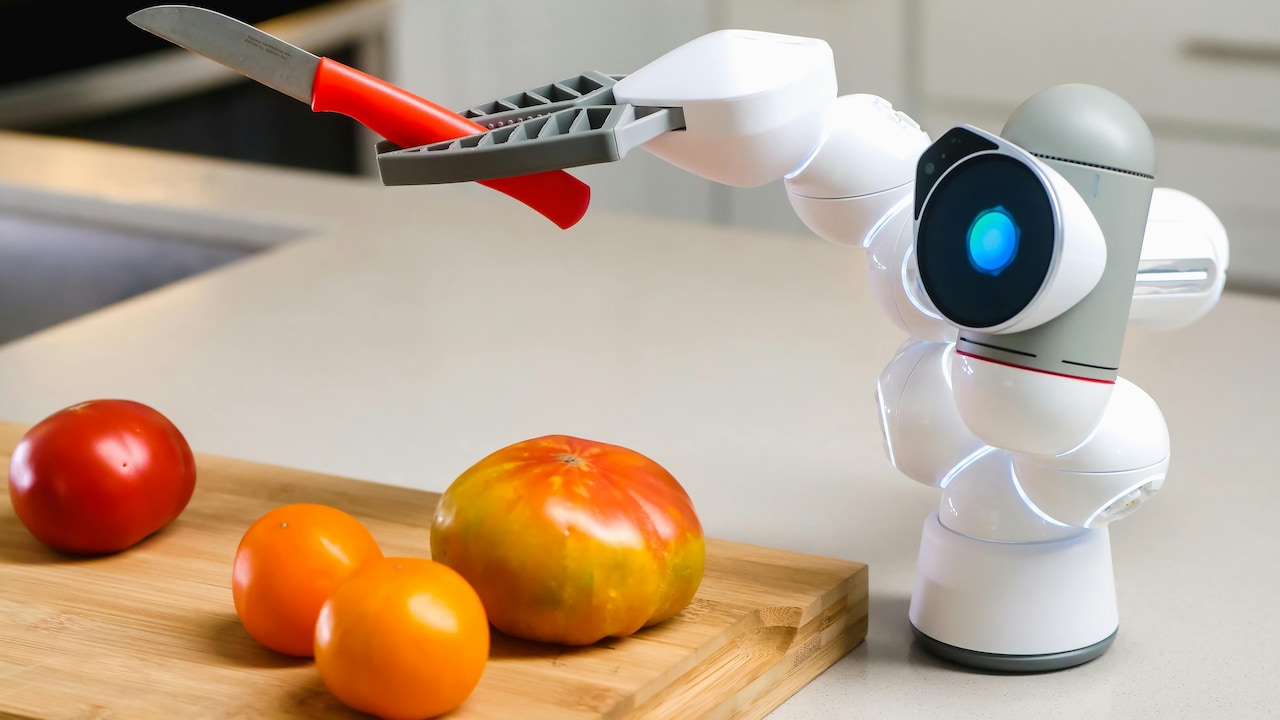
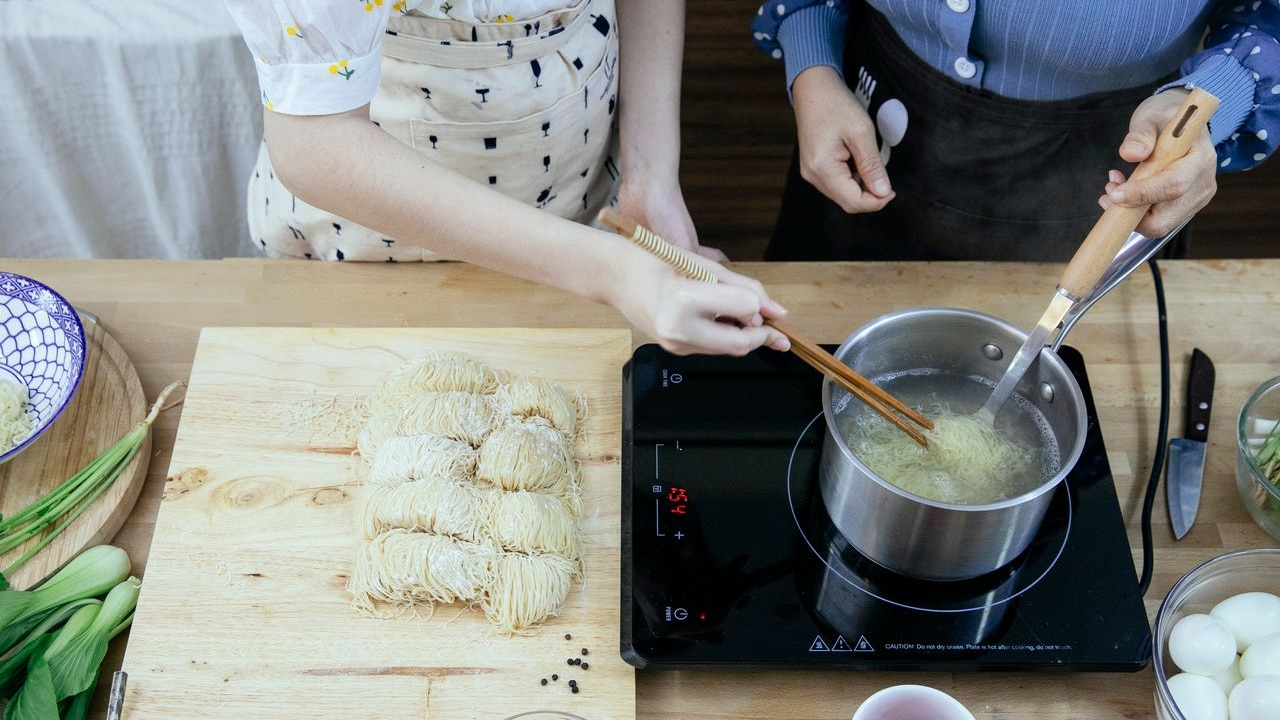
Stop Replacing Kitchen Gadgets: How to Choose Tools That Last for Years; Photo Credit: Pexels
Assess Ease Of Cleaning And Maintenance
Cooking does not end with the last dish served. Cleaning often determines whether a gadget becomes a favourite or a burden. Complex designs with hard-to-reach corners quickly lose appeal.
Appliances with detachable parts and smooth surfaces make cleaning easier. Dishwasher-safe components add another layer of convenience. A gadget that cleans up in minutes is more likely to be used regularly.
Maintenance also plays a role in longevity. Some devices require frequent servicing or special care. While this may not seem significant initially, it adds up over time.
A practical kitchen values ease. Tools should support cooking, not extend the workload. The simpler the cleaning process, the stronger the chances of long-term use.
Convenience often decides whether a gadget stays or disappears into storage.
Consider Energy Efficiency And Cost Over Time
The initial price tag tells only part of the story. Electricity consumption quietly shapes the real cost of any appliance. An energy-efficient gadget may cost slightly more upfront but saves money over months and years.
Frequent users, such as ovens or induction cooktops, deserve special attention. Choosing efficient models can reduce monthly bills without compromising performance.
In many homes, cooking gadgets run daily. Even small differences in energy usage add up. Over a year, savings can reach several thousand rupees.
This perspective shifts the focus from short-term expense to long-term value. Spending ₹8,000 on an efficient appliance may prove wiser than spending ₹5,000 on one that consumes more power.
Smart choices consider the full lifecycle, not just the moment of purchase.
Avoid Trend-Driven Purchases
Every year brings a wave of “must-have” kitchen gadgets. Social media fuels this cycle, turning ordinary tools into viral sensations. While some innovations prove useful, many fade quickly.
A gadget trending today may feel irrelevant in six months. Buying based on popularity often leads to disappointment. The excitement fades, and the gadget joins the growing list of unused items.
Instead, focus on timeless functionality. Tools that serve basic cooking needs rarely go out of style. A good knife, a reliable pan, or a sturdy mixer remains relevant regardless of trends.
Resisting the pull of hype requires discipline. It means asking a simple question: will this still matter a year from now?
If the answer feels uncertain, the purchase can wait.
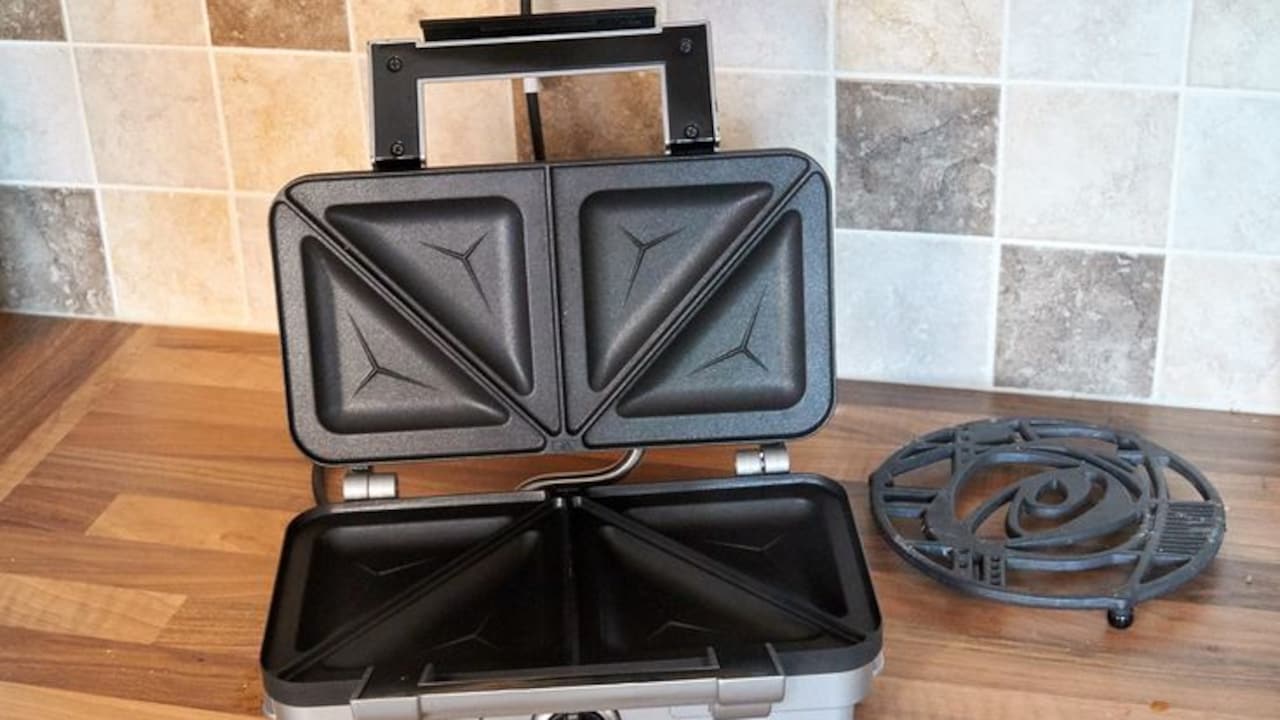
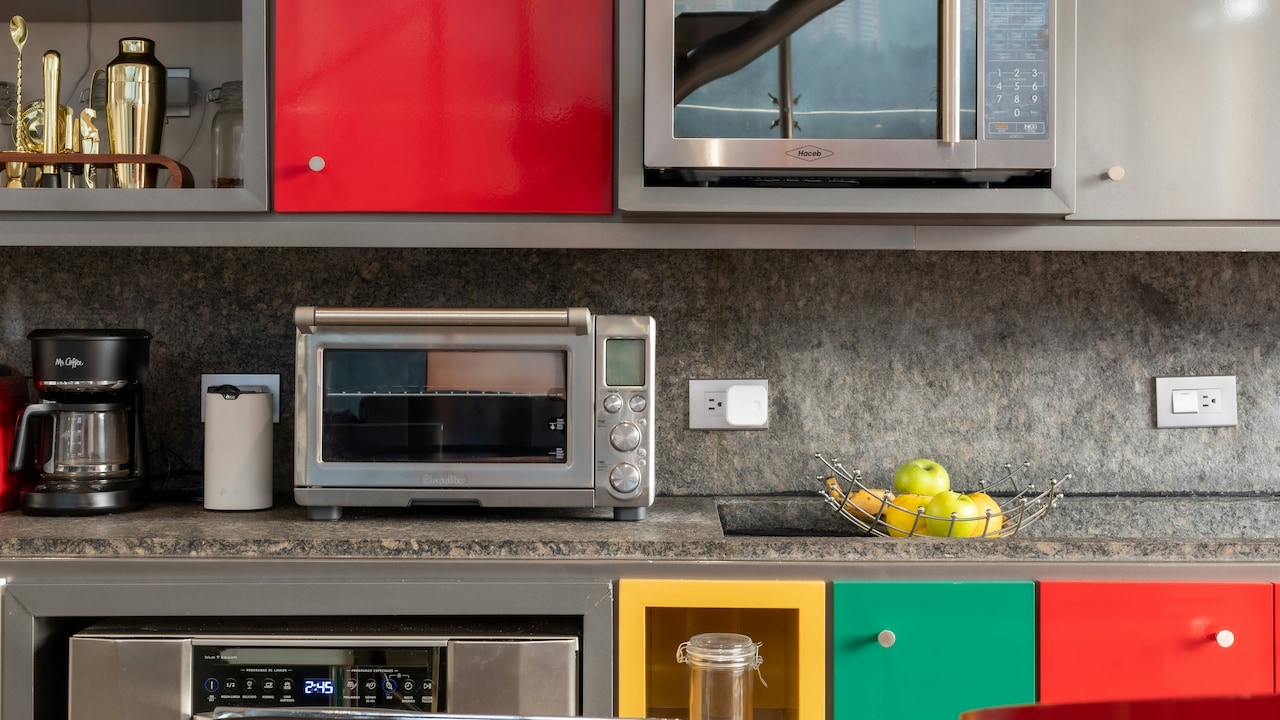
Stop Replacing Kitchen Gadgets: How to Choose Tools That Last for Years; Photo Credit: Pexels
Check Compatibility With Existing Setup
Not every gadget fits seamlessly into every kitchen. Size, power requirements, and compatibility with existing tools matter more than expected. A bulky appliance may struggle to find space, while incompatible plugs create inconvenience.
Before buying, consider storage and usage areas. Will the gadget stay on the counter or need to be stored away? Is there enough space to use it comfortably?
Compatibility extends beyond physical space. Some appliances work better with specific cookware or accessories. Ignoring this detail may limit their usefulness.
A well-integrated gadget feels like a natural addition. It blends into the kitchen without demanding constant adjustments. This harmony enhances both convenience and satisfaction.
Practical planning prevents regret.
Read Reviews With A Critical Eye
Online reviews offer valuable insights, but they require careful interpretation. Not every glowing review reflects genuine experience. Similarly, a few negative comments do not always indicate a flawed product.
Look for patterns rather than isolated opinions. Consistent feedback about durability, performance, or service often reveals the truth. Detailed reviews tend to be more reliable than short, generic ones.
User experiences also highlight real-world challenges. Issues such as noise levels, cleaning difficulty, or long-term reliability often appear in reviews but not in advertisements.
Taking time to read thoughtfully can prevent costly mistakes. It transforms guesswork into informed decision-making.
A few minutes of research can save thousands of rupees and plenty of frustration.
Think About Longevity And Repairability
A gadget's lifespan matters as much as its performance. Products designed for easy repair tend to last longer. Availability of spare parts and service centres plays a crucial role.
Disposable appliances may seem convenient but often lead to repeated spending. Repair-friendly designs, on the other hand, extend usability and reduce waste.
Consider brands known for durability and support. While the initial cost may feel higher, the long-term value often justifies the investment.
Longevity also reflects environmental responsibility. Fewer replacements mean less waste and a smaller footprint.
A thoughtful purchase today can remain useful for years. That sense of continuity adds quiet satisfaction to everyday cooking.
Balance Budget With Real Value
Budget constraints shape most decisions, yet focusing solely on price can be misleading. The cheapest option rarely delivers the best experience. At the same time, expensive does not always mean superior.
The goal lies in finding value. A gadget priced at ₹6,000 that lasts five years offers better value than one priced at ₹3,000 that fails within a year. This perspective shifts attention from cost to usefulness.
Sales and discounts provide opportunities, but they should not drive decisions. Buying only because something feels like a bargain often leads to clutter.
A balanced approach respects both budget and quality. It ensures that every purchase feels justified, not regretted.
Smart spending builds a kitchen that serves well without draining resources.
Products Related To This Article
1. Upliance 1.0 Smart Cooking Assistant
2. PHILIPS Air Fryer NA120/00
3. AGARO Grand Egg Boiler And Poacher
4. Pigeon Amaze Plus Electric Kettle 1.5 L
5. Prestige PGMFB 800 Watt Grill Sandwich Toaster with Fixed Grill Plates
6. CELLO Airmate Modular Air Fryer with 5MM Borosilicate Glass Bowl 4L
7. AGARO Elite Rechargeable Mini Electric Chopper
A kitchen filled with purposeful tools feels different. It runs smoother, wastes less, and reflects thoughtful choices. The shift from replacing to investing does not happen overnight. It grows with awareness, patience, and a willingness to question habits.
Every gadget has a story. Some tell tales of impulse and regret. Others become quiet companions, supporting daily routines without fuss. Choosing the latter requires clarity, understanding needs, valuing quality, and resisting fleeting trends.
In the end, a well-chosen gadget does more than cook food. It saves time, reduces stress, and adds a sense of reliability to everyday life. That is the real return on investment.
The next time a tempting offer appears, pause. Consider whether it deserves a place in the kitchen's story. The answer may not always be yes, and that, perhaps, is where true value begins.
(Disclaimer: This article may include references to or features of products and services made available through affiliate marketing campaigns. NDTV Convergence Limited (“NDTV”) strives to maintain editorial independence while participating in such campaigns. NDTV does not assume responsibility for the performance or claims of any featured products or services.)