Common Vacuum Cleaner Mistakes First-Time Buyers Make
Buying your first vacuum cleaner? Avoid these common mistakes that can lead to wasted money, poor performance and daily frustration. Learn what really matters before making a purchase.
Common Vacuum Cleaner Mistakes First-Time Buyers Make
A vacuum cleaner often begins as an exciting purchase. The promise of spotless floors, dust-free corners, and quicker cleaning sessions makes it feel like a worthwhile investment. However, many first-time buyers rush into the decision without fully understanding what they need. The result is often a machine that gathers dust rather than removes it. The challenge lies in the sheer number of options available. Walk into any electronics store or browse online, and dozens of models compete for attention. Some boast incredible suction power, while others focus on portability or advanced filtration. Marketing claims can make every machine seem perfect.
Common Vacuum Cleaner Mistakes First-Time Buyers Make
Photo Credit: Pexels
The truth is that the best vacuum cleaner depends entirely on the home it serves. A compact flat has different requirements from a large bungalow. A household with pets faces different cleaning challenges than one without. By recognising common mistakes before making a purchase, buyers can avoid costly regrets and choose a machine that genuinely makes life easier.
Common Vacuum Cleaner Mistakes First-Time Buyers Make
Choosing Price Over Practicality
One of the most common mistakes involves focusing entirely on price. Many first-time buyers either choose the cheapest model available or stretch their budget for the most expensive option, assuming cost automatically reflects suitability.
A low-cost vacuum may appear attractive initially, especially when trying to save money. However, poor suction, limited durability, and frequent maintenance can quickly make it an expensive choice in the long run. On the other hand, premium models often include features that many households never use.
A family living in a modest apartment may not need a machine designed for large multi-storey homes. Spending ₹35,000 on advanced technology when a reliable ₹10,000 model meets every requirement can feel unnecessary after the excitement fades.
A smarter approach focuses on value rather than price alone. Buyers should consider cleaning habits, floor types, and household size before comparing options. The right vacuum balances performance, durability, and affordability. A thoughtful purchase often proves far more satisfying than simply choosing the cheapest or most expensive model on the shelf.
Ignoring Floor Type Requirements
Not all vacuum cleaners perform equally on different surfaces. Unfortunately, many first-time buyers overlook this crucial detail.
A machine that excels on marble flooring may struggle on thick carpets. Similarly, a vacuum designed primarily for carpets may prove unnecessarily bulky for homes with hard flooring throughout. This mismatch often leads to disappointing cleaning results and wasted effort.
Consider a home with a combination of tiles, rugs, and wooden flooring. A vacuum lacking adjustable settings might clean one surface effectively while leaving dust behind on another. Over time, frustration grows, and the machine becomes less useful than expected.
Manufacturers usually specify the surfaces their models handle best. Yet buyers often focus on appearance, brand reputation, or discounts while skipping these details. Taking a few extra minutes to evaluate flooring needs can prevent years of inconvenience.
A vacuum cleaner should adapt to the home rather than force the homeowner to adapt to the machine. Matching the vacuum to the primary floor type remains one of the simplest ways to ensure better cleaning performance.
Overlooking Suction Power And Airflow
Many buyers become fascinated by wattage figures while ignoring the factors that truly affect cleaning performance. Higher wattage does not always mean stronger cleaning ability.
Suction power and airflow determine how effectively a vacuum removes dust, dirt, and debris. A machine may consume more electricity but still deliver average cleaning results if airflow remains weak.
Marketing labels often highlight impressive numbers because they catch attention quickly. However, practical performance matters more than technical specifications alone. A vacuum with balanced airflow and efficient suction can outperform a model boasting higher wattage.
Imagine sweeping up biscuit crumbs after a family gathering. A machine with poor suction may leave stubborn particles behind, requiring repeated passes. Meanwhile, a well-designed vacuum completes the task in seconds.
Understanding performance metrics helps buyers make informed decisions. Product demonstrations, reviews, and detailed specifications often reveal far more than promotional slogans. Looking beyond flashy numbers ensures the vacuum delivers genuine cleaning power where it matters most.
Also Read: Shop Rechargeable Blackhead Vacuum Remover Device On Amazon For Face Care
Forgetting About Dust Filtration
Dust does not simply disappear once collected. Without proper filtration, fine particles can escape back into the air and circulate throughout the home.
This issue becomes especially important for households with children, elderly family members, or individuals sensitive to dust. Yet many first-time buyers focus exclusively on suction power and neglect filtration systems altogether.
Modern vacuums often feature advanced filters designed to trap microscopic particles. These systems help maintain cleaner indoor air and improve overall hygiene. However, buyers sometimes select cheaper models without understanding the long-term impact.
Picture a room that appears clean immediately after vacuuming but still feels dusty an hour later. Poor filtration often causes this problem. The machine removes dirt from the floor only to release fine particles back into the environment.
Effective filtration contributes as much to cleanliness as suction itself. Buyers who pay attention to filter quality often enjoy fresher indoor spaces and fewer cleaning frustrations. It is a small detail that can make a remarkably big difference.
Buying A Vacuum That Is Too Heavy
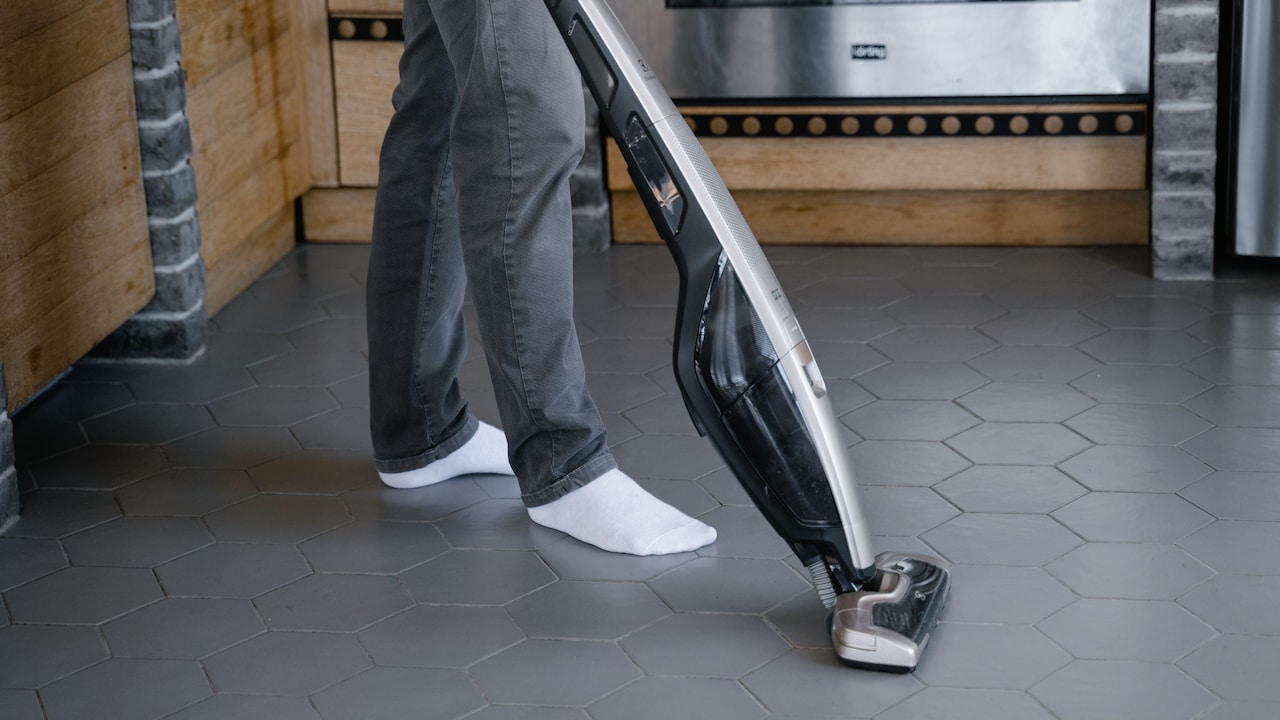
A vacuum cleaner might look impressive in a showroom, but daily use tells a different story. Weight plays a larger role than many first-time buyers realise.
A heavy machine can become a burden, particularly in homes with stairs or multiple rooms. What seems manageable during a brief demonstration may feel exhausting after several weeks of regular use.
Many buyers focus on power and overlook practicality. They assume a larger vacuum automatically offers better performance. While some heavier models deliver excellent results, portability remains equally important.
Imagine carrying a bulky machine from one floor to another every weekend. The task quickly loses its appeal. Eventually, cleaning sessions become shorter, less frequent, and more frustrating.
Lightweight models have improved significantly in recent years. Many now offer strong performance without excessive bulk. Choosing a vacuum that feels comfortable to move encourages consistent cleaning and reduces physical strain.
A machine should simplify household chores rather than turn them into a workout session. Comfort and convenience deserve careful consideration before making a purchase.
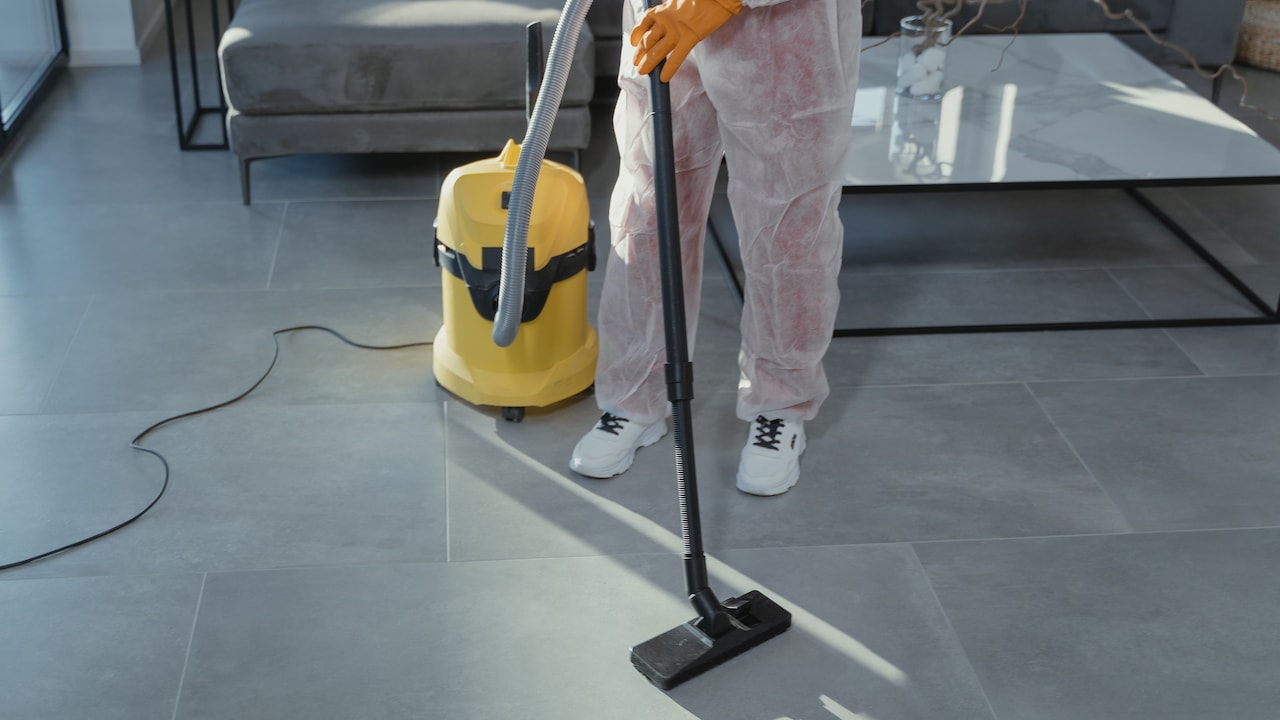
Common Vacuum Cleaner Mistakes First-Time Buyers Make
Photo Credit: Pexels
Neglecting Cord Length Or Battery Life
Few things interrupt cleaning momentum more effectively than a dying battery or a cord that refuses to reach the next room.
First-time buyers often become captivated by attractive designs and modern features while overlooking these practical considerations. Yet cord length and battery life directly influence daily usability.
Corded vacuums with limited reach require constant unplugging and repositioning. This may seem like a minor inconvenience at first, but it becomes frustrating over time. Similarly, cordless models with short battery life may struggle to complete larger cleaning tasks on a single charge.
Picture cleaning before guests arrive. Halfway through the process, the battery warning light appears. Suddenly, the convenient cordless vacuum feels far less convenient.
Assessing home size and cleaning routines helps determine the ideal option. Smaller homes may work perfectly with compact cordless units, while larger spaces often benefit from longer-lasting batteries or extended cord lengths.
Practical details frequently have the greatest impact on user satisfaction. Ignoring them can turn an otherwise excellent vacuum into a daily annoyance.
Failing To Consider Maintenance Costs
The purchase price represents only part of the total cost of ownership. Many first-time buyers forget to consider ongoing maintenance expenses.
Filters require replacement. Dust bags need replenishing. Certain components wear out over time. These recurring costs can significantly affect long-term value.
A vacuum that appears affordable initially may become surprisingly expensive once replacement parts enter the equation. Some specialised filters and accessories cost considerably more than buyers expect.
For example, spending ₹8,000 on a vacuum may seem like a bargain. However, if annual maintenance approaches several thousand rupees, the savings quickly disappear.
Researching maintenance requirements beforehand prevents unpleasant surprises later. Buyers should examine replacement part availability, service support, and expected upkeep costs.
A reliable vacuum should remain affordable throughout its lifespan, not just at the checkout counter. Understanding long-term expenses ensures a more realistic assessment of value and helps avoid future frustration.
Ignoring Noise Levels
Noise rarely tops the priority list during a purchase, yet it often becomes impossible to ignore once the vacuum arrives home.
Some machines produce surprisingly high sound levels. While powerful cleaning can justify a certain amount of noise, excessive volume can make routine chores unpleasant.
This issue becomes particularly noticeable in households with young children, remote workers, or family members who prefer a quieter environment. A vacuum that sounds like a small aircraft taking off may not be ideal for early morning cleaning sessions.
Many buyers test machines briefly in busy retail environments where surrounding noise masks the true volume. The reality becomes apparent only after the first use at home.
Fortunately, manufacturers increasingly provide noise ratings alongside other specifications. Comparing these figures helps buyers identify quieter options without sacrificing performance.
Cleaning already ranks low on most people's list of favourite activities. There is little reason to make it noisier than necessary. A quieter machine often contributes to a more pleasant and stress-free cleaning experience.
Falling For Unnecessary Attachments
Vacuum cleaners often arrive with an impressive collection of accessories. Brushes, crevice tools, upholstery heads, pet attachments, and specialised nozzles can make a product look exceptionally versatile.
The problem arises when buyers pay extra for features they never use.
Marketing departments understand the appeal of abundance. A box filled with accessories creates the impression of greater value. Yet many attachments remain untouched long after purchase.
A household without pets may have little use for specialised pet grooming tools. Likewise, advanced accessories designed for niche cleaning tasks often spend years tucked away in storage cupboards.
This does not mean attachments lack value. Certain tools genuinely improve cleaning efficiency when matched to specific needs. The key lies in distinguishing useful additions from marketing extras.
Before purchasing, buyers should consider their actual cleaning habits. A carefully selected set of practical accessories often proves more valuable than a large collection of unnecessary gadgets. Simplicity frequently wins over excess.

Common Vacuum Cleaner Mistakes First-Time Buyers Make
Photo Credit: Pexels
Not Researching Reviews And After-Sales Support
A vacuum cleaner may look perfect on paper yet disappoint in real-world use. This is why reviews and after-sales support matter so much.
Many first-time buyers rely entirely on advertisements or product descriptions. Unfortunately, these sources rarely highlight potential weaknesses. User reviews often provide a clearer picture of durability, reliability, and performance over time.
Experiences from actual customers can reveal recurring issues that specifications never mention. Problems such as poor battery longevity, fragile components, or difficult maintenance frequently emerge through long-term feedback.
After-sales support deserves equal attention. Even the best appliances occasionally require servicing or replacement parts. A strong support network can transform a minor issue into a quick solution.
Imagine discovering a fault shortly after purchase and struggling to find assistance. What seemed like a great deal suddenly becomes a source of stress.
Spending time researching customer experiences and service availability can prevent future headaches. A vacuum cleaner should offer peace of mind alongside cleaning performance.
Products Related To This Article
1. GOODSCITY Cordless Vacuum Cleaner for Car, Home
B0FD416W38
2. KENT Dash Vacuum Cleaner | 600W | High Suction Power
3. Eureka Forbes Quick Clean DX Vacuum Cleaner with 1200 Watts Powerful Suction Control
4. NUUK REN PRO Stick Cordless Vacuum Cleaner with Mop Head
5. AGARO Ace Wet & Dry Vacuum Cleaner for Home, 1600 Watts
6. INALSA Wet and Dry Vacuum Cleaner for Home,10 LTR Capacity
7. Philips PowerPro FC9352/01-Compact Bagless Vacuum Cleaner for Home
Buying a vacuum cleaner for the first time involves more than comparing prices and selecting a familiar brand. The right choice depends on lifestyle, home layout, flooring, maintenance expectations, and daily convenience. Small oversights can lead to years of frustration, while careful planning often results in a machine that feels like a genuine household ally.
By avoiding common mistakes such as ignoring filtration, overlooking maintenance costs, choosing the wrong size, or falling for unnecessary features, buyers can make a far more confident decision. A vacuum cleaner may not be the most glamorous appliance in the home, but selecting the right one can make every cleaning session quicker, easier, and far more satisfying.
(Disclaimer: This article may include references to or features of products and services made available through affiliate marketing campaigns. NDTV Convergence Limited (“NDTV”) strives to maintain editorial independence while participating in such campaigns. NDTV does not assume responsibility for the performance or claims of any featured products or services.)