Cool Mist vs Warm Mist Humidifier for AC Rooms: Which Is Better For Air Quality?
Cool mist or warm mist in an AC room? This guide breaks down which humidifier improves air quality, comfort, and hygiene, without wasting power or creating white dust.
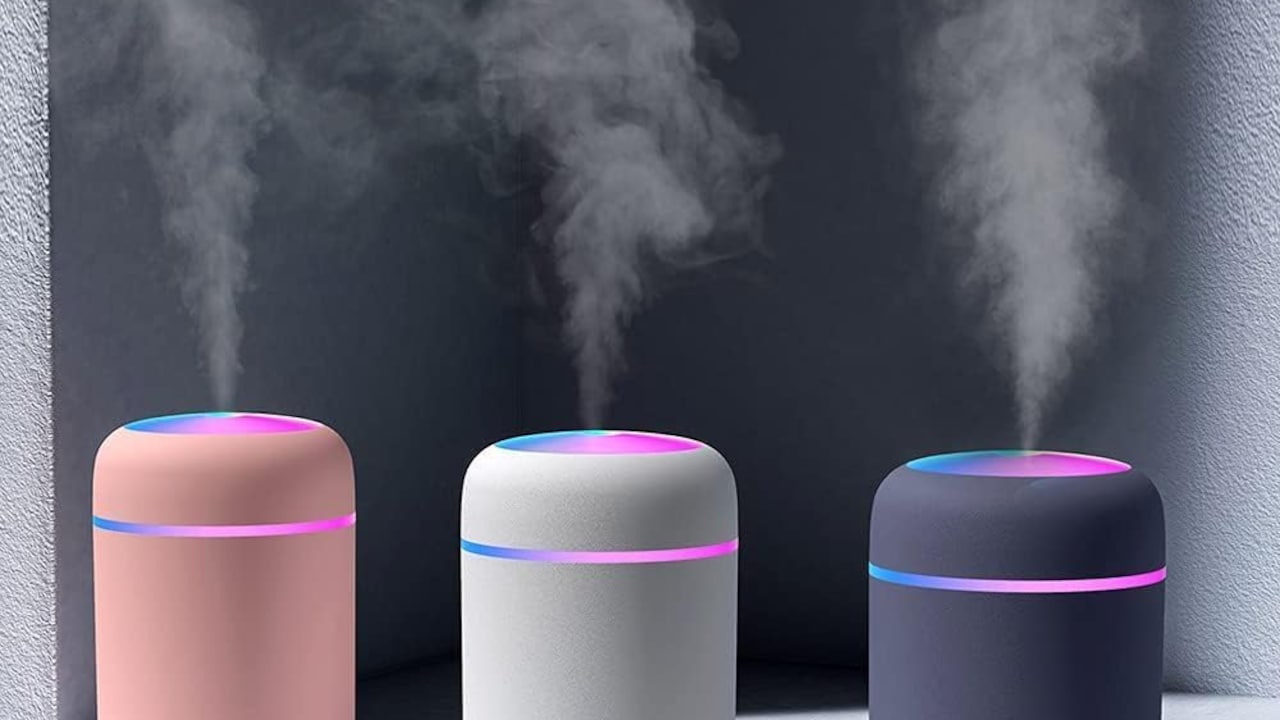
Cool Mist or Warm Mist Humidifier For AC Rooms: Know What Is Better For Top-Class Air Quality.
Anyone who has slept in an air-conditioned room for a few nights in a row knows the signs. A scratchy throat in the morning. Dry lips that refuse to behave. Skin that suddenly feels like it has taken early retirement from moisture. Some people even get nosebleeds, while others start coughing as if they have developed a dramatic flair overnight.
Air-conditioning does not 'remove oxygen' (a classic myth that refuses to die), but it does reduce humidity by cooling the air and condensing moisture. In simple terms, the room becomes cooler and drier. And dry air can irritate the nose, throat and eyes, especially if someone already deals with allergies, sinus trouble, asthma or frequent colds.
Humidifiers help by adding moisture back into the air. But choosing between cool mist and warm mist in an AC room is not just about comfort. It affects hygiene, energy use, safety, maintenance, and yes, air quality. The good news: both can work well. The better news: once the differences become clear, the right choice becomes much easier.
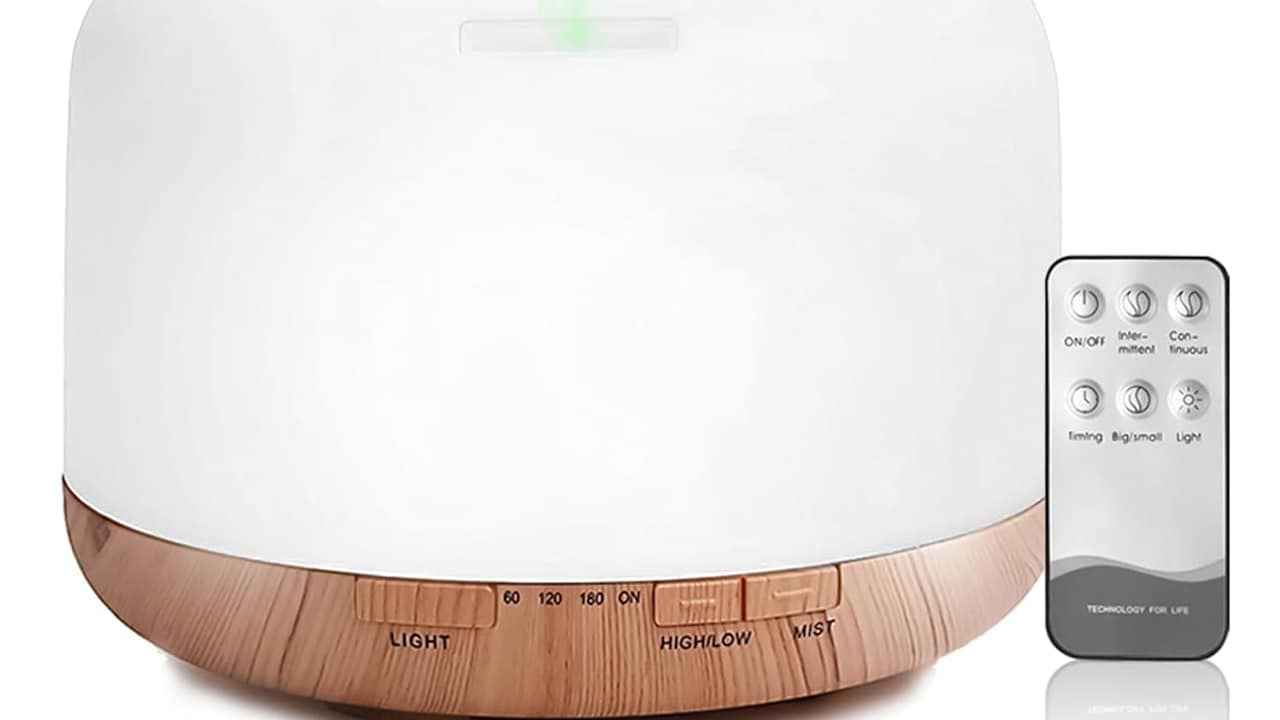
Cool Mist or Warm Mist Humidifier For AC Rooms: What Performs Better For Air Quality?
Photo Credit: Amazon
Cool Mist vs Warm Mist in AC Rooms: The Real Comparison
1) How AC Rooms Change Indoor Air (and Why It Matters)
Air-conditioning creates a very specific indoor climate. It lowers the temperature, reduces humidity, and keeps air circulating in a closed space. That last part is important. Many homes keep windows shut when the AC runs, which means the same air keeps moving around with little fresh exchange. This is why a room can feel 'stuffy' even when it's cool.
Low humidity also affects how particles behave. When the air is too dry, dust and tiny irritants float more easily. The nose and throat also lose moisture, which makes the body's natural filtering system less effective. That is why dry indoor air often feels harsher during a cold or allergy flare-up.
In many cities, outdoor air already carries dust and pollution. Indoors, the problem changes shape. The AC filter catches some particles, but not all. Add dry air, and the throat starts protesting. A humidifier helps restore balance, but it should do so gently. Too much humidity can cause its own mess, including dampness and fungal growth.
In an AC room, the goal is not 'more moisture'. The goal is 'right moisture'. That difference decides whether a humidifier improves air quality or quietly makes it worse.
2) Cool Mist vs Warm Mist: What Each One Actually Does
A cool mist humidifier releases room-temperature mist into the air. Most models work in one of two ways: ultrasonic vibration (which creates a fine mist) or an evaporative method (which uses a fan to blow air through a wet wick or filter). The mist feels light and refreshing, especially in warm weather.
A warm mist humidifier heats water to create steam, which then cools slightly as it disperses. It often feels soothing, especially during coughs, congestion, or winter dryness. The steam can make the room feel slightly warmer, though in an AC room, that effect stays modest.
Both types increase humidity, but they do it differently. Cool mist spreads moisture quickly and efficiently, but it can also carry minerals or microbes if the tank is dirty or the water quality is poor. Warm mist, due to heating, kills many germs during operation, which gives it a hygiene advantage in certain situations.
However, warm mist uses more electricity and needs extra caution in homes with children. Cool mist tends to be safer and cheaper to run, but it demands consistent cleaning. So the 'better' option depends on which compromise feels manageable.
3) Air Quality: Which One Adds Cleaner Moisture?
This is where the conversation gets real. Air quality is not just about humidity levels. It is also about what rides along with that moisture.
Cool mist humidifiers, especially ultrasonic ones, can release 'white dust' if used with hard water. That dust comes from minerals like calcium and magnesium. It may settle on furniture and, more importantly, float in the air before it settles. For someone with allergies, asthma, or sensitive lungs, that can be irritating. It does not mean the humidifier is dangerous, but it does mean water choice matters.
Warm mist humidifiers heat the water, which reduces the risk of releasing bacteria or mould into the air. That makes warm mist feel cleaner for many people. But the steam can also concentrate impurities in the tank over time, which still requires cleaning.
Evaporative cool mist models usually avoid white dust because they leave minerals behind in the filter. That's a big plus. But they need filter changes, which adds recurring cost.
For air quality in AC rooms, warm mist often wins on germ control, while evaporative cool mist wins on mineral control. Ultrasonic cool mist can still work beautifully, but it needs filtered or RO water to avoid the dusty side effects.
4) Comfort and Breathing: What Feels Better at Night
A humidifier can change how sleep feels. In an AC room, dryness often causes mouth breathing, sore throats, and a nose that feels blocked but somehow also dry. That is a special kind of unfair.
Cool mist feels crisp and neutral. It does not fight the AC temperature, so it suits people who love sleeping in a properly chilled room. It also helps reduce dryness without making the air feel heavy.
Warm mist feels more comforting, especially when someone has a cold, cough, or sinus congestion. The slight warmth can feel like a gentle hug for irritated airways. But in an AC room, warm mist can create a weird contrast: cool air from the AC and warm steam from the humidifier. Some people love it. Others feel like they are sleeping in a room that cannot decide its personality.
If the AC temperature is set low, cool mist tends to blend better. If the goal is soothing breathing during illness, warm mist feels more therapeutic. Comfort is subjective, but sleep is not. The best humidifier is the one that improves breathing without waking someone up feeling clammy or overheated.
5) Hygiene and Maintenance: The Real Winner Is the One You'll Clean
Humidifiers have one unglamorous truth: if they are not cleaned, they can pollute the air. The device meant to improve air quality can become a tiny fog machine for bacteria. That is not a plot twist anyone needs.
Cool mist humidifiers require strict cleaning because they operate at lower temperatures, which allows microbes to grow in standing water. Warm mist units also need cleaning, but the heating step reduces microbial survival during use. Still, the tank can develop scale and residue, especially in areas with hard water.
Many people buy a humidifier with the enthusiasm of a new gym membership. Then two weeks later, cleaning becomes 'tomorrow's problem'. This is why simple designs matter. A tank that opens wide and parts that are easy to wash will stay cleaner.
For AC rooms, where the humidifier may run for long hours, hygiene becomes even more important. A dirty humidifier in a closed room can make the air feel musty, trigger sneezing, and worsen coughs.
So which is better? Warm mist has a hygiene edge, but only slightly. The real winner is the model that fits the household's cleaning habits. If cleaning feels like a chore, a low-maintenance evaporative unit may be the most practical choice.
6) Energy Use and Running Cost in ₹ (Because Bills Exist)
Comfort is lovely, but electricity bills are louder. Especially in peak summer, when the AC already runs like it has a full-time job.
Cool mist humidifiers generally use less electricity. Ultrasonic models are especially efficient, often consuming roughly the power of a small bulb. Over a month, the cost stays modest, even with daily use.
Warm mist humidifiers use heating elements, which means higher power consumption. They can use several times more electricity than cool mist units. If someone runs it for hours every night, the extra cost becomes noticeable.
In practical terms, cool mist is the better option for budget-conscious households, particularly when the AC is already adding to the monthly total. Warm mist can still be affordable if used strategically, such as during illness or for shorter periods.
A good way to think about it: cool mist works like a gentle helper, quietly fixing dryness. Warm mist works like a comforting remedy, best used when the body needs extra soothing.
For many homes, the sweet spot is cool mist for regular use and warm mist only when congestion or winter dryness becomes a bigger issue. This avoids turning the humidifier into a small heater that competes with the AC.
7) Safety: Kids, Pets, and the Accidental Midnight Chaos
Safety rarely gets enough attention until something goes wrong. Warm mist humidifiers boil water. That means hot steam, a hot base, and a risk of burns if a child or pet knocks it over. Even adults can get careless, especially during sleepy midnight refills.
Cool mist humidifiers are safer because they do not use heat. This makes them a better fit for families with toddlers, curious pets, or limited space where devices sit close to beds.
In many homes, the humidifier ends up on a bedside table. That is convenient, but also risky for warm mist. A small hand reaching out, a cat leaping up, or someone stumbling in the dark can create an instant problem.
There is also the issue of electrical safety. Both types should stay away from direct airflow from the AC and away from walls to prevent dampness. The device should sit on a stable surface with enough clearance.
If safety is a top priority, cool mist wins comfortably. Warm mist can still be used safely, but it requires careful placement and more attention. In real life, attention is a limited resource, especially in busy households.
8) Humidity Levels: The Goldilocks Zone for AC Rooms
The goal in an AC room is not to make the air feel like monsoon season. It is to keep humidity in a comfortable range, usually around 40% to 60%. Below that, dryness irritates the body. Above that, mould and dust mites get a little too excited.
Cool mist humidifiers can raise humidity quickly, especially ultrasonic ones. If the room is small and the humidifier is powerful, the air can become overly damp. That can lead to condensation on windows, damp patches near walls, and a musty smell. That is not better air quality. That is an invitation for fungus.
Warm mist humidifiers also increase humidity, but often in a more controlled way because steam disperses differently. Still, in a closed AC room, any humidifier can overdo it.
This is why a built-in humidistat is a lifesaver. It measures humidity and stops the humidifier once the target level is reached. Without it, the device runs on vibes, and vibes are not a reliable measurement system.
If someone does not want to buy a humidifier with a humidistat, a small humidity monitor is a smart addition. It keeps the room comfortable and prevents accidental dampness, which protects both health and furniture.
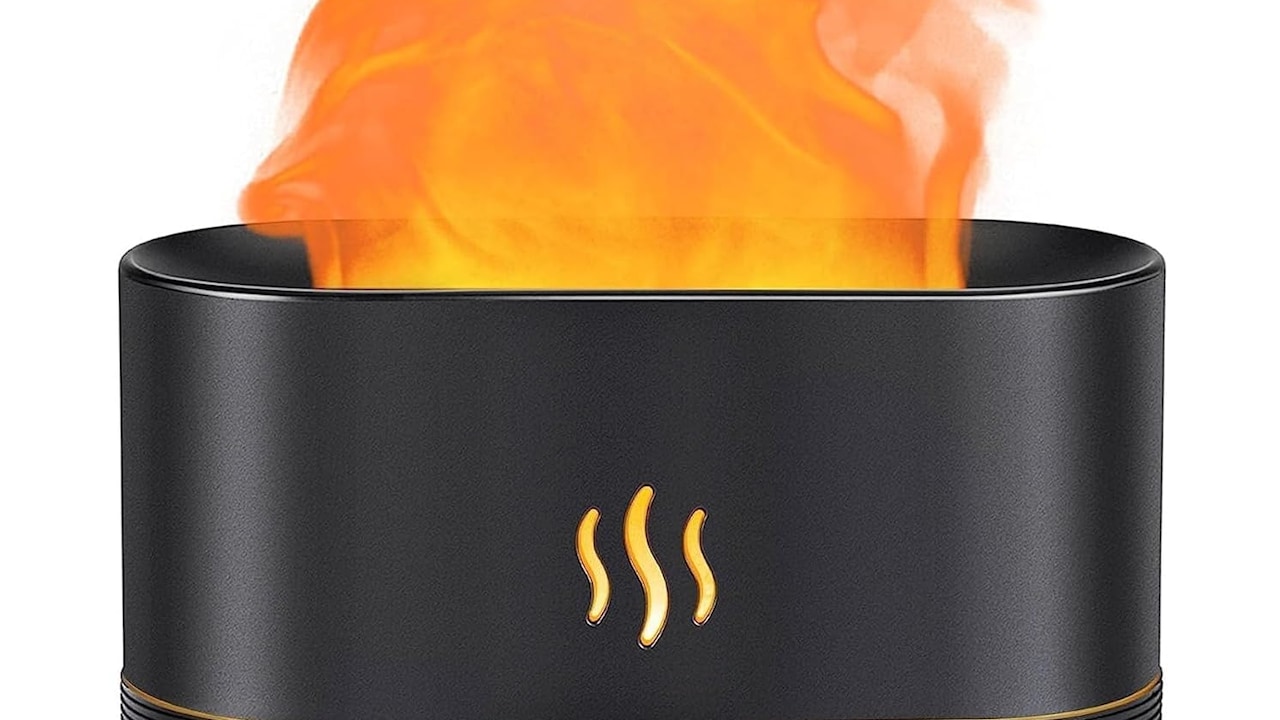
Cool Mist or Warm Mist Humidifier For AC Rooms: What Performs Better For Air Quality?
Photo Credit: Pexels
9) Seasonal Reality: Summer AC vs Winter Dryness
The AC room experience changes across seasons. In summer, the AC already cools aggressively. The main issue becomes dryness from constant cooling and closed windows. In this setting, cool mist usually feels more natural. It balances the dryness without creating warmth.
In winter, especially in North India, the air can become naturally dry. Add room heating or even just closed rooms, and the dryness becomes more noticeable. Warm mist can feel wonderful during winter nights because it soothes the throat and makes breathing feel easier.
In the monsoon, the situation flips. Many regions already have high humidity. In that case, a humidifier becomes unnecessary and sometimes harmful. Running a humidifier in an already humid season can make rooms feel sticky and worsen mould risk.
This is why 'best humidifier' is not a single permanent answer. It changes with the weather, the AC setting, and the room's ventilation.
If someone wants one device for year-round use, cool mist (preferably evaporative or ultrasonic with filtered water) offers better flexibility. Warm mist becomes a seasonal specialist: brilliant in winter or during illness, but less ideal for long daily use in hot months.
10) Choosing the Best One for Your Home: The Practical Verdict
If the question is 'Which performs better for air quality in AC rooms?' the honest answer is: the one that adds clean moisture without adding new problems.
Cool mist humidifiers are usually the best everyday option for AC rooms. They run cheaply, feel comfortable in cool settings, and offer safer use in family homes. However, they demand discipline with cleaning and better water quality to avoid mineral dust and microbial growth.
Warm mist humidifiers offer cleaner output in terms of germs during operation and feel especially soothing for coughs and congestion. But they consume more electricity, carry burn risk, and can feel slightly odd in a room already cooled by AC.
For most households, cool mist is the practical long-term choice. If someone deals with frequent sinus trouble, winter throat irritation, or recurring congestion, warm mist can be a strong second option, used thoughtfully rather than all night, every night.
The best approach is not to treat humidifiers like magic devices. They are tools. Like pressure cookers, they work beautifully when used correctly. When neglected, they create trouble with surprising speed.
In an AC room, the goal is clean air that feels easy to breathe. A humidifier can absolutely help, just pick the type that matches the room, the season, and the household's patience for cleaning.
Products Related To This Article
1. Lifelong 4.5L Ultrasonic Humidifier for Bedroom
2. Dr Trust USA 3-in-1 Nano Ionic Facial Steamer Vaporizer Room Humidifier and Towel Warmer
3. Reffair Caligo® 500 Smart Ultrasonic Humidifier
4. 6L Top Fill Ultrasonic Humidifier - Cool and Warm Mist for Bedroom
5. Levoit Humidifiers 6L Warm&Cool Mist Ultrasonic Humidifier Germ Free&Whisper
Cool mist and warm mist humidifiers both improve comfort in AC rooms, but they do it with different personalities. Cool mist suits everyday use, costs less to run, and fits most homes safely. Warm mist feels more therapeutic and hygienic during use, but it demands caution and uses more power.
Air quality improves when humidity stays balanced and the humidifier stays clean. That is the whole secret. If a humidifier runs with dirty water, even the fanciest model can turn into an expensive mistake. If it runs with clean water and sensible humidity levels, it can make an AC room feel noticeably kinder to the body.
So the final call is simple. For regular AC-room living, cool mist performs better overall. For seasonal dryness and sick-day comfort, warm mist performs better in the moment. Choose based on real life, not marketing, and the air will thank you quietly every night.
(Disclaimer: This article may include references to or features of products and services made available through affiliate marketing campaigns. NDTV Convergence Limited (“NDTV”) strives to maintain editorial independence while participating in such campaigns. NDTV does not assume responsibility for the performance or claims of any featured products or services.)