How to Fix Sticky Rice: 5 Common Rice Cooker Mistakes to Avoid
Sticky rice in a cooker? It’s usually not the rice, it’s the method. Learn the 5 most common rice cooker mistakes and how to fix them for fluffy, separate grains every time.
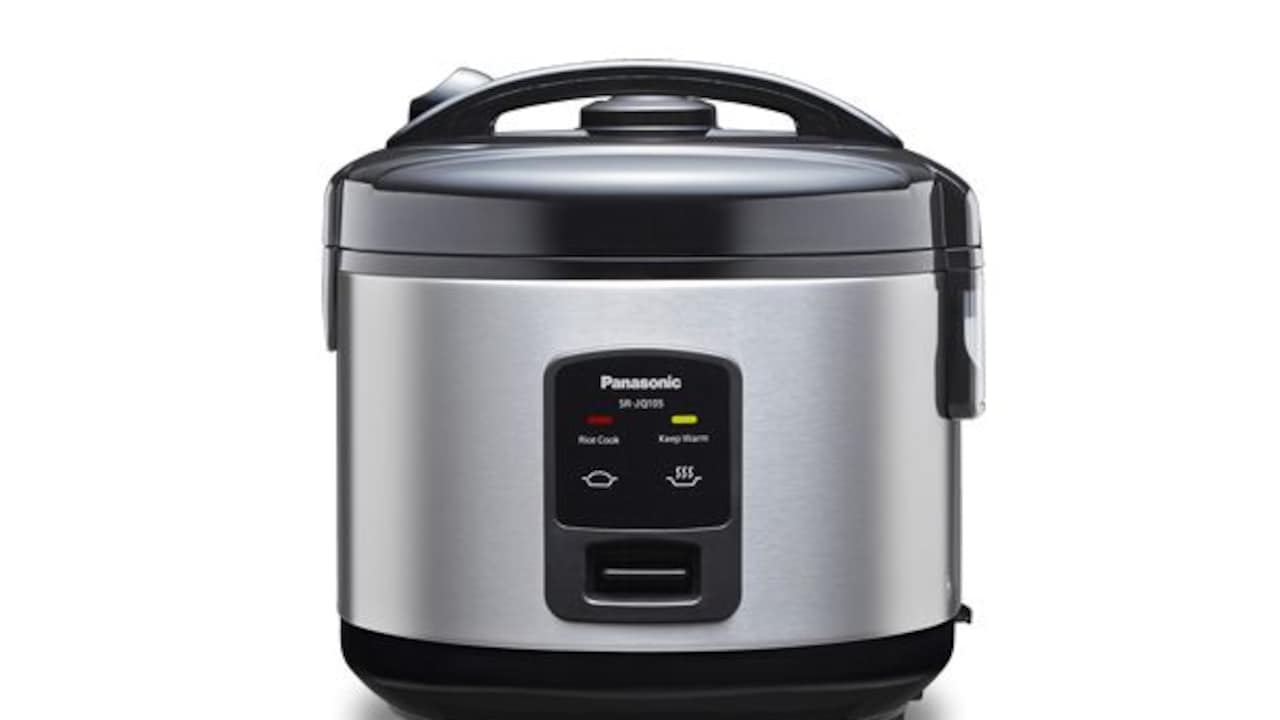
How to Fix Sticky Rice in a Rice Cooker: 5 Common Mistakes You Must Never Commit.
A rice cooker is supposed to be the easiest kitchen appliance in the house. Add rice, add water, press a button, and walk away like a confident adult. Yet somehow, the lid lifts to reveal a steaming pot of rice that looks like it has formed a union and decided to stick together in protest.
Sticky rice has its place. Nobody is angry at soft, slightly clingy rice when it's paired with sambar, curd, or a rich chicken gravy. But there's a difference between comforting softness and full-on gluey clumps. When rice turns heavy, wet, and mashed, the whole plate feels off. Even the pickle seems confused.
The fix is not complicated. It's not about buying a new cooker, upgrading to a fancier brand, or importing “special rice.” It's about avoiding a few common mistakes that many households repeat without realizing. The kind of mistakes that feel harmless until dinner happens.
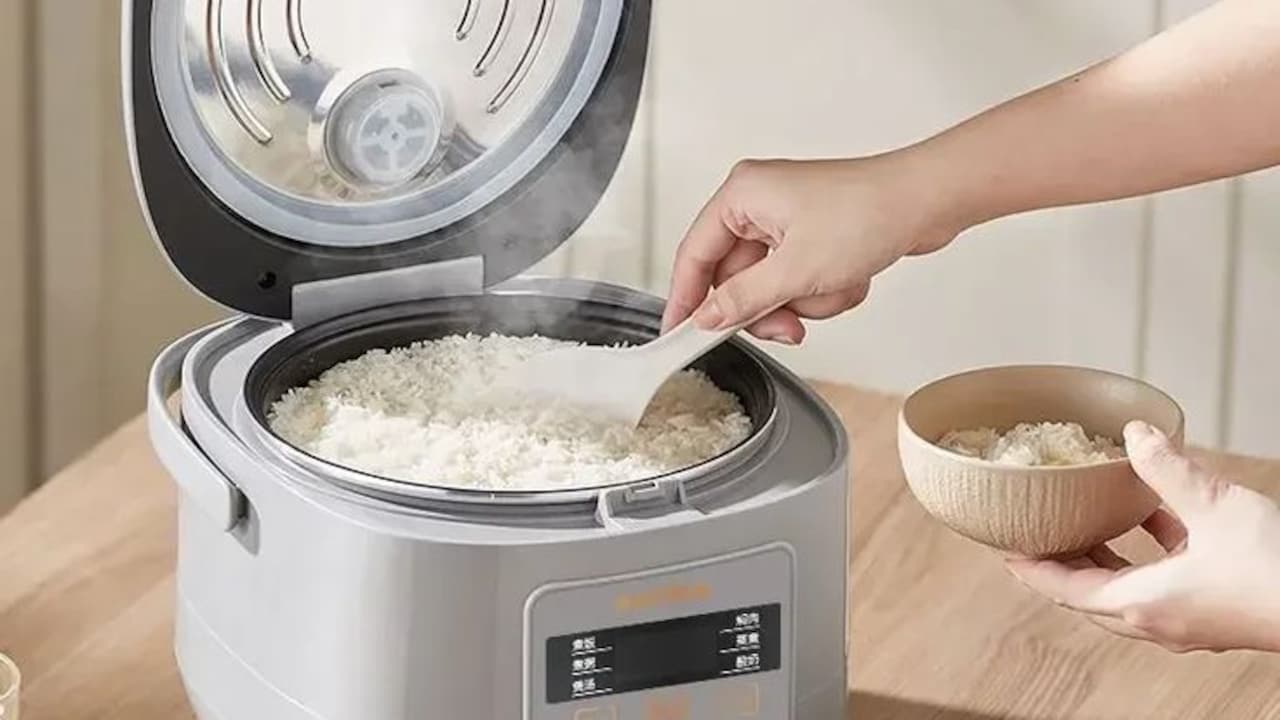
How to Fix Sticky Rice in a Rice Cooker: 5 Common Mistakes to Avoid; Photo Credit: Pexels
Before You Blame the Rice, Check These Common Cooker Mistakes
1) Using the Wrong Rice-to-Water Ratio (and Trusting the Cup Too Much)
Sticky rice often begins with one innocent decision: adding a little extra water “just to be safe”. It feels logical. Nobody wants undercooked rice, especially when guests are waiting, and the sabzi is already on the table. But extra water is the fastest route to rice that turns dense, mushy, and clumpy.
Rice cookers are designed to work with specific ratios, but different varieties behave differently. Sona masoori, ponni, basmati, and kolam don't absorb water the same way. Even within the same variety, aged rice drinks water differently from fresh rice. That's why the same measurement can work beautifully one week and fail dramatically the next.
Another sneaky problem is the rice cooker cup. It looks like a standard measuring cup, but it usually isn't. Many cooker cups are 180 ml, not 250 ml. So when someone uses a normal kitchen cup for rice and the cooker cup for water, the maths quietly collapses.
A better approach is consistency. Use the same cup for both rice and water every time, and adjust in tiny amounts. Not half a cup. Not “a splash.” Tiny. Rice rewards precision.
2) Skipping the Rinse (Because Who Has the Time?)
Rinsing rice feels like one of those chores that older relatives insist on, like storing masalas in labelled boxes or folding plastic bags. It seems optional. Until the rice comes out sticky, and suddenly, the elders were right all along.
Rice carries surface starch. When rice isn't rinsed, that starch dissolves into the cooking water and turns it cloudy. Inside the cooker, that starchy water thickens as it heats. The grains cook in a gluey bath, and they come out clinging to each other like they've made a pact.
Rinsing doesn't need to be dramatic. It doesn't need ten rounds and a workout. Two or three quick rinses are enough for most everyday rice. The goal is not to wash the rice until the water looks like bottled mineral water. The goal is to reduce the loose starch that causes clumping.
There's also a taste factor. Unrinsed rice can taste slightly “powdery,” especially when eaten plain. Rinsing makes the flavour cleaner and the texture lighter.
Yes, it's an extra step. But so is scraping rice off the bottom of the cooker later. One of these steps is easier and less emotionally damaging.
Also Read: 7 Best Rice Cookers In 2026 For Fluffy Rice Without Burning Or Mushiness
3) Cooking Immediately After Washing (Instead of Letting the Rice Rest)
This is the mistake almost nobody talks about, yet it changes everything. Rice needs a short rest after washing. Not hours. Just a little time to settle, absorb, and relax.
When rice is washed, the grains take on surface moisture. If they go straight into high heat, the outer layer cooks too fast while the inside is still catching up. This uneven cooking encourages the grain edges to soften and break slightly, releasing even more starch. The result is rice that looks intact but behaves like it's halfway to khichdi.
Letting rice rest for 10 to 15 minutes after rinsing helps the grains hydrate more evenly. It reduces sudden shock in the cooker and gives a better final texture. It's a small pause that pays off.
This is especially useful for basmati, where long grains can split if treated roughly. It also helps with everyday rice varieties that tend to soften quickly.
Think of it like soaking poha for a moment instead of pouring water and immediately squeezing it like laundry. The rice doesn't need pampering. It just needs a minute to breathe.
4) Stirring, Scooping, or Opening the Lid Mid-Cook
Rice cookers look calm from the outside. Inside, they are running a very specific process. Heat rises, water circulates, steam builds, and the rice cooks in a controlled environment. The moment the lid opens mid-cook, the whole system gets interrupted.
Many people open the lid to “check” if it's done. Some even stir halfway through, thinking it will help. Unfortunately, stirring breaks grains, releases starch, and encourages clumping. It's the rice equivalent of interrupting someone during a nap and expecting them to wake up cheerful.
Opening the lid also releases steam. That steam is part of the cooking process. When it escapes, the cooker has to work harder to rebuild pressure and temperature. This can lead to uneven cooking: some parts turn soft and sticky, others remain slightly firm.
There's also a psychological trap here. Once the lid is open, the rice looks wet. People panic and add more time. Or they add more water. And then the rice crosses the point of no return.
A rice cooker is not a drama. Let it do its job. Trust the click. Resist the urge to micromanage.
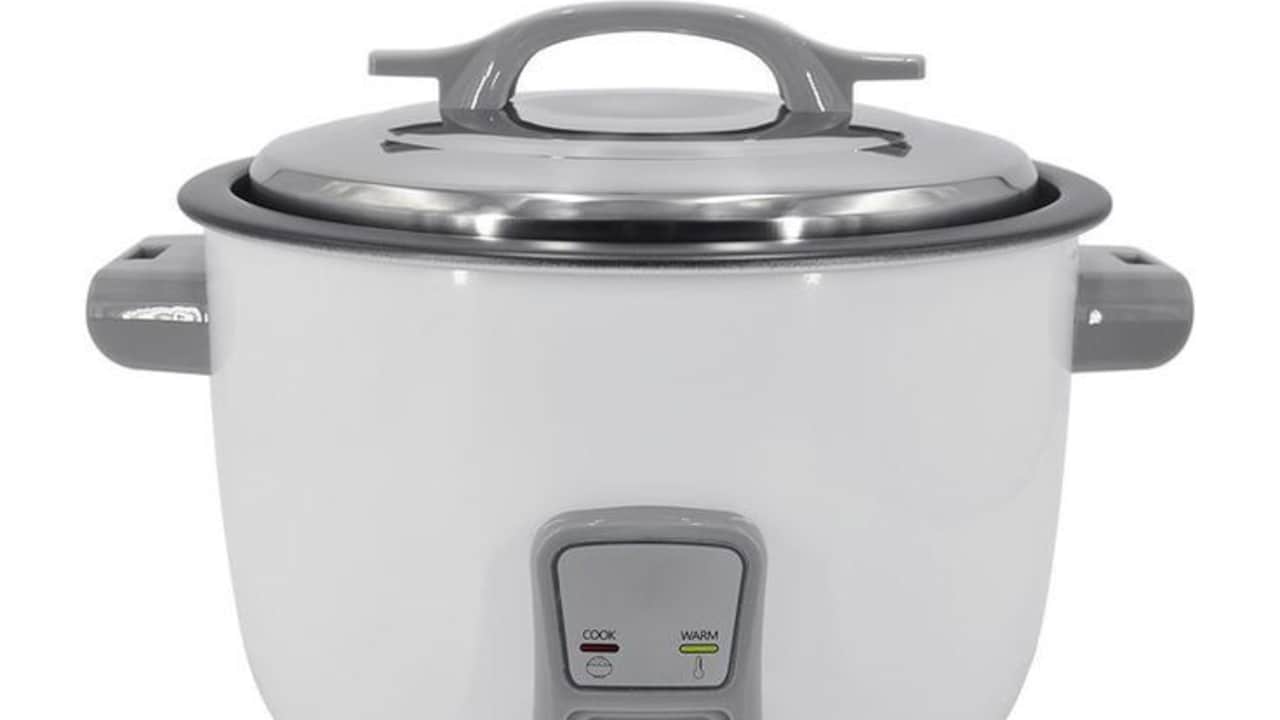
How to Fix Sticky Rice in a Rice Cooker: 5 Common Mistakes to Avoid; Photo Credit: Pexels
5) Leaving Rice on “Keep Warm” for Too Long
Keep Warm is convenient. It's also a quiet texture killer. Rice sitting in a warm cooker continues to cook gently, especially at the bottom where heat concentrates. Over time, the grains lose their structure. Moisture shifts around. The rice becomes heavier and stickier, even if it started out perfect.
This is why rice that looked fluffy at 8 pm turns clumpy by 9:30 pm. It's not magic. It's hot and time doing what they always do.
In many homes, dinner time is unpredictable. Someone gets stuck in traffic. A call runs long. The kids suddenly announce a project due tomorrow. The rice waits. Sadly, rice does not enjoy waiting.
The solution isn't to stop using Keep Warm entirely. It's to use it wisely. Once the rice is cooked, fluff it gently with a paddle or fork. This releases steam and separates grains. If dinner is far away, transfer the rice to a covered container. It stays softer without continuing to cook.
Keep Warm is meant for short holding, not for turning rice into a slow-cooked pudding.
6) Using the Wrong Cooker Setting for the Rice Type
Not all rice wants the same treatment. Yet many people use the same “Cook” mode for everything, from basmati to brown rice to sticky short-grain. Some cookers have settings like “White Rice,” “Quick Cook,” “Steam,” or “Brown.” Others have only one button and a strong personality.
When the setting doesn't match the rice, the texture suffers. Quick Cook, for example, often pushes high heat early. That can cause the outer layer of rice to soften too fast, which leads to stickiness. Brown rice needs a longer time and more water, and if cooked on a normal setting, it can come out uneven and gummy.
Even basmati can turn sticky if it cooks too aggressively. It needs gentle absorption and enough time for the grains to elongate without breaking.
If the cooker has multiple settings, use them. If it doesn't, adjust technique instead. For basmati, rinse well, soak briefly, and reduce water slightly. For everyday rice, stick to a consistent ratio and avoid overcooking.
A rice cooker is not a one-size-fits-all pot. It's more like a pressure cooker: brilliant when used correctly, mildly chaotic when used casually.
7) Not Fluffing Rice After Cooking (and Letting It Sit Packed)
This one feels almost too simple, but it's a game-changer. When rice finishes cooking, it sits in a tight mass. Steam is trapped between grains. If it stays that way, the trapped moisture softens the grains further, and they begin to cling.
Fluffing is not stirring aggressively. It's gently lifting and separating the rice so steam can escape. Think of it like loosening a pile of freshly cooked noodles so they don't clump. The goal is air and separation.
Many people scoop rice straight out without fluffing. The top looks fine, but the middle turns sticky, and the bottom becomes a soft slab. Then the blame falls on the rice brand, the cooker, or “today's water.”
Fluffing takes less than a minute. It also improves the eating experience. The rice feels lighter, warmer, and more inviting. It pairs better with gravies and doesn't turn into a paste when mixed with dal.
If the rice is for tiffin the next day, fluffing is even more important. It prevents the dreaded cold-rice brick effect.
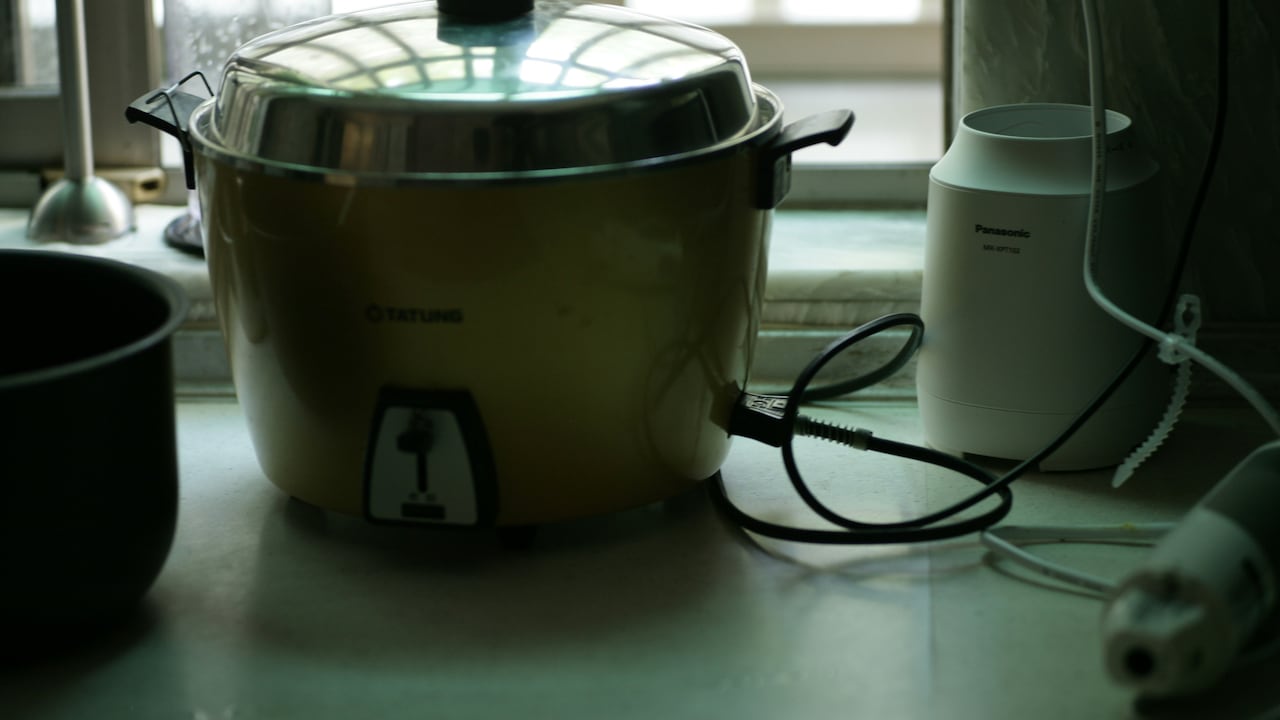
How to Fix Sticky Rice in a Rice Cooker: 5 Common Mistakes to Avoid; Photo Credit: Pexels
8) Washing Rice in the Cooker Pot (and Scratching the Non-Stick Layer)
This mistake doesn't cause sticky rice immediately, but it sets the stage for it over time. Many people wash rice directly in the cooker pot. It feels convenient. One pot, no extra dishes. The problem is friction.
Rinsing rice often involves rubbing grains with fingers. Over time, this scratches the non-stick coating. Once the coating wears down, rice starts sticking to the bottom. That stuck layer overcooks, breaks down, and releases starch back into the pot. This makes the overall batch feel stickier and heavier.
A damaged pot also heats unevenly. Some areas become hotter than others. Uneven heat leads to uneven cooking, and uneven cooking leads to sticky patches.
If the pot is already scratched, it doesn't mean the cooker is useless. It means it needs gentler handling. Wash rice in a separate bowl, then transfer it. Use a soft sponge. Avoid metal spoons. Treat the pot like a tawa you actually care about.
Replacing the inner pot can be cheaper than replacing the whole cooker. It's worth checking before spending ₹3,000 on a new appliance out of frustration.
9) Using Old, Damp, or Poorly Stored Rice
Sometimes the rice itself is the issue, but not in the way people assume. It's not always about “cheap rice” versus “premium rice.” Storage matters more than brand.
Rice stored in a humid kitchen can absorb moisture. Damp rice cooks differently. It can turn soft quickly, and it releases starch more easily. This can lead to a sticky result even when the water ratio seems correct.
Old rice can also behave strangely. Very old rice may need slightly more water, while rice that has been stored badly may cook unevenly. Bugs, odours, or a stale smell are obvious signs, but even subtle dampness can change texture.
The fix is practical. Store rice in an airtight container. Keep it away from the stove area where steam and heat build up. If the kitchen is humid, consider smaller batches so rice doesn't sit for months.
It's also worth checking whether the rice was recently bought loose from a shop with open sacks. That rice may have absorbed moisture from the environment. A quick rinse and a short rest can help, but storage is the long-term solution.
10) Trying to “Fix” Sticky Rice the Wrong Way (and Making It Worse)
Sticky rice is frustrating because it feels like a final verdict. Once it's sticky, people panic. The most common reaction is to add more water and cook again. This almost always makes it worse. It turns stickiness into mush and clumps into paste.
Another reaction is to stir aggressively to “separate” the grains. That breaks grains, releases more starch, and creates an even stickier texture. It's like trying to fix a broken biscuit by smashing it harder.
If the rice is slightly sticky but not overcooked, a simple trick helps: spread it out. Transfer the rice to a wide plate or tray. Let steam escape. After five minutes, fluff gently. This dries the surface slightly and improves texture.
If the rice is genuinely overcooked, the best rescue is to change the plan. Turn it into curd rice, lemon rice, or a quick fried rice with vegetables. Nobody at the table needs to know it wasn't “intentional.” Even better, it tastes like comfort.
Sticky rice isn't a moral failure. It's just a kitchen moment. And it's fixable, either by technique or by clever dinner pivots.
Products Related To This Article
1. Pigeon Inox Rice Cooker with Double pot, 1.8 litres
2. AGARO Royal Electric Rice Cooker, 5 Litre Ceramic Coated Inner Bowl
3. Panasonic SR-WA22H(E) | 2.2-Litre Capacity or 1.25 KG Raw Rice Cooking
4. Wonderchef Nutri-Pot Electric Pressure Cooker with 7-in-1 Functions|18 pre-set functions
5. Nutricook Stainless Steel Smart Pot 2 (6 QT / 5.7L), 1000W
Sticky rice doesn't happen because rice cookers are unreliable. It happens because small habits pile up: extra water, skipped rinsing, lid opening, long Keep Warm, and rough handling. The good news is that none of these mistakes requires fancy equipment to fix.
Rice is one of the most forgiving staples in the kitchen, but it rewards attention in tiny details. Once those details become routine, the cooker stops being unpredictable and starts feeling like the quiet hero it was meant to be.
Fluffy rice is not about perfection. It's about rhythm. Rinse, measure, rest, cook, fluff, serve. And when rice still goes sticky on a chaotic day, there's always curd, pickle, and the comforting truth that tomorrow's batch will be better.
(Disclaimer: This article may include references to or features of products and services made available through affiliate marketing campaigns. NDTV Convergence Limited (“NDTV”) strives to maintain editorial independence while participating in such campaigns. NDTV does not assume responsibility for the performance or claims of any featured products or services.)