Detergent Marks On Clothes? These Loading Mistakes Could Be The Reason
Detergent marks often come from overloading the drum, using too much detergent or placing it incorrectly. Fix these common loading mistakes for cleaner, residue-free clothes.

Detergent Marks On Clothes? 10 Laundry Loading Mistakes To Avoid
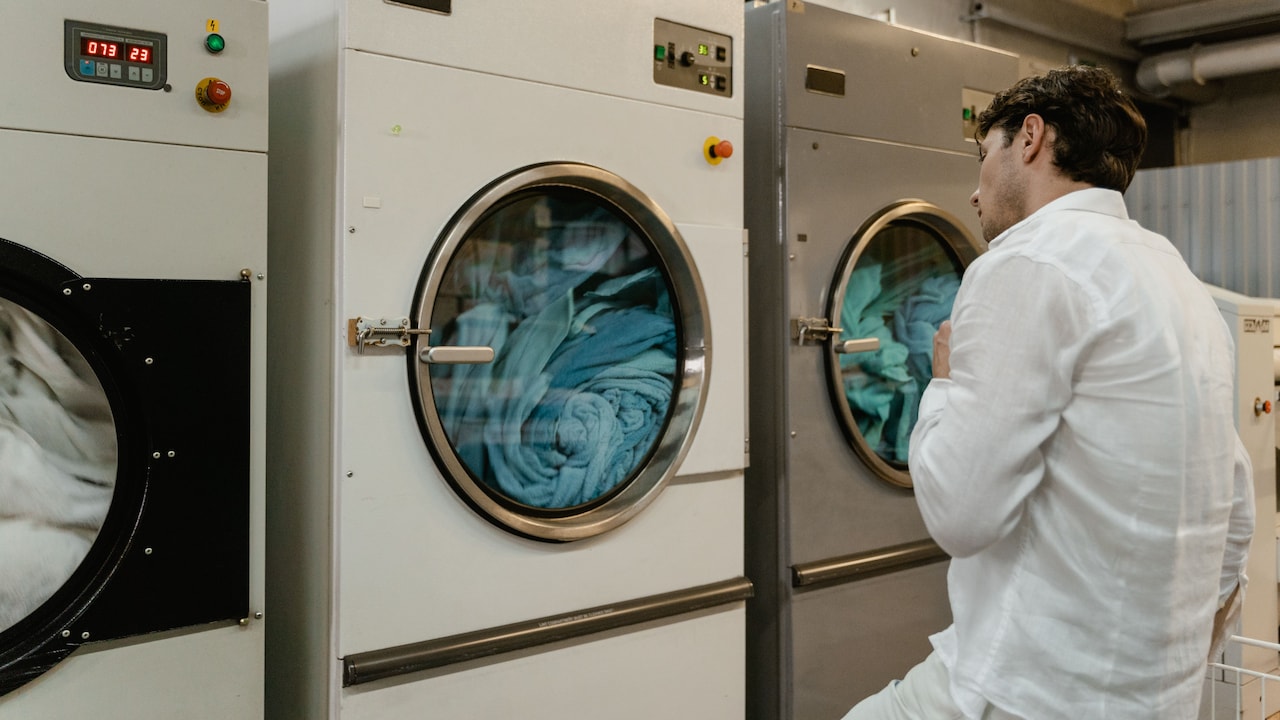
Laundry day often begins with good intentions and ends with a small mystery. A dark shirt comes out covered in white streaks. A favourite kurta develops a powdery patch near the sleeve. A bedsheet smells fresh but carries faint blue marks that were never there before. The usual reaction involves blaming the detergent, the washing machine or perhaps hard water. Sometimes those factors do matter. However, the way clothes enter the drum plays a much larger role than most people realise.
Detergent Marks On Clothes? These Loading Mistakes Could Be The Reason
Photo Credit: Pexels
A washing machine needs room to move water, detergent and fabric together. When clothes sit too tightly, detergent collects in folds instead of spreading evenly. When powder lands directly on fabric, it may cling before the water can dissolve it. Even a perfectly good detergent can leave marks when the loading method works against it.
The good news feels reassuringly simple. Most detergent stains do not require expensive repairs, special cleaners or a dramatic lecture from the local appliance technician. A few practical changes can make every wash cleaner, quicker and kinder to clothes.
Common Loading Mistakes That Leave Detergent Marks
Overloading The Washing Machine Drum
Stuffing the washing machine until the door barely closes may feel efficient, especially when a mountain of laundry has taken over the chair in the bedroom. Unfortunately, an overcrowded drum gives clothes no space to tumble, turn or rinse.
Detergent needs water and movement to spread through the load. When clothes remain tightly packed, powder and liquid detergent settle between layers. Thick items such as jeans, towels and sweatshirts make the problem worse because they absorb water quickly and press against lighter garments.
A useful rule involves leaving enough room to place a hand comfortably above the clothes in a front-loading machine. In a top-loading machine, the clothes should sit loosely rather than forming a tightly packed mound.
Overloading also encourages uneven cleaning. One shirt may receive too much detergent while another barely meets the wash water. The result can include white streaks, sticky patches and a dull finish.
Splitting one giant load into two sensible loads may take slightly longer. Still, it saves the annoyance of rewashing marked clothes and protects the machine from unnecessary strain.
Pouring Detergent Directly Onto Dry Clothes
Pouring detergent straight onto a pile of dry clothes looks harmless, but it often creates concentrated patches. Liquid detergent can soak into one garment before the wash water arrives. Powder can settle inside creases, pockets, cuffs and collars.
Dark fabrics expose this mistake most clearly. A black T-shirt may emerge with pale lines that resemble chalk. A navy kurta may carry a bluish smear near the shoulder. These marks usually appear because the detergent stayed in one place for too long.
Machines with a detergent drawer should receive detergent through the correct compartment. This allows the machine to release it at the right stage of the cycle. For some top-loading machines, adding detergent to the water before adding clothes can help it dissolve more evenly. The appliance manual should guide the method.
Detergent pods also need careful placement. They usually belong at the back or bottom of the empty drum before the clothes go in.
Detergent should travel through the wash water, not land like a surprise topping on a dry shirt.
Using Too Much Detergent For The Load
Extra detergent does not automatically mean extra-clean clothes. In fact, too much detergent often causes the very marks that make laundry look dirty.
When the machine cannot rinse away all the soap, residue stays on the fabric. Powder leaves pale, dusty streaks. Liquid detergent can create sticky or slightly greasy patches. Towels may feel stiff, while shirts lose their natural softness.
The temptation to add a generous scoop feels understandable. Heavily stained school uniforms, sweaty gym clothes and oily kitchen towels seem to demand more cleaning power. Yet detergent formulas contain concentrated ingredients, and the recommended amount often handles more than expected.
Load size, water hardness and soil level should decide the quantity. A half-full drum rarely needs the same dose as a full load. Measuring caps and scoops help, but their markings deserve attention. A casual “little extra” can quickly double the correct amount.
Using less detergent can produce better results, particularly in modern high-efficiency machines that use less water. Clean laundry should smell fresh, not strongly perfumed enough to announce its arrival from the balcony.
Mixing Heavy And Lightweight Fabrics
A load containing jeans, bath towels, delicate tops and thin cotton shirts may seem convenient. However, these fabrics behave very differently inside the drum.
Heavy items absorb large amounts of water and detergent. They can trap lighter clothes against the drum, preventing proper movement and rinsing. A thin shirt may remain folded beneath a wet towel for most of the cycle, leaving detergent trapped along the fold.
Towels also release lint, which can stick to detergent residue and make marks look even more noticeable. Dark trousers washed with pale, fluffy towels may emerge looking as though they attended a dust storm.
Grouping clothes by fabric weight helps detergent circulate more evenly. Towels and bedsheets work better together. Jeans and thick trousers can form another load. Lightweight cottons, office wear and delicate garments deserve gentler company.
Sorting does not need to become a complicated weekend ritual involving six baskets and colour-coded labels. A simple division between heavy and light fabrics can make a visible difference.
The machine cleans best when every garment moves at roughly the same rhythm rather than fighting for space like passengers boarding a crowded local train.
Also Read: Small Balcony Laundry Problems? A Smarter Drying Stand Could Solve The Problem
Choosing The Wrong Detergent Type
Not every detergent suits every washing machine. A formula designed for handwashing may create excessive foam in an automatic machine. Too many suds prevent clothes from moving freely and make rinsing less effective.
Front-loading machines usually require low-foam detergent. These machines use less water and rely on controlled tumbling. A high-foam product can fill the drum with bubbles, trapping dirt and detergent residue in the fabric.
Top-loading machines often handle more water, but the detergent should still match the model. Powder may struggle to dissolve during a short or cold cycle, while thick liquid detergent may not spread well when poured into the wrong compartment.
Packaging usually states whether the product suits front-load, top-load or semi-automatic machines. Those small labels matter more than the bright promises printed across the front.
The cheapest option may not always suit the appliance, and the most expensive one cannot fix an incorrect loading method. A suitable detergent, used in the correct quantity, performs far better than a random scoop chosen during a rushed supermarket visit.
Matching the detergent to the machine helps prevent residue before the cycle even begins.

Detergent Marks On Clothes? These Loading Mistakes Could Be The Reason
Photo Credit: Pexels
Loading Clothes Before Adding A Detergent Pod
Detergent pods offer convenience, but their placement can decide whether they dissolve properly. Dropping a pod on top of a full load often causes trouble.
The pod needs direct contact with water early in the cycle. When it sits between clothes near the door, fabric can block the water. The outer film may only dissolve partly, leaving a sticky, coloured patch on a shirt or bedsheet.
For most machines, the pod should go into the empty drum first. Clothes can then sit loosely on top. This position allows water to reach the pod quickly and helps the detergent spread through the load.
Pods should not go inside the detergent drawer unless the manufacturer specifically allows it. The drawer may not provide enough water to dissolve the film.
Overloading makes pod residue even more likely. A tightly packed drum leaves little room for the pod to move and dissolve.
A pod may look small, but it contains a concentrated dose. Using two for a modest load can create too much detergent and lead to poor rinsing. Convenience works best when the pod starts in the right place, not when it hides inside a sleeve.
Washing Powder In Cold Water
Cold-water washing can save energy and protect some fabrics, but powder detergent may not dissolve fully at lower temperatures. Undissolved granules then settle on clothes and create pale marks.
This problem becomes more common during winter, when tap water feels unusually cold, or during short cycles that offer little time for the powder to break down. Thick loads and overcrowded drums increase the risk.
Choosing a detergent designed for cold washes can help. Liquid detergent may also dissolve more easily in low-temperature water. For machines that allow detergent to mix with water before clothes enter, dissolving the powder first can reduce residue.
The wash temperature should still suit the fabric label. Delicate clothes may shrink, fade or lose shape in hot water, so raising the temperature without checking can trade one laundry problem for another.
A warm cycle may work well for towels, bedding and sturdy cottons when the care instructions permit it. For everyday clothes, a properly measured cold-water detergent often gives better results than a large scoop of ordinary powder.
Powder needs enough water, space and time. Without those three, it tends to leave evidence behind.
Ignoring Pockets, Folds And Rolled Sleeves
Detergent residue often hides in places that receive poor water flow. Rolled sleeves, bundled socks, closed pockets and folded trouser legs can trap detergent throughout the cycle.
A shirt sleeve left rolled after a long day may hold powder inside the cuff. Socks pushed into one another can form a small fabric pouch where soap collects. A closed pocket may keep detergent and lint tucked inside until the clothes dry.
Taking a minute to loosen every garment before loading can prevent these marks. Unroll sleeves, separate socks, shake out trousers and open large pockets. Fasten delicate hooks to prevent snagging, but avoid turning the entire load into a tight bundle.
Clothes should enter the machine one at a time rather than as a compressed armful. This simple habit spreads items around the drum and reduces tangled knots.
Checking pockets also saves more than detergent trouble. Tissue paper, receipts and forgotten toffee wrappers can create a spectacular mess. One paper tissue can decorate an entire dark load with tiny white flakes.
A washing machine handles many tasks, but it cannot unfold a sleeve or rescue a forgotten bus ticket before the damage begins.
Selecting A Cycle That Is Too Short
Quick-wash cycles suit small loads of lightly worn clothes. They do not always suit a full drum, heavy fabrics or garments covered in dust, sweat and food stains.
A shorter cycle uses less time for detergent to dissolve, circulate and rinse away. When the drum holds too many clothes, the machine may finish before water reaches every fold properly. Detergent then remains on the surface.
Quick cycles also tempt people to add more detergent, hoping to compensate for the shorter wash. That combination creates an ideal recipe for residue: more soap, less water movement and less rinsing time.
A standard cotton, mixed-fabric or daily-wash programme usually handles regular loads more effectively. Heavy towels and bedsheets may need a longer cycle. Delicates require gentler movement, but the load should remain small.
The correct cycle depends on both fabric type and load size. A half-hour programme cannot perform miracles on a drum packed with weekend laundry.
Quick wash works best as a practical refresh, not a rescue mission. When clothes need proper cleaning, giving the machine enough time often prevents marks and delivers a fresher result.
Forgetting The Extra Rinse Option
Some loads need more rinsing, especially when they contain thick fabrics, large bedsheets or clothes washed in hard water. Skipping an extra rinse can leave detergent behind even when the loading method seems correct.
Hard water contains minerals that can interfere with detergent performance. Soap may not dissolve or rinse as easily, which leads to a rough texture and visible streaks. Towels, denim and layered garments hold on to residue more stubbornly than lightweight fabrics.
The extra rinse option adds more water at the end of the wash and helps remove remaining detergent. It can prove useful for baby clothes, sensitive skin, heavily soiled garments and loads that accidentally received too much soap.
However, an extra rinse should not become an excuse for overloading or overdosing detergent. It uses additional water and time. Correct loading remains the first step.
When marks appear repeatedly despite sensible detergent use, the rinse setting deserves attention. The machine may simply need more water to finish the job.
One extra rinse can save an entire second wash, which feels like a small victory when the laundry basket already appears capable of refilling itself overnight.
Detergent Marks On Clothes? These Loading Mistakes Could Be The Reason
Photo Credit: Pexels
Products Related To This Article
1. VW 7.5 kg 5 Star Aqua Spin Semi Automatic Top Load Washing Machine
2. Whirlpool 7 kg Magic Clean 5 Star Fully Automatic Top Load Washing Machine
3. LG 7 Kg 5 Star Wind Jet Dry Semi-Automatic Top Loading Washing Machine
4. Samsung 7 kg, 5 Star, Eco Bubble Technology, Digital Inverter Motor
5. Haier 7 Kg, Oceanus Wave Drum, 15 Min Quick Wash
6. LG Smart Choice, 7 Kg, 5 Star, Steam, Inverter Direct Drive Technology
7. Samsung 9 kg, 5 star, AI EcoBubble, Super Speed
Detergent marks often look like a product failure, but everyday loading habits usually create the problem. An overcrowded drum, a hidden detergent pod, rolled sleeves or an enthusiastic extra scoop can all stop detergent from dissolving and rinsing properly.
Better laundry results begin before the start button gets pressed. Clothes need space to move. Detergent needs the correct compartment, quantity and water temperature. Heavy fabrics need suitable companions, while quick cycles need modest expectations.
When marks appear, avoid drying or ironing the garment immediately because heat can make residue harder to remove. Rinse the item again without detergent and gently rub the affected area under clean water. Most fresh marks disappear without much effort.
A washing machine may handle the spinning, soaking and rinsing, but thoughtful loading still makes the biggest difference. Give the drum some breathing room and treat detergent as a measured ingredient rather than a lucky charm, and those mysterious white streaks may finally stop turning laundry day into detective work.
(Disclaimer: This article may include references to or features of products and services made available through affiliate marketing campaigns. NDTV Convergence Limited (“NDTV”) strives to maintain editorial independence while participating in such campaigns. NDTV does not assume responsibility for the performance or claims of any featured products or services.)