Can A Handheld Car Vacuum Clean Floor Mats, Boot Space And Air Vents?
Can a handheld car vacuum clean floor mats, boot space and air vents? Yes, if it has strong suction, suitable attachments and a reliable filter. Discover what it handles well, where it struggles and how to get better results.
Can A Handheld Car Vacuum Clean Floor Mats, Boot Space And Air Vents?
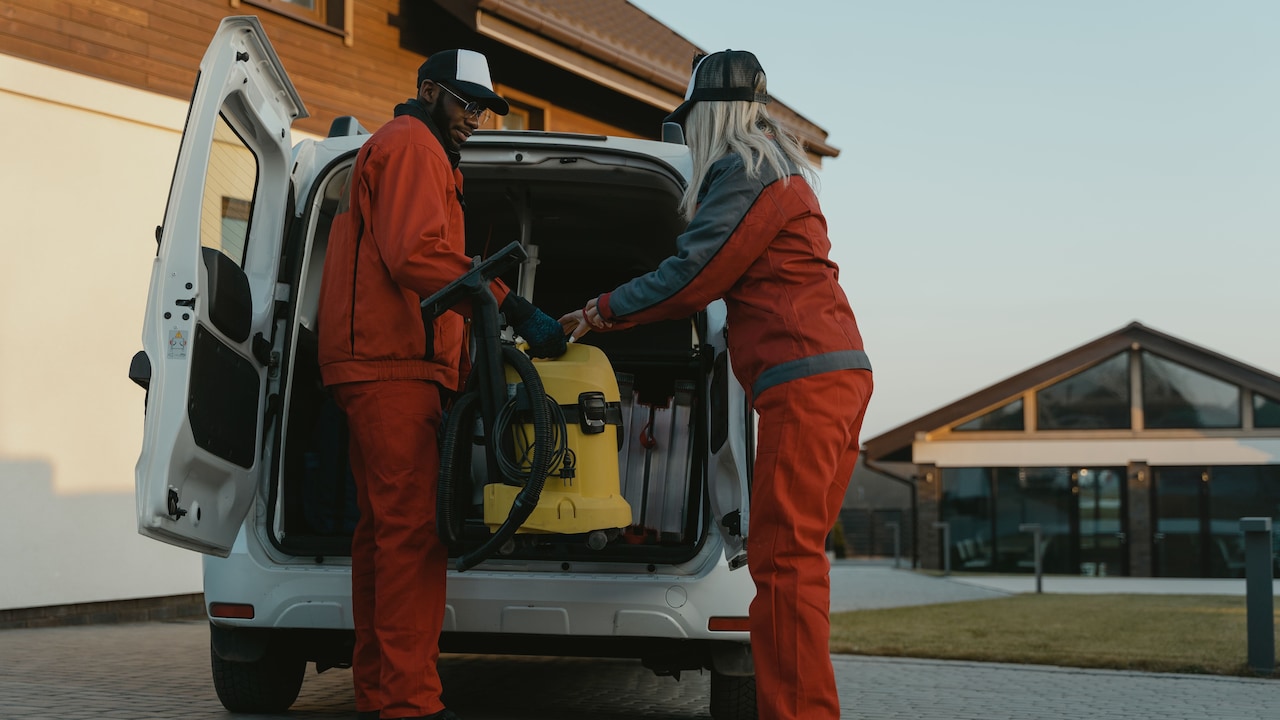
A car can look spotless from the outside and still resemble a snack cupboard after a long road trip. Dust settles quietly on the floor mats, crumbs slip beneath the seats, and the boot collects everything from dry leaves to forgotten bits of packaging. Air vents add another challenge, trapping fine particles in narrow spaces that ordinary cloths cannot reach. This is where a handheld car vacuum earns attention. Compact, easy to store and simple to operate, it promises to clean difficult areas without dragging out a bulky household machine. For busy commuters, families, cab drivers and weekend travellers, that convenience can feel like a small luxury.
Can A Handheld Car Vacuum Clean Floor Mats, Boot Space And Air Vents?
Photo Credit: Pexels
Yet one question remains: can such a compact appliance genuinely clean floor mats, boot space and air vents well? The answer is yes, but not without conditions. A handheld vacuum works best when its power, accessories and design match the task. Used correctly, it can handle most routine dirt and keep the cabin fresh between deeper cleaning sessions.
How Well Does A Handheld Car Vacuum Handle Different Areas?
Suction Power Makes The Biggest Difference
A handheld car vacuum can clean several areas effectively, but suction power decides how convincing the result will be. Weak suction may pick up loose crumbs while leaving behind grit, sand and hair. A stronger motor, on the other hand, can pull dirt from textured mats, seat gaps and boot corners without repeated effort.
Manufacturers often mention wattage, air watts or pressure figures. These numbers can help, though real-world performance matters more than impressive packaging. A vacuum that maintains steady suction usually performs better than one that starts strongly and loses power within minutes.
Floor mats demand more force than dashboards because dust becomes embedded between fibres and grooves. Boot carpets also hold onto soil, tiny stones and dried mud. Air vents need gentler but focused airflow through a narrow nozzle.
A practical car vacuum should offer enough power for stubborn debris without sounding like a construction drill. Models in the ₹2,000 to ₹5,000 range often provide a useful balance between portability and cleaning strength. Cheaper machines may still help with light dust, but they rarely handle heavy messes confidently.
Floor Mats Need More Than A Quick Pass
Floor mats take the worst punishment inside a car. Shoes bring in dust, mud, grass, tiny pebbles and roadside grime. During the monsoon, damp dirt settles into grooves and dries into a stubborn layer. A handheld vacuum can manage this mess, but technique matters.
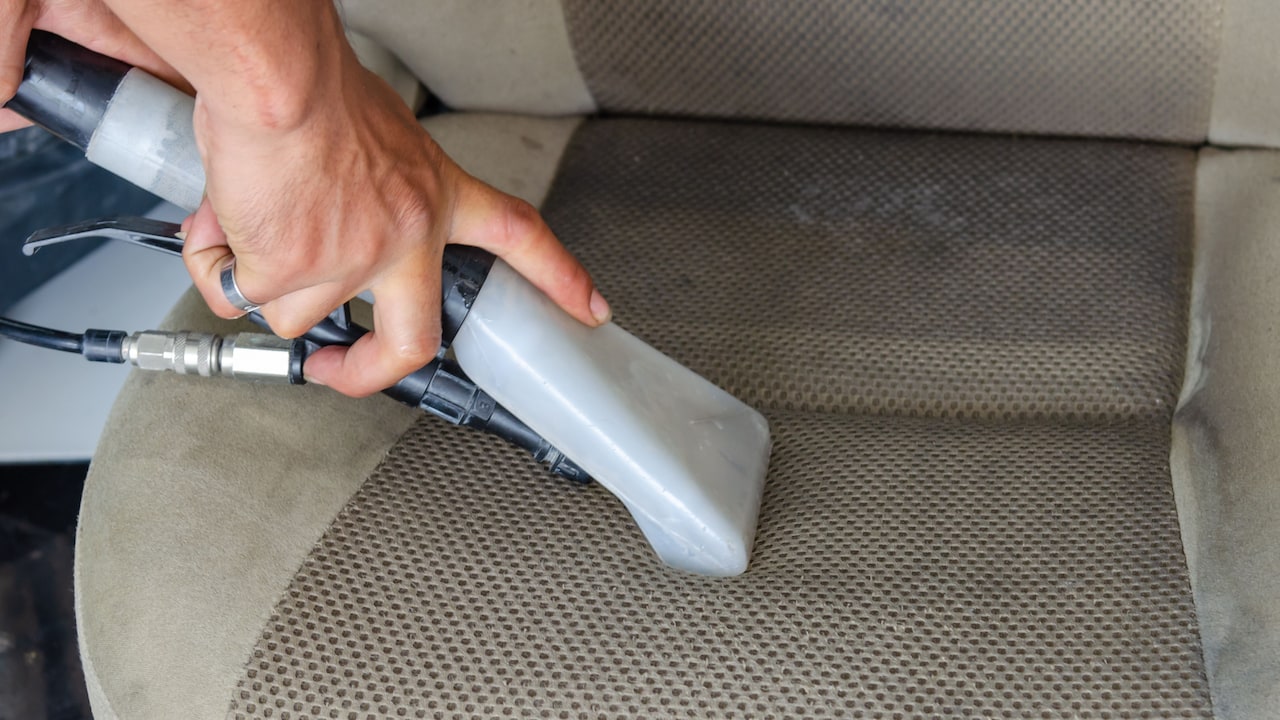
Start by removing the mats from the car. Shake them firmly outside to loosen surface dirt. This simple step prevents the vacuum from wasting battery life on debris that can fall away easily. Place each mat on a flat surface and move the nozzle slowly across it.
Rubber mats usually clean quickly because dirt remains on top. Carpeted mats require more patience. A brush attachment helps lift fibres and release trapped particles. Moving the vacuum in different directions can also improve the result.
A handheld machine will not wash away stains or remove sticky residue. Spilt tea, melted chocolate and damp mud may still need shampoo or a suitable cleaner. However, for everyday dust, hair, crumbs and dry soil, a strong handheld vacuum can leave floor mats looking noticeably fresher in just a few minutes.
Boot Space Is Easier Than It Looks
The boot often becomes the most neglected part of a car. Grocery bags leak tiny grains, plant pots shed soil, sports kits leave behind grass, and luggage brings dust from railway platforms or hotel car parks. Since the boot stays closed most of the time, dirt can build up unnoticed.
A handheld vacuum works particularly well here because the area remains open and accessible. Remove large items first, including tool kits, umbrellas and storage boxes. Lift the boot mat if possible, as fine dirt often slips underneath it.
Use a broad nozzle for the main carpet and a crevice tool around the spare wheel cover, side panels and hinges. Slow strokes collect more debris than quick, restless movements. Corners deserve special attention because they trap threads, wrappers and dry leaves.
Heavy soil may challenge a compact vacuum, especially after transporting gardening supplies or construction material. In such cases, remove larger particles by hand before vacuuming. For routine cleaning, though, the boot presents no serious difficulty. A capable handheld model can restore order before the next airport run, family outing or last-minute shopping trip.
Air Vents Require The Right Attachment
Air vents look innocent, yet they gather fine dust faster than most drivers realise. Every burst of air can push trapped particles into the cabin, leaving a faint layer on the dashboard and sometimes causing sneezing or irritation.
A handheld vacuum can clean vents, but a standard nozzle may prove too wide. A narrow crevice tool or soft brush attachment works far better. The brush loosens dust from the slats while the suction pulls it away before it settles elsewhere.
Turn off the ventilation system before cleaning. Move the attachment gently across each slat and avoid pressing too hard. Thin vent fins can bend or break when handled roughly. For deeper gaps, a detailing brush can loosen hidden dust before the vacuum collects it.
The vacuum will remove surface debris and much of the visible build-up. It may not reach dust deep inside the ventilation ducts. Professional air-conditioning cleaning may still become necessary if unpleasant smells continue.
For regular maintenance, however, vacuuming vents every few weeks can make the cabin feel cleaner. It also prevents that embarrassing puff of dust when the blower suddenly starts at full speed.
Also Read: How High Can A Robot Vacuum Climb? A Guide To Thresholds, Rugs And Door Tracks
Attachments Turn A Small Vacuum Into A Useful Tool
A handheld vacuum without attachments can feel limited. Add the right accessories, and the same machine becomes far more versatile. Different areas inside a car need different shapes, widths and textures.
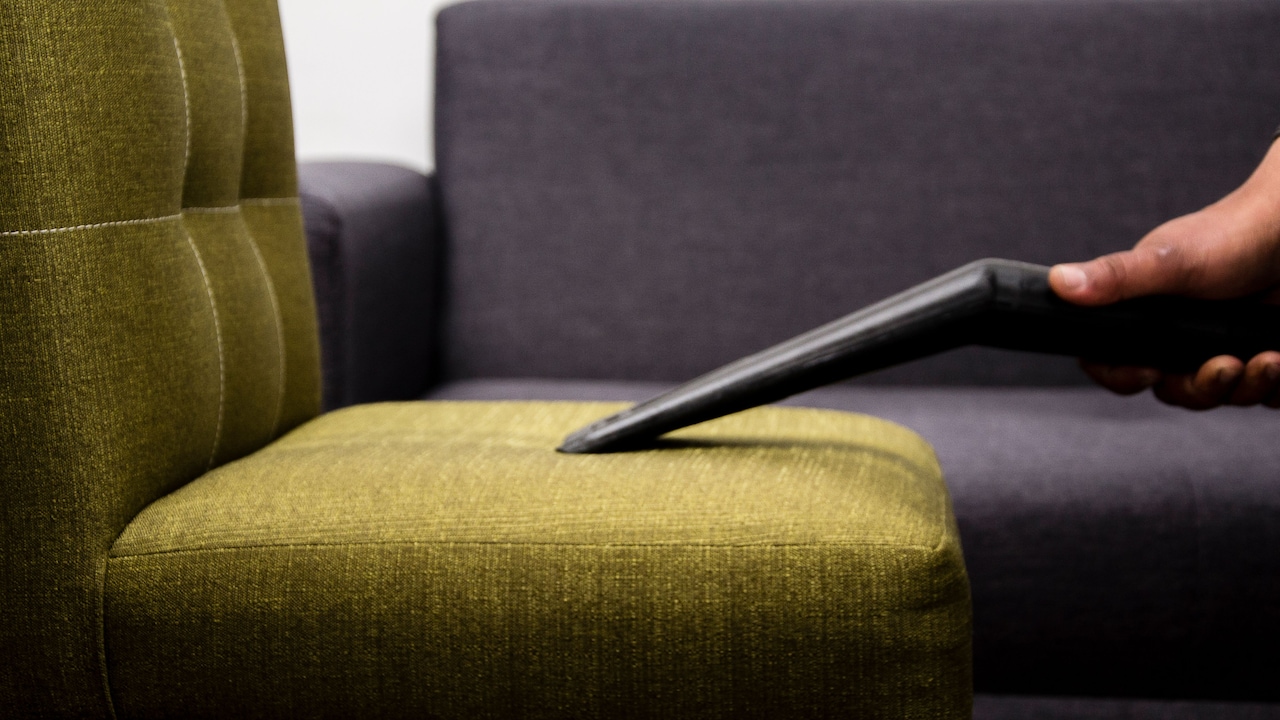
A crevice nozzle reaches narrow gaps between seats, along door pockets and around boot edges. A brush head works well on mats, fabric seats and vents because it loosens particles before suction removes them. A wider nozzle covers large areas quickly, saving time on boot carpets and seat surfaces.
Flexible hoses can prove especially useful in compact cars where rigid nozzles struggle to turn around awkward corners. Some models also include pet-hair brushes, which help families who travel with dogs or cats.
Accessories should fit securely. A loose nozzle reduces suction and may fall off halfway through cleaning. Storage also matters. A neat carrying case prevents small attachments from disappearing into a cupboard, never to return.
When comparing models, buyers often focus only on motor power. A slightly less powerful vacuum with practical attachments can sometimes clean more effectively than a stronger machine with one basic nozzle. Versatility often wins the everyday cleaning battle.
Battery Life Can Shape The Entire Experience
Cordless handheld vacuums offer freedom of movement, but battery life can determine whether the cleaning session feels convenient or frustrating. A device that stops after eight minutes may clean the dashboard and one mat before giving up dramatically.
For a complete cabin clean, around 20 to 30 minutes of useful runtime usually feels comfortable. This allows enough time for floor mats, seats, boot space and vents without constant rushing. Higher power modes may drain the battery faster, so runtime claims should always be viewed with caution.
Charging speed also matters. A vacuum that takes several hours to recharge may not suit drivers who use it frequently. USB-C charging adds flexibility because it works with common chargers and power banks. Some car vacuums also connect directly to the 12-volt socket, removing battery anxiety altogether.
Corded models provide continuous power but restrict movement slightly. They suit longer cleaning sessions and heavier dirt. Cordless models offer greater convenience for quick touch-ups.
A sensible choice depends on cleaning habits. Someone tackling daily crumbs may prefer cordless ease, while a family cleaning after long road trips may value uninterrupted power more.
Filters Decide How Clean The Air Feels
Suction collects dirt, but the filter decides what happens next. A poor filter may allow fine dust to escape back into the cabin, creating the strange experience of cleaning and spreading dirt at the same time.
Many handheld vacuums use washable filters. These reduce replacement costs and make maintenance easier. However, a washed filter must dry completely before reuse. A damp filter can smell unpleasant, restrict airflow and encourage mould.
HEPA-style filters can capture smaller particles and may suit people sensitive to dust. The term “HEPA” sometimes appears loosely in product descriptions, so build quality and verified specifications deserve attention.
The dust container also needs regular emptying. A packed bin reduces suction, even when the motor remains powerful. Emptying it after each use takes less than a minute and prevents stale smells. Tap loose dust from the filter outdoors and check for hair wrapped around internal parts.
Replacement filters should remain easily available and reasonably priced. A vacuum becomes far less useful when its filter wears out and no suitable replacement can be found. Good filtration supports performance, cleaner air and a longer appliance life.
Can A Handheld Car Vacuum Clean Floor Mats, Boot Space And Air Vents?
Photo Credit: Pexels
Wet And Dry Cleaning Has Clear Limits
Some handheld car vacuums advertise wet and dry cleaning. This feature sounds ideal for spilt water, soft drink or melted ice, but it needs careful interpretation.
Wet cleaning usually means the vacuum can collect small quantities of liquid. It does not mean the device can shampoo carpets, remove deep stains or handle a flooded footwell. Large spills can damage the motor if the machine lacks proper separation between the dust chamber and electrical parts.
Before collecting liquid, check the user manual and remove any filter that the manufacturer says should remain dry. Empty the container immediately afterwards and wash it thoroughly. Lingering moisture can create odours that make the next drive unpleasant.
For fresh spills, absorb as much liquid as possible with a cloth before using the vacuum. This reduces strain on the machine. Sticky drinks require additional cleaning because sugar remains on the surface even after the liquid disappears.
Wet-and-dry capability provides useful emergency support, especially during family trips. Still, it should not encourage heroic experiments. A compact vacuum can rescue a small mishap, but professional interior cleaning remains the wiser option for soaked carpets or strong stains.
Regular Cleaning Produces Better Results Than Rescue Missions
A handheld car vacuum performs best when cleaning becomes a habit rather than an annual event. Ten minutes every fortnight can prevent dust, hair and crumbs from turning into a difficult project.
Start with the areas that collect dirt quickly. Vacuum the front mats, seat edges and cup holders. Clean the boot after carrying groceries, luggage, plants or sports equipment. Brush the vents before dust becomes thick enough to write a name on them.
Frequent cleaning also reduces unpleasant smells. Food crumbs hidden under seats can attract insects, while damp dirt creates a stale cabin odour. Removing debris early keeps the interior more inviting.
This routine proves especially helpful during festival travel, school runs and long highway journeys. A quick clean before guests enter the car can also save a few awkward moments. Nobody wants a relative discovering a six-month-old biscuit beneath the passenger seat.
Regular care reduces the strain on a compact vacuum. Instead of fighting layers of embedded grime, it only needs to collect fresh debris. This improves performance, protects battery life and makes every session feel manageable.
A Handheld Vacuum Cannot Replace Deep Detailing
A handheld vacuum offers convenience, not magic. It can remove loose dirt, dust, hair, crumbs and small stones from most interior areas. It cannot restore stained upholstery, wash sticky mats or clean ventilation ducts completely.
Deep detailing includes shampooing, steam cleaning, stain treatment, polishing and specialised air-conditioning care. These services reach areas and materials that a small vacuum cannot handle. They become useful after heavy monsoon use, pet travel, food spills or years of neglect.
That does not make the handheld vacuum unnecessary. In fact, regular vacuuming can reduce how often professional detailing becomes necessary. It acts like daily sweeping at home, while deep detailing resembles a full seasonal clean.
The best approach combines both. Use the vacuum for routine maintenance and schedule thorough cleaning when the cabin needs more attention. This balance saves time and keeps costs sensible.
A decent vacuum may cost around ₹3,000, while repeated professional clean-ups can add up quickly. Properly maintained, the device can serve for years. It will not replace expert equipment, but it can prevent ordinary mess from reaching expert-level proportions.
Choosing The Right Model Matters More Than Choosing The Cheapest
The cheapest handheld vacuum may look tempting, especially when online listings promise “super suction” at a surprisingly low price. Yet a bargain loses its charm when the motor struggles with sand or the battery fades after a few months.
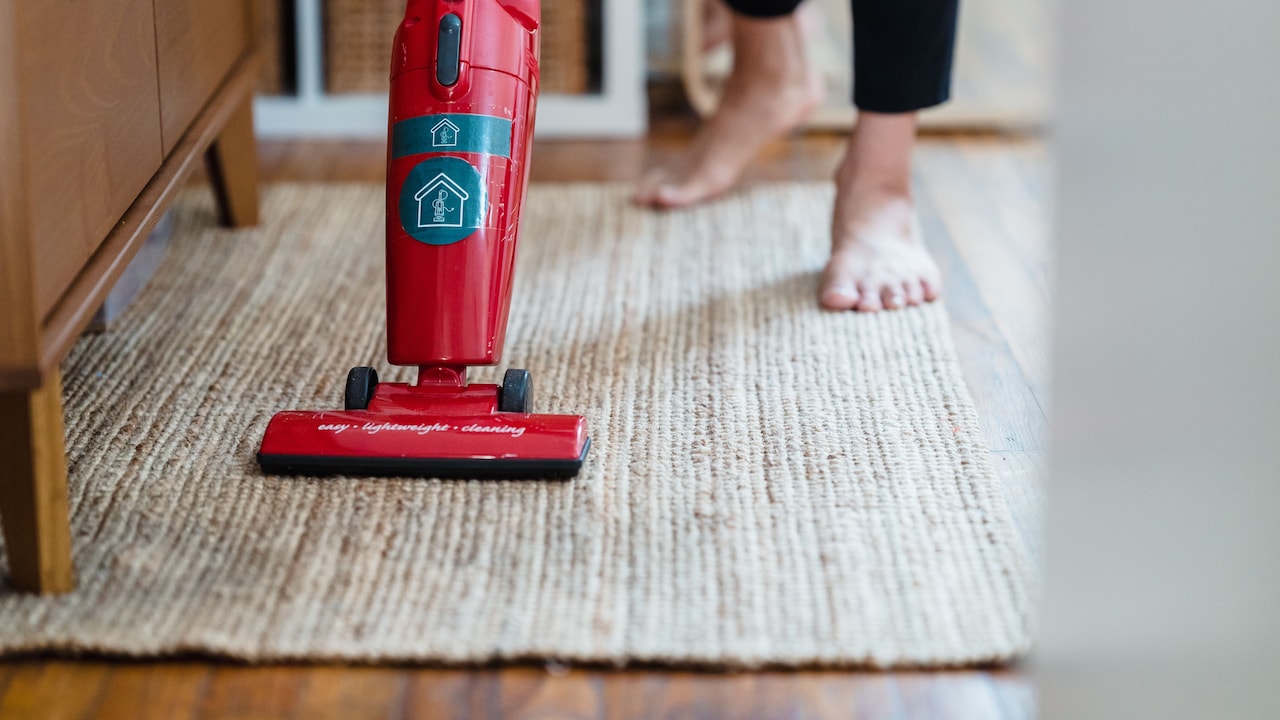
Look for consistent suction, practical attachments, a washable filter and an easy-to-empty dust container. Weight matters too. A heavy vacuum can tire the wrist during longer sessions, particularly while cleaning vents and seat gaps.
Build quality deserves attention. Strong clips, secure nozzles and a well-sealed container help maintain suction. Noise levels may also matter for people living in apartment complexes or cleaning early in the morning.
Customer reviews can reveal common issues such as overheating, weak batteries or unavailable filters. Warranty support adds reassurance, especially for higher-priced models.
A sensible budget falls between affordability and reliability. Spending ₹500 less on a weak machine often leads to frustration and replacement costs. A well-chosen vacuum should feel easy enough to use regularly. Convenience creates value only when the appliance performs without becoming another forgotten gadget in the boot.
Can A Handheld Car Vacuum Clean Floor Mats, Boot Space And Air Vents?
Photo Credit: Pexels
Products Related To This Article
1. WOSCHER AirVac Car Vacuum Cleaner 2in1 & Tyre Inflator for Car and Bike 150 PSI
2. Car Vacuum Cleaner 3 in 1 Cordless Handheld with 3 Attachments
3. Tusa Cordless Vacuum Cleaner for Car & Home
4. Brago TurboVac Cordless Vacuum Cleaner for Car & Home
5. SEZNIK Vacuum Cleaner for Home Use
6. andrew james 6-in-1 Portable Mini Car Vacuum Cleaner with Blower
7. Svoko 4-in-1 Portable Vacuum Cleaner for Car Use
A handheld car vacuum can clean floor mats, boot space and air vents, provided it offers adequate suction and includes the right attachments. It handles everyday dust, crumbs, hair, sand and dry debris with surprising efficiency. Carpeted mats may demand slower passes, while air vents need a narrow nozzle or soft brush.
The device works best as a maintenance tool rather than a substitute for deep detailing. Regular use prevents dirt from settling, keeps the cabin fresher and makes every journey more pleasant. Battery life, filtration, attachments and build quality all influence the final result, so careful selection matters.
A compact vacuum may not look powerful enough to transform a messy cabin, but appearances can mislead. Used patiently, it can rescue the boot after a grocery run, tidy floor mats after a dusty commute and clear vents before they blow grime across the dashboard.
For drivers who prefer a clean car without spending every weekend at a detailing centre, a handheld vacuum offers a practical middle path. Small machine, modest effort, noticeably cleaner journeys.
(Disclaimer: This article may include references to or features of products and services made available through affiliate marketing campaigns. NDTV Convergence Limited (“NDTV”) strives to maintain editorial independence while participating in such campaigns. NDTV does not assume responsibility for the performance or claims of any featured products or services.)