Best LED Face Mask For Sensitive Skin That Does Not Irritate: Here Is How To Choose
LED face masks promise glowing skin, but sensitive skin needs extra care. From light colours to material safety, here’s a practical guide to choosing an LED face mask that calms, not irritates.

Choose the best LED face mask for sensitive skin by considering these features.
LED face masks have gone from celebrity skincare secrets to at-home essentials. Scroll through social media or browse beauty gadgets online, and they're everywhere, promising clearer skin, fewer breakouts, and that elusive healthy glow. But for anyone with sensitive skin, excitement often comes with hesitation. Redness, tingling, flare-ups, or that uncomfortable tight feeling are real concerns.
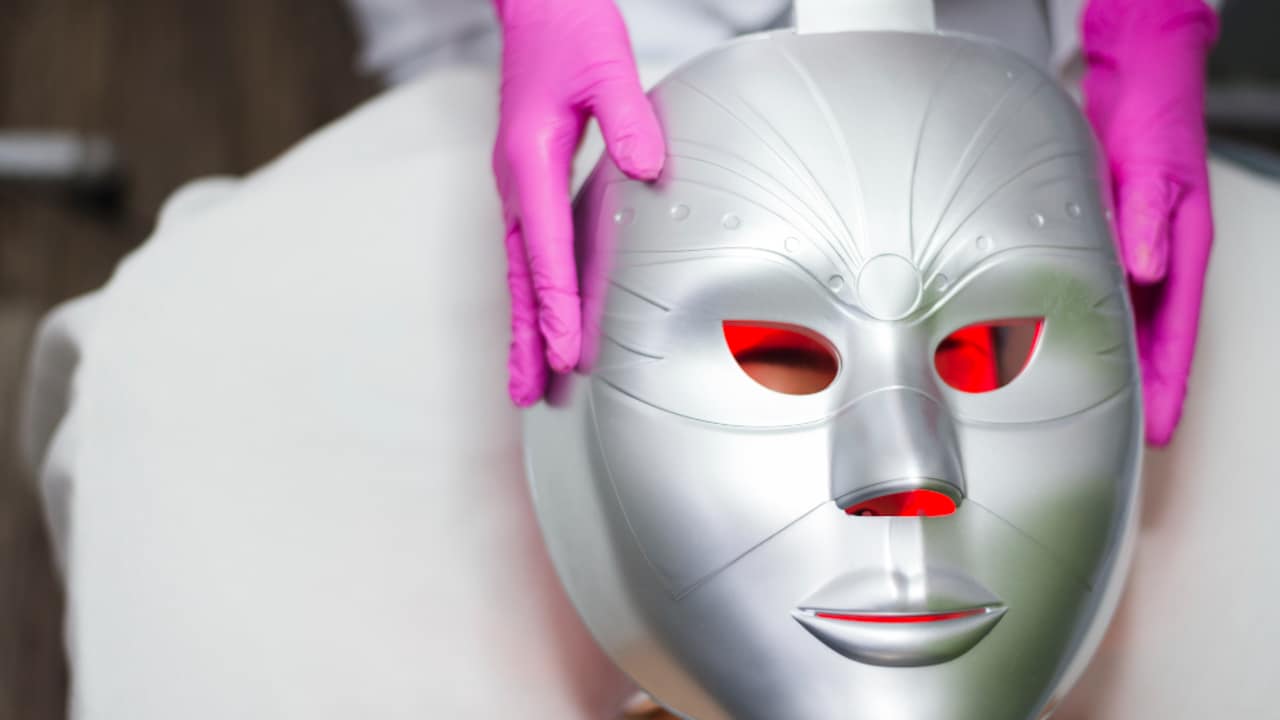
Always consider these features when buying an LED face mask to get your hands on the best one; Photo Credit: Freepik
Sensitive skin doesn't mean weak skin. It simply reacts faster. That reaction can come from heat, pressure, fragrance, or even the wrong light wavelength. So when it comes to LED therapy, choosing the right mask matters far more than chasing the strongest or most expensive option.
This guide breaks down how to pick an LED face mask that works gently and effectively. No technical overload, no exaggerated claims, just clear, practical points to help avoid irritation and get results without stress.
Also Read: All You Need To Know About LED Face Masks: From Acne To Anti-Ageing Benefits Are They Safe To Use?
What To Look For Before Choosing An LED Face Mask
1. Understand Which LED Light Colours Are Skin-Friendly
Not all LED lights behave the same way on sensitive skin. Red and near-infrared lights are usually the safest starting point. They work deeper within the skin, helping with collagen support and calming inflammation rather than triggering surface reactions.
Blue light, while popular for acne control, can be tricky. It targets bacteria but may cause dryness or irritation if used too often. Green and yellow lights are milder but vary widely in quality depending on the device.
For sensitive skin, fewer colours with proven benefits beat a rainbow of options. A well-calibrated red or red-plus-infrared mask often delivers results without overwhelming the skin barrier. If a device markets itself mainly on “seven colours,” pause and check what those colours actually do.
2. Check the Power Output, Not Just the Price
More power doesn't mean better skin. In fact, high-intensity LED masks can be too aggressive for reactive skin types. Sensitive skin responds best to low-to-moderate light intensity used consistently.
Many masks don't clearly advertise their irradiance levels, which makes reviews and brand transparency important. A gentler device used three to four times a week usually works better than a powerful one used rarely out of fear.
If the mask claims instant results in one session, that's a red flag. Skin improvements take time. Steady, controlled exposure supports repair without triggering redness or heat sensitivity.
3. Pay Attention to Mask Material and Inner Lining
Sensitive skin reacts not just to light but also to touch. Cheap plastic, rough edges, or poorly finished interiors can cause friction, pressure marks, or rashes, especially around the nose and jawline.
Look for masks made with medical-grade silicone or soft, skin-safe polymers. These materials sit comfortably and distribute pressure evenly. Lightweight masks also reduce strain during longer sessions.
If a mask feels heavy or stiff on the face, irritation becomes more likely, regardless of how advanced the LED technology is. Comfort is not a luxury here; it's part of skin safety.
4. Heat Management Matters More Than Expected
LED therapy should never feel hot. A slight warmth is normal, but noticeable heat buildup can irritate sensitive skin and weaken the skin barrier over time.
Quality masks include proper ventilation or temperature-regulated LED placement. Poorly designed devices trap heat, especially during 20-minute sessions.
If skin feels flushed long after removing the mask, that's a sign the device may be too harsh. Cooling breaks, shorter sessions, or switching devices altogether can prevent unnecessary flare-ups.
5. Adjustable Timers and Settings Are Non-Negotiable
Sensitive skin thrives on control. A one-button mask with a fixed session length may not suit everyone. Adjustable timers allow gradual introduction, starting with 5–10 minutes and building up slowly.
Some days skin feels calm; other days it reacts faster due to weather, stress, or lack of sleep. Custom settings let routines adapt without forcing consistency at the cost of comfort.
Masks with auto shut-off features also help avoid accidental overuse. It's easy to relax during a session and lose track of time, especially during night routines.

Choose an LED face mask with adjustable timer settings for a customised experience; Photo Credit: Unsplash
6. Certifications and Safety Standards Actually Matter
Skincare gadgets sit directly on the face, often close to the eyes. Certifications like CE or FDA clearance signal that the device meets basic safety and electrical standards.
While certification doesn't guarantee results, it reduces the risk of poorly regulated light output or unsafe materials. For sensitive skin, that baseline protection is important.
Avoid unbranded devices with vague descriptions or dramatic before-and-after claims but no safety details. Saving money upfront isn't worth dealing with irritation later.
7. Eye Protection Should Be Built-In, Not Optional
Sensitive skin often goes hand in hand with light sensitivity. Masks that leave eye areas exposed or require separate goggles can feel uncomfortable and unsafe.
Well-designed masks include shaded eye zones or built-in light diffusers that protect delicate areas without blocking treatment effectiveness. Squinting during sessions defeats the purpose of a relaxing skincare ritual.
If eyes feel strained or watery during use, it's a sign the mask design may not suit long-term use, regardless of skincare benefits.
8. Compatibility With Sensitive-Skin Routines
An LED mask should fit into an existing skincare routine, not disrupt it. Sensitive skin often relies on barrier-repair products, calming serums, and minimal layering.
Masks that require thick conductive gels or leave residue can complicate routines. Clean, dry skin before use and a gentle moisturiser after should be enough.
Avoid devices that recommend harsh pre-treatments or exfoliation before sessions. LED therapy works best on calm skin, not freshly stripped skin.
9. Gradual Results Are a Good Sign
Sensitive skin rarely responds well to dramatic overnight changes. Improvement usually shows as fewer flare-ups, a calmer tone, and a subtle glow rather than instant brightness.
Marketing often pushes quick transformations, but real progress feels quiet. Skin looks healthier in the mirror, makeup sits better, and irritation episodes reduce.
If redness increases consistently after use, that's feedback worth listening to. LED therapy should support skin, not challenge it.
10. Price vs Value: What Actually Makes Sense
Expensive doesn't always mean gentle, and budget doesn't always mean unsafe. The real value lies in thoughtful design, reliable light output, and comfort.
For many, a mid-range mask priced between ₹8,000 and ₹15,000 offers a better balance than ultra-cheap or luxury options. Replacement warranties, customer support, and clear usage guidelines also matter.
Think long-term. A mask used comfortably for years delivers more value than one abandoned after two irritating sessions.
Products Related To This Article
1. PROTOUCH 3 in 1 LED Face Mask
2. WINSTON Rechargeable Led Face Mask For Men And Women
3. LED Light Therapy Silicone Face Mask Ultra Lite
4. 7 LED Skin Care Mask for Face and Optical Cosmetic Mask and Portable Neck Skin Rejuvenation Light Therapy Facial Care Mask
5. wishplan Led Mask With Face Transforming Bluetooth Programmable APP Digital Smart LED
Choosing the best LED face mask for sensitive skin isn't about trends or hype. It's about understanding how skin reacts and respecting those limits. Gentle light wavelengths, comfortable materials, adjustable settings, and realistic expectations make all the difference.
When LED therapy feels calming rather than stressful, it becomes part of a sustainable routine, not another gadget gathering dust. Sensitive skin doesn't need stronger solutions; it needs smarter ones. And with the right choice, LED masks can support healthier, calmer skin without irritation or fear.
(Disclaimer: This article may include references to or features of products and services made available through affiliate marketing campaigns. NDTV Convergence Limited (“NDTV”) strives to maintain editorial independence while participating in such campaigns. NDTV does not assume responsibility for the performance or claims of any featured products or services.)