Does Higher Suction Guarantee Better Sand Removal? 10 Car Vacuum Myths Explained
Does stronger suction really remove more sand? This article busts 10 common car vacuum myths and explains what truly matters, from airflow and filters to nozzles, battery power and price.
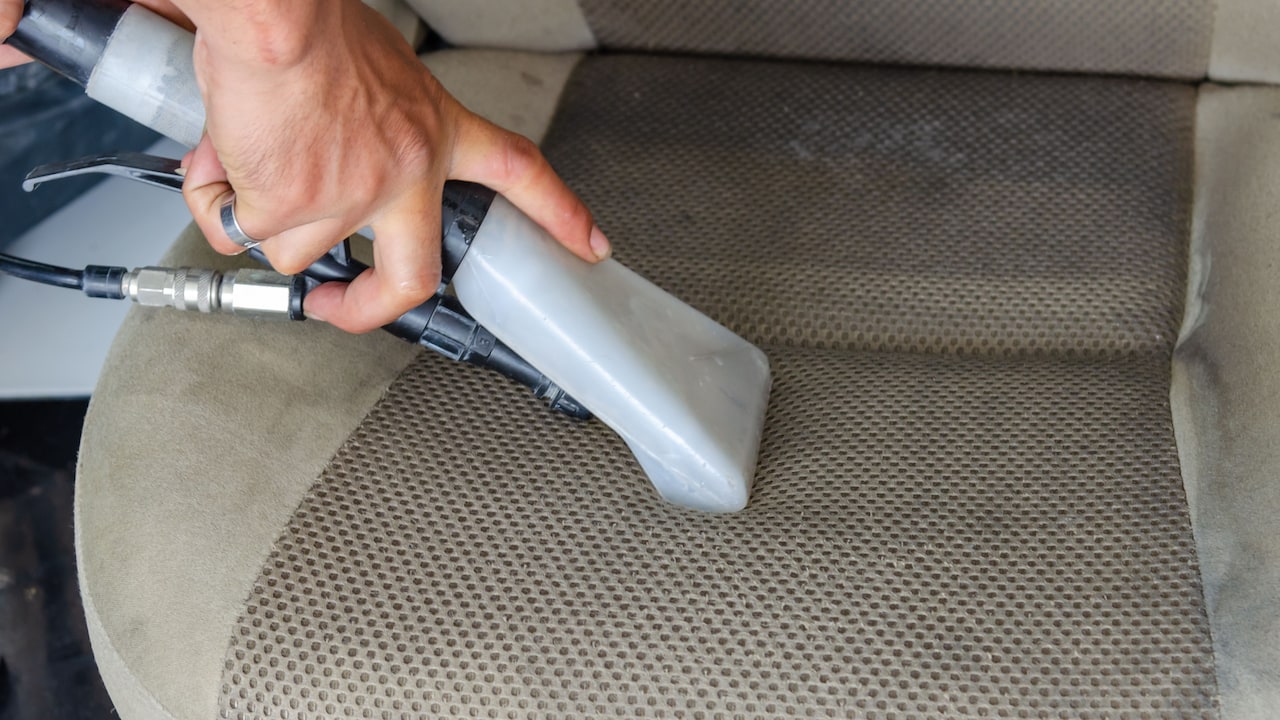
Does Higher Suction Mean Better Sand Removal? 10 Car Vacuum Myths Busted
A car can look spotless from the outside and still hide an entire snack counter beneath the seats. Crushed namkeen, dried mud, pet hair, dust, and the occasional lost coin somehow find their way into every narrow corner. Sand causes even more trouble. It settles deep inside carpet fibres and refuses to leave without a fight. This is where car vacuum marketing becomes confusing. One model boasts huge suction figures. Another highlights a high-speed motor. A third promises “cyclonic cleaning” that sounds powerful enough to lift the floor mats by itself. Shoppers often assume that a higher number must mean better cleaning. That assumption can lead to disappointment. A good car vacuum needs the right balance of suction, airflow, nozzle design, filtration, battery performance and ease of use. Raw power matters, but it does not work alone. A poorly designed machine with impressive specifications may struggle where a modest, well-built vacuum succeeds. The following myths separate practical cleaning facts from showroom drama.
Does Higher Suction Mean Better Sand Removal? 10 Car Vacuum Myths Busted; Photo Credit: Pexels
10 Common Car Vacuum Myths That Could Be Misleading You
Myth 1: Higher Suction Always Removes More Sand
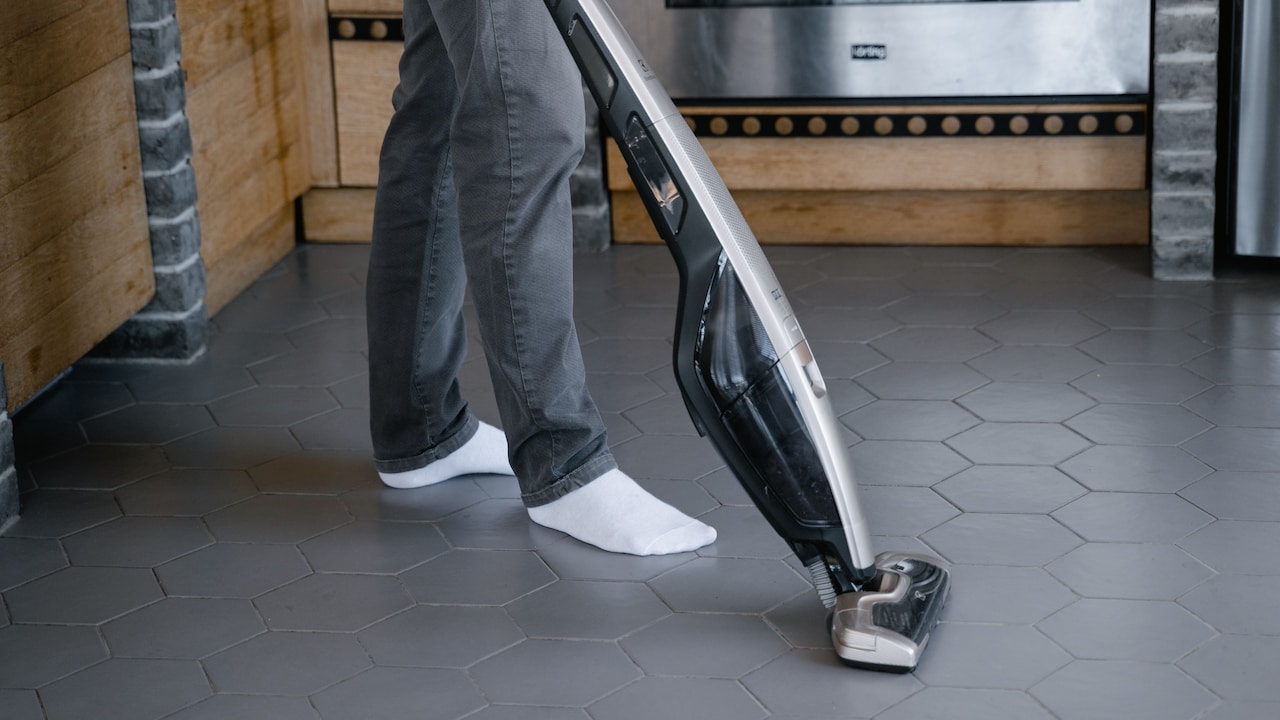
Higher suction can help, but it does not automatically guarantee better sand removal. Sand grains often sink into carpet fibres, floor-mat grooves and seat seams. A vacuum must loosen those grains before it can lift them.
Airflow plays a major role here. Strong airflow carries loosened particles through the nozzle and into the dust chamber. A machine may create impressive suction at the motor while delivering weak airflow at the cleaning head. Narrow internal passages, clogged filters or poor seals can reduce performance before the nozzle even reaches the carpet.
The brush attachment matters too. A stiff brush agitates the fibres and brings buried sand closer to the surface. Without that movement, the nozzle may simply glide over the top layer.
Think of sweeping a balcony after a dusty afternoon. A powerful gust of air alone may scatter dirt around. A broom first loosens it, gathers it and makes removal easier. Car carpets behave in a similar way.
For sandy interiors, the best vacuum combines steady suction, healthy airflow and a brush that reaches deep into textured fabric.
Also Read: Best Vacuum Cleaners Under ₹5,000: The Smart Shoppers' Guide
Myth 2: The Biggest Wattage Means The Strongest Vacuum
Wattage usually tells buyers how much electrical power a vacuum consumes. It does not directly reveal how effectively the machine cleans.
A high-wattage motor may draw more energy while wasting some of it through heat, friction or poor internal design. A lower-wattage model with efficient seals and smooth airflow channels can sometimes perform better. Motor efficiency makes a noticeable difference, especially in compact handheld machines.
The confusion grows because brands often place wattage in large print. It looks clear, measurable and reassuring. A shopper comparing two boxes may naturally choose the one with the larger figure. Yet that number says little about nozzle suction, airflow rate or performance on actual car upholstery.
Corded models can also advertise higher wattage because they pull continuous power from a 12V socket. Battery-powered models must manage energy more carefully. That does not make cordless machines weak by default.
Treat wattage like a restaurant kitchen's gas consumption. A larger bill does not guarantee tastier food. Skill, equipment and efficiency still decide the result.
Cleaning tests, attachment quality and sustained performance offer more useful clues than wattage alone.
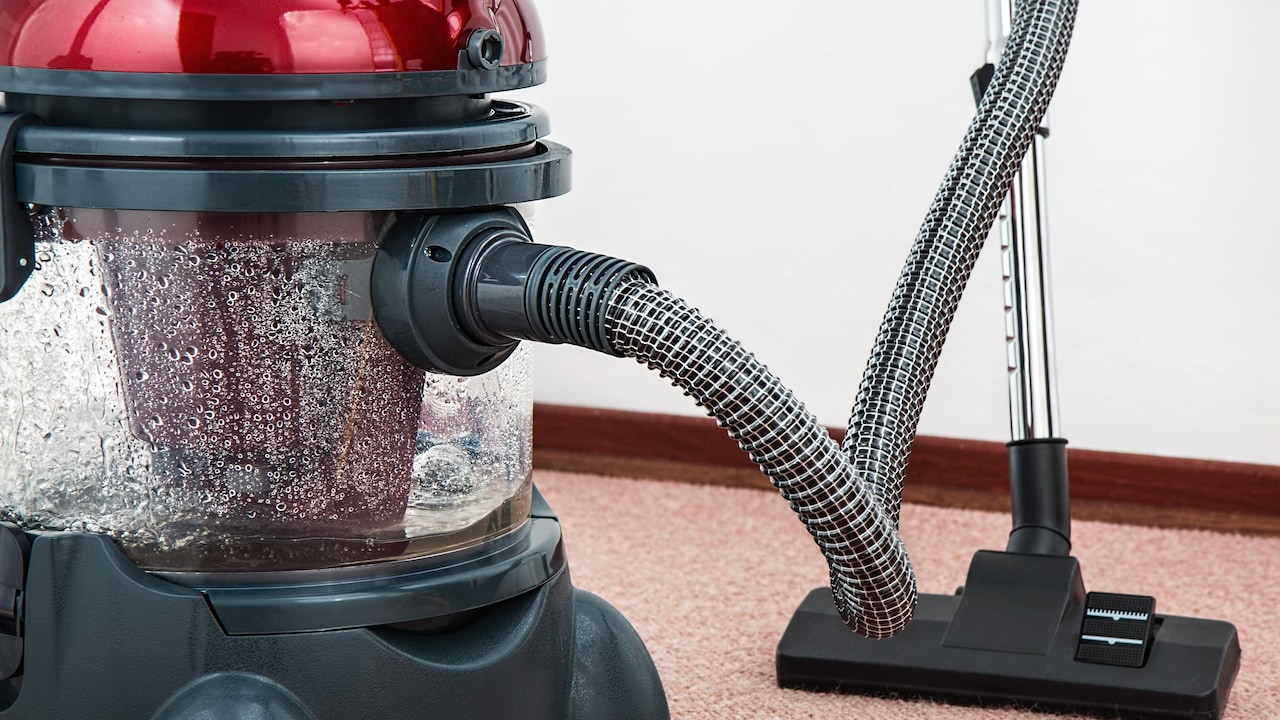
Does Higher Suction Mean Better Sand Removal? 10 Car Vacuum Myths Busted; Photo Credit: Pexels
Myth 3: Motor RPM Reveals Real Cleaning Power
Motor speed sounds exciting. A vacuum spinning at tens of thousands of revolutions per minute appears almost unstoppable. Unfortunately, RPM alone cannot show how well a machine removes dust, crumbs or sand.
Motor design, fan shape, air-path efficiency and chamber construction all influence cleaning performance. A fast motor connected to a poorly designed fan may create plenty of noise without producing useful suction. Another motor may run at a lower speed but move more air through a better impeller.
RPM figures can also describe unloaded motor speed. Real cleaning puts the machine under pressure. Filters collect dust, nozzles meet resistance and airflow changes. Performance may drop sharply after a few minutes, even though the advertised motor speed remains impressive on paper.
This resembles judging a scooter only by engine RPM. The number means little without torque, gearing, weight and road conditions. A vehicle that revs loudly does not always climb a flyover smoothly.
Look for balanced specifications and practical reviews. A vacuum should maintain power when the dust cup begins to fill. It should also clean corners without sounding like a mixer-grinder preparing chutney for an entire wedding.
Myth 4: Cordless Vacuums Are Always Too Weak
Early cordless car vacuums often lacked endurance and power. That reputation still follows modern models, even though battery technology has improved considerably.
A well-designed cordless vacuum can handle regular dust, food crumbs, hair and light sand with ease. It also offers freedom of movement. There is no cable wrapping around the gear lever, catching beneath the seat rail or falling short of the boot.
However, cordless performance varies widely. Battery voltage, motor efficiency and power-management settings affect the result. Some models provide a short turbo mode for difficult patches and a normal mode for routine cleaning. Others lose strength as the battery drains.
Corded vacuums still make sense for longer sessions. They can run continuously through a 12V socket, which helps when cleaning a large SUV after a family road trip. Yet the cable may limit movement, and some vehicle sockets cannot support demanding appliances safely.
Neither format wins every time. A cordless vacuum suits quick weekly cleaning. A corded unit may work better for prolonged jobs.
Choose based on cleaning habits rather than an old assumption that every battery-powered vacuum lacks muscle.
Myth 5: A HEPA Filter Automatically Improves Suction
A HEPA filter can improve air quality by trapping very fine particles. It does not automatically increase suction. In fact, a dense or dirty filter can restrict airflow and reduce cleaning performance.
This does not make HEPA filtration unnecessary. It can help households dealing with pollen, fine dust or pet dander. The problem begins when buyers treat the label as proof of overall quality. A vacuum needs proper sealing around the filter. Otherwise, air may leak around the edges and carry dust back into the cabin.
Maintenance also matters. Fine particles quickly coat compact filters, especially after cleaning dry mud or powdery roadside dust. As the filter clogs, the motor works harder while airflow falls. The vacuum may sound energetic yet collect less dirt.
Washable filters offer convenience, but they must dry completely before reuse. A damp filter can attract more dust, create odour and strain the motor. Replacements should also remain easy to find and reasonably priced, perhaps around ₹300 to ₹800 depending on the model.
A good filtration system protects the air without choking the vacuum. Regular cleaning keeps that balance intact.
Myth 6: One Nozzle Can Clean The Entire Car
A standard nozzle can collect visible crumbs from flat surfaces. It rarely handles every part of a car well.
Cabins contain awkward spaces. Dust gathers between the seat and centre console. Sand hides in floor-mat grooves. Hair clings to fabric. Tiny particles settle around air vents and dashboard buttons. One broad nozzle cannot reach all these areas with equal success.
A crevice tool works best along seat rails, door pockets and narrow gaps. A brush tool loosens dust from textured plastics, upholstery and carpets. A flexible extension hose helps reach beneath seats without forcing the vacuum into uncomfortable angles. Pet owners may benefit from a rubberised brush that pulls hair away from fabric.
Attachment design also affects suction. An extremely narrow nozzle concentrates pulling force but covers less area. A wide head cleans faster but may struggle with deeply trapped particles.
The right attachment acts like the right utensil in a busy kitchen. A pressure cooker cannot replace every pan, no matter how useful it seems.
A compact accessory set usually offers better value than one oversized nozzle paired with dramatic marketing claims.
Myth 7: Louder Vacuums Clean Better
Noise often creates the illusion of power. A loud vacuum feels busy, aggressive and effective. Yet sound does not equal suction.
Poor insulation, motor vibration and turbulent airflow can make a weak machine surprisingly noisy. Loose plastic parts may add rattles that sound powerful in a shop demonstration. Meanwhile, a better-engineered vacuum may produce stronger airflow with less disturbance.
High noise levels also make cleaning unpleasant. A ten-minute job inside a closed cabin can feel much longer when the vacuum screams beside the ears. Early-morning cleaning may also annoy neighbours who had no plans to wake up with the apartment parking area.
Pay attention to the sound itself. A smooth, steady tone usually suggests better construction than a harsh whine or irregular rattle. Sudden changes in pitch may indicate a blocked nozzle, full dust cup or clogged filter.
Noise can provide clues, but it should never act as the main buying test. A quiet machine with efficient airflow may outperform a noisy rival.
Good engineering removes dirt without turning a simple Sunday car-cleaning session into an unexpected sound check.
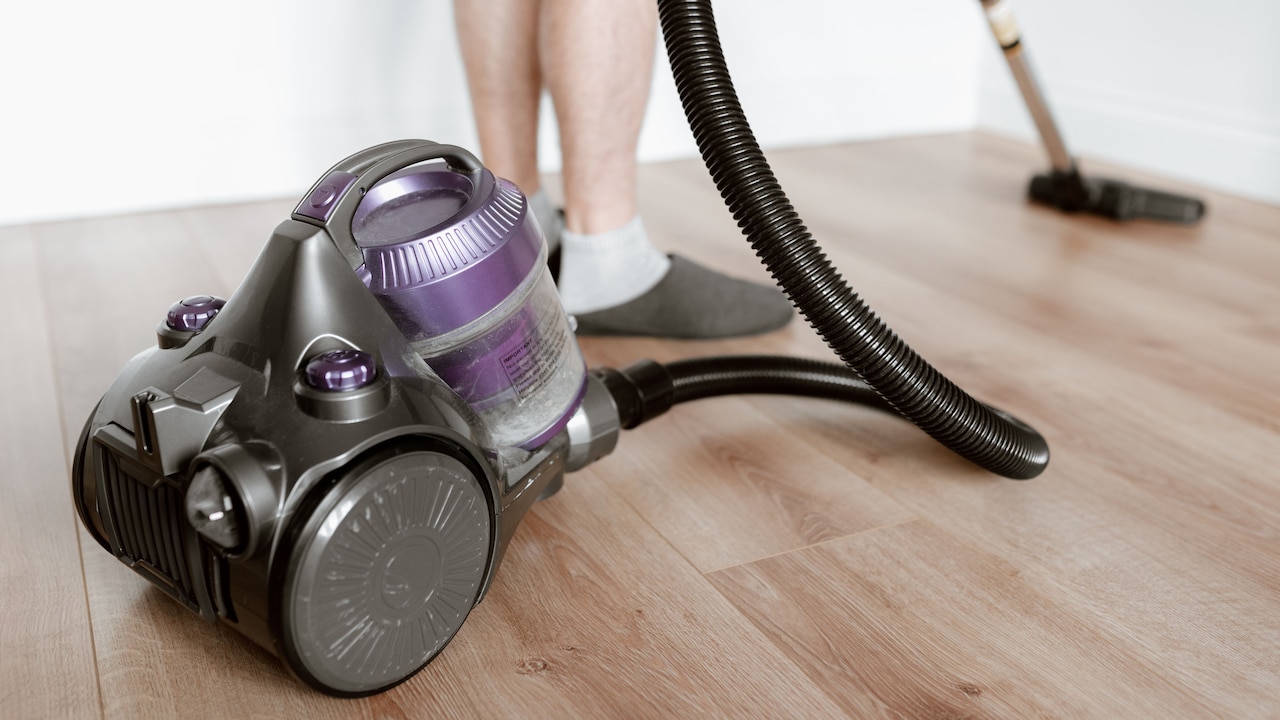
Does Higher Suction Mean Better Sand Removal? 10 Car Vacuum Myths Busted; Photo Credit: Pexels
Myth 8: A Larger Dust Cup Is Always Better
A larger dust cup holds more debris, which sounds convenient. Yet size brings trade-offs.
Large chambers increase the vacuum's weight and bulk. That may not matter on open floor mats, but it becomes tiring when cleaning door pockets, seat backs or the roof lining. A bulky machine also struggles beneath low seats and inside compact storage spaces.
Dust-cup shape matters as much as capacity. Poorly designed chambers allow debris to block the filter quickly. Sand and hair may collect around narrow openings, reducing airflow before the cup becomes full. Some containers also create a cloud of dust during emptying, which sends part of the mess straight back towards the car.
A smaller cup can work well when it empties easily and keeps dirt away from the filter. For routine weekly cleaning, huge capacity offers little advantage. Most cabins produce less waste than people expect unless children, pets or regular highway trips join the picture.
Consider handling comfort before chasing capacity. A balanced vacuum that feels light in the hand often gets used more frequently. That regular use keeps the car cleaner than a heavy machine left inside a cupboard.
Myth 9: Car Vacuums Can Safely Pick Up Any Spill
Many car vacuums handle dry debris only. Using them on water, tea, juice or wet mud can damage the motor and create an electrical risk.
Wet-and-dry models include special protection, seals and collection systems. A normal dry vacuum does not. Liquid can reach internal electrical parts, clog paper filters or turn dust into a sticky paste. That mixture soon produces unpleasant smells.
Even wet-and-dry vacuums have limits. They may collect a small spill, but they cannot always extract moisture trapped deep inside seat foam. A cup of chai tipped during sudden braking may require towels, upholstery cleaning and proper drying. Vacuuming the surface alone may leave dampness underneath.
Always check the manufacturer's instructions before collecting liquid. Marketing phrases such as “all-purpose cleaning” do not necessarily mean wet use. The product description should clearly mention wet-and-dry capability.
For fresh spills, blot first rather than rubbing. Remove as much liquid as possible before using suitable equipment. Fast action reduces stains and odour.
A vacuum can rescue a messy cabin, but treating every model like a miniature commercial extractor invites trouble.
Myth 10: Expensive Vacuums Always Deliver Better Results
Price often reflects build quality, battery technology, attachments, warranty and brand reputation. It does not guarantee perfect cleaning.
A premium vacuum costing ₹8,000 may offer excellent filtration and polished design. Yet a ₹3,000 model could suit a small hatchback better if it has a useful crevice tool, strong airflow and easy maintenance. Paying for features that never get used brings little value.
Some expensive models prioritise appearance over practicality. Glossy surfaces scratch easily. Complex dust chambers take longer to clean. Proprietary filters may cost more and remain difficult to replace. On the other hand, extremely cheap vacuums may suffer from weak batteries, brittle plastic and poor seals.
The sensible choice sits where performance meets routine. Someone cleaning pet hair every few days needs different features from someone removing occasional biscuit crumbs. Boot size, storage space and access to a power socket also matter.
Check replacement-filter prices, warranty support and user feedback about long-term suction. A machine should remain useful after several months, not only during its first demonstration.
Value comes from dependable performance, not from the most expensive price tag on the shelf.
Products Related To This Article
1. Tusa Cordless Vacuum Cleaner for Car & Home
2. SEZNIK Vacuum Cleaner for Home Use
3. Svoko 4-in-1 Portable Vacuum Cleaner for Car Use
4. Autofy Storm 3 [4-in-1] Powerful & Fully Wireless Car Vacuum Cleaner Air Blower
5. Reffair Cleanjet CX50 Cordless Vacuum Cleaner for Car & Home
6. NUUK REN GO Cordless Car and Home Vacuum Cleaner
7. WOSCHER AutoVac Pro High Power Auto Car Vacuum Cleaner for Deep Cleaning
Higher suction can improve sand removal, but it cannot work miracles on its own. Carpet agitation, airflow, nozzle shape, filter condition and machine design all influence the final result.
The best car vacuum does not need the loudest motor, largest wattage figure or fanciest label. It needs to suit the cabin, the type of mess and the cleaning routine. A lightweight cordless model may handle weekly crumbs perfectly. A corded wet-and-dry machine may suit frequent road trips, children or muddy footwear.
Before buying, look beyond the bold numbers. Check how easily the vacuum reaches under seats, whether the attachments feel useful and how simple the filter is to clean. Also consider replacement parts and battery performance.
A little practical thinking can prevent an expensive mistake. After all, the goal is not to own the most dramatic vacuum in the parking area. The goal is to remove the sand before it becomes a permanent part of the floor mat.
(Disclaimer: This article may include references to or features of products and services made available through affiliate marketing campaigns. NDTV Convergence Limited (“NDTV”) strives to maintain editorial independence while participating in such campaigns. NDTV does not assume responsibility for the performance or claims of any featured products or services.)