Is Monthly AC Filter Cleaning Enough Near Construction? 10 Maintenance Myths Homeowners Should Know
Construction dust can clog AC filters, coils and drains faster than expected. Discover 10 common maintenance myths that can reduce cooling, raise power bills and shorten your AC’s lifespan.
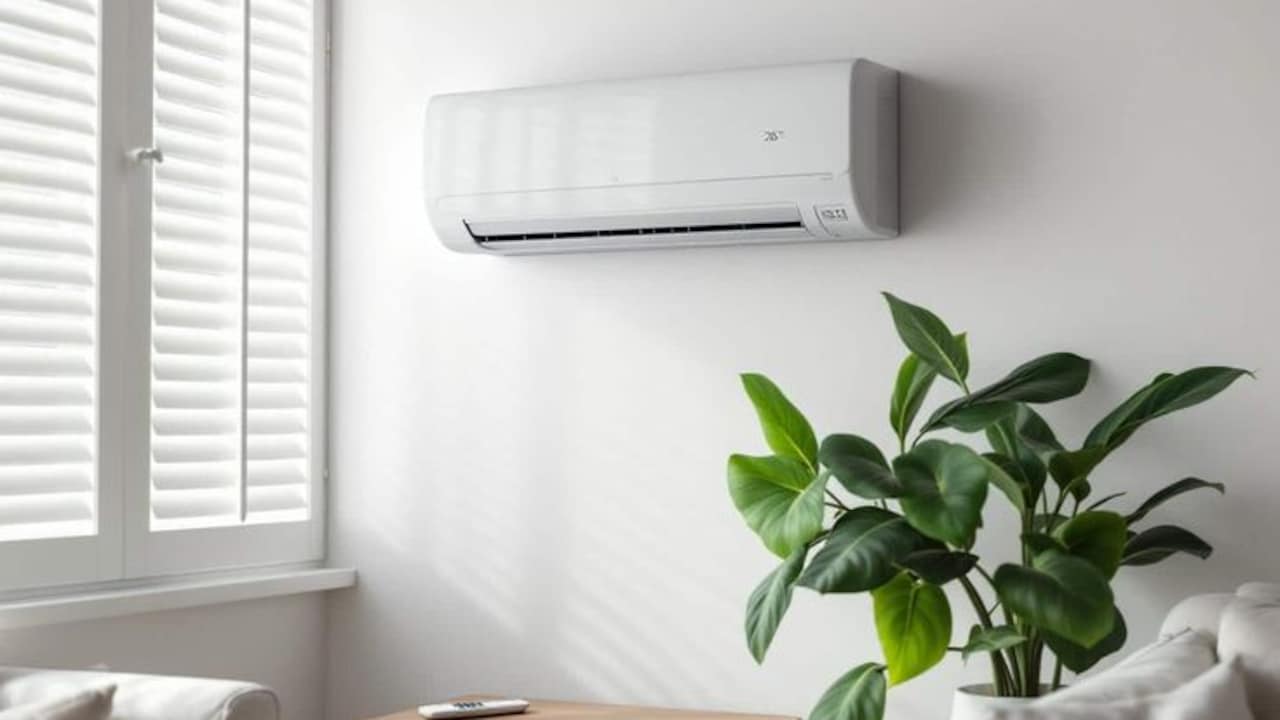
Is Monthly AC Filter Cleaning Enough Near Construction? 10 Myths Debunked
A new tower rises next door. Drilling begins before breakfast, cement dust floats through the afternoon, and every surface at home develops a pale grey coat by evening. The air conditioner may still hum along, but inside the unit, the story can look very different. Many households follow one simple rule: clean the AC filter once a month and everything will remain fine. Under normal conditions, that routine may work reasonably well. Near an active construction site, however, dust enters faster, settles deeper and reaches parts that a quick filter wash cannot protect. Fine particles can clog cooling coils, coat blower fans, block drain lines and strain the compressor. The result often appears gradually: slower cooling, musty smells, water leakage, louder operation or a power bill that suddenly feels unfriendly. AC care also attracts plenty of half-truths. Some sound sensible, while others survive because the machine continues working despite neglect. Here are ten maintenance myths that deserve a closer look.
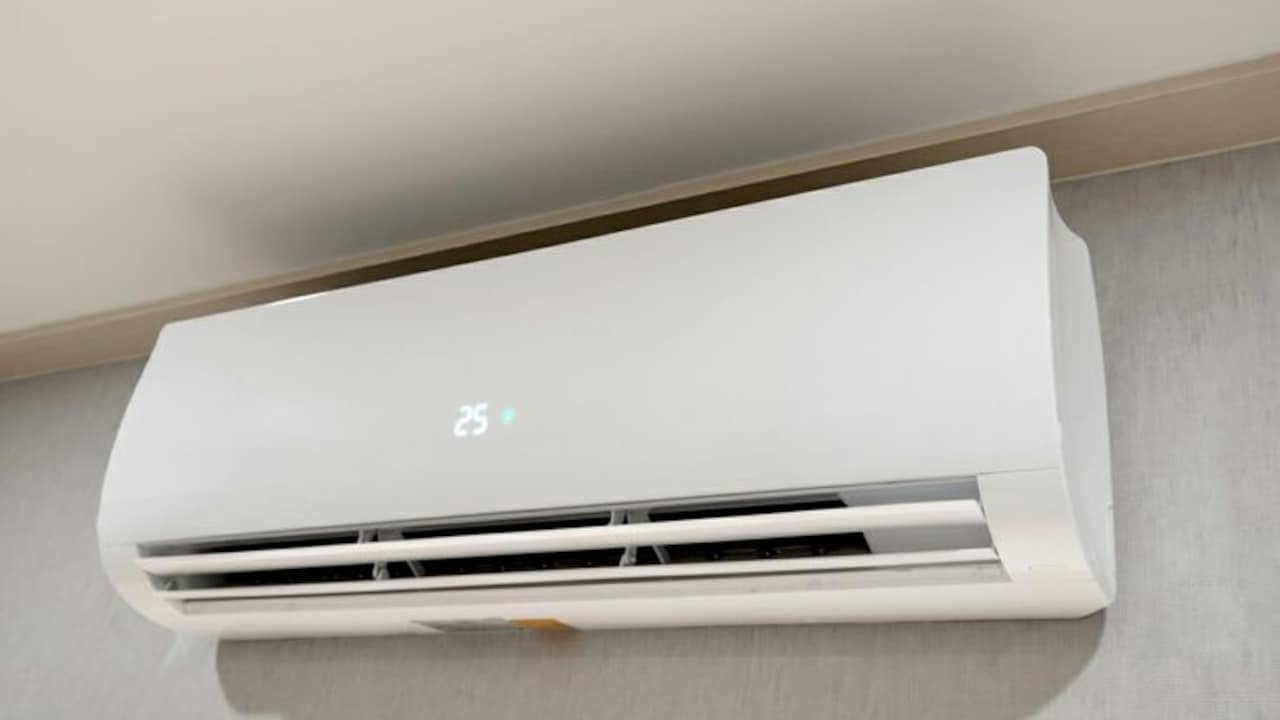
Is Monthly AC Filter Cleaning Enough Near Construction? 10 Myths Debunked; Photo Credit: Pexels
10 AC Maintenance Myths That Could Cost You More
Myth 1: Cleaning The Filter Once A Month Is Always Enough
Monthly filter cleaning sounds like a solid rule, but construction activity changes the timetable. Cement powder, sand, sawdust and fine debris can enter through tiny gaps around windows and doors. Even homes several floors above the site may experience heavy indoor dust.
During intense construction, inspect the filter every seven to fifteen days. A filter that looks grey, feels chalky or carries a visible layer of dirt needs cleaning, regardless of the date. Waiting for the monthly reminder can force the AC to pull air through a clogged surface.
Restricted airflow makes the unit work harder to reach the selected temperature. Cooling slows down, electricity use rises and the blower motor faces extra stress. The room may still become cold eventually, which makes the problem easy to ignore.
Treat the calendar as a starting point, not a commandment. Construction schedules, wind direction, floor level and window usage all affect dust exposure. A home beside daily drilling needs a different routine from one near a nearly completed building.
Also Read: Top 5 Air Conditioners Under ₹50,000 For Powerful Cooling
Myth 2: A Clean Filter Means The Entire AC Is Clean
The filter acts as the first line of defence, not an invisible shield around the entire appliance. Fine dust often slips through, especially when filters have loose edges, small tears or poor fitting. Some particles also enter when the front panel opens during cleaning.
Over time, this dust settles on the evaporator coil, blower wheel and internal fins. A clean filter can therefore sit in front of a surprisingly dirty unit. The AC may look neat from outside while its internal airflow resembles traffic during peak hour.
A dusty cooling coil cannot exchange heat efficiently. A coated blower fan may move less air and create an uneven breeze. These problems usually develop slowly, so homeowners often blame hot weather, room size or an ageing machine.
Check beyond the filter during routine servicing. Ask the technician to inspect the coil, blower, drain tray and internal casing. Near construction, a deeper cleaning may become necessary more often than the standard annual visit. Clean filters matter, but they form only one part of proper AC care.
Myth 3: More Cooling Time Simply Means Hotter Weather
Summer heat certainly increases cooling time, but it should not become the default explanation for every sluggish AC. When a unit that once cooled the room in fifteen minutes suddenly needs forty, dust may have started choking the airflow.
Construction particles can cover the indoor coil and outdoor condenser fins. The system then struggles to absorb heat from the room and release it outside. Lowering the temperature from 24°C to 18°C will not solve that problem. It only keeps the compressor running longer.
Other warning signs include weak airflow, uneven cooling, frequent compressor cycling and unusual sounds. The room may feel clammy even when the display shows a low temperature. Curtains, sunlight and crowded rooms can affect cooling too, but sudden changes deserve attention.
Before blaming May, June or the afternoon sun, compare the AC's current performance with its usual behaviour. A basic inspection can often identify blocked filters, dirty coils or restricted outdoor airflow. Weather creates extra demand, but neglected maintenance turns that demand into a costly struggle.
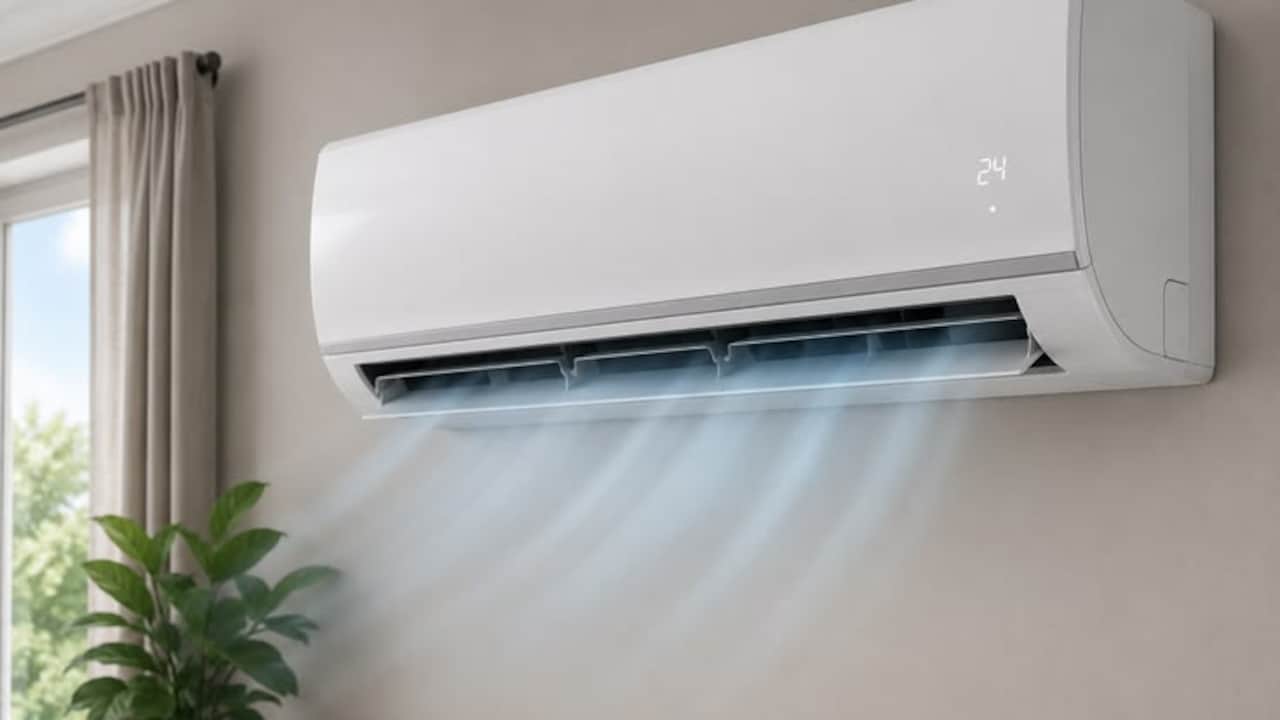
Is Monthly AC Filter Cleaning Enough Near Construction? 10 Myths Debunked; Photo Credit: Pexels
Myth 4: The Outdoor Unit Can Handle Any Amount Of Dust
The outdoor unit looks rugged, so many homeowners assume that it can tolerate endless dust, rain and debris. It cannot. The condenser needs clear airflow to release the heat collected from inside the room.
Construction dust can settle between the thin metal fins and form a stubborn layer. Plastic sheets, loose packaging, dry leaves and cement particles may also gather around the unit. When airflow drops, the compressor works harder and stays hot for longer.
Never cover a running outdoor unit with cloth or plastic to protect it from dust. That solution creates a bigger problem by trapping heat. Instead, maintain clear space around the unit and use a properly designed protective shade that does not obstruct ventilation.
A technician should clean the condenser fins carefully, using suitable pressure and tools. Aggressive scrubbing can bend the delicate fins and reduce airflow further. Homeowners can remove loose debris from the surrounding area, but deep cleaning needs care.
The outdoor unit may survive harsh conditions, yet survival does not equal efficiency. It needs room to breathe, especially when the neighbourhood appears permanently wrapped in beige dust.
Myth 5: Water Leakage Always Means A Gas Problem
Water dripping from an indoor AC often causes instant panic. Someone usually announces, with great confidence, that the “gas has finished”. Refrigerant issues can contribute to icing and leakage, but they do not cause every dripping problem.
Construction dust frequently blocks the drain pipe or collects in the drain tray. Water from normal condensation then struggles to leave the unit. It may overflow inside the room, stain the wall or drip onto the floor at the least convenient moment.
A dirty filter or coil can also reduce airflow and cause ice to form. When that ice melts, the tray may receive more water than it can handle. Incorrect installation, poor drainage slope and cracked pipes can create similar symptoms.
Avoid repeatedly switching the unit on and placing a bucket underneath as a long-term plan. Turn it off and arrange an inspection. A technician should check the drain line, tray, coil condition, installation angle and refrigerant pressure.
Guessing often leads to unnecessary gas refilling charges. Proper diagnosis saves money and prevents the same leak from returning after the next humid evening.
Myth 6: Chemical Cleaning Works Better Every Time
Strong chemicals can remove stubborn grime, but they do not belong in every cleaning session. Frequent or careless chemical use may damage coil coatings, irritate household members and leave unpleasant fumes behind.
For light dust, careful vacuuming, brushing or water-based cleaning may provide enough results. Heavy grease, mould or deeply embedded dirt may require a suitable coil cleaner. The method should match the condition of the machine, not the technician's favourite shortcut.
Ask what product the service team plans to use and why. The cleaner should suit air-conditioning coils and should not attack aluminium, copper, plastic or protective coatings. Thorough rinsing also matters. A quick spray followed by immediate reassembly can leave residue inside the unit.
Homes with children, older adults, pets or people with respiratory sensitivities need extra caution. Keep the room ventilated after servicing and do not restart the AC until the components have dried properly.
The strongest-smelling solution does not automatically deliver the best service. Good maintenance relies on inspection, technique and appropriate products. An AC should smell fresher after cleaning, not like a chemistry laboratory preparing for board exams.
Myth 7: Lowering The Temperature Cleans Or Protects The AC
Setting the AC to 16°C does not make it clean faster, cool more intelligently or push dust out of the system. It simply asks the machine to keep working until the room reaches a very low target, which may never happen during extreme heat.
A dirty AC cannot overcome restricted airflow through determination. The compressor may run longer, electricity consumption may increase and comfort may still remain disappointing. The remote control cannot repair a clogged coil, blocked filter or dusty blower.
A setting between 24°C and 26°C often provides comfortable cooling for many homes while keeping energy use under control. Ceiling fans can help circulate cool air, allowing the room to feel pleasant without demanding an icy temperature.
Near construction, focus on reducing dust entry. Keep windows closed during peak drilling, seal obvious gaps and clean nearby surfaces with a damp cloth rather than a dry broom. Dry sweeping can send settled particles straight back into the air.
Temperature settings manage comfort. Maintenance protects performance. Mixing up these two jobs turns the remote into an expensive stress button.
Is Monthly AC Filter Cleaning Enough Near Construction? 10 Myths Debunked; Photo Credit: Pexels
Myth 8: Servicing Once A Year Suits Every Home
Annual servicing works as a broad recommendation, not a universal law. A lightly used bedroom AC in a quiet area faces different conditions from a living-room unit beside a construction project.
Usage hours, dust levels, humidity, pets, cooking fumes and ventilation habits all affect maintenance needs. A unit that runs ten hours daily may need attention more often than one used only on weekends. Construction can shorten that interval further.
Watch performance rather than waiting for a fixed date. Weak airflow, unusual noise, musty odours, visible dirt, rising power consumption and water leakage all signal that the AC needs inspection. Regular filter checks can also reveal how quickly dust builds up.
A sensible routine near heavy construction may include frequent filter cleaning, periodic visual checks and professional deep cleaning when internal components collect dirt. This approach prevents minor build-up from becoming a major repair.
The cost of preventive service often feels inconvenient until compared with a compressor replacement or an electricity bill inflated by poor efficiency. Maintenance should follow the environment around the machine, not a yearly festival reminder on the family calendar.
Myth 9: Any Local Technician Can Handle Every AC
Experience matters, but modern air conditioners differ in design, electronics and refrigerant systems. Inverter ACs, smart controls and specialised components need technicians who understand the model and use proper diagnostic tools.
A casual “gas top-up” without leak detection can waste money. Refrigerant does not disappear through normal use. If the level drops, a leak may exist. Refilling without repairing it only postpones the problem.
Poor cleaning techniques can also bend fins, damage sensors, wet circuit boards or disturb drainage connections. A suspiciously low service charge may become expensive when the AC starts making new noises two days later.
Choose trained professionals or reliable service providers with clear pricing and itemised work. Ask what they inspected, what they cleaned and whether any part needs replacement. Request old parts back when replacements occur. A trustworthy technician should explain the problem without turning every dusty coil into a dramatic mechanical tragedy.
Price matters, but skill matters more. Spending ₹500 less on careless service can lead to repairs costing several thousand rupees. The right technician protects both the appliance and the household budget.
Myth 10: AC Maintenance Only Matters During Summer
Many households remember the AC only when the first brutal heatwave arrives. By then, service appointments fill up, prices may rise, and neglected dust has had months to settle.
The period before summer offers a better opportunity for inspection. Technicians can test cooling, clean internal parts, check electrical connections and clear drain lines before the machine starts running daily. Post-monsoon checks also help because moisture encourages mould, odours and drain blockage.
Construction dust does not follow the summer calendar. It enters homes throughout the year and may remain inside the unit while it sits unused. Covering the indoor unit does little if dust already coats its internal components.
Run the AC briefly every few weeks during long idle periods, provided the weather and manufacturer guidance allow it. This helps reveal strange sounds, odours or drainage issues before urgent cooling becomes necessary.
Think of maintenance as seasonal housekeeping rather than emergency repair. No one waits for guests to arrive before discovering that the sofa has become a storage cupboard. The AC deserves the same foresight.
Products Related To This Article
1. Hitachi 1.5 Ton 5 Star, New star rated, Inverter Split AC
2. Voltas 1.5 ton 3 star, New star rated, Rating Inverter Split AC
3. Panasonic 1.5 Ton 5 Star Premium Wi-Fi Inverter Smart Split AC
4. Cruise 1 Ton 3 Star VarioQool Split AC (2026 Model
5. IFB 1 Ton 3 Star, New star rated, AI Powered Inverter Split AC
6. LG 1.5 Ton 5 Star, Smart Inverter Split AC
Monthly filter cleaning remains a useful habit, but homes near construction often need more attention. Dust travels beyond the filter and settles on coils, fans, drains and outdoor units. Ignoring those areas can reduce cooling, increase power use and shorten the life of the machine.
The best routine depends on real conditions. Inspect filters frequently, notice changes in airflow and sound, keep the outdoor unit clear, and schedule professional cleaning when dirt reaches internal parts. Avoid automatic gas refills, harsh chemical treatments and technicians who diagnose every problem within thirty seconds.
An air conditioner rarely fails without warning. It usually whispers first through weak airflow, odd smells, dripping water or a bill that suddenly looks ambitious. Listening early can protect comfort, health and household finances.
Near construction, monthly cleaning may serve as the minimum. Thoughtful inspection and timely maintenance make the real difference.
(Disclaimer: This article may include references to or features of products and services made available through affiliate marketing campaigns. NDTV Convergence Limited (“NDTV”) strives to maintain editorial independence while participating in such campaigns. NDTV does not assume responsibility for the performance or claims of any featured products or services.)