Does More Microwave Time Always Heat Food Better? 10 Reheating Myths Explained
Does reheating food for longer make it hotter and tastier? From uneven heating to food safety, discover 10 common microwave myths and the simple habits that help you reheat meals better.
Myths to know about microwave reheating before buying the appliance
A plate of leftover biryani goes into the microwave for two minutes. The timer beeps, the plate feels hot, and everything looks ready. Then comes the first bite. The rice near the edges could practically burn your tongue, while the chicken in the middle remains disappointingly cold. Another minute should fix that, right? Not necessarily. Microwaves have become everyday kitchen companions, especially when busy schedules leave little time for elaborate meals. They warm yesterday's dal, rescue forgotten cups of tea, and make refrigerated lunches convenient. Yet, despite their popularity, plenty of confusion surrounds how these appliances actually work.
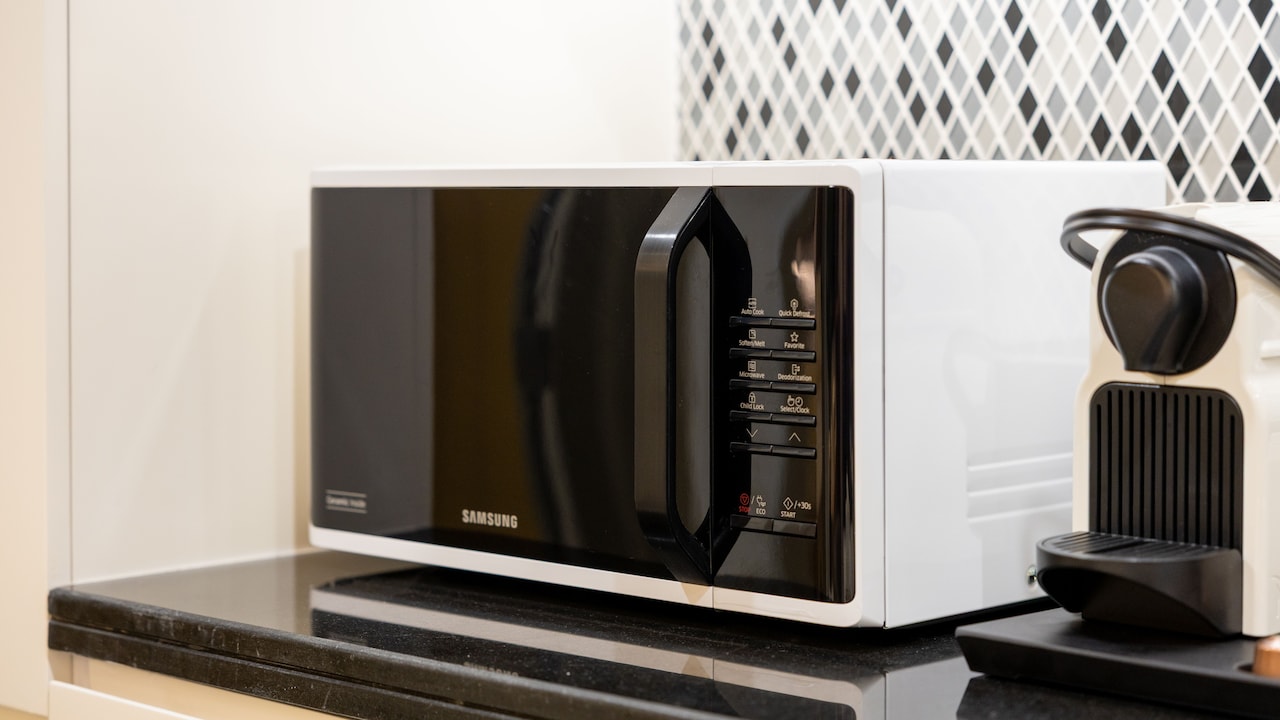
Common myths about microwave reheating
Photo Credit: Pexels
Some people believe longer heating guarantees better results. Others worry that microwaves destroy nutrients or make food unsafe. Then there's the familiar debate about whether reheating something twice automatically makes it harmful.
Also Read: Made In France: 5 Dining Picks That Will Take Your Hosting Game To Next Level
The truth is more interesting than these kitchen rumours suggest. Microwave cooking depends on moisture, food thickness, arrangement, temperature and a few surprisingly simple techniques. Understanding these factors can improve flavour, preserve texture and reduce unnecessary food waste.
Here are ten common microwave reheating myths worth reconsidering before pressing that start button again.
10 Common Microwave Reheating Myths And The Truth Behind Them
1. Myth: Longer Microwave Time Always Means Better Heating
It's tempting to assume that an extra minute solves every reheating problem. After all, if two minutes leave your food lukewarm, four minutes should make everything perfectly hot. Unfortunately, microwave heating doesn't work quite so neatly.
Microwaves transfer energy into food, particularly through interactions with water molecules and other electrically responsive components. However, that energy doesn't spread evenly throughout every portion. The shape, thickness and composition of a meal affect how quickly different areas warm up.
Consider a bowl of refrigerated pulao. The outer rice might become extremely hot while a dense portion in the centre remains cool. Extending the timer without stirring could simply dry the edges further.
Longer heating can also affect texture. Soft rotis become chewy, rice loses moisture, and vegetables may turn unpleasantly limp.
A better approach involves shorter heating intervals, followed by stirring or rearranging. Allowing the food to stand briefly also helps heat spread through the dish.
The goal isn't to expose food to microwaves for as long as possible. It's to distribute enough heat throughout the meal without sacrificing its taste or texture.
Sometimes, thirty thoughtful seconds achieve more than another careless minute.
2. Myth: A Hot Plate Means The Food Is Completely Heated
That familiar moment deserves attention. You carefully remove a steaming plate from the microwave, only to discover that the food itself hasn't warmed properly.
Many people judge reheating success by touching the plate or noticing steam. Neither method reliably confirms that the entire meal has reached a suitable temperature.
Microwave-safe containers can become hot because they absorb heat from the food. Certain materials may also absorb some microwave energy directly. Consequently, a hot plate doesn't necessarily mean its contents have heated evenly.
Take a bowl of thick dal. The surface might release visible steam while a cooler pocket remains beneath it. Similarly, reheated pasta can contain unexpectedly cold sections beneath a hot sauce.
Stirring makes a significant difference. It moves cooler portions towards warmer areas and helps distribute heat throughout the dish.
For leftovers that require thorough reheating, a food thermometer offers more reliable reassurance than touch. Aim for 74°C at the centre and check several spots, particularly with meat and mixed dishes.
A steaming surface might look convincing, but appearances can deceive.
Remember, a microwave heats food, not your confidence in how hot the plate feels.
3. Myth: Every Food Needs The Same Microwave Setting
Using the highest power setting for everything might seem efficient. Why complicate reheating when one button appears capable of handling every leftover?
Because a delicate idli and a refrigerated chicken curry have very different heating needs.
Microwave power settings influence how quickly energy enters the food. Many conventional microwave ovens reduce their average power by cycling the magnetron on and off. Lower settings can therefore provide more time for heat to spread between periods of intense heating.
Foods containing plenty of moisture, such as soups and gravies, often warm effectively with moderate heating and occasional stirring. Dense foods may require additional time for heat to reach their centres.
Bread, meanwhile, can become tough when overheated. A short burst at a lower setting often works better than prolonged exposure to maximum power.
Imagine reheating yesterday's stuffed paratha. High power might leave its edges dry before the filling becomes comfortably warm.
Choosing an appropriate setting helps balance temperature and texture.
The appliance's wattage also matters. A recipe designed for a 900-watt microwave may need adjustment in a different model.
Rather than treating the highest setting as a universal solution, consider the food's moisture, density and portion size.
4. Myth: Microwaving Food Always Destroys Its Nutrients
Few kitchen appliances attract as much nutritional suspicion as the microwave. Some people believe that exposing vegetables or cooked meals to microwave energy automatically removes their goodness.
Fortunately, the science tells a different story.
Every cooking method affects nutrients to some extent. Heat, water and cooking duration can influence vitamin retention, particularly for heat-sensitive nutrients such as vitamin C and certain B vitamins.
Microwaving doesn't uniquely destroy these nutrients. In fact, shorter cooking periods and limited water usage can sometimes help retain more nutrients than prolonged boiling.
Consider reheating cooked spinach. Adding substantial water and boiling it repeatedly may encourage water-soluble nutrients to move into the cooking liquid. Gentle microwave reheating with minimal added water can reduce that loss.
However, results vary depending on the vegetable, nutrient and heating conditions.
Microwave energy also doesn't make food radioactive. The appliance uses non-ionising electromagnetic waves to generate heat, not radioactive contamination.
The bigger nutritional concern often comes from repeatedly overheating food or using excessive water.
So, there's little reason to feel guilty about warming a balanced homemade lunch in the microwave.
Good nutrition depends far more on what goes into the meal than which suitable appliance reheats it.
5. Myth: Covering Food While Reheating Is Unnecessary
A microwave splattered with tomato gravy usually tells a familiar story. Someone reheated last night's curry without covering the bowl, and the appliance ended up receiving an unexpected serving.
Covering food isn't merely about keeping the microwave clean. It can also improve reheating.
A suitable cover traps some moisture and reduces evaporation. This helps prevent foods such as rice, noodles and cooked vegetables from drying out too quickly.
It also encourages a more humid environment around the meal, which can improve heating consistency.
However, the cover shouldn't create an airtight seal. Steam needs a safe escape route, so use a vented microwave-safe lid or leave a small opening.
Avoid assuming that every plastic lid, takeaway container or food wrapper can withstand microwave heating. Choose materials that the manufacturer clearly identifies as microwave-safe.
A slightly damp paper towel can help keep certain foods, such as rotis, from becoming excessively dry, provided the towel suits microwave use.
For thick gravies, covering works best alongside occasional stirring.
Think of the lid as a helpful assistant rather than a magical solution. It manages moisture and mess, but it cannot guarantee even heating by itself.
Covering food during reheating can help warm it faster; Photo Credit: Pexels
6. Myth: Microwaves Heat Food From The Inside Out
The idea sounds wonderfully convenient. Place a thick piece of food inside the microwave, and its centre supposedly heats before the outside. No more cold middles or overheated edges.
Unfortunately, that's not how microwave heating generally works.
Microwave energy penetrates food to a limited depth, depending on its composition and the frequency of the waves. Some energy converts into heat within these regions, while ordinary heat conduction helps warm areas farther inside.
For large or dense portions, the centre may warm more slowly than the outer layers.
This explains why a thick piece of paneer or a large serving of lasagne can feel hot on the surface but remain cool inside.
The food's geometry also affects heating patterns. Corners, edges and thinner sections may receive energy differently from thicker sections.
Cutting large portions into smaller, similarly sized pieces can make reheating more predictable.
For a plate of leftovers, spreading food in a relatively even layer often works better than piling everything into a tall mound.
A rotating turntable helps expose different sections to the microwave's energy pattern, but it doesn't eliminate every cold spot.
Microwaves are convenient, not mind readers. They still need a little help reaching the middle.
7. Myth: Stirring Food During Reheating Makes No Difference
Stopping the microwave halfway through reheating can feel unnecessary, especially when you're hungry and watching the countdown.
Yet stirring is one of the simplest ways to improve the results.
Microwave ovens can produce uneven heating patterns because electromagnetic waves interact differently across the cooking cavity. Food composition and shape add further variation.
As a result, certain areas may become much hotter than others.
Stirring physically redistributes these warmer and cooler portions. It also helps heat travel through thick mixtures such as khichdi, dal, pasta sauce and vegetable curry.
For solid foods that cannot be stirred easily, turning or rearranging pieces can serve a similar purpose.
Consider a bowl of refrigerated sambar. Heating it continuously might leave pockets at different temperatures. Stirring halfway through and continuing the process can produce a more consistent result.
There's also a food safety benefit. Uneven reheating may allow some portions of leftovers to remain below the recommended temperature.
Even ovens with rotating plates can benefit from stirring.
The extra effort takes only a few seconds, but it often makes the difference between a comfortably warm lunch and a meal filled with unexpected temperature surprises.
8. Myth: Reheating Rice Multiple Times Is Always Safe
Rice deserves special attention because it appears in so many everyday meals. From leftover jeera rice to vegetable pulao, it's often the first thing people reach for when hunger strikes.
However, its safety depends heavily on storage conditions.
Uncooked rice can contain spores of Bacillus cereus, a bacterium associated with food poisoning. These spores may survive cooking and grow if cooked rice remains at unsafe temperatures for too long.
Some strains can produce heat-stable toxins. Reheating doesn't reliably eliminate those toxins once they form.
This means a long microwave session cannot rescue rice that spent several hours sitting on the kitchen counter.
The safer approach begins immediately after cooking. Cool leftover rice quickly, ideally within an hour, and refrigerate it promptly at 5°C or below. Eat refrigerated rice within 24 hours, following conservative food safety guidance.
Reheat it only once, until it becomes steaming hot throughout. Discard any leftovers from that reheated portion.
These precautions matter more than simply extending the microwave timer.
If rice smells unusual, discard it. However, don't assume that normal smell or appearance guarantees safety.
With rice, careful storage matters just as much as thorough reheating.
9. Myth: Frozen Food Can Be Reheated Exactly Like Refrigerated Food
A container straight from the freezer and a bowl taken from the fridge might look similar, but their heating requirements are quite different.
Frozen food contains ice crystals that must thaw before the entire portion can reach a suitable serving temperature. This complicates reheating, particularly with dense meals.
Imagine a frozen container of rajma. The edges may start bubbling while the centre remains icy. Increasing the power or heating time without checking can overcook the outer sections.
For foods that require thawing, the microwave's defrost setting can help reduce excessive heating at the edges.
However, microwave thawing may partially cook certain areas. Foods such as raw meat or poultry should therefore undergo cooking immediately after microwave defrosting.
Many commercially frozen meals also have specific microwave instructions. Following them is important because manufacturers account for factors such as portion thickness, packaging and cooking time.
When reheating cooked frozen leftovers, use a suitable covered container, stir or rearrange as needed, and check that the food reaches 74°C throughout.
Never assume that a bubbling edge means the frozen centre has warmed properly.
Frozen meals offer wonderful convenience, but they deserve more attention than simply adding a few extra minutes to the timer.
10. Myth: Standing Time After Microwaving Is A Waste Of Time
When the microwave beeps, most people interpret the sound as permission to start eating immediately.
However, the final stage of reheating often happens after the appliance stops.
Standing time allows heat already present in the food to redistribute through conduction. Hotter sections transfer some of their energy towards cooler areas, helping reduce temperature differences.
This matters particularly for thick casseroles, layered meals and large portions of reheated food.
Consider a bowl of vegetable khichdi. After heating, the edges might feel hotter than the centre. Allowing the bowl to stand briefly, then stirring, can improve temperature consistency.
Many microwave instructions recommend a standing period for precisely this reason.
However, standing time isn't a substitute for adequate heating. If the food hasn't reached a safe temperature, resting alone cannot guarantee that it will.
Always follow the appliance or product instructions, particularly for frozen ready meals. Check the temperature after the recommended standing period.
For ordinary leftovers, a short rest can also make eating more comfortable by reducing unexpected hot spots.
Those extra moments aren't wasted. They're part of the reheating process.
Besides, your tongue will probably appreciate not becoming the final temperature-testing instrument.
Products Related To This Article
1. Panasonic 25L Solo Microwave Oven
2. Midea 20L Solo Microwave Oven
3. IFB 24L Solo Microwave Oven with 69 Auto Cook Menus
4. Godrej 20 L with 5 Years Comprehensive Warranty
5. LG 20 L Solo Microwave Oven (MS2043BP, Black
6. Midea 20L Solo Digital Microwave Oven
7. LG 28 L Convection Microwave Oven
Reheating food successfully involves more than choosing a power setting and watching the timer count down. Food thickness, moisture, storage conditions and heat distribution all influence the final result.
Longer heating doesn't automatically guarantee safer, tastier or more evenly warmed meals. Sometimes, stirring halfway through, using a suitable cover or allowing a short standing period makes a greater difference.
Food safety also begins well before leftovers enter the microwave. Proper refrigeration and careful handling remain essential.
With a few practical adjustments, everyday meals can retain more of their original flavour and texture. And perhaps the next bowl of biryani will finally be warm from the first spoonful to the last.
(Disclaimer: This article may include references to or features of products and services made available through affiliate marketing campaigns. NDTV Convergence Limited (“NDTV”) strives to maintain editorial independence while participating in such campaigns. NDTV does not assume responsibility for the performance or claims of any featured products or services.)