How To Stop A Dry Iron From Dragging: 10 Checks For Temperature, Soleplate Build-Up And Fabric Type
Stop a dry iron from dragging by checking heat settings, soleplate build-up, fabric type and surface damage. These 10 simple checks can restore a smoother glide and help protect clothes from marks, pulls and scorching.
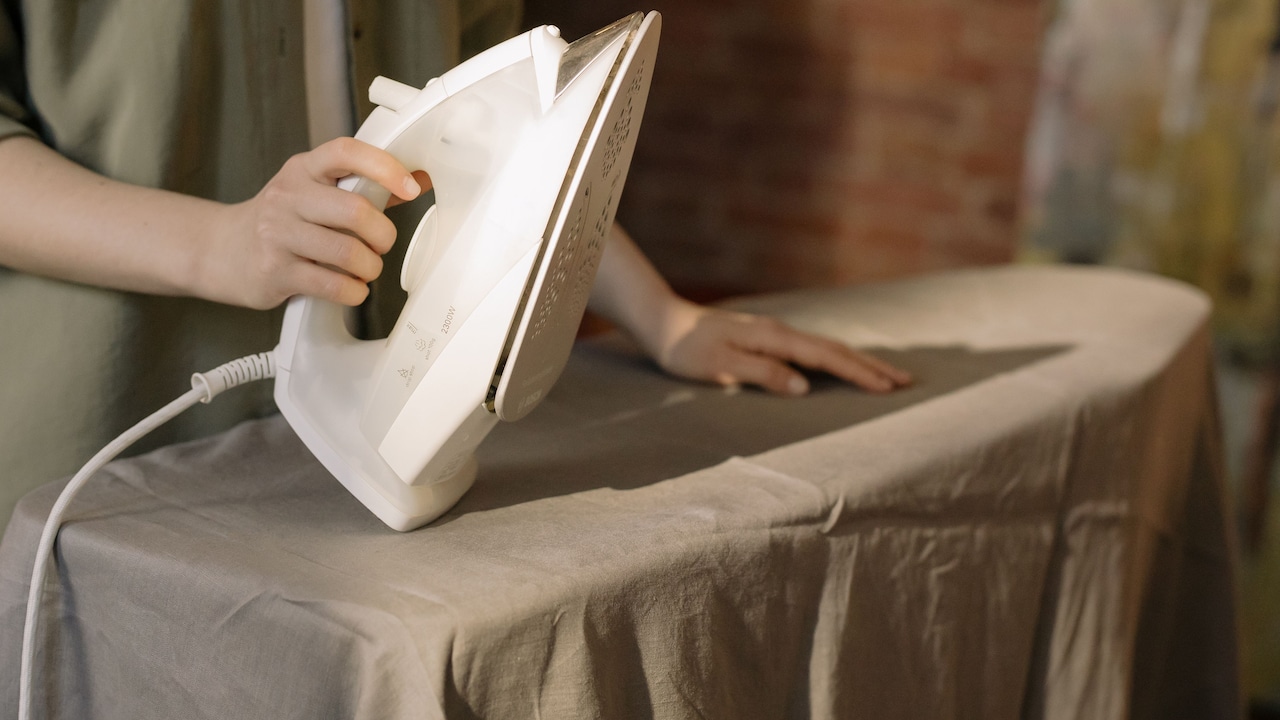
Why Is Your Dry Iron Dragging? 10 Easy Checks To Restore A Smooth Glide
There is something oddly satisfying about an iron moving smoothly across a crisp cotton shirt. Then, without warning, the same iron begins to drag. It catches on collars, resists movement across trousers and pants, and makes a simple Sunday ironing session feel like a wrestling match. A dragging dry iron is more than a nuisance. Too much resistance can stretch delicate fabric, create shiny patches and encourage people to press harder than necessary. That extra pressure may make matters worse. The good news is that the iron may not be faulty at all. Temperature settings, invisible residue and fabric treatments can all change the way the soleplate moves. Even the ironing board cover can quietly play a part. Rather than forcing the iron across the cloth, work through these ten checks. A small adjustment may be all that stands between a frustrating ironing pile and that familiar, effortless glide.
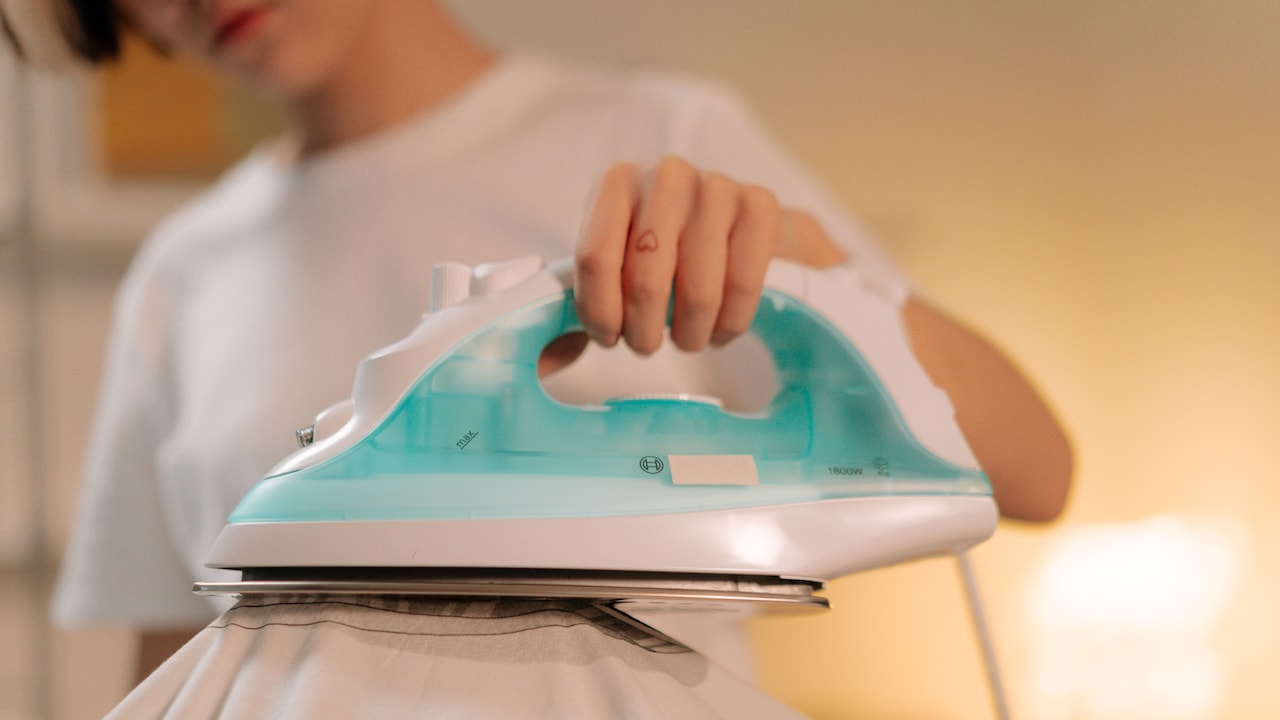
Why Is Your Dry Iron Dragging? 10 Easy Checks To Restore A Smooth Glide; Photo Credit: Pexels
10 Checks To Help Your Dry Iron Glide Smoothly
1. Check Whether The Temperature Is Too Low
An iron that feels sticky does not always mean it is too hot. Sometimes the exact opposite is happening. When the temperature sits below the ideal range for a fabric, the soleplate may not move as smoothly as expected. Certain materials respond better once the plate reaches the correct working temperature.
Start by checking the fabric care label. Cotton and linen usually tolerate higher heat, while synthetics such as polyester need much lower settings. Using a cool setting on thick cotton can leave the iron feeling sluggish, especially over seams and folded sections.
Give the appliance enough time to heat fully as well. Moving it across clothes immediately after switching it on may produce inconsistent results while the thermostat is still cycling.
Avoid turning the dial straight to maximum in frustration. More heat is not automatically better. The aim is the correct temperature, not the hottest one available.
A sensible test is to begin on a hidden section of the garment. Once the iron glides smoothly without scorching, shining or sticking, the setting is probably close to where it needs to be.
2. Make Sure The Iron Is Not Too Hot
If low heat can cause trouble, excessive heat can create an even stickier problem. A soleplate that is too hot may soften synthetic fibres, printed designs, decorative coatings or fabric finishes. Once that happens, the iron can feel as though someone has quietly applied glue underneath it.
Polyester, nylon, acrylic and blended fabrics deserve particular care. These materials often need a lower setting than cotton shirts, bedsheets or denim. Heat that seems perfectly reasonable on a thick kurta may be far too aggressive for a lightweight synthetic garment.
Watch for warning signs such as a sudden chemical smell, shiny marks or resistance that appears only after the iron has been sitting in one spot. Those clues suggest the temperature may be too high.
Turn the control down and allow the soleplate to cool before testing again. Do not keep ironing while waiting for the temperature to drop.
The correct setting should allow the iron to travel steadily without needing force. If the fabric starts looking glossy or the iron begins grabbing at it, treat that as a signal to reduce the heat.
Also Read: Smooth Moves, Crisp Results: 10 Top-Rated Steam Irons Under ₹2,000 That Make Ironing Effortless
3. Inspect The Soleplate For Invisible Build-Up
A soleplate can look clean from a distance while carrying enough residue to turn ironing into hard work. Starch, fabric sprays, melted fibres, detergent traces and finishing products can form a thin film underneath the iron. That layer increases friction and may become stickier as the soleplate heats.
Switch the iron off, unplug it and let it cool completely. Then examine the bottom under good light. Tilt it slightly and look for dull areas, brown patches or streaks around the edges. Run a soft cloth gently across the cold plate. Rough spots that are difficult to see often become obvious by touch.
Never attack the surface with a knife, metal scrubber or harsh abrasive pad. Scratches can permanently damage the finish and make dragging worse in future.
For mild residue, a damp microfibre cloth may be enough. More stubborn deposits may need a cleaning method recommended by the manufacturer.
Cleaning the soleplate is easy to overlook because build-up develops gradually. Yet even a very thin layer can make a noticeable difference. A smooth ironing surface needs a smooth soleplate, not one wearing yesterday's laundry products like an unwanted coat.
4. Check For Melted Synthetic Fibres
Few ironing mistakes announce themselves as dramatically as melted synthetic material. One moment the iron is gliding normally; the next, it grabs the fabric and leaves behind a suspicious mark. Even a tiny patch of melted polyester or plastic-like fibre can make every garment afterwards feel harder to iron.
Inspect the cold soleplate closely, especially if the dragging started after ironing sportswear, synthetic uniforms, printed fabrics or garments with decorative transfers. Melted residue may appear glossy, dark or slightly raised.
Do not keep heating the iron in the hope that the material will somehow disappear. Heat can soften the residue again and spread it over a larger part of the soleplate.
Allow the appliance to cool and clean it using a method suitable for its soleplate material. Coated, ceramic and stainless-steel surfaces may have different care requirements, so the instruction manual matters here.
Once the melted material is removed, test the iron on an old cotton cloth before returning to favourite clothes. That small precaution can prevent an unnoticed speck from becoming a permanent mark on the next shirt.
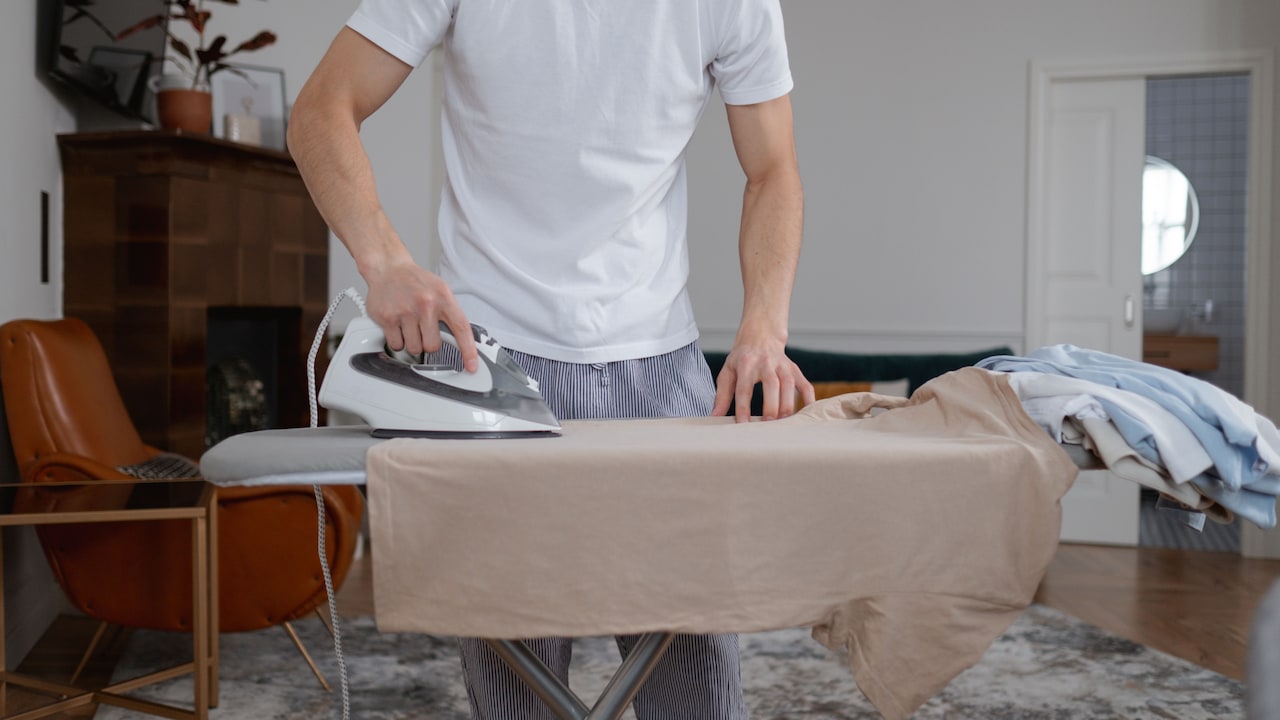
Why Is Your Dry Iron Dragging? 10 Easy Checks To Restore A Smooth Glide; Photo Credit: Pexels
5. Consider The Type Of Soleplate
Not every dry iron has the same soleplate, and that difference affects how smoothly it moves. Stainless steel, ceramic coatings, non-stick finishes and other treated surfaces all behave slightly differently when exposed to heat, residue and everyday wear.
A stainless-steel soleplate is generally durable and easy to maintain, but scratches or burnt deposits can increase resistance. Coated plates often glide beautifully when new, yet damaged coatings may become uneven over time. Once a non-stick layer starts peeling or wearing away, cleaning alone may not restore the original performance.
Look at the soleplate from several angles. Uneven colour, exposed patches or visible scratches may indicate wear rather than ordinary dirt.
This is also where enthusiastic cleaning can backfire. Abrasive powders and rough scrubbers may remove a stain while damaging the very surface designed to reduce friction.
If the soleplate coating has deteriorated significantly, replacement may make more sense than repeated cleaning attempts. An inexpensive repair is worthwhile only when the iron remains electrically sound and the correct spare parts are available.
Sometimes dragging is not a laundry problem at all. It is simply a tired soleplate showing its age.
6. Check The Fabric Before Blaming The Iron
Sometimes the iron is innocent. Certain fabrics naturally create more resistance than others, particularly when they contain texture, raised embroidery, heavy weaving or synthetic blends.
Try the iron on a plain cotton cloth at the appropriate temperature. If it glides normally there but drags on one particular garment, the fabric is probably the bigger clue.
Textured clothes should not always be ironed directly from the front. Embroidery, prints and decorative work may catch against the soleplate or respond badly to heat. Turning the garment inside out can make ironing safer and smoother.
A thin pressing cloth can also help when dealing with delicate surfaces. Place a clean piece of plain cotton between the iron and the garment, then use a suitable temperature. This reduces direct contact and protects finishes that may otherwise become shiny.
Fabric labels deserve more attention than they usually receive. That tiny tag hiding near the side seam is not there purely to cause itching. It often tells you whether ironing is allowed and which heat level is safe.
Matching the iron to the fabric prevents both dragging and damage.
7. Look For Starch And Fabric Spray Residue
Starch can make shirts look impressively crisp, but too much of it can turn the soleplate into a sticky mess. Fabric fresheners, crease-release products and ironing sprays can cause similar trouble when applied heavily or ironed before they have dried properly.
If dragging appears mainly when ironing starched shirts, school uniforms or formal wear, residue should move high up the suspect list.
Avoid spraying a garment and immediately running a hot iron over the wet area. Give the product time to distribute and settle according to its instructions. Applying several layers rarely creates a better finish. It simply gives the soleplate more material to collect.
Starch can also build up slowly. The iron may work perfectly for weeks before enough residue accumulates to affect its glide.
After using such products, inspect the soleplate regularly and wipe it once the appliance has cooled and been unplugged.
Moderation helps here. Clothes do not need to stand at attention by themselves to look neatly pressed. A light, even application can provide structure without coating the iron in a sugary-feeling film that makes every stroke harder than the last.
8. Examine The Ironing Board Cover
The ironing board rarely gets accused when an iron starts dragging, yet the surface beneath the garment matters more than it seems.
A worn cover can bunch up, wrinkle or develop rough patches. Thin padding may also expose the hard board underneath, making the iron feel as though it is catching even when the soleplate itself is perfectly clean.
Run a hand across the board before switching on the iron. The surface should feel smooth, firm and evenly padded. Tighten the cover if it has loosened around the edges. Replace it if the material has become scorched, rough or permanently creased.
Also check what sits beneath the garment. Ironing over zips, hooks, buttons or thick seams can create sudden resistance. Move carefully around these areas rather than pushing the soleplate directly across them.
A clean cotton cloth placed over a questionable ironing surface can serve as a temporary test. If the iron suddenly moves more freely, the board cover may be contributing to the problem.
The lesson is simple: smooth ironing depends on two surfaces. Everyone notices the hot one. The quiet surface underneath deserves attention too.
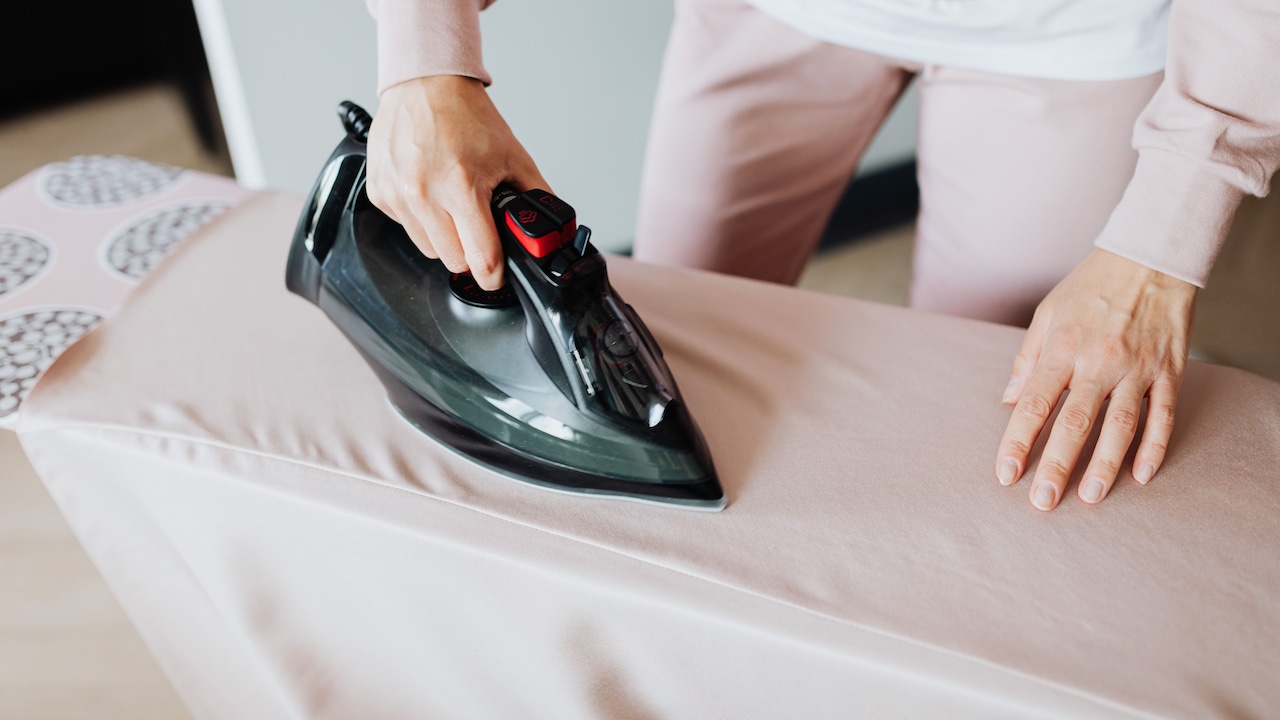
Why Is Your Dry Iron Dragging? 10 Easy Checks To Restore A Smooth Glide; Photo Credit: Pexels
9. Stop Pressing Down Too Hard
When an iron drags, the natural reaction is often to push harder. Unfortunately, that can turn mild resistance into a proper workout.
A dry iron relies on heat, weight and movement. It should not require body weight behind every stroke. Excessive pressure compresses the fabric against the ironing board, increasing friction and making movement feel even heavier.
Hard pressing can also leave shiny patches on dark trousers and delicate fabrics. Around seams, pockets and buttons, it may create stubborn impressions that are harder to remove than the original creases.
Instead, guide the iron with steady, moderate pressure. Work in controlled strokes rather than racing back and forth. If a crease refuses to disappear at the correct temperature, slightly dampening suitable fabric with clean water can help. Check the care label first, particularly with delicate materials.
If the iron only moves when pushed forcefully, return to the earlier checks. Look for residue, damaged coating, incorrect heat or an unsuitable fabric surface.
Ironing should feel controlled, not competitive. If a shirt requires the strength normally reserved for opening a stubborn pickle jar, something else needs attention.
10. Check Whether The Soleplate Is Damaged Or Warped
After temperature, dirt and fabric have been ruled out, inspect the physical condition of the iron itself. A soleplate that is warped, deeply scratched or chipped may never glide properly, regardless of how carefully it is cleaned.
Place the unplugged, completely cold iron on a flat surface and look at the soleplate from the side. It should sit evenly without obvious distortion. Check the edges for dents and the centre for areas that appear raised or uneven.
Damage can occur after a fall, rough storage or years of repeated heating and cooling. A small defect may catch on fabric and create the sensation of dragging with every stroke.
Electrical safety matters too. If the iron has a damaged cable, loose connection, cracked body, unusual smell or inconsistent heating, stop using it. Do not treat a gliding problem as more important than a possible electrical fault.
For an older basic dry iron, replacement can sometimes be more practical than repairing a seriously damaged soleplate. Prices vary widely, so compare the repair cost with the value and condition of the appliance.
A dependable iron should heat predictably, sit flat and move smoothly. Anything less deserves a closer look.
Products Related To This Article
1. Wipro Elato GD203 1200 Watt Heavyweight Dry Iron
2. Havells Glace Plus 1000 Watts Dry Iron Press
3. Bajaj DX-7 1000 Watts Dry Iron
4. Philips Dry Iron DST0610/30 with 3 year warranty
5. Rico 1000W 2KG Heavy Weight Dry Iron With 2 Years Replacement Warranty
6. Crompton Neoglide 1000 W Dry Iron with American Heritage Non-Stick Soleplate
7. Wipro Elato GD203 1200 Watt Heavyweight Dry Iron
A dry iron that drags does not automatically belong in the repair shop or rubbish pile. In many cases, the cause is surprisingly ordinary: the wrong temperature, a film of starch, melted synthetic fibres, a rough ironing-board cover or simply too much pressure from the person holding it.
Start with the easiest checks. Match the temperature to the care label, inspect the soleplate and test the iron on a plain piece of cotton. Then look at fabric treatments, board condition, and signs of wear.
Most importantly, resist the temptation to force the iron across stubborn material. Dragging is a symptom worth investigating, not an invitation to press harder.
Regular cleaning and sensible heat settings can keep a dry iron gliding well for years. And when the appliance finally does show genuine wear, spotting the difference between dirt and damage makes the next decision much easier. After all, the goal of ironing is to remove stubborn creases, not create a new struggle with every shirt.
(Disclaimer: This article may include references to or features of products and services made available through affiliate marketing campaigns. NDTV Convergence Limited (“NDTV”) strives to maintain editorial independence while participating in such campaigns. NDTV does not assume responsibility for the performance or claims of any featured products or services.)