Does A Faster Fan Always Mean Better Cooling? 10 Ceiling-Fan Myths Explained
Does a faster ceiling fan really cool better? Bust 10 common myths about fan speed, blade count, airflow, power use and efficiency to find out what actually keeps a room comfortable.
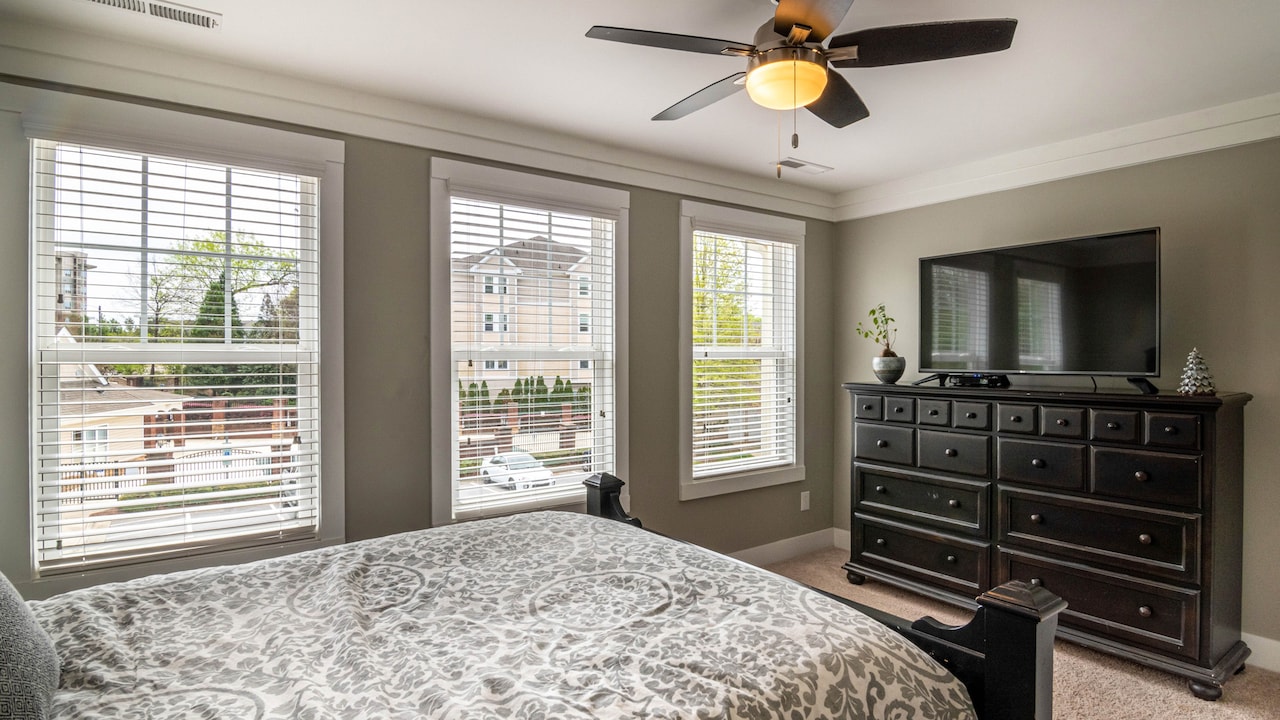
Does A Faster Fan Mean Better Cooling? 10 Ceiling-Fan Myths Busted
Ceiling fans rarely get much attention until a warm afternoon turns the living room into something resembling a tandoor. Then suddenly, everyone has an opinion. Someone wants the regulator pushed to maximum. Someone else insists that five blades must be better than three. A family member may even suggest leaving the fan running all day so the room stays cool for the evening. These ideas sound reasonable because fans feel familiar. Most households have used them for years, often without thinking about what actually creates that refreshing breeze. A ceiling fan does not cool a room in quite the same way as an air conditioner. It moves air around the people in it, helping sweat evaporate and making the body feel cooler. Blade design, motor efficiency, room dimensions, and installation height can therefore matter just as much as raw speed. So before judging a fan simply by how quickly its blades spin, it helps to separate everyday wisdom from airflow science.
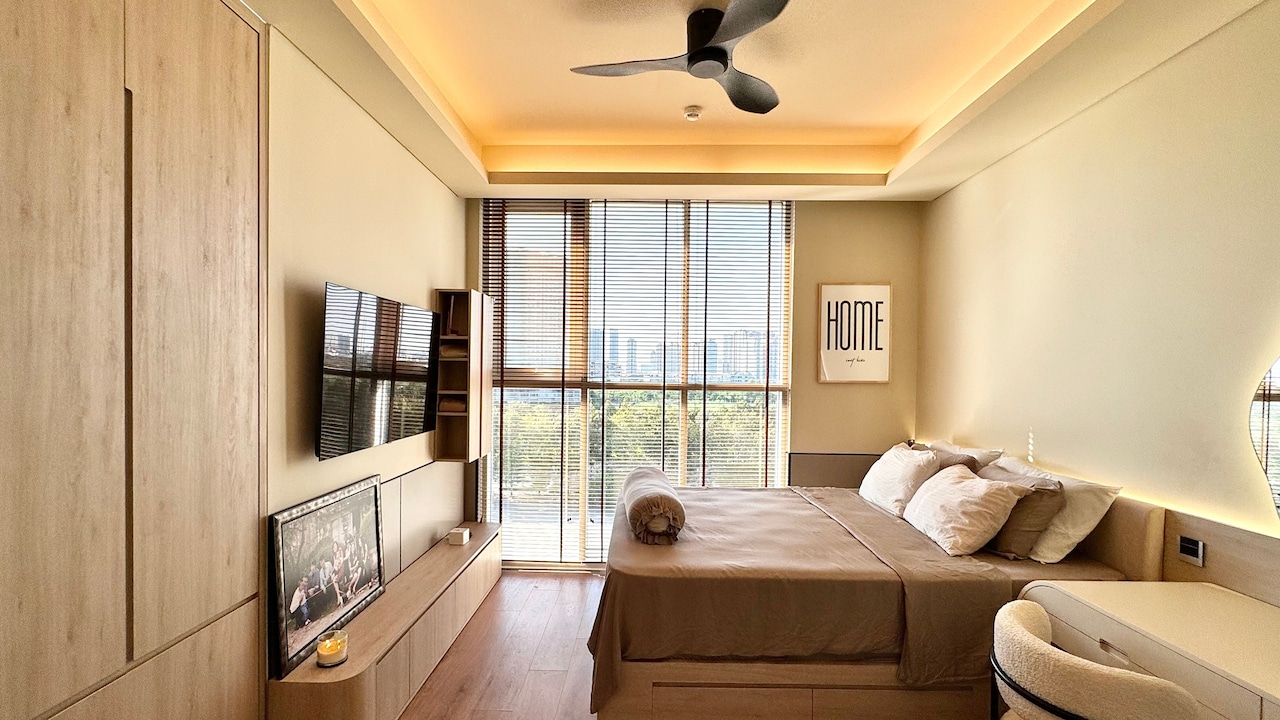
Does A Faster Fan Mean Better Cooling? 10 Ceiling-Fan Myths Busted; Photo Credit: Pexels
10 Common Ceiling-Fan Myths You Should Stop Believing
1. Myth: A Faster Fan Always Means Better Cooling
A fan spinning at breathtaking speed certainly looks powerful, but speed alone does not decide how comfortable a room feels. What matters more is how much air the fan actually moves.
Two fans can run at similar revolutions per minute and still produce noticeably different airflow. Blade length, blade angle, motor strength, and aerodynamic design all influence how effectively air travels through the room.
Imagine two autorickshaws racing down the same road. One may have a roaring engine, but that does not automatically mean it carries more passengers. Ceiling fans work on a similar principle. High rotational speed means little if the blades cannot push enough air.
Air delivery, usually measured in cubic metres per minute, gives a far clearer picture of performance than speed alone.
A well-designed fan running slightly slower may create broader and more comfortable circulation than a smaller fan spinning furiously overhead. So when shopping, checking only the RPM figure can be misleading. Look at airflow performance, blade sweep, and room suitability together instead.
2. Myth: More Blades Always Create More Airflow
Five blades must move more air than three, right? Not necessarily.
Adding blades changes the way a fan interacts with air, but more blades also create additional drag. That resistance makes the motor work differently and can sometimes reduce the maximum airflow.
Three-blade fans often achieve strong air movement because each blade has more space to cut through the air. Four- and five-blade designs may offer smoother operation or a particular decorative look, but their performance depends heavily on blade shape and motor engineering.
That means blade count should never act as a shortcut for judging quality.
Consider the decorative fan hanging above a stylish dining table. Its five wooden blades may look elegant enough for a magazine photograph, yet a thoughtfully engineered three-blade model in the bedroom could deliver noticeably stronger circulation.
The best choice depends on the room and the fan's overall design. Instead of asking, "How many blades does it have?" ask, "How much air does it deliver?" That question gets much closer to what matters on a humid evening.
3. Myth: Ceiling Fans Lower The Room Temperature
This myth survives because the difference feels so convincing. Walk into a room, switch on the fan and within moments the heat seems easier to tolerate.
Yet the thermometer may hardly move.
Ceiling fans mainly cool people rather than rooms. Moving air speeds up evaporation from the skin and helps the body release heat. This creates the familiar cooling sensation, even when the actual air temperature remains almost unchanged.
That also explains why leaving a fan running in an empty bedroom achieves very little. The fan keeps circulating air, but nobody is there to benefit from the breeze.
In fact, the motor produces a small amount of heat while operating.
This distinction can help reduce unnecessary electricity use. If everyone leaves the room for several hours, switching off the fan makes more sense than keeping it running in the hope of preserving coolness.
Think of a ceiling fan as a comfort appliance rather than a refrigeration system. It makes warm conditions feel considerably more pleasant, but it does not magically remove heat from the room.
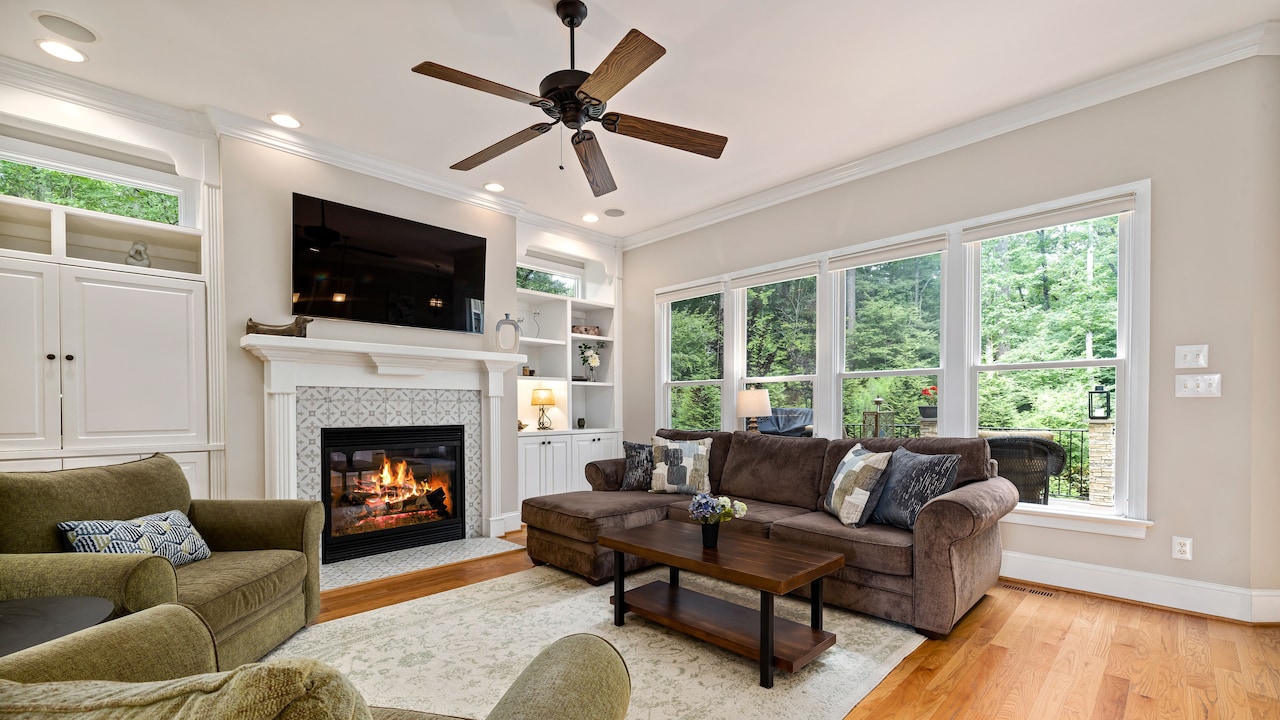
Does A Faster Fan Mean Better Cooling? 10 Ceiling-Fan Myths Busted; Photo Credit: Pexels
4. Myth: The Largest Fan Is Always The Best Choice
A giant ceiling fan can look impressive, especially in a showroom where there is plenty of open space. Bring that same model into a compact bedroom, however, and the result may feel awkward rather than luxurious.
Blade sweep needs to suit room size.
A fan that is too small may struggle to circulate air across a large living area. One that is unnecessarily large can dominate a small room, sit too close to walls and distribute air less effectively than expected.
Room proportions matter too. A long hall may benefit from two appropriately sized fans rather than one oversized unit placed in the centre.
Ceiling height also influences performance. A fan needs enough clearance to draw and push air efficiently. Installing a huge model too close to the ceiling can restrict airflow.
Choosing the right fan therefore resembles buying footwear. Bigger does not automatically mean better; the fit matters.
Before purchasing, consider the dimensions of the room, ceiling height and where people usually sit or sleep. Proper sizing often delivers better comfort than simply selecting the widest fan available within the budget.
5. Myth: Running A Fan At Full Speed Is Always Most Efficient
On a sweltering May afternoon, turning the regulator straight to maximum feels almost instinctive. Full speed brings stronger airflow, but it does not mean the fan operates at its most economical setting.
Higher speeds generally require more power.
The exact difference depends on the motor and regulator technology, but running a fan continuously at its highest setting can consume considerably more electricity than using a comfortable medium speed.
Modern energy-efficient models, particularly those using brushless direct-current motors, can reduce electricity consumption compared with many conventional designs. That difference becomes meaningful when several fans run for long hours every day.
Suppose four fans operate across a home through much of summer. Even a modest reduction in power use per fan can add up across the month.
Comfort should guide the regulator, not habit. If speed three feels pleasant at night, there is little reason to use speed five merely because it exists.
The aim is not to make the fan race. It is to create enough airflow for comfort without using more electricity than necessary.
6. Myth: All Ceiling Fans Consume Roughly The Same Electricity
Fans may look similar from below, but their electricity requirements can differ surprisingly widely.
Traditional induction-motor fans often consume more power than newer energy-efficient models. Fans equipped with BLDC motors can achieve useful airflow while drawing substantially less electricity, depending on the model and operating speed.
For a household where fans run for eight, ten or even twelve hours a day, this matters.
A cheaper fan may save ₹800 or ₹1,000 at the time of purchase, yet a more efficient model could recover part of that difference through lower electricity use over the years.
Of course, efficiency should not become the only consideration. Air delivery, warranty coverage, noise levels, build quality and service availability still deserve attention.
Energy labels and rated wattage offer useful starting points when comparing models.
Buying a fan solely because two products look nearly identical can therefore be a costly assumption. The difference hides inside the motor, where it cannot be spotted from the sofa. A quick look at power consumption before buying can prevent years of avoidable electricity expense.
7. Myth: A Wobbling Fan Is Normal
A tiny movement may occur in some ceiling fans, particularly at high speeds, but noticeable wobbling should not simply become part of the household soundtrack.
Persistent shaking can point to uneven blades, loose screws, incorrect installation, damaged components or imbalance in the blade assembly.
Besides creating irritating noise, excessive wobbling can place unnecessary stress on the fan's fittings over time.
It is easy to ignore because households quickly grow accustomed to familiar sounds. The clicking fan in the guest room becomes one of those things everyone promises to fix "next Sunday". Six Sundays later, it is still performing its nightly dance.
A properly installed fan should run smoothly.
If a fan begins wobbling suddenly, switching it off and having the mounting, blades and fasteners checked makes sense. Trying to bend blades by hand or adjusting electrical fittings without the right knowledge can make matters worse.
Smooth operation is not merely about appearance. It supports comfort, reduces noise and helps the fan work as intended. A ceiling fan should circulate air, not audition for a role in an earthquake scene.
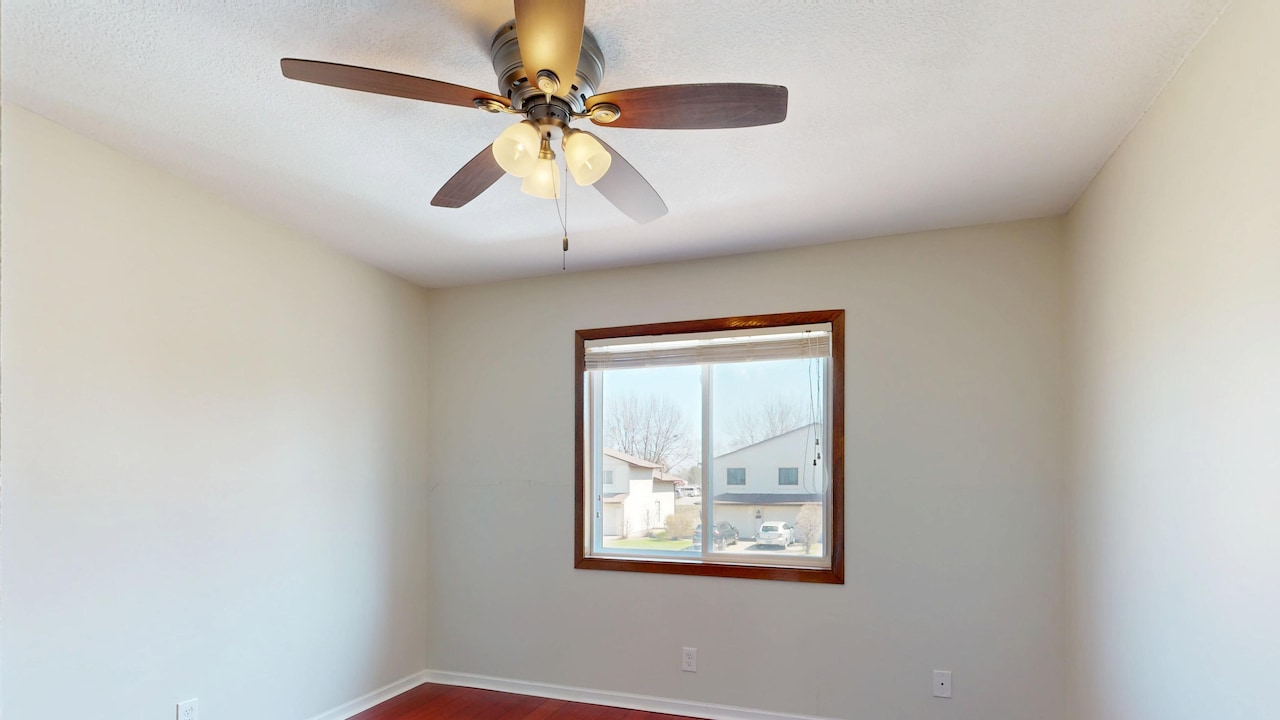
Does A Faster Fan Mean Better Cooling? 10 Ceiling-Fan Myths Busted; Photo Credit: Pexels
8. Myth: Longer Blades Automatically Produce Stronger Airflow
Long blades can move air across a wider area, but length tells only part of the story.
Blade pitch, width, shape, motor torque and rotational speed all affect performance. A poorly designed long blade may push less useful air than a shorter blade developed with better aerodynamics.
This is why comparing fans purely by sweep can lead to disappointment.
A 1,400 mm model might suit a spacious room, but that does not guarantee it will outperform every 1,200 mm fan. The larger fan still needs a motor capable of handling the extra blade resistance efficiently.
Airflow should also feel evenly distributed rather than concentrated in one spot.
When comparing two models, look beyond blade length and examine their rated air delivery. Room suitability matters as well. A wider sweep may be valuable in a large hall, while a standard-size fan can provide more than enough circulation in a typical bedroom.
Longer blades are therefore useful when matched with the right engineering and space. Without that combination, size becomes more of a visual feature than a guarantee of superior cooling comfort.
9. Myth: Fans Do Not Need Regular Cleaning
Ceiling fans have a remarkable talent for collecting dust where nobody notices it until the blades begin wearing grey furry coats.
That layer of dust is more than a housekeeping annoyance. Heavy build-up can affect blade balance and reduce smooth airflow. Dust around the motor housing and ventilation openings may also interfere with efficient operation over time.
Regular cleaning helps the fan perform properly and keeps airborne dust from scattering around the room every time it starts.
Frequency depends on the surroundings. Homes near busy roads, construction areas or open windows may need more frequent cleaning than sealed spaces.
Always switch off the power before cleaning. A stable step ladder and a soft cloth usually make the job easier. Avoid tugging or bending the blades, as even small changes in alignment can create imbalance.
Cleaning also creates a useful opportunity to notice loose screws, unusual marks or developing wobble.
Fans may not demand much attention, but they are not completely maintenance-free. Ten minutes of care now and then can help keep that familiar breeze quieter, cleaner and smoother.
10. Myth: An Expensive Fan Must Give The Best Cooling
Price can reflect better materials, premium finishes, smart controls, remote operation or an efficient motor. It does not automatically guarantee stronger airflow.
A designer fan costing ₹12,000 may look stunning in a carefully decorated living room, while a simpler ₹3,500 model could deliver equally satisfying or even stronger air movement.
The difference often lies in what the customer is paying for.
Premium fans may include app controls, timers, decorative lighting or unusually quiet operation. Those features can be valuable, but they should not be confused with cooling performance.
A practical comparison should start with air delivery, energy consumption, blade sweep, warranty and room compatibility. Noise levels also matter, particularly for bedrooms and study areas.
The most expensive fan is therefore not necessarily the best fan. The right model is the one that balances comfort, efficiency, reliability and features within a sensible budget.
There is nothing wrong with paying extra for style. A beautiful fan can become part of a room's décor. Just make sure its performance earns a place on the ceiling too.
Products Related To This Article
1. atomberg Renesa Enzel 1200mm BLDC Ceiling Fan with Remote
2. Havells 1200mm Ambrose Energy Saving High Speed Ceiling Fan|Premium Finish
3. Crompton Surebreeze Sea Sapphira 1200 mm Ceiling Fan for Home
4. ACTIVA Apsra 1200mm Ceiling Fan for Home
5. Colorbot Helix BLDC Ceiling Fans 1200mm
6. Orient Electric Newly Launched 1200 mm Proton BLDC
7. atomberg Renesa Enzel 1200mm BLDC Ceiling Fan with Remote
Ceiling fans may be familiar household fixtures, but their performance involves more than fast-spinning blades. Speed, blade count, size, and price can all influence buying decisions, yet none of them tells the whole story. Good airflow comes from a combination of thoughtful blade design, an efficient motor, suitable room sizing and proper installation. Energy consumption matters as well, especially when fans operate for hours every day.
Perhaps the biggest misconception is expecting a ceiling fan to behave like an air conditioner. It does something simpler and, in many situations, wonderfully effective: it helps the body feel cooler by keeping air moving. So the next time someone insists that the fastest, biggest or most expensive fan must be the best, there is no need for a family debate beneath the switchboard. Check the airflow, efficiency and room size instead. After all, a good ceiling fan does not need to look as though it is preparing for take-off. It simply needs to keep the room comfortable when the afternoon heat arrives.
(Disclaimer: This article may include references to or features of products and services made available through affiliate marketing campaigns. NDTV Convergence Limited (“NDTV”) strives to maintain editorial independence while participating in such campaigns. NDTV does not assume responsibility for the performance or claims of any featured products or services.)