Vacuum Cleaner Buying Mistakes First-Time Buyers Make
Avoid costly vacuum cleaner mistakes. Learn what first-time buyers often overlook, from weak suction to hidden maintenance costs and choose a cleaner that truly suits the home, budget and lifestyle.
Vacuum Cleaner Buying Mistakes First-Time Buyers Must Avoid
A vacuum cleaner often feels like one of those grown-up purchases that should be straightforward. Walk into a shop, pick a decent-looking machine, pay the bill, and head home expecting spotless floors. Yet reality has a funny way of proving otherwise. The wrong vacuum cleaner can turn cleaning into a noisy, clumsy battle involving tangled cords, weak suction, and corners that remain mysteriously dusty. Many first-time buyers get swept away by glossy advertisements or festive sales offering jaw-dropping discounts. A shiny machine with futuristic buttons may look impressive, but appearances rarely reveal whether it can handle pet hair, sofa crumbs, or the relentless dust that sneaks in from busy streets.
The real challenge lies in understanding what suits the home, lifestyle, and budget. Overspending on unnecessary technology or underspending on poor quality can both lead to disappointment. Vacuum cleaners are not one-size-fits-all appliances. Flats, large homes, carpets, hard floors, and allergy concerns all demand different solutions.
Avoiding common buying mistakes can make all the difference. A thoughtful choice ensures the vacuum cleaner becomes a reliable helper rather than an expensive regret hiding in storage.
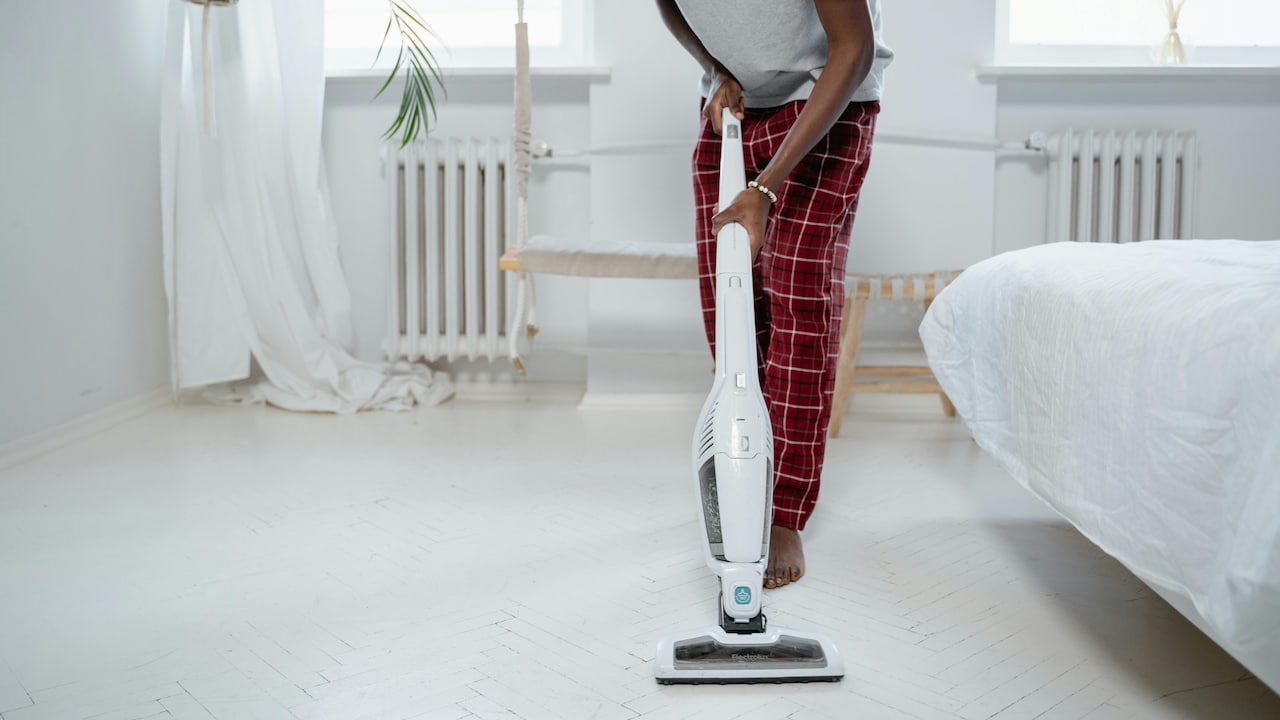
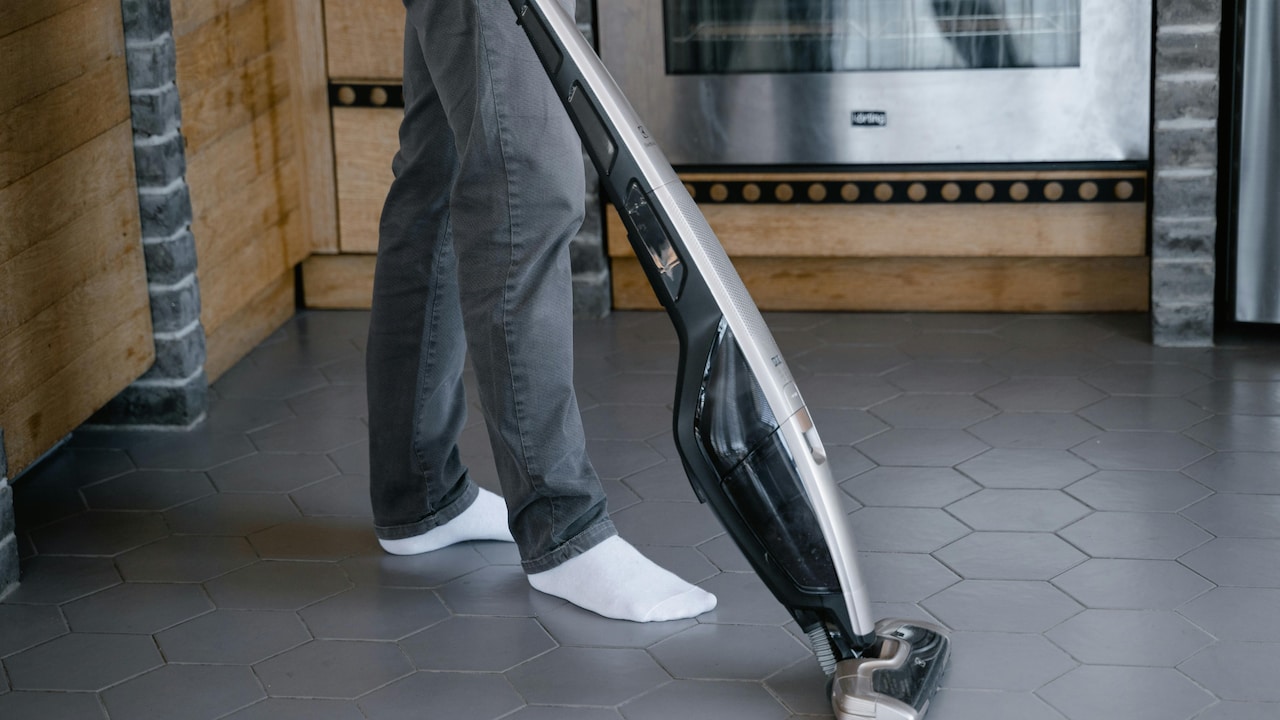
Vacuum Cleaner Buying Mistakes First-Time Buyers Must Avoid; Photo Credit: Pexels
Common Vacuum Cleaner Buying Mistakes First-Time Buyers Must Avoid
Choosing Price Over Performance
One of the biggest traps first-time buyers fall into is focusing purely on price. A vacuum cleaner priced at ₹2,500 may seem like a bargain compared to one costing ₹12,000, but cheaper often comes with compromises. Weak suction, poor durability, and limited attachments can quickly turn a low-cost purchase into wasted money.
Budget matters, of course, but choosing solely based on the cheapest option can backfire. Dust collection efficiency, motor power, and filter quality should carry equal weight. A machine that struggles to clean properly may require repeated use, increasing frustration and electricity bills.
On the other hand, expensive does not always mean best either. Some premium models come loaded with fancy features that may never prove useful in an average household. The goal should be value, not simply low cost or luxury.
A practical buyer compares features carefully and considers long-term reliability. Spending a little more upfront for dependable performance often saves thousands in repairs or replacement later. The sweet spot lies where affordability meets function.
Ignoring The Type Of Flooring At Home
Not every vacuum cleaner works equally well on every surface. This is where many buyers make an avoidable mistake. Purchasing without considering the flooring type can result in ineffective cleaning and unnecessary hassle.
Homes with marble or tiles need different suction settings compared to spaces with carpets or rugs. A heavy upright vacuum designed for thick carpets may feel cumbersome on smooth flooring, while a lightweight handheld model might fail miserably on large carpeted areas.
Many households feature mixed surfaces, from tiled living rooms to fabric sofas and dusty corners. In such cases, versatility becomes crucial. Attachments and adjustable brush settings matter more than flashy appearances.
Ignoring flooring needs can lead to scratches, poor dust pickup, or excessive wear on delicate surfaces. It is similar to wearing cricket spikes to a wedding—technically possible but deeply impractical.
Understanding home requirements before purchase ensures the machine works smarter, not harder. A vacuum cleaner tailored to floor type offers better results, easier maintenance, and far less irritation.
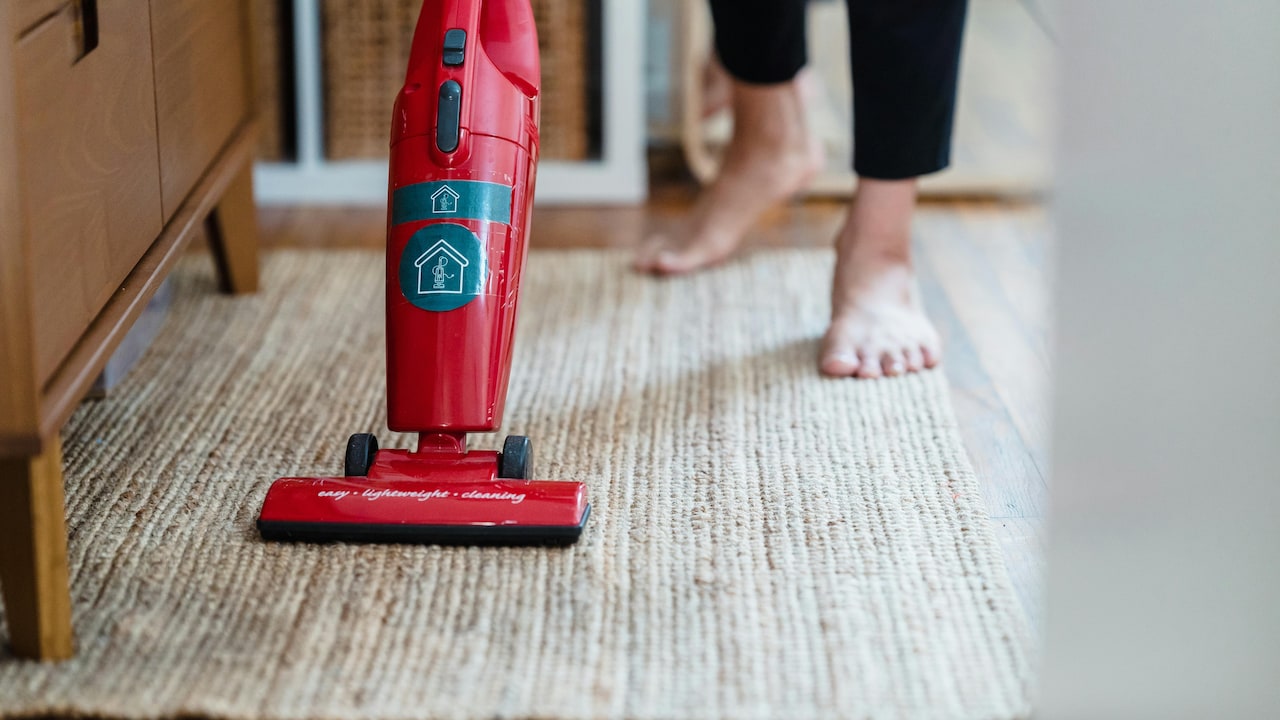
Vacuum Cleaner Buying Mistakes First-Time Buyers Must Avoid; Photo Credit: Pexels
Overlooking Dust Capacity
Dustbin or bag size often seems like a minor detail until constant emptying becomes a weekly annoyance. First-time buyers frequently ignore dust capacity, only to regret it later.
A small dust container may suit compact flats or occasional cleaning. However, larger homes or areas exposed to outdoor dust need greater capacity. Constantly stopping to empty the bin interrupts the cleaning flow and creates extra mess.
Bagged models require replacement bags, adding recurring costs. Bagless versions save on consumables but still need regular emptying and cleaning. Buyers should weigh convenience against ongoing expenses.
For families with children, pets, or high foot traffic, larger dust storage can make life significantly easier. Nobody enjoys pausing mid-cleaning session to wrestle with overflowing dust compartments.
Choosing the right dust capacity improves efficiency and saves time. It may not sound glamorous, but practical details often define whether an appliance remains helpful or becomes an everyday nuisance.
Falling For Fancy Features Without Real Need
Modern vacuum cleaners can resemble gadgets from a science fiction film. Wi-Fi connectivity, voice controls, touchscreens, and robotic mapping sound impressive, but not every feature adds genuine value.
First-time buyers often get seduced by bells and whistles while overlooking essential functionality. A vacuum cleaner should clean effectively before worrying about smartphone integration.
For many households, a straightforward machine with strong suction and reliable filtration proves more useful than one packed with technology that complicates operation. Spending ₹35,000 on advanced features may feel unnecessary if a ₹10,000 model performs core tasks better.
Trendy additions can also increase maintenance costs and repair complexity. When technology fails, replacement parts often carry hefty price tags.
Practicality should guide decisions. Useful attachments, ergonomic design, and easy maintenance often matter far more than gimmicks. The smartest purchase is not always the flashiest one; it is the one that genuinely simplifies daily life.
Neglecting Filter Quality
Filters may not be the most exciting topic, but they play a critical role in home cleanliness. Many first-time buyers underestimate their importance.
A poor-quality filter can release fine dust and allergens back into the air, defeating the entire purpose of cleaning. This becomes especially problematic for households dealing with asthma, allergies, or pollution-heavy surroundings.
HEPA filters or advanced filtration systems offer superior dust retention, making them worth considering. While machines with better filters may cost more initially, they contribute significantly to healthier indoor air.
Some buyers also forget to check filter replacement costs and availability. A brilliant vacuum cleaner becomes inconvenient if replacement filters are rare or expensive.
Clean floors mean little if airborne dust continues circulating. Prioritising filtration ensures both visible cleanliness and improved air quality. Sometimes the invisible details matter most.
Forgetting About Weight And Portability
A vacuum cleaner may look manageable in the showroom, but daily use tells a different story. Weight and manoeuvrability often become unexpected pain points for first-time buyers.
Heavy machines can feel exhausting, particularly in multi-storey homes or when cleaning stairs. Dragging a bulky vacuum around furniture can quickly turn routine cleaning into an unwanted workout session.
Cord length and wheel movement also affect convenience. Short cords force frequent plug changes, while poor mobility creates awkward navigation.
Portable, lightweight designs often suit smaller spaces and regular, quick clean-ups. Larger models may offer power but can become cumbersome if practicality suffers.
Choosing a vacuum cleaner should involve imagining real-life usage, not just showroom aesthetics. The ideal machine balances cleaning power with a manageable design, making household chores less physically demanding.
Convenience often determines whether the vacuum becomes a trusted ally or remains tucked away until absolutely necessary.
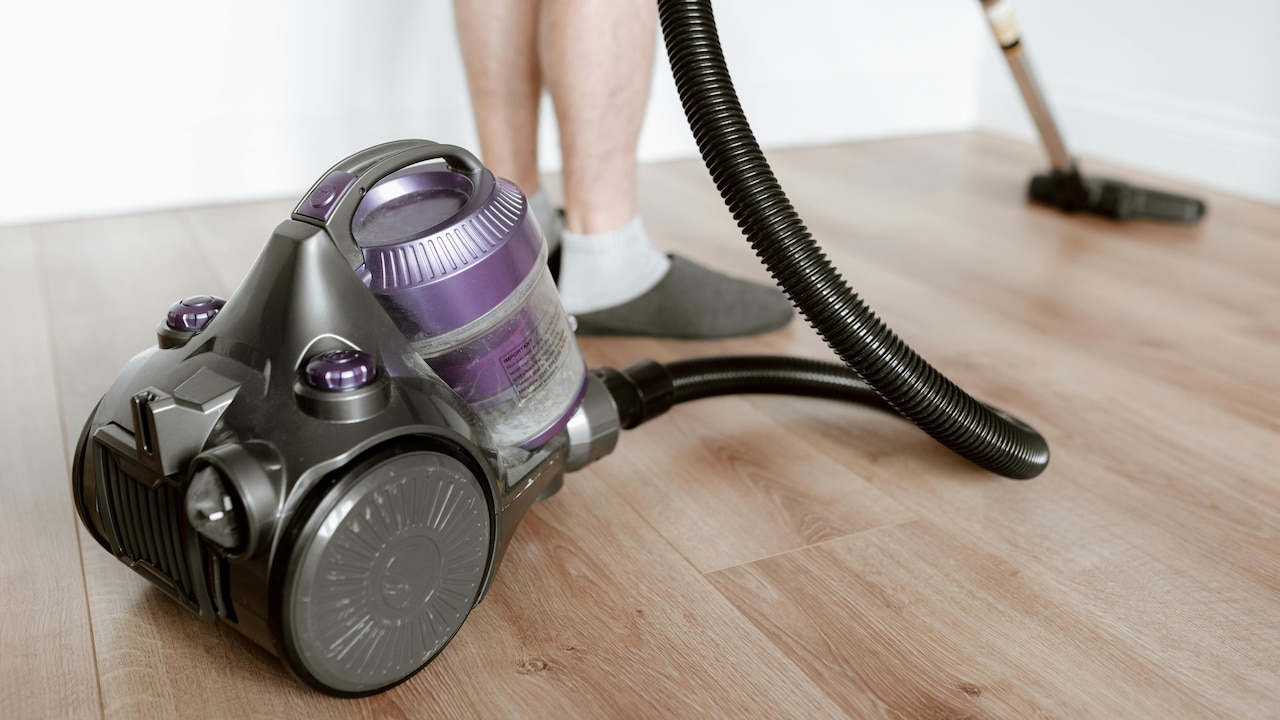
Vacuum Cleaner Buying Mistakes First-Time Buyers Must Avoid; Photo Credit: Pexels
Missing Hidden Maintenance Costs
The purchase price is only part of the story. Many first-time buyers forget about long-term maintenance expenses, which can quietly pile up over time.
Replacement bags, filters, battery changes, servicing, and spare parts all contribute to ownership costs. A low-priced vacuum cleaner with expensive accessories may end up costing more than a premium machine with affordable upkeep.
Cordless models, for instance, offer convenience but may require battery replacement after a few years. Robotic vacuums often involve sensor maintenance and software support.
Ignoring these ongoing costs can create financial surprises later. It is much like buying a budget car only to discover eye-watering repair bills.
Researching service networks and consumable expenses helps avoid disappointment. A truly smart purchase accounts for total ownership cost, not just the initial bill.
Long-term affordability matters just as much as immediate savings.
Underestimating Noise Levels
A vacuum cleaner's noise level often gets overlooked until it roars through the home like festival loudspeakers at dawn.
Some powerful vacuums produce considerable noise, which may disturb children, elderly family members, neighbours, or pets. Frequent loud cleaning sessions can quickly become stressful.
First-time buyers often focus entirely on power while forgetting comfort. A slightly quieter model with solid performance may prove more enjoyable than an excessively loud machine.
Noise ratings and customer reviews can offer helpful insights. Testing sound levels before purchase, when possible, prevents future regret.
A cleaner home should not come at the cost of peace and sanity. Balancing suction with tolerable sound creates a far more pleasant experience.
After all, no one wants routine cleaning to sound like a construction site.
Ignoring Warranty And After-Sales Support
Appliances occasionally malfunction, and vacuum cleaners are no exception. Yet many buyers overlook warranty coverage and service accessibility.
A vacuum cleaner from an unfamiliar brand may look tempting due to lower prices, but poor customer support can become a nightmare if repairs are needed. Delayed servicing, unavailable parts, or weak warranties often create avoidable headaches.
Reliable after-sales support ensures peace of mind. Established brands with widespread service centres may offer slightly higher prices, but they often justify the cost through dependable assistance.
Warranty duration, motor coverage, and repair policies deserve careful attention. A good machine backed by strong service can remain useful for years.
Skipping this research can turn minor technical issues into costly burdens. Trust matters, especially for appliances designed for regular use.
Buying Without Reading Genuine Reviews
Perhaps the most common modern mistake is purchasing based solely on advertisements or sales pitches without checking real customer experiences.
Online reviews reveal practical strengths and weaknesses that marketing rarely mentions. Issues like overheating, poor battery life, weak attachments, or durability concerns often surface through user feedback.
However, buyers should focus on balanced reviews rather than blindly trusting extreme praise or criticism. Consistent patterns usually offer the clearest picture.
Word-of-mouth recommendations from friends or family can also prove valuable. Honest feedback often saves buyers from costly mistakes.
A vacuum cleaner may promise perfection on the box, but real-world performance tells the true story. Taking time to research can prevent disappointment and ensure better value.
In a crowded market, informed decisions always outperform impulse buys.
Products Related To This Article
1. Shark PowerDetect IP3251INT
2. Eureka Forbes Quick Clean DX Vacuum Cleaner with 1200 Watts Powerful Suction Control
3. AGARO Ace Wet & Dry Vacuum Cleaner for Home
4. Philips PowerPro FC9352/01-Compact Bagless Vacuum Cleaner for home
5. INALSA Wet and Dry Vacuum Cleaner for Home
Buying a vacuum cleaner for the first time may seem simple, but countless buyers learn the hard way that rushing into the wrong choice can lead to frustration, wasted money, and disappointing performance. The ideal vacuum cleaner should fit the home's needs, budget, and lifestyle rather than simply looking attractive on a shelf or boasting trendy features.
By focusing on performance, maintenance, filtration, portability, and genuine practicality, buyers can avoid common mistakes and make a purchase that genuinely improves daily life. A thoughtful decision today can save years of inconvenience tomorrow.
In the end, the best vacuum cleaner is not necessarily the most expensive or advanced. It is the one that quietly, efficiently, and reliably keeps the home clean without creating new problems along the way.
(Disclaimer: This article may include references to or features of products and services made available through affiliate marketing campaigns. NDTV Convergence Limited (“NDTV”) strives to maintain editorial independence while participating in such campaigns. NDTV does not assume responsibility for the performance or claims of any featured products or services.)