Front-Load Vs Top-Load: Which One Cleans Better For Everyday Clothes?
Front-load vs top-load: Which cleans better for daily wear? Compare stain removal, rinsing, fabric care, drying time, and running costs in a simple, practical breakdown.
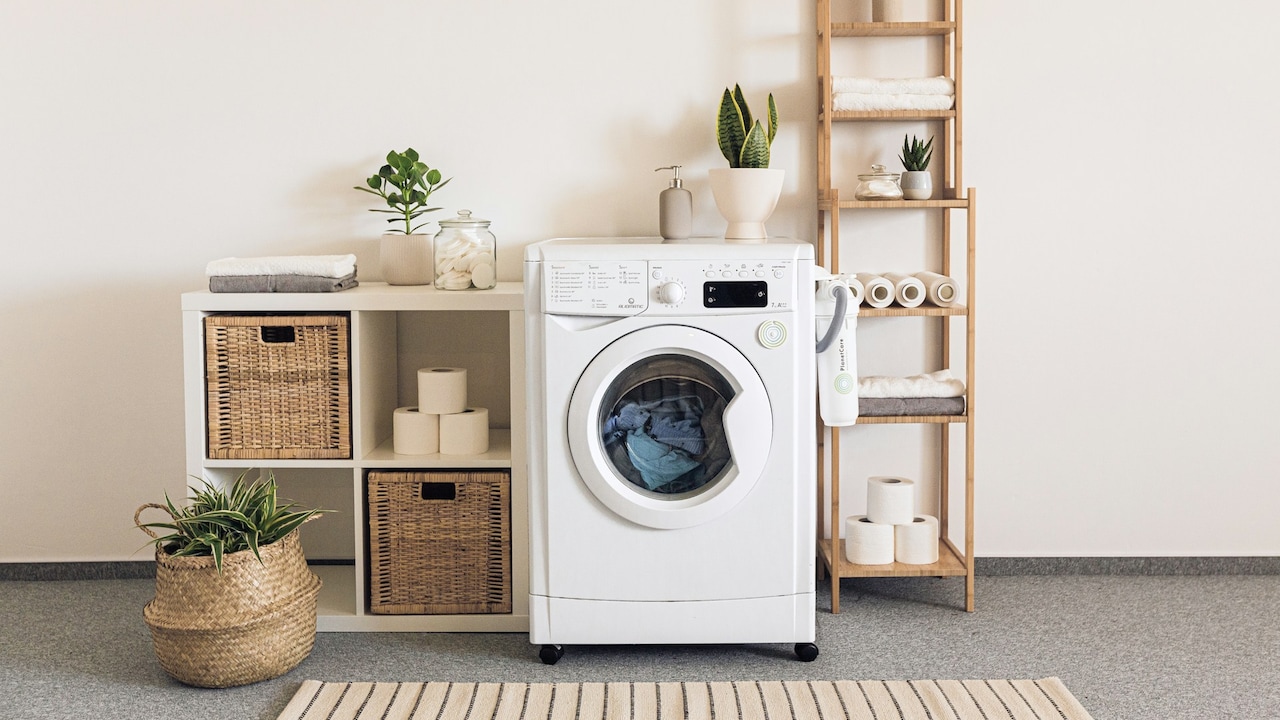
Front Load vs Top Load Washing Machine: Which Cleans Better for Everyday Clothes?
Laundry is one of those chores that quietly controls life. It shows up every day like a stubborn relative who refuses to leave. A sweaty T-shirt after a crowded metro ride. Dusty jeans after a quick chai run. A towel that smells suspiciously damp, even though it “dried”. And then the weekly mountain of bedsheets that makes the whole house feel like it's moving.
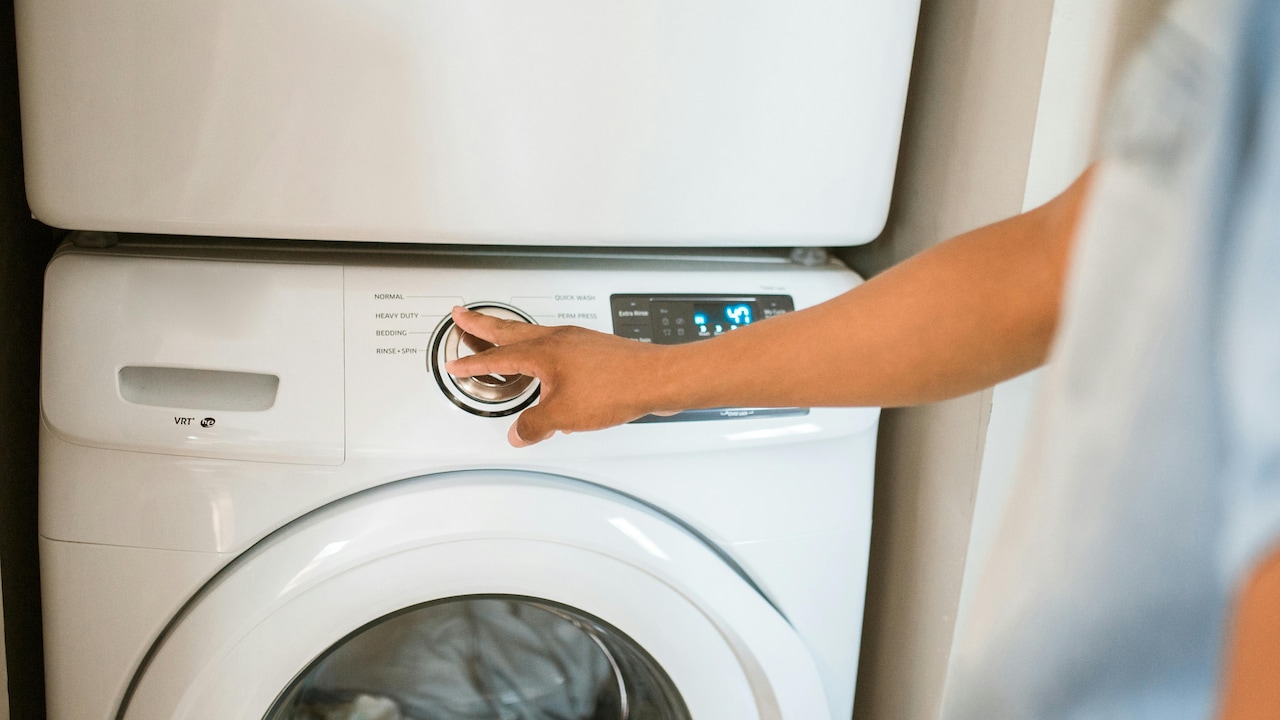
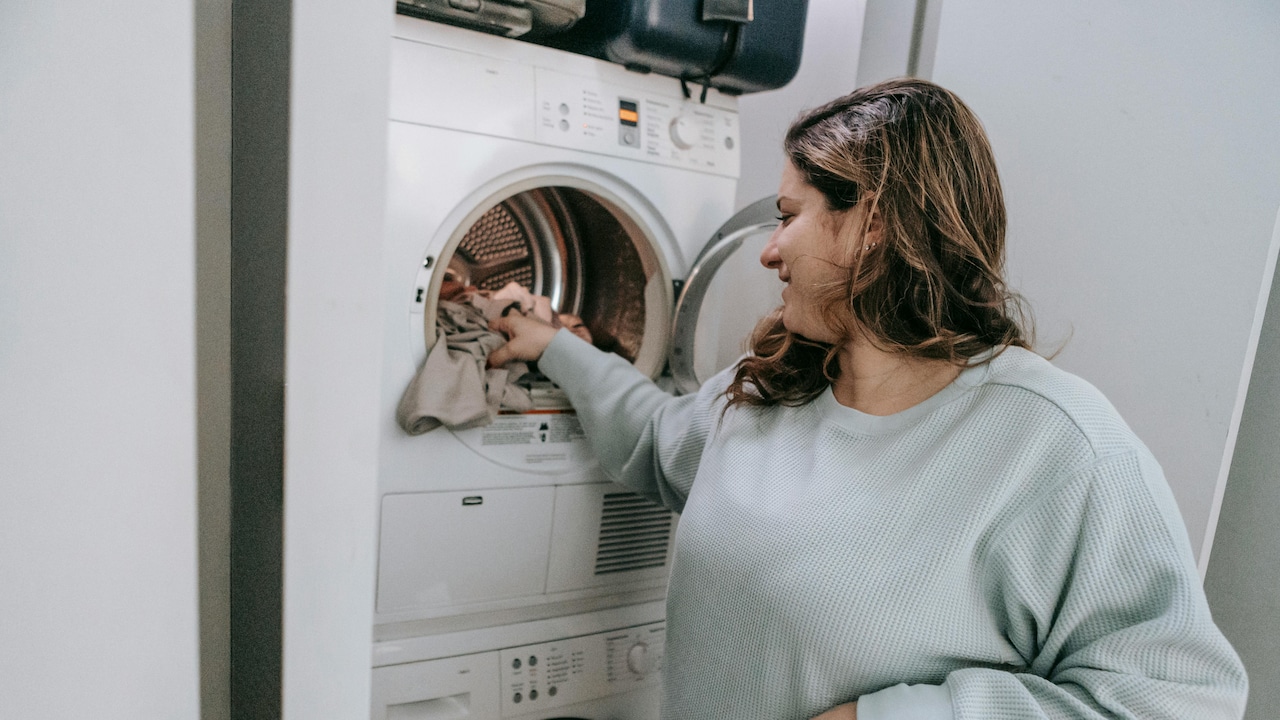
Important differences to know when choosing between front-load and top-load washing machines; Photo Credit: Pexels
That's why choosing between a front-load and top-load washing machine is not just about features. It's about how your home runs. It's about how much time gets saved, how clean the clothes actually feel, and whether the machine treats your favourite outfits gently or chews them up like a villain.
So, which one cleans better for everyday clothes? The answer is not as dramatic as people make it. But it is clear once the details are unpacked, without the marketing fluff.
Also Read: 5 Best Washing Machines For Hard Water Areas That Deliver Perfectly Clean Clothes
Key Differences That Matter For Everyday Laundry
1) The Core Cleaning Action: Tumble vs Agitate
The biggest difference between front-load and top-load machines is how they wash. front-load machines tumble clothes. Picture clothes being lifted and dropped repeatedly in a rotating drum. It's like a controlled, rhythmic slap-and-roll action that pushes detergent through fabric fibres.
Top-load machines (especially the common ones with an agitator or pulsator) are cleaned by stirring clothes in water. The drum stays upright, and the machine swishes clothes around with force. Think of it as a powerful mixie for laundry, minus the chutney.
For everyday clothes, front-load washing tends to clean more evenly because tumbling spreads detergent better and avoids “dead zones” where dirt stays trapped. It's particularly noticeable with collars, underarms, and socks. Top-load machines can still clean well, but results vary depending on how full the drum is and how well the load balances.
If the goal is consistent deep cleaning with less effort, front-load usually wins this round.
2) Handling Real-World Stains: Sweat, Dust, Oil, and Food
Every day laundry isn't delicate. It's chaotic. Sweat stains from summer heat. Dust from city roads. Light oil marks from cooking. Turmeric splashes. Tea spills. And that mysterious stain that appears out of nowhere, like it pays rent.
Front-load machines generally handle these better because they wash longer and tumble in a way that pushes water and detergent through the fabric. This gives stains more time and friction to break down, without being too harsh.
Top-load machines can remove stains too, especially if you use warm water, soak cycles, or pre-treatment. But many people want quick washes. And in quick washes, top-load machines sometimes leave behind faint smells or dullness, especially in thick cotton and darker clothes.
For daily wear like shirts, kurtas, leggings, and kids' uniforms, front-load gives a “fresh-from-store” finish more often. Top-load gives a “good enough” finish, unless the wash settings are chosen carefully.
3) Water Use: The Silent Budget Killer
Water is not always expensive in money, but it can be expensive in convenience. Low water pressure. Tank refills. Municipal supply timings. That awkward moment when the machine is mid-cycle, and the water decides to take a holiday.
Front-load machines use much less water because they don't need to fully submerge clothes. They rely on tumbling, not soaking. This makes them more efficient and better suited for homes where the water supply is limited or unpredictable.
Top-load machines typically use more water because they fill the drum high enough for clothes to move freely. Some newer models are better, but the design still leans towards higher water use.
Does water affect cleaning? Yes. More water does not always mean cleaner clothes. Front-load machines clean better despite using less water because the tumbling action is efficient. Top-load machines sometimes use extra water just to help clothes move, not necessarily to improve cleaning.
If your home already treats water like gold, front-load makes practical sense.
4) Detergent Efficiency: Powder, Liquid, and That Extra Scoop
Detergent is another quiet expense. Most households don't measure detergent properly. It's usually “one scoop for a small load, two scoops for a big load, and three scoops if the clothes look emotionally dirty”.
Front-load machines work best with low-foam detergent, often liquid. They use less water, so excess foam can mess up the rinse. But when used correctly, front-load machines need less detergent and still deliver better cleaning.
Top-load machines are more forgiving. You can use powder, liquid, or whatever is available, and the machine will still rinse decently because there's more water involved. That's why many families feel top-load is easier, no need to think too much.
However, for everyday clothes, detergent residue is a real issue. It makes clothes feel stiff and can trigger skin irritation, especially for kids. front-load machines, when used with the right detergent quantity, usually rinse more cleanly.
So yes, front-loading can feel “fussy”, but it rewards good habits with better results.
5) Fabric Care: Which One Is Gentler on Daily Wear?
Every day, clothes get washed often. That means the washing machine isn't just cleaning them, it's ageing them. The difference shows up slowly: faded colours, stretched collars, thinning fabric, and that sad moment when a favourite T-shirt becomes a “wear only at home” T-shirt.
Front-load machines are gentler because tumbling creates less twisting and pulling. Clothes don't get aggressively stirred. This is especially good for mixed loads, cotton shirts, synthetic gym wear, innerwear, and delicate dupattas altogether (as most people do, even if they pretend they don't).
Top-load machines can be harsher, especially older ones with agitators. They can cause tangling, stretching, and faster wear. Pulsator models are better, but still create more friction.
If you wash frequently, a front-load washer keeps clothes looking newer for longer. It's not magic. It's just kind of mechanics.
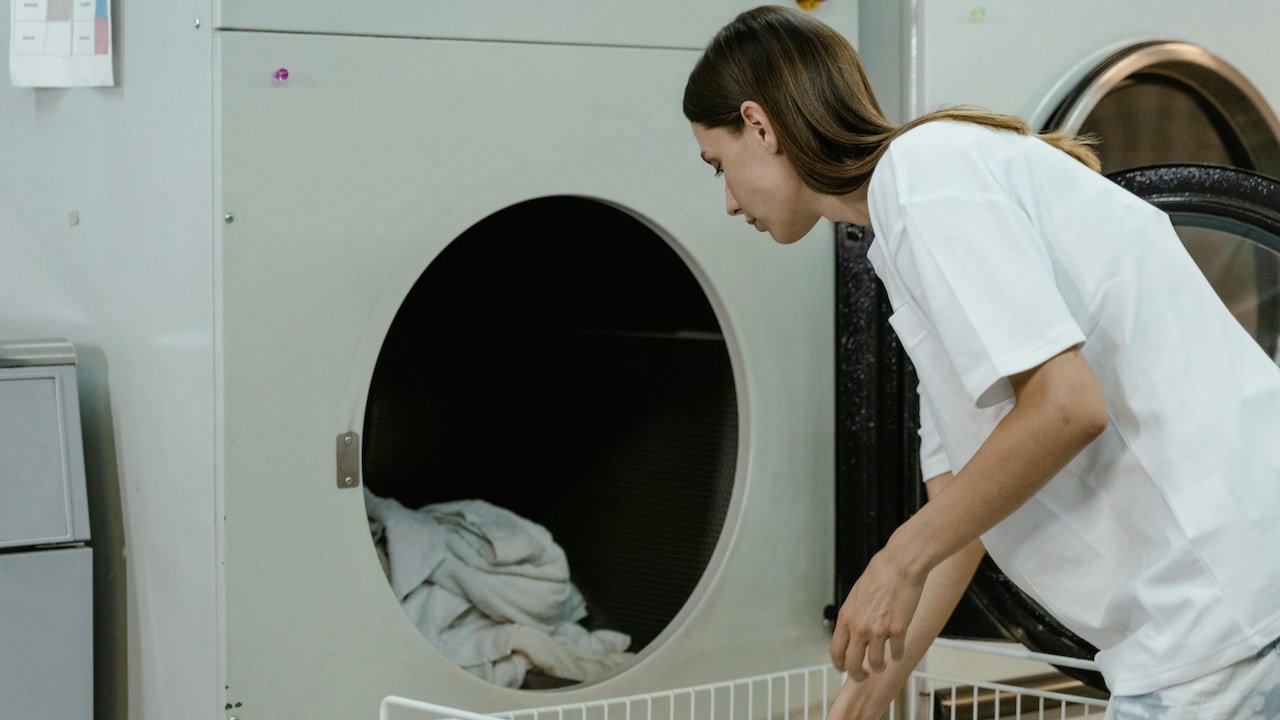
Front-load machines can be gentler as tumbling causes less twisting and pulling; Photo Credit: Pexels
6) Everyday Convenience: Time, Effort, and Back Pain
Now comes the part where top-load machines start smirking. Front-load machines require bending down. Every. Single. Time. It doesn't sound like a big deal until laundry becomes daily life. Add a bucket of wet clothes, and suddenly, knees and lower back start negotiating.
Top-load machines are easier to load and unload. No bending, no squatting, no drama. You can toss in forgotten socks mid-cycle in many models. That is a real-life feature, not a luxury. Because people forget socks. It's basically a law of nature.
Front-load machines usually lock once started, and adding clothes later feels like trying to enter a movie theatre after the interval.
Cleaning-wise, front-load wins. But convenience-wise, top-load feels easier for daily routines, especially for homes with older family members or anyone with back issues.
So the “better” choice depends on what kind of tired you are: physically tired or laundry-quality tired.
7) Wash Cycles and Daily Schedules: Speed vs Thoroughness
Front-load machines usually take longer. A regular cycle can run 60 to 120 minutes. They wash thoroughly, rinse well, and spin hard. But they demand patience.
Top-load machines often finish quicker. Many cycles run 30 to 60 minutes. For busy households, that matters. If someone needs a uniform by evening or a kurta before a function, waiting two hours can feel like punishment.
But speed has a cost. Quick washes sometimes compromise on stain removal and rinse quality. This is where many people notice that top-load clothes look “clean” but don't feel as fresh, especially in humid weather.
front-load machines, because of longer cycles and better spin, usually produce laundry that smells cleaner and dries faster.
So for everyday clothes, front-load offers a deeper clean, while top-load offers quicker turnaround. The choice is basically: do you want laundry done fast, or done well?
8) Spin and Drying: The Humidity Problem
Drying clothes is a whole separate battle. Monsoon humidity. Winter fog. Balcony shade. Dust. And those sudden moments when the sky looks clear and then decides to cry.
Front-load machines usually have higher spin speeds. That means they extract more water, leaving clothes less wet. Less wet clothes dry faster, smell better, and don't develop that “stored in a cupboard for years” odour.
Top-load machines spin too, but many models have lower spin speeds. Clothes come out wetter, which means longer drying time. And a longer drying time means a higher chance of a damp smell, especially for towels, bedsheets, and thicker cotton.
For everyday wear, faster drying is not just a convenience. It affects hygiene. A half-dried shirt can smell fine in the evening and weird by morning. Everyone has experienced this betrayal.
If your home deals with humidity, limited sunlight, or indoor drying, front-load gives a noticeable advantage.
9) Maintenance and Smell: The front-load Drama Nobody Warns You About
Here's the honest part: front-load machines can develop odour if not maintained. The rubber gasket, detergent drawer, and moist drum can trap water. If the door stays closed after washing, the machine can start smelling… not great.
Top-load machines usually avoid this problem because the drum design allows better air circulation. They also don't have the same rubber seal system.
This matters for everyday clothes because smell transfers. A machine that smells musty will give clothes a faint damp odour, even if they look clean.
front-load owners need to keep the door slightly open after use, clean the gasket, and run drum-clean cycles occasionally. It's not difficult, but it's another chore.
So while front-load cleans better, it asks for better habits. Top-load cleans reasonably well and is more forgiving if you treat laundry like a “do it and forget it” task.
10) Cost, Value, and What “Better Cleaning” Really Means
Now, the money question. Front-load machines usually cost more upfront. They also tend to have more advanced features and higher energy efficiency. But repairs can be expensive, and installation sometimes needs more planning.
Top-load machines are often more affordable. Repairs are usually simpler. Many households pick them because they feel reliable and familiar.
But when it comes to everyday cleaning, “better” is not just about visible stains. It's about how clothes feel after washing. Are they soft without extra fabric conditioner? Do they smell fresh even after drying indoors? Do they keep their colour? Do they last longer?
Front-load machines usually deliver better results in these subtle ways. They clean deeper, rinse better, and spin more effectively. Over time, this can save money by extending the life of clothes and reducing detergent and water use.
Top-load machines still make sense if convenience, speed, and simplicity matter more than that extra level of freshness.
Products Related To This Article
1. Bosch 9 kg, 5 Star, Anti Stain & AI Active Water+ Fully Automatic Front Load Washing Machine
2. Samsung 7 kg, 5 Star, Eco Bubble Technology
3. IFB 6 Kg 5 Star, DeepClean® Technology, AI Powered
4. Godrej Smart Choice 7 Kg 5 Star
5. LG Smart Choice, 7 Kg, 5 Star, Steam, Inverter Direct Drive Technology
So, front-load vs top-load, who cleans better for everyday clothes?
If cleaning performance is the priority, front-load machines generally win. They remove sweat and grime more consistently, treat fabrics more gently, use less water, and spin clothes drier. For daily wear, that translates to clothes that look brighter, feel fresher, and last longer.
But top-load machines aren't the villain. They're quick, convenient, and easy to live with. They suit homes where laundry happens in bursts, where adding clothes mid-cycle is a real need, and where bending down to load a machine feels like a daily punishment.
In the end, the “better” machine is the one that fits your life. If you want the best cleaning and don't mind longer cycles, front-load is the clear choice. If you want easy laundry with fewer rules, a top-load will keep your clothes clean enough, and your routine calmer.
Because let's be honest: the best washing machine is the one that stops laundry from becoming a full-time job.
(Disclaimer: This article may include references to or features of products and services made available through affiliate marketing campaigns. NDTV Convergence Limited (“NDTV”) strives to maintain editorial independence while participating in such campaigns. NDTV does not assume responsibility for the performance or claims of any featured products or services.)