Glass Top Stove vs Stainless Steel Stove: Which Is Easier To Maintain?
Glass top or stainless steel, what’s easier to clean daily? This guide compares stains, spills, scratches, and upkeep so you can choose the stove that stays neat with less effort.
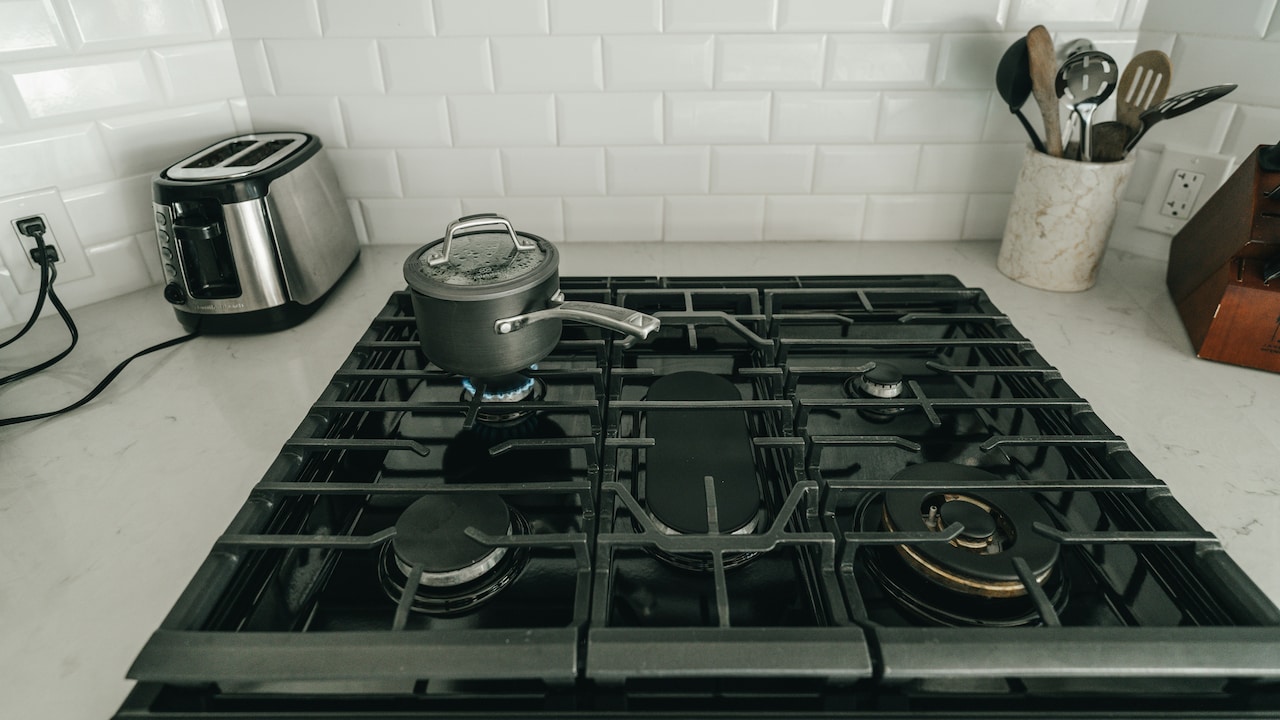
Glass Top Stove vs Stainless Steel Stove: Which Is Easier to Clean and Maintain?
A stove is one of those appliances that gets judged every single day. Not in a dramatic way, but in a quiet, irritated way. A splash of curry. A drip of milk. A stubborn ring from a pan that sat too long. Suddenly, the stove becomes the centre of household stress.
Two options dominate most kitchens: glass top stoves and stainless steel stoves. Both work well. Both can last for years. Both can handle everyday cooking, from slow-simmered dal to quick stir-fried veggies. But maintenance? That's where the story gets spicy.
Some people love the clean, glossy look of glass. Others swear stainless steel is more forgiving. And honestly, both sides have a point. The real question isn't which stove is “better.” It's which one stays cleaner with less effort, and which one keeps its dignity after a year of real cooking.
Let's compare them across ten everyday maintenance situations, the kind that actually happen in homes, not in showroom kitchens.
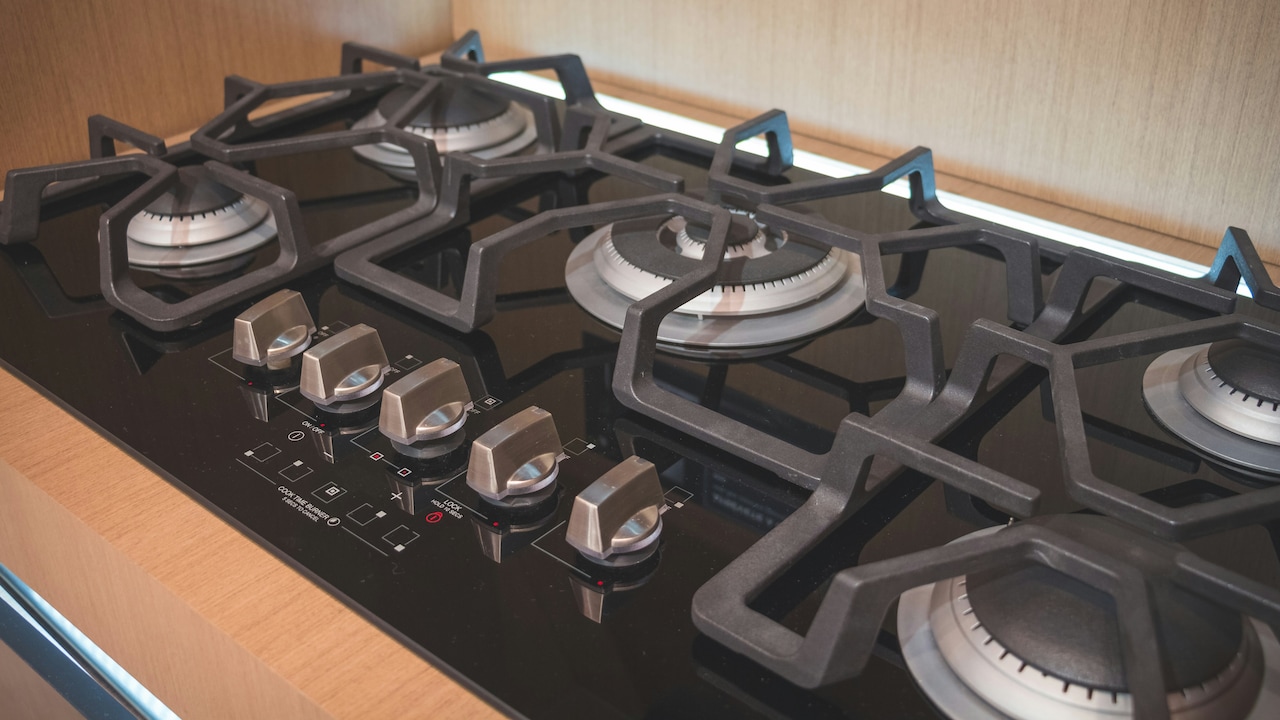
Glass Top Stove vs Stainless Steel Stove: Which Is Easier To Maintain?; Photo Credit: Pexels
Let's Settle This: Glass vs Steel In Real Kitchen Life
1) Daily Cleaning: The “Two-Minute Wipe” Test
Daily cleaning is where the real personality of a stove shows up. A glass top stove looks gorgeous when it's clean, but it demands consistency. Even a tiny oil smear can show up under the light like a dramatic close-up shot. The surface is flat, which makes wiping easy, but it also means everything is visible. Every fingerprint, every streak, every little patch of dried masala.
Stainless steel, on the other hand, is more relaxed. It hides minor smudges better, especially if it has a brushed finish. A quick wipe with a damp cloth often feels “good enough,” which is exactly what most busy kitchens need on a weekday.
But there's a catch. Stainless steel stoves often have grooves, edges, burner rings, and tiny gaps where grime collects. Glass is one smooth sheet. So while glass shows dirt more easily, stainless steel traps it more easily.
If the goal is quick and satisfying daily cleaning, stainless steel usually wins for tolerance. If the goal is quick and thorough cleaning, glass wins for surface simplicity.
2) Spills and Boil-Overs: Milk, Dal, and the Great Escape
Boil-overs don't happen politely. They happen when someone looks away for ten seconds. Milk rises like it has a personal mission. Dal bubbles with confidence. Rice water foams like it's auditioning for a drama serial.
On a glass top stove, spills spread across the surface in a thin layer. That sounds bad, but it's also easier to wipe because there are no burner rings or metal seams. If the spill is cleaned quickly, the stove can look spotless again.
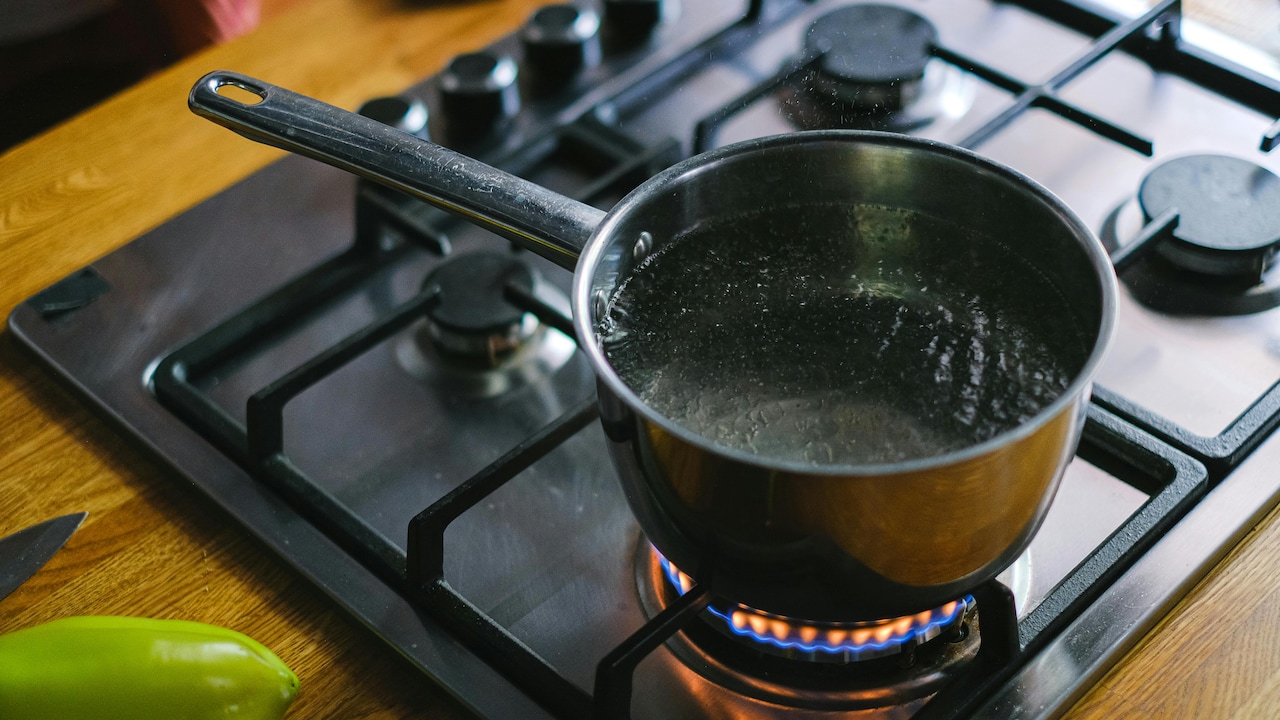
Stainless steel stoves handle spills differently. Liquids often flow into corners, under burner plates, and around knobs. That's where the real trouble begins. The spill might be wiped on top, but the residue stays hidden underneath. Over time, this becomes the source of smells, sticky patches, and stains that refuse to leave.
However, glass has one major weakness: if a sugary spill (like tea with sugar) dries and burns onto the hot surface, it can leave a stubborn patch that needs scraping. Stainless steel can be scrubbed more aggressively without fear.
For spill management, glass wins for easy wipe-down. Stainless steel wins for being less fussy about quick mistakes.
Also Read: 5 Best-Selling Gas Stoves Under ₹4600 - Single, Double And Triple Burner
3) Oil Splatters: The Tadka Reality Check
If the kitchen regularly sees tadka, shallow frying, or masala roasting, maintenance becomes a real sport. Oil splatters behave like glitter. They travel farther than expected and refuse to disappear completely.
On glass top stoves, oil splashes show up instantly. The shine makes every dot visible. It can feel slightly annoying because even after wiping, streaks sometimes remain. A glass cleaner or vinegar-water mix helps, but that's still one extra step.
Stainless steel stoves handle oil splatters with more grace visually. The surface doesn't reflect light the same way, so tiny dots don't scream for attention. But when oil mixes with dust and heat over time, stainless steel can develop a dull, sticky layer. It's the kind that makes the stove look older than it is.
Also, oil often settles into the joints around burners on stainless steel models. That's where scrubbing becomes a weekend activity.
For everyday cooking with lots of oil, stainless steel feels less dramatic. For deep cleaning after heavy cooking, glass is easier because there are fewer parts to fight.
4) Scratches and Surface Damage: Beauty vs Toughness
Maintenance isn't only about cleaning. It's also about how well a stove survives daily use. Glass top stoves look premium, but they can scratch. Sliding a heavy pan, using the wrong scrubber, or even dragging a slightly rough-bottomed tawa can leave marks.
These scratches don't always affect performance, but they do affect appearance. And once a glass surface loses that perfect glossy look, it can feel disappointing. Some scratches can be reduced with polishing, but not erased.
Stainless steel is tougher in this department. It can scratch, too, but the scratches blend in more naturally over time. In fact, most stainless steel stoves develop a “lived-in” look that feels normal. It doesn't feel like damage. It feels like use.
There's also the issue of dents. Stainless steel can dent if something heavy drops on it. Glass can crack if something heavy drops on it. Between the two, dents are easier to live with than cracks.
If maintenance includes keeping the stove looking new, stainless steel tends to be the safer bet.
Glass Top Stove vs Stainless Steel Stove: Which Is Easier To Maintain?; Photo Credit: Pexels
5) Stain Resistance: Turmeric, Tea, and Masala Marks
Some stains are not stains. They are emotional events. Turmeric is one of them. Tea rings are another. Tomato-based masala, especially when it burns slightly, is also a frequent offender.
Glass tops resist staining quite well because the surface is non-porous. Most marks sit on top and can be removed with the right cleaner. But if spills burn onto the glass, they can leave discolouration or stubborn patches that need careful scraping. And scraping needs patience, not panic.
Stainless steel is also non-porous, but it reacts differently. It doesn't stain in the traditional sense, but it can discolour with heat and develop patches that look dull. Some stainless steel stoves also show rainbow-like heat marks near burners, especially after years of high flame cooking.
Masala splashes can leave greasy stains that cling to steel unless degreased properly. And if the stove isn't wiped soon, the stain can become a permanent-looking shadow.
For stain resistance, glass usually wins, especially for colourful cooking. Stainless steel wins for being less sensitive to heat marks in the short term.
6) Burner Area Cleaning: Flat Surface vs Parts and Gaps
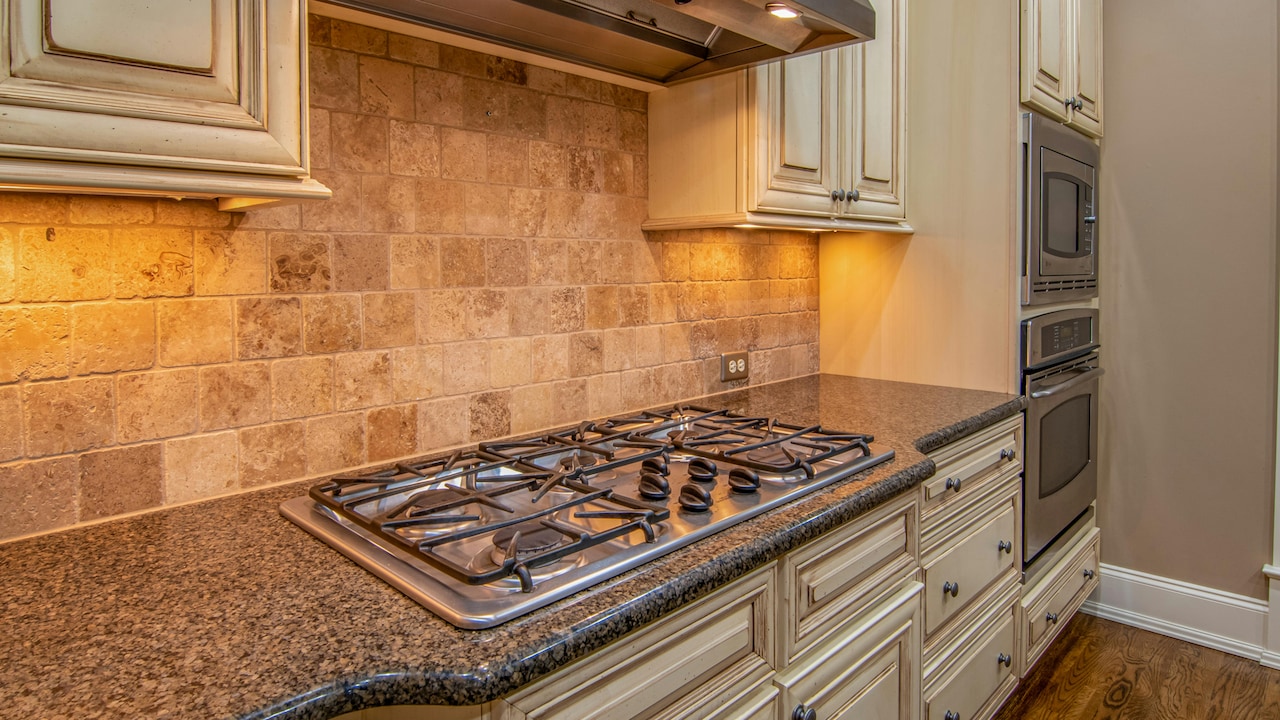
The burner area is where cleaning becomes either easy or irritating. Glass top stoves usually have burners integrated under the glass or mounted neatly. The key advantage is the flatness. There are fewer crevices for grime to hide in.
Stainless steel stoves usually have removable burner caps, rings, and supports. That sounds convenient, and it can be. You can remove parts and wash them properly. But it also means there are more pieces to clean. And more pieces mean more time.
Also, food tends to slip under burner rings on stainless steel stoves. Once it dries, it turns into a sticky crust that feels like it has signed a lease.
Glass top stoves avoid that mess because spills stay on the surface. But the trade-off is that the area around burners can get very hot, and burnt-on food becomes harder to remove without special tools.
If maintenance means fewer parts and faster cleaning, glass wins. If maintenance means deep cleaning with removable parts, stainless steel has an advantage.
7) Cleaning Products and Effort: What Actually Works at Home
Maintenance becomes easier when the stove responds well to simple cleaning. Many households rely on basic tools: dish soap, warm water, a scrub sponge, and maybe baking soda.
Glass top stoves are picky about scrubbers. Using a harsh steel scrubber can ruin the surface. That means cleaning has to be gentler, which can feel slower when dealing with burnt residue. Many people end up buying a glass-top cleaner or using a scraper tool. It's not expensive, but it's one more thing to keep around.
Stainless steel is less delicate. You can use stronger scrubbers without fear. Degreasing sprays work well, and even a thick soap solution can cut through oil. The only downside is streaking. Stainless steel loves streaks. Wipe it wrong, and it looks like a child cleaned it with enthusiasm and no technique.
If the goal is cleaning with whatever is already in the kitchen, stainless steel feels simpler. If the goal is quick cleaning without battling streaks and joints, glass feels more straightforward.
Glass Top Stove vs Stainless Steel Stove: Which Is Easier To Maintain?; Photo Credit: Pexels
8) Keeping It Looking New: Shine, Smudges, and Ageing
A stove doesn't just need to be clean. It needs to look clean. That's the tricky part. Glass tops have a showroom-style shine, which makes them look expensive and modern. But they also show smudges easily. Even a light touch can leave marks. And after cooking, the surface often looks like it needs immediate attention.
Stainless steel ages differently. It starts out shiny, but most models settle into a soft, brushed look. Smudges appear, but they don't scream. Scratches happen, but they blend in. Over time, stainless steel looks “used,” not “ruined.”
Glass tops can also develop micro-scratches and faint swirl marks from cleaning. These don't affect function but can reduce that brand-new appearance. People who love spotless, reflective surfaces might find themselves cleaning more often than they planned.
If maintenance includes keeping the stove looking stylish without constant wiping, stainless steel wins. If maintenance includes keeping a glossy surface pristine, glass demands more discipline.
9) Heat, Cooking Style, and Long-Term Maintenance
Maintenance changes depending on how cooking happens. High flame cooking, heavy tawa use, and frequent frying create more residue and heat stress.
Glass tops handle heat well, but they don't love sudden temperature changes. Placing a cold pan on a hot glass surface or spilling cold water on a hot area can be risky. It's not common, but it's possible. Also, heavy cast-iron pans can scratch or stress the surface over time.
Stainless steel stoves are built for rough daily use. They handle heavy cookware and high flames without much drama. Burner parts may need replacement eventually, but the surface itself is unlikely to crack.
In the long run, stainless steel feels like the low-maintenance companion that doesn't mind chaos. Glass feels like the stylish friend who can handle a lot, but only if treated with respect.
For long-term maintenance in busy, high-heat kitchens, stainless steel tends to win. For moderate cooking with regular cleaning habits, glass holds up beautifully.
10) The Real-World Verdict: Which One Fits Daily Life Better?
Maintenance isn't only about cleaning effort. It's about how the stove fits into real routines. Some households wipe the stove after every meal. Others do a quick clean and save deep cleaning for weekends. Some kitchens see three meals a day. Some see one big dinner and lots of tea.
Glass top stoves reward people who clean as they go. If spills are wiped quickly, the stove stays stunning. It's ideal for those who like neat counters and enjoy the satisfaction of a spotless surface.
Stainless steel stoves suit households where cooking is frequent, energetic, and occasionally messy. They forgive rushed wipe-downs. They don't show every smudge. They handle heavy use without feeling fragile.
There's also the emotional factor. Glass tops feel modern and premium. Stainless steel feels familiar and tough. Maintenance is partly about what kind of daily relationship someone wants with the stove, something that looks perfect but asks for attention, or something that takes a beating and still shows up for duty.
If low-maintenance maintenance is the top priority, stainless steel usually edges ahead. If easy wipe-down and a clean, seamless look matter more, glass is hard to beat.
Products Related To This Article
1. Longway Furn Glass Top, 2 Burner Manual Ignition Glass Gas Stove
2. Evoque Series 3 Burner Gas Stove | 1mm Stainless Steel Body
3. Lifelong 2 Burner Gas Stove Top for Kitchen
4. Butterfly Smart 2 Burner Stainless Steel Gas Stove
5. Sunshine Falcon 2 Burner
6. Butterfly Smart 4 Burner Glass Top Gas Stove
7. Elica 90cm 4 Burner Gas Stove
So, which stove is easier to maintain: glass top or stainless steel?
Glass top stoves win for simple wipe-downs, fewer crevices, and stain resistance. They look fantastic when clean and can stay that way with quick daily attention. But they demand gentler cleaning, scratch awareness, and a little more care when handling spills that burn.
Stainless steel stoves win for toughness, tolerance, and everyday practicality. They don't panic over rough scrubbers, they hide minor mess better, and they handle heavy cooking styles with ease. But they can trap grime around burners and develop streaks or dull patches over time.
In the end, the “easier” stove depends on lifestyle. For neat cooks who like things spotless, glass feels effortless. For busy kitchens where cooking is loud, lively, and full of tadka, stainless steel feels like the more forgiving choice.
Either way, the best stove is the one that doesn't make cleaning feel like a second job, because the only thing that should be sizzling after dinner is dessert, not frustration.
(Disclaimer: This article may include references to or features of products and services made available through affiliate marketing campaigns. NDTV Convergence Limited (“NDTV”) strives to maintain editorial independence while participating in such campaigns. NDTV does not assume responsibility for the performance or claims of any featured products or services.)