Suction Power Explained: How Much Suction Is Enough For Your Kitchen Chimney?
Choosing the right kitchen chimney suction isn’t about the biggest number. It’s about matching suction to your kitchen size, cooking style and layout, so smoke, grease, and odours don’t take over.
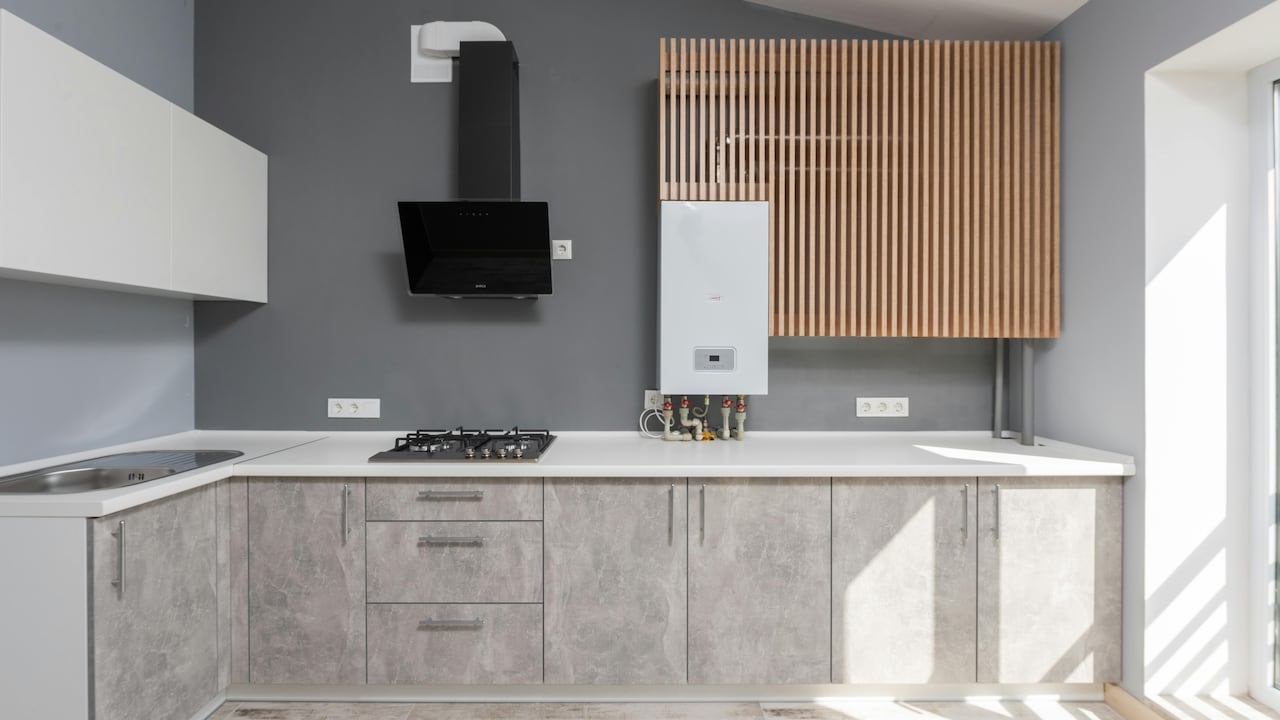
Best Suction Power for Kitchen Chimneys: 900 vs 1200 vs 1500 m/hr Explained.
Every kitchen tells a story. Morning tea bubbling away, masalas sizzling at lunch, and elaborate dinners that stretch into long conversations. Along with the joy comes smoke that clings to curtains, oil that settles on cabinets, and smells that linger longer than guests. A kitchen chimney promises relief, yet the question often causes confusion: how much suction is actually enough?
Sales counters throw around big numbers. Online listings push higher cubic metres per hour as if more always means better. In reality, suction works best when matched to the kitchen's size, layout and cooking style. Too little suction leaves the air heavy and uncomfortable. Too much creates noise, wastes power, and pulls heat out during winter.
This article unpacks suction power in simple terms. It uses real-life kitchen scenarios, familiar cooking habits and practical examples. By the end, choosing the right chimney suction will feel less like guesswork and more like a confident decision.
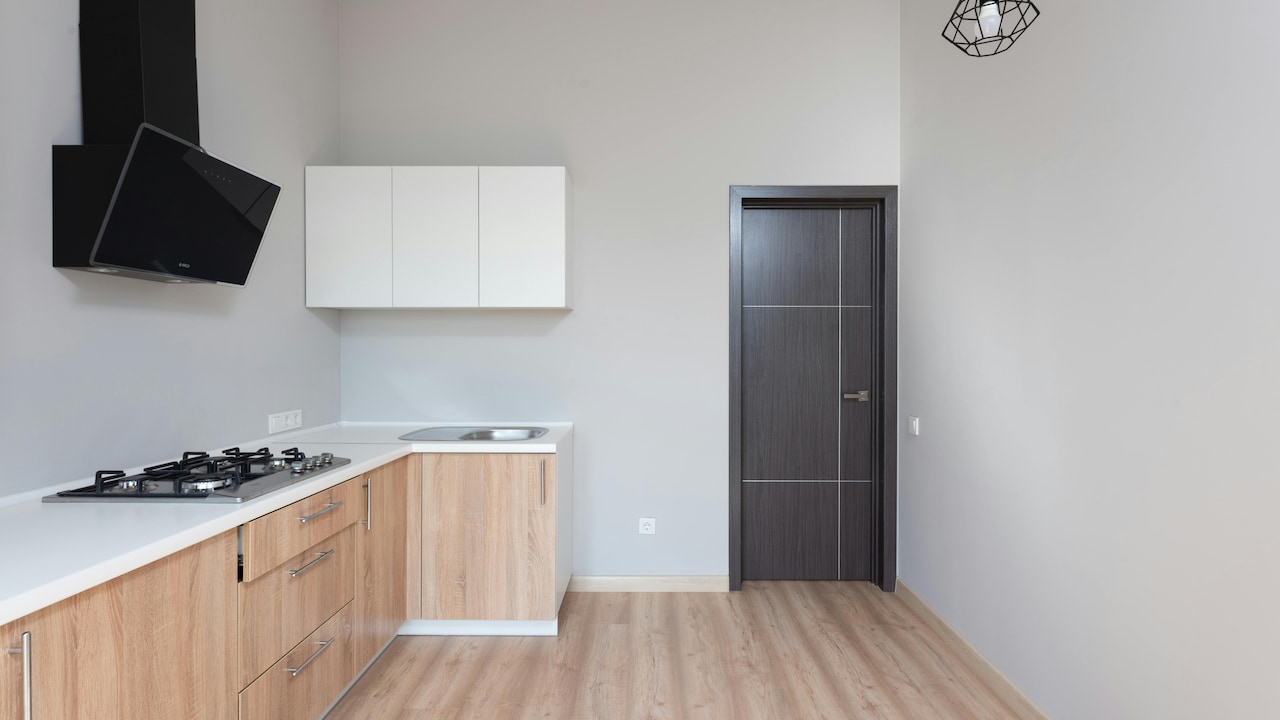
How Much Suction Power Is Enough For A Kitchen Chimney?
Photo Credit: Pexels
Suction Power Explained: How Much Suction Is Enough For Your Kitchen?
1. What Suction Power Actually Means
Suction power measures how much air a chimney pulls out in an hour. The unit appears as cubic metres per hour, often written as m³/hr. A chimney rated at 1000 m³/hr can replace that volume of air every hour. Simple enough on paper, yet real kitchens add complexity.
Air carries smoke, steam and grease particles. Heavier cooking fumes need a stronger pull. Light steaming from boiling rice clears easily. Deep-frying fish or tempering spices demands more muscle. Suction power reflects the chimney's ability to capture these particles before they spread.
Marketing often glorifies the highest number. In daily use, balanced suction matters more. Excess power creates loud noise and pulls clean air out too fast. Lower power struggles during festive cooking sessions. Understanding suction as a matching game, rather than a race, saves money and improves comfort.
2. Kitchen Size Shapes Suction Needs
The size of the kitchen sets the foundation. Small kitchens trap smoke quickly, while larger spaces allow fumes to spread before reaching the chimney. A compact 8x8 kitchen needs less suction than an open layout connected to the living room.
Ceiling height also plays a role. Taller ceilings give smoke more room to rise and disperse. Chimneys must work harder to catch fumes before they escape into the rest of the home. For kitchens under 100 square feet, suction between 700 and 900 m³/hr usually suffices. Medium kitchens benefit from 900 to 1200 m³/hr. Larger or open kitchens often need 1200 m³/hr or more.
Choosing suction without considering size often leads to disappointment. A powerful chimney in a tiny kitchen feels noisy and excessive. A weak one in a spacious layout feels pointless during heavy cooking days.
3. Cooking Style Makes the Biggest Difference
Cooking habits matter more than square footage. Light sautéing and boiling produce minimal fumes. Regular frying, grilling and tadka sessions release thick smoke and oil particles. Kitchens that host daily spice-heavy cooking need stronger suction.
Think of weekend specials. Frying puris, making pakoras during monsoons, or preparing festive sweets releases oil-laden air. Chimneys below 1000 m³/hr struggle in these moments. The result shows up as greasy tiles and stubborn odours.
For homes where cooking feels like a passion rather than a chore, suction around 1200 to 1500 m³/hr works better. It clears the air quickly and keeps walls cleaner. Matching suction to cooking intensity avoids the frustration of wiping cabinets every other day.
4. Open Kitchens Demand Extra Power
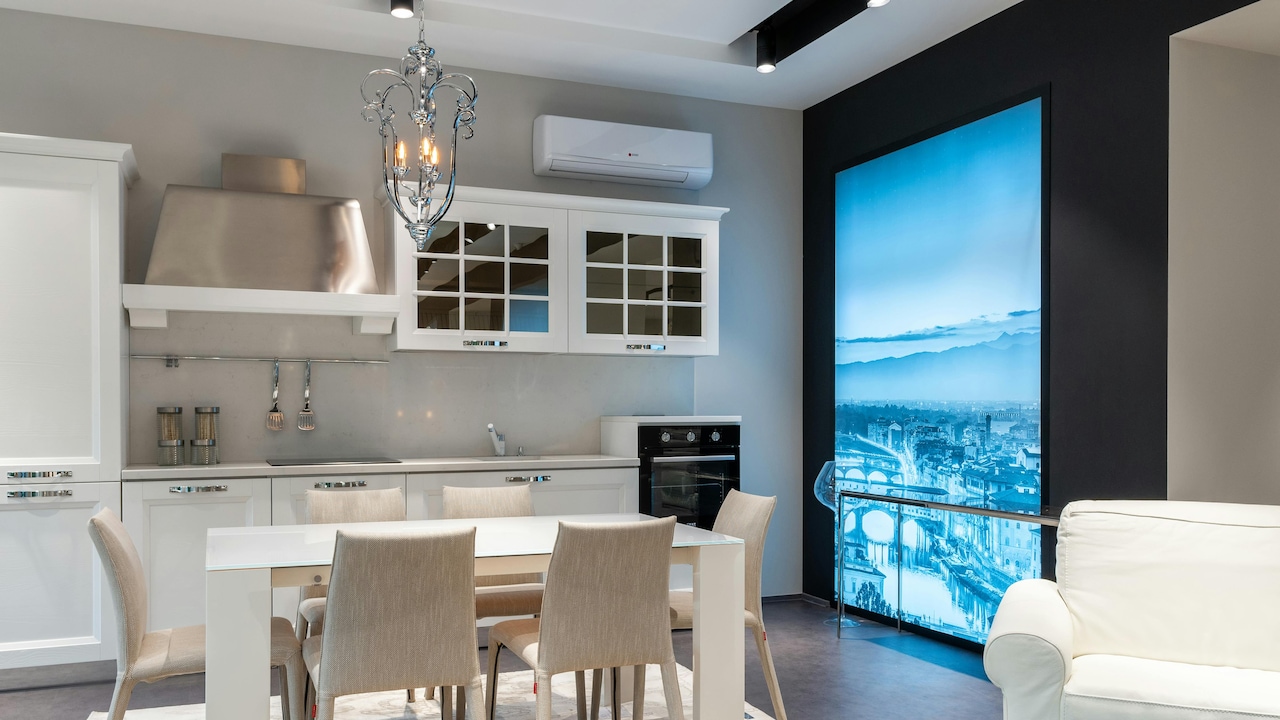
Open kitchens look stylish and feel social. They also allow smoke to travel freely into sofas, curtains and cushions. Without walls to contain fumes, chimneys must work harder.
In closed kitchens, suction pulls air from a defined area. In open layouts, the chimney competes with the entire living space. Lower suction fails to capture smoke before it spreads. This often leads to lingering food smells well past dinner.
Open kitchens generally need at least 1200 m³/hr suction. Homes with heavy cooking may push this to 1500 m³/hr. The extra power ensures fumes exit quickly instead of drifting around the house. This choice protects furniture and keeps the living area pleasant for guests.
5. Ducted vs Ductless Chimneys
Chimneys fall into two broad types. Ducted models push air outside through a pipe. Ductless versions filter air and recirculate it back into the kitchen. Each type affects suction needs.
Ducted chimneys work more efficiently. They remove smoke completely from the space. Slightly lower suction can still perform well if ducting stays short and straight. Ductless chimneys rely on filters, which slow airflow. These models often need higher suction to deliver similar results.
For homes where external ducting proves difficult, ductless chimneys offer convenience. Choosing a higher suction compensates for filter resistance. Regular filter cleaning also becomes essential. Ignoring this reduces suction effectiveness, no matter how powerful the motor claims to be.
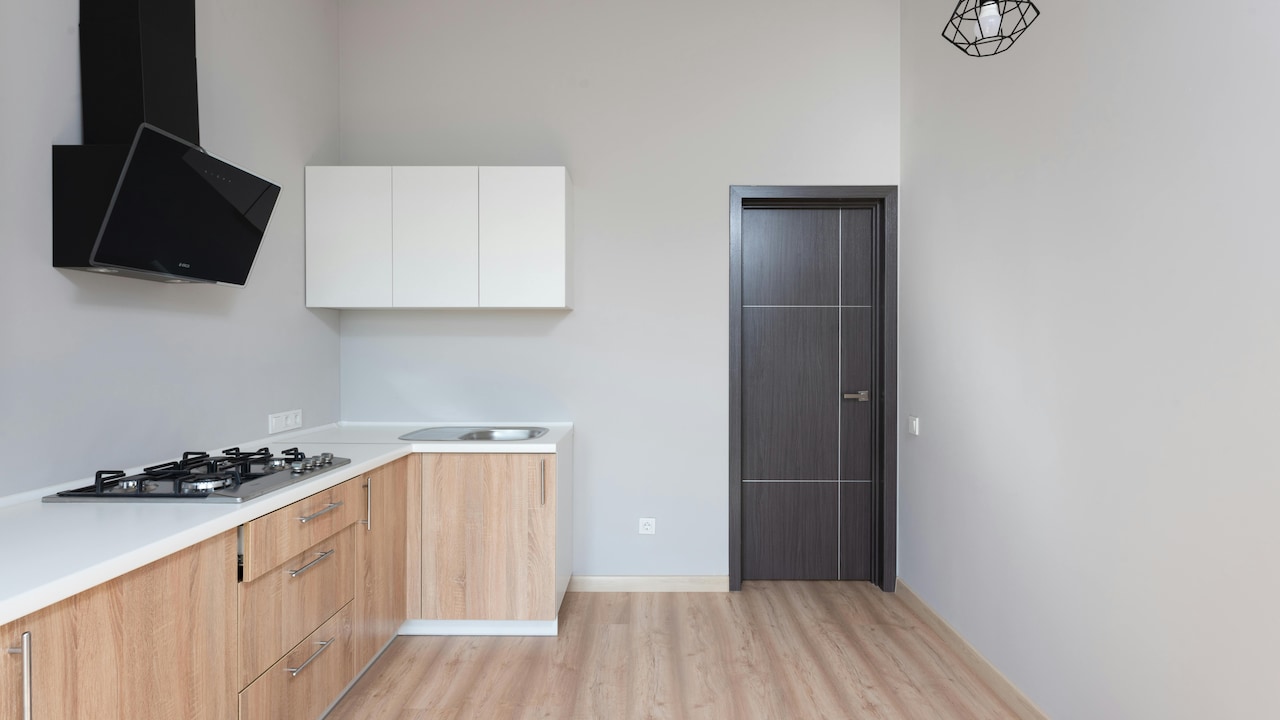
How Much Suction Power Is Enough For A Kitchen Chimney?
Photo Credit: Pexels
6. Chimney Size and Placement Matter
Suction power works best when paired with the right chimney size. A narrow chimney over a wide hob struggles to catch all fumes. Smoke escapes from the sides before suction can act. Wider chimneys cover the cooking area better and improve efficiency.
Placement height affects performance, too. Installing the chimney too high weakens the suction reach. Installing it too low interferes with cooking comfort. Most chimneys perform best when placed 24 to 30 inches above the hob.
Correct size and placement allow moderate suction to work effectively. Poor alignment forces buyers to chase higher suction numbers to compensate. A well-matched setup saves money and delivers better everyday performance.
7. Noise Levels and Comfort
Higher suction often brings higher noise. Some chimneys sound like they are preparing for take-off. This ruins conversation and adds stress during cooking. Kitchens should feel lively, not chaotic.
Modern chimneys balance suction with sound control. Efficient motors and better airflow design reduce noise even at higher suction levels. Checking decibel ratings helps avoid unpleasant surprises.
Comfort matters as much as cleanliness. A chimney that clears smoke yet allows conversation feels like a good companion. Choosing suction just high enough, rather than excessive, keeps noise within comfortable limits.
8. Energy Use and Running Costs
Powerful suction draws more electricity. Over time, this adds to monthly bills. While chimneys do not consume as much air as air conditioners, the difference between moderate and high suction becomes noticeable.
Energy-efficient motors deliver strong suction without excessive consumption. Spending a little more upfront often saves money in the long run. Look beyond suction numbers and consider motor quality.
Balancing suction with energy efficiency keeps kitchens comfortable without guilt when the electricity bill arrives. Smart choices ensure freshness without waste.
9. Maintenance and Long-Term Performance
Suction performance drops when filters clog. Oil and grease build up faster in heavy-use kitchens. Chimneys with higher suction pull in more particles, which means filters need regular cleaning.
Baffle filters suit frequent frying. They handle grease well and clean easily. Mesh filters clog faster and reduce suction if ignored. Filter choice affects how well suction performs over time.
Regular maintenance keeps suction consistent. A well-maintained 1000 m³/hr chimney often outperforms a neglected 1500 m³/hr model. Care plays a quiet yet crucial role in everyday performance.
10. Finding the Sweet Spot
Choosing suction feels overwhelming with so many variables. Kitchen size, layout, cooking style and chimney type all matter. There is no universal best number.
For most homes with regular cooking, 1000 to 1200 m³/hr suits well. Heavy cooking or open layouts benefit from 1200 to 1500 m³/hr. Going beyond this rarely adds comfort unless the space demands it.
The sweet spot lies where smoke clears quickly, noise stays manageable, and energy use remains reasonable. A chimney should support daily life, not dominate it.

How Much Suction Power Is Enough For A Kitchen Chimney?
Photo Credit: Pexels
Products Related To This Article
1. Elica 60cm 1500 m3/hr BLDC Filterless Autoclean Kitchen Chimney with 15 Years Motor
2. Faber 60 cm 1000 m³/hr Kitchen Chimney
3. INALSA EKON 60cm 1100 m³/hr Pyramid Kitchen Chimney With Elegant Look|Push Button Control
4. Ventair 60 cm 1200 m3/hr Autoclean Kitchen Chimney
5. Whirlpool 60cm 900 m3/hr Cassette Filter
6. Faber 60cm 1200 m³/hr Vertical Wall Mounted Chimney|Filterless
7. Faber 60 cm 1200 m³/hr Autoclean Curved Chimney
Suction power shapes how a kitchen feels every day. The right choice keeps air fresh, surfaces cleaner and conversations uninterrupted. Bigger numbers do not always mean better performance. Thoughtful matching brings better results.
Understanding kitchen size, cooking habits and layout removes confusion. Balanced suction handles daily frying, festive feasts and quick meals with equal ease. With the right chimney, cooking stays joyful, and the kitchen remains a welcoming space long after the stove cools. Choosing wisely today ensures comfort for years, one delicious meal at a time.
(Disclaimer: This article may include references to or features of products and services made available through affiliate marketing campaigns. NDTV Convergence Limited (“NDTV”) strives to maintain editorial independence while participating in such campaigns. NDTV does not assume responsibility for the performance or claims of any featured products or services.)