Garment Steamers: When They Replace Irons And When They Don't
Garment steamers are quick, gentle, and great for daily wear. But they can’t replace irons for crisp collars, creases, and heavy fabrics. Here’s when to steam and when to press.
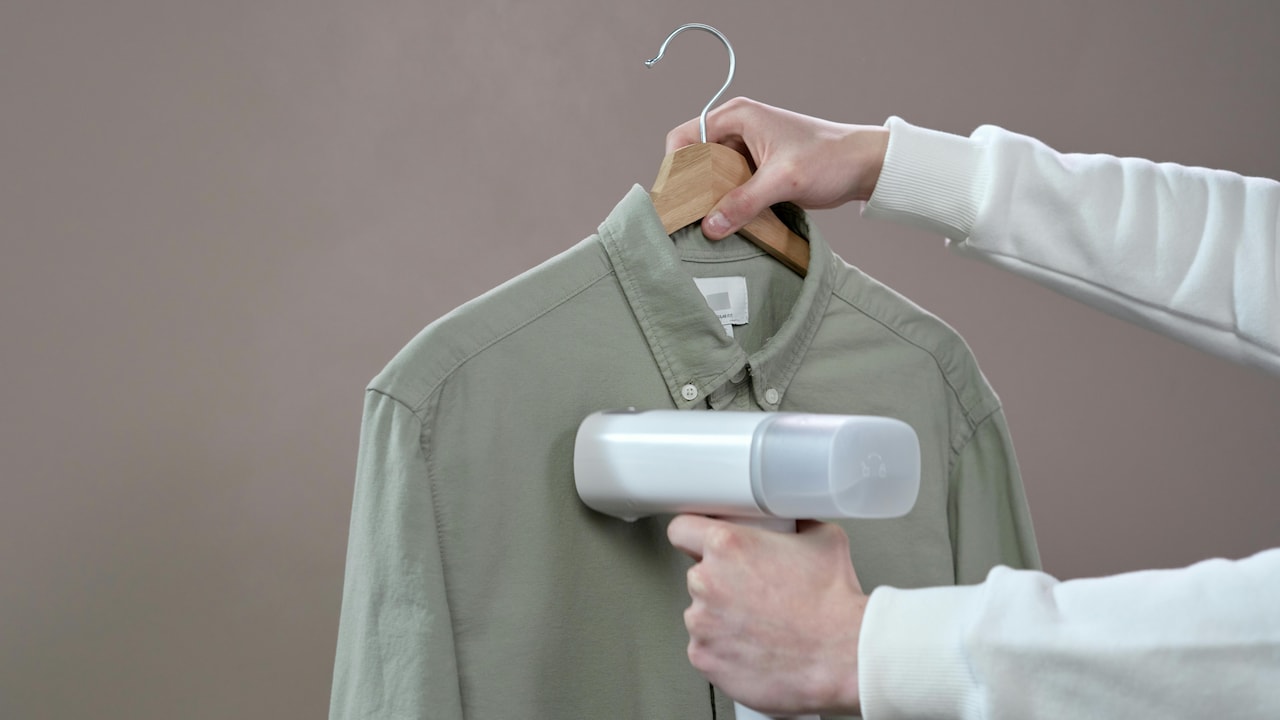
Garment Steamers Explained: When They Work Better Than Irons And When They Do Not.
There's a special kind of chaos that happens five minutes before leaving the house. The shirt looks fine on the hanger, then suddenly, under real light, it looks like it has been folded into a tiny square and emotionally traumatised.
For decades, the iron has been the unquestioned hero of this situation. Heavy. Reliable. Slightly terrifying when left unattended. But garment steamers have entered the scene with a very different personality. They don't demand an ironing board. They don't need perfect angles. They simply blast wrinkles into submission while the clothes hang politely in place.
Still, the big question remains: can a steamer fully replace an iron? The answer depends on what you wear, how you dress, and what kind of finishing you actually need. Because a crisp collar and a smooth kurta don't behave the same way. And neither do linen trousers and a saree blouse.
So let's get into it, without drama, without jargon, and without pretending everyone has the patience to iron a bedsheet.
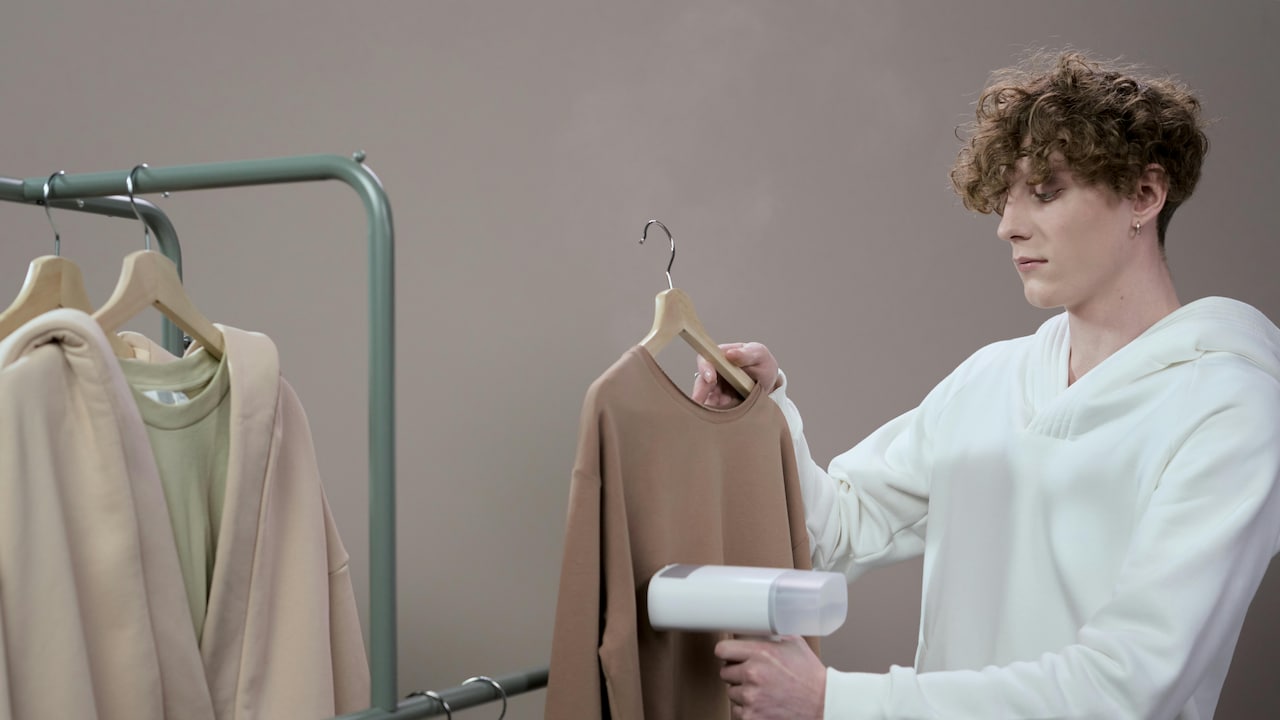
Garment Steamer Vs Iron: Which One Should You Use And When?
Photo Credit: Pexels
Where Steamers Shine And Where Irons Still Win
The Real Difference: Smoothing Vs Pressing
A garment steamer relaxes fabric using hot steam. It softens the fibres, loosens wrinkles, and freshens clothes at the same time. It's more like convincing wrinkles to leave peacefully. An iron, on the other hand, uses heat and pressure. It presses fabric flat and can create sharp lines, like pleats and creases.
This difference matters more than people expect. If the goal is to look neat and put-together, a steamer can handle most everyday situations. Shirts, dresses, kurtas, and dupattas often look great after a quick steam.
But if the goal is to look sharply tailored, think crisp office shirts, formal trousers, or school uniforms, an iron still has the upper hand. Steamers don't press fabric into a shape. They don't create that “knife-edge” crease.
So the choice isn't about which tool is “better”. It's about whether the outfit needs a gentle, smooth finish or a firm pressed structure. One is a quick grooming tool. The other is a precision instrument.
When Time Is Tight, Steamers Feel Like Magic
Steamers are built for speed. They heat up quickly, they work while the garment hangs, and they don't demand a whole setup. This is where they feel genuinely life-changing.
On a busy weekday morning, steaming a kurta or a shirt takes two minutes. There's no board to drag out. No constant repositioning. No fear of burning a sleeve while adjusting the collar. The steamer simply glides down the fabric, and the wrinkles fade like a bad mood after chai.
They also work brilliantly for clothes that get wrinkled just by existing. Rayon, viscose, georgette, and cotton blends often crumple after one wear or one wash. A steamer gives them a quick reset.
For people living in smaller flats or shared spaces, this convenience becomes even more valuable. When storage is tight, a steamer that fits in a drawer can feel like a smarter everyday tool than an iron plus board.
But speed comes with limits. Steamers are fast at smoothing. They are not fast at creating structure. If the outfit needs definition, the iron still wins.
Delicate Fabrics Prefer Steam Over Pressure
Some fabrics behave like drama queens around irons. They shine, scorch, stick, or get those mysterious press marks that refuse to leave. Steamers are far gentler on these materials because they don't require direct pressure.
Silk, satin, chiffon, organza, and embellished outfits are all safer with steaming. Even with an iron on low heat, one mistake can ruin a blouse or leave a shiny patch that looks like it has been laminated. Steam avoids that risk by treating the fabric with warmth and moisture instead of heat and force.
This is especially helpful for festive wear. A heavily embroidered kurta, a sequinned dupatta, or a blouse with delicate work doesn't want to meet an iron. Steamers handle these pieces with less stress and fewer accidents.
They're also kinder to synthetic fabrics. Polyester can melt if overheated, and many outfits today include blends that don't respond well to aggressive ironing. A steamer gives a smoother look without the danger of warping the fabric.
In short: for delicate, expensive, or embellished clothing, steamers aren't just convenient. They're the safer option.
Shirts And Collars: The Iron Still Has Swagger
There's a reason formal shirts still come with “press me properly” energy. The collar, the cuffs, and the button placket are designed to hold shape. Steamers can smooth these areas, but they can't truly press them.
A steamed shirt looks neat, yes. It looks wearable, yes. But it rarely looks sharply professional. The collar won't sit as crisply. The cuffs won't feel structured. The front placket won't look as clean as it does after ironing.
This matters for people who wear formal shirts daily or attend client meetings. A steamed shirt can look slightly soft, which is fine for casual offices. But in settings where appearance is part of the job, ironing still delivers that polished finish.
It's also worth noting that thick cotton shirts need more than steam. They often need pressure to flatten the fabric fully. Steam may reduce wrinkles but leave faint ripples.
So if the wardrobe includes many office shirts, an iron remains a strong companion. A steamer can still help for quick touch-ups, but it won't fully replace the classic press.
Sarees, Dupattas, And Long Flowing Fabrics Love Steam
Steaming long garments is where steamers truly feel like the main character. Sarees, dupattas, long skirts, anarkalis, and even stoles can be a nightmare with an iron. They slip, they fold, they drag, and they somehow always end up with new creases just when they looked perfect.
Steamers simplify this. Hanging the fabric and steaming downward gives a smooth, fresh look without wrestling with metres of material. This is especially helpful for fabrics like georgette, crepe, chiffon, and soft silk blends.
Steaming also helps remove that “stored in the cupboard for months” smell. It freshens the fabric while removing wrinkles, which feels like a small luxury before a wedding or festival.
However, sarees with crisp pleats still need an iron. If the goal is sharp pleating that holds through a long day, steaming won't provide enough structure. Steam makes fabric softer, which is the opposite of what pleats require.
So for flowing elegance, steam wins. For crisp pleats, the iron returns to the throne.
Linen And Heavy Cotton: Steam Helps, But Doesn't Finish The Job
Linen is gorgeous. Linen is breathable. Linen is also a professional wrinkler. It creases while you look at it. Heavy cotton behaves similarly, especially in trousers and structured kurtas.
A steamer can improve linen quickly. It can reduce wrinkles and make the fabric look more presentable. But linen often needs pressing to look truly sharp. Steam alone can leave it looking slightly rumpled, like it has made peace with wrinkles and refuses to apologise.
This is where irons still matter. Pressing linen gives it a cleaner finish, especially for shirts, pants, and formal outfits. The same applies to thick cotton sarees, school uniforms, and structured salwar suits.
Steamers can still be useful here as a “maintenance tool”. For example, after wearing a linen kurta once, steaming can refresh it for a second wear without doing a full iron session.
But if the outfit needs to look crisp and intentional, especially for work or events, steam won't fully replace the iron for linen and heavy cotton. It will only get you halfway, and linen rarely rewards half-efforts.
Travel And Small Homes: Steamers Are The Practical Winner
Steamers were practically designed for travel. A compact steamer fits in a suitcase, heats up quickly, and works in hotel rooms where the iron is either missing or looks suspicious. It also helps with outfits that get wrinkled during travel, which is almost all of them.
Even at home, many people live in spaces where an ironing board feels like a piece of furniture rather than a tool. Steamers remove that friction. They don't require a dedicated corner or a perfect setup. They work in a balcony, a bathroom, or next to a wardrobe.
They're also excellent for quick outfit rescue. That moment when someone calls and says, “We're leaving in ten minutes,” and the outfit isn't ready? Steamers handle that chaos beautifully.
Cost-wise, many good steamers now fall in the ₹1,500–₹4,000 range, making them accessible. They also reduce dry-cleaning visits for minor wrinkles and freshening.
In terms of everyday practicality, steamers win by being easier to use. They don't demand effort. They invite it.
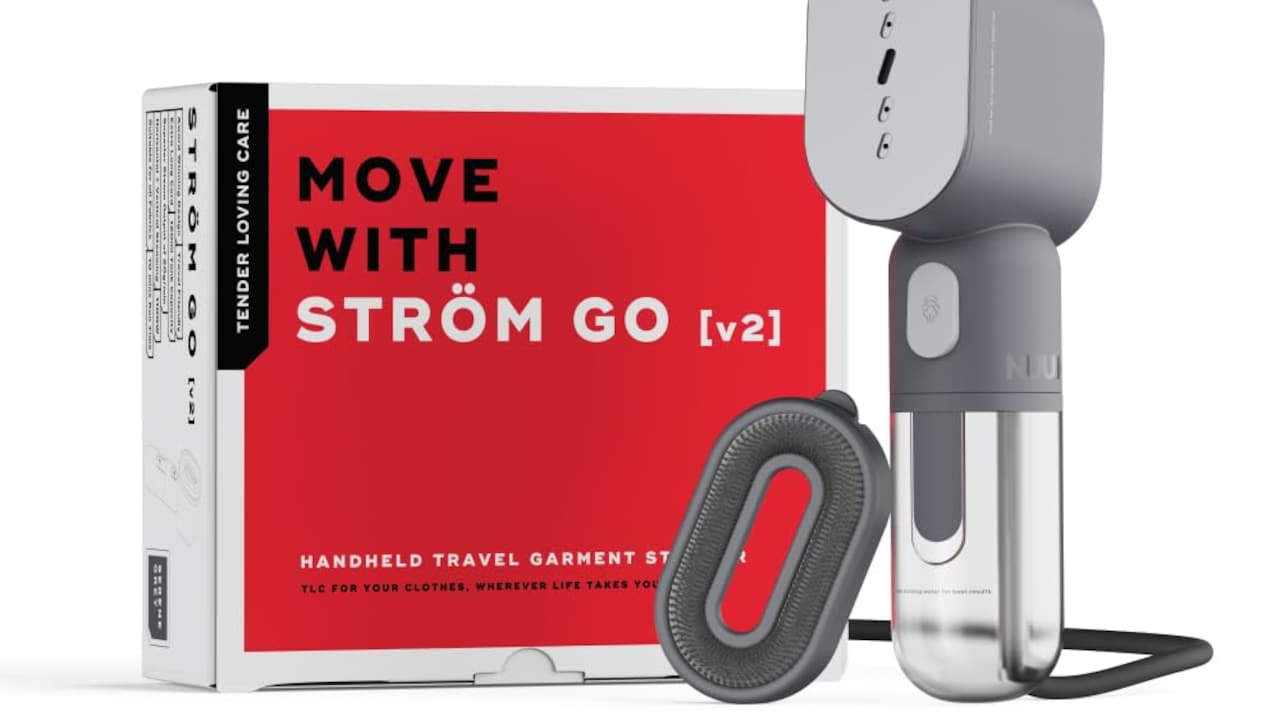
Garment Steamer Vs Iron: Which One Should You Use And When?
Photo Credit: Amazon
Hygiene And Freshness: Steamers Have A Hidden Superpower
Steam doesn't just remove wrinkles. It also freshens fabric. This is one of the most underrated reasons steamers have become popular.
Many clothes don't need washing after every wear. Jackets, blazers, sarees, sweaters, shawls, and even jeans often just need a refresh. A steamer helps remove light odours, reduces that “stored fabric” smell, and makes garments feel cleaner.
It's particularly useful during humid seasons when clothes can pick up a musty scent even while hanging in the cupboard. A quick steam session can revive them without a full wash cycle.
Steamers also help with clothes worn in smoky environments, crowded events, or long travel days. They won't replace proper cleaning, but they can make a noticeable difference.
For people who want to extend the life of garments by washing less frequently, steaming becomes a gentle maintenance routine. It's kinder to fabric, kinder to colours, and kinder to delicate work.
An iron can't do this. An iron presses. A steamer refreshes. And in real life, freshness often matters as much as wrinkles.
Creases, Pleats, And Sharp Lines: Irons Still Rule
There are certain looks steamers simply cannot produce. Crisp pleats in trousers, sharp creases, perfectly pressed cotton sarees, and structured formal wear still demand an iron.
A steamer can make trousers look smoother, but it won't create that clean crease down the front. And for some wardrobes, that crease is not optional. It's part of the outfit's identity.
School uniforms also fall into this category. A steamed uniform looks neat, but it won't look “properly pressed”. Many families still rely on ironing for that sharpness.
Pleated skirts and formal dresses also need pressing if the pleats must stay defined. Steam tends to relax fibres, which can soften pleats over time. That's great for wrinkles, but not for structure.
If someone loves a crisp, tailored look, an iron is still the best tool. Steamers can support, but they won't replace.
This isn't a flaw. It's simply physics. Pressure shapes fabric. Steam relaxes it. And sometimes, the outfit needs shaping, not relaxing.
The Best Setup Is Not Either-Or
The smartest approach for most households is a combination. A steamer for daily life. An iron for the rare moments that demand sharpness.
For example, a steamer can handle everyday kurtas, sarees, dresses, dupattas, and casual shirts. It can also refresh jackets and delicate outfits without risk. Meanwhile, the iron can be used for formal shirts, trousers, uniforms, and anything that needs crisp edges.
This pairing also reduces workload. Instead of ironing everything, steaming becomes the quick daily fix. Ironing becomes the occasional precision job.
For people who dislike ironing, this is the real win. The iron doesn't need to disappear. It just needs to stop being the default tool for every garment.
A steamer also encourages better garment care. It's easier to touch up clothes, so outfits look neater more often. And when clothes look better, people feel better. It sounds silly, but it's true. A smooth kurta on a stressful day feels like a small act of self-respect.
Products Related To This Article
1. NUUK STROM GO V2 Super Compact and Lightweight Travel Garment Steamer For Clothes
2. PHILIPS Handheld Garment Steamer STH3000/20
3. OWNAIR Steamer for Ironing Clothes
4. Goodscity Garment Steamer for Clothes
5. Braun QuickStyle 3 GS3012BG Garment Steamer, Vertical Iron
6. Hamilton Beach Professional Garment Steamer
Garment steamers can replace irons in many everyday situations, especially for delicate fabrics, long garments, casual outfits, and quick touch-ups. They shine when time is short, space is limited, or the wardrobe includes lots of flowy, wrinkle-prone fabrics.
But irons still hold their ground for crisp collars, sharp creases, heavy cotton, linen, uniforms, and anything that needs structure. Steamers smooth. Irons press. That difference never disappears.
So the real answer is simple: steamers don't replace irons completely. They replace the constant need to iron everything. And that, honestly, is the kind of upgrade most households can appreciate, especially on those mornings when the shirt looks like it has been through a personal crisis.
If the goal is to look neat with minimal effort, a steamer is a brilliant choice. If the goal is to look sharply pressed, the iron still earns its place. And for most people, having both is not overkill. It's just practical.
(Disclaimer: This article may include references to or features of products and services made available through affiliate marketing campaigns. NDTV Convergence Limited (“NDTV”) strives to maintain editorial independence while participating in such campaigns. NDTV does not assume responsibility for the performance or claims of any featured products or services.)