Why Your Hand Blender Splashes And How To Stop It
Hand blender splashing isn't bad luck. It's speed, angle, container shape, and air. Learn the real reasons and simple fixes to blend smoothly without turning your kitchen into a mess. So, explore easy tips to stop your hand blender from splattering now.
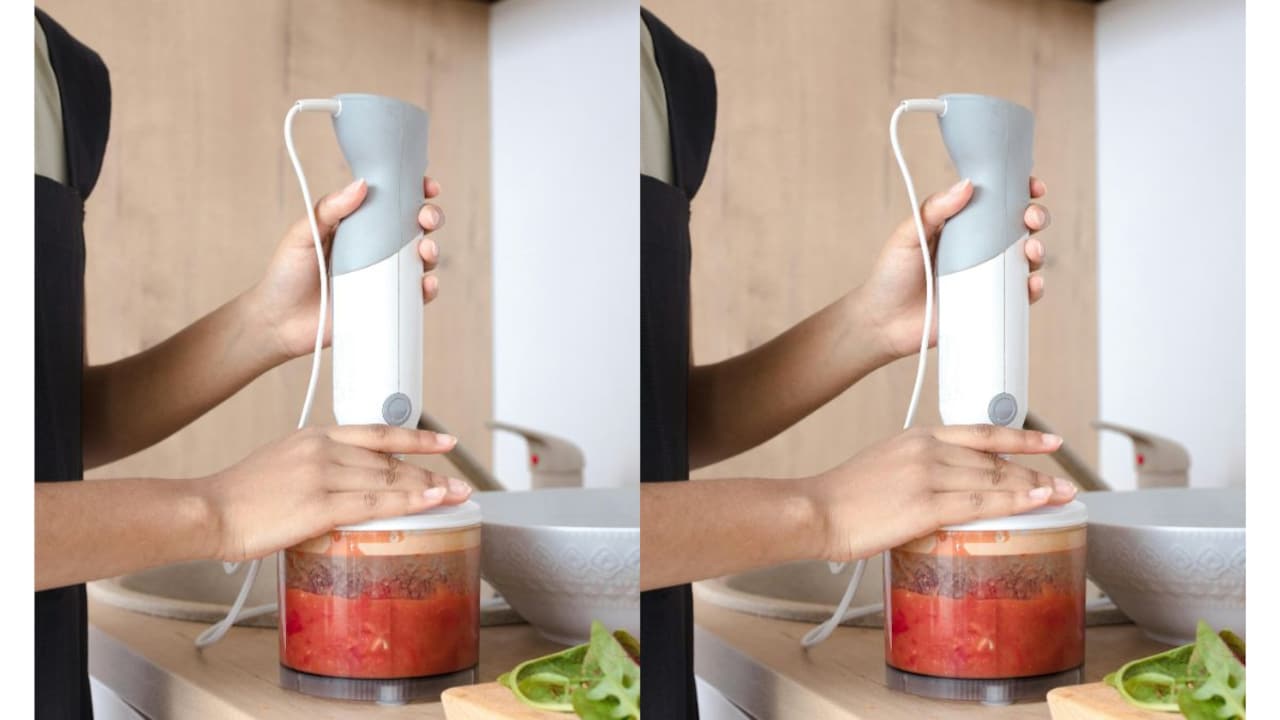
Hand Blender Splattering Everywhere? This Is How To Prevent It - Read All About It Now.
Hand blenders are one of those brilliant kitchen tools that feel like magic, until they don't. One moment you're confidently making mint chutney, the next moment your mixer decides to audition for a Holi celebration. It's frustrating, messy, and slightly insulting.
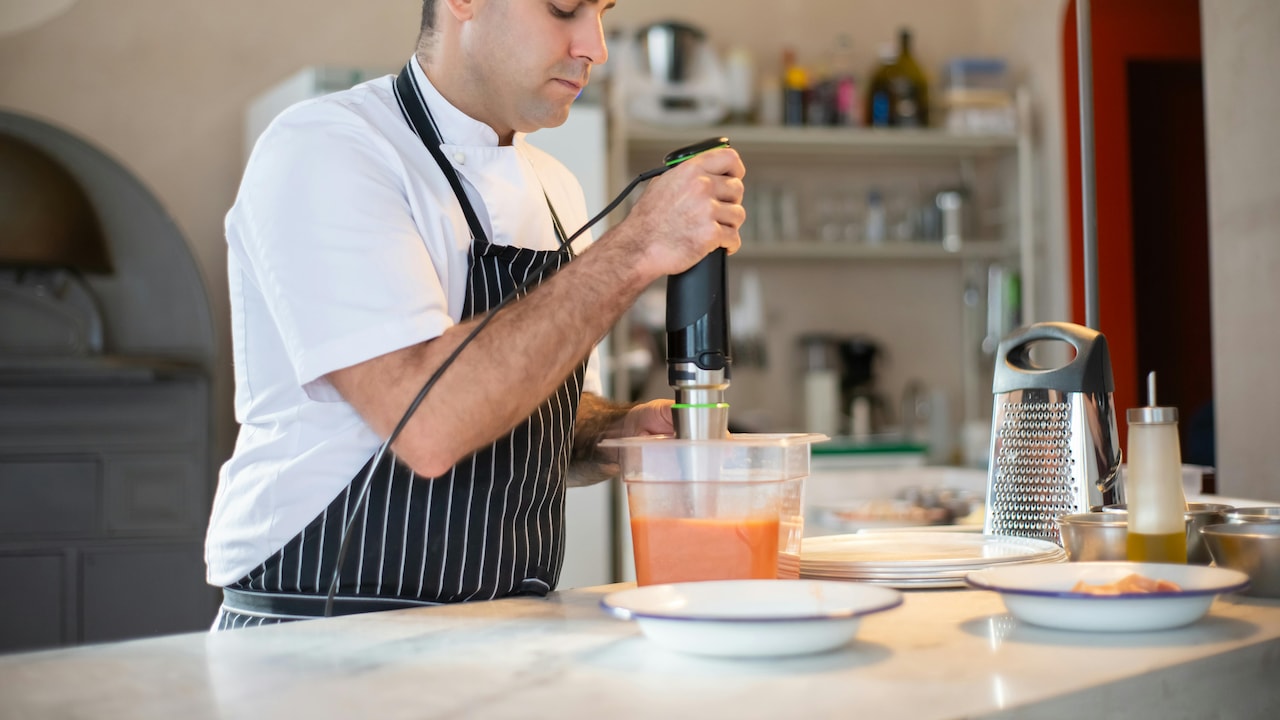
Try these easy tips to prevent your hand blender from splashing everywhere; Photo Credit: Pexels
But splashing isn't a personality trait of your blender. It's usually a mix of speed, angle, container choice, and the way ingredients behave when they meet spinning blades. The real culprit is often simple: air.
The best part is that you don't need a fancy upgrade or a ₹5,000 “professional” model to fix this. You need a few small technique changes that feel almost too basic, until you try them and realise you've been blending like an action hero in slow motion. Let's break down why splashing happens and how to stop it for good.
Also Read: Top 5 Budget-Friendly Hand Blenders Under ₹500 For Everyday Kitchen Tasks
Why Splashes Happen: And How To Fix Them
1. You're Starting At The Wrong Speed
Most splashing begins in the first two seconds. That's when many people press the power button like they're revving a bike at a signal. The blades instantly create a whirlpool, and the surface of the liquid gets pulled up, pushed out, and flung in all directions. The blender isn't “misbehaving”. It's doing exactly what it was designed to do: spin fast and move food around.
A simple change makes a dramatic difference: start slow. Even if your blender has only one speed, you can pulse it lightly at first instead of holding it down continuously. This gives the ingredients time to settle into the blade zone rather than sitting at the top like nervous passengers.
Think of it like stirring tea. If you stir gently, the liquid stays in the cup. If you stir like you're trying to summon a storm, the cup fights back. Your blender works the same way. Start gently, then build up speed once the mixture thickens and becomes more stable.
2. The Container Is Too Wide And Too Shallow
The wrong container is basically an open invitation for splashing. A wide bowl or a shallow pan gives the mixture too much surface area. That means the spinning blades can easily push liquid sideways, and there's nothing tall enough to stop it. It's like trying to wash your hands in a plate. Technically possible, but chaos is guaranteed.
A tall, narrow jar works best. The height acts like a protective wall, and the narrow shape encourages the mixture to circulate downward instead of exploding outward. This is why those blending beakers that come with hand blenders are so useful; they're not just freebies. They're designed to control the movement.
If you don't have one, a steel tumbler, a tall jug, or even a deep saucepan works well. The goal is simple: less open space at the top, more depth at the bottom. It's one of those changes that makes you wonder why anyone ever tried blending in a flat bowl in the first place.
3. You're Lifting The Blender While It's Running
This is the classic mistake, and it causes the most dramatic mess. When the blender head rises above the surface while the blades are still spinning, it turns into a food sprinkler. Even thick mixtures like chutney can shoot out because the blades fling tiny droplets at high speed.
The fix is easy but requires discipline: keep the blender head fully submerged while it runs. If you need to reposition, stop the motor first. Move the blender, then start again.
It's a bit like driving over speed breakers. You don't accelerate mid-bump and expect a smooth ride. You slow down, adjust, and then continue. Same logic.
This also protects your blender motor. When the head breaks the surface, the blades suddenly lose resistance and spin faster. That rapid change stresses the motor over time. So you're not only saving your kitchen walls, you're saving your appliance from an early retirement.
4. The Mixture Has Too Much Liquid Too Soon
Some foods behave like they're waiting for a chance to mischief. Thin liquids are the biggest offenders. Rasam, soups, curry bases, and watery chutneys splash more easily because they move fast and don't have the thickness to settle.
A smart trick is to blend in stages. Start with the solid ingredients first, then add liquid gradually. For example, if you're making coconut chutney, blend coconut and chillies first, then add water little by little. The thicker base forms a stable “bed” for blending, and the liquid won't fly around like it's trying to escape.
This matters even more with hot mixtures. Hot liquids are thinner than cold ones, and steam creates extra pressure and bubbles. So if you're blending a hot tomato soup, let it cool slightly and blend in smaller batches. Your kitchen doesn't need a dramatic red splash mural. That's not the vibe.
5. Air Pockets Are Causing Mini Explosions
Splashing often comes from trapped air. The blades create a vortex, the vortex pulls in air, and then the mixture burps it out like a tiny eruption. This happens a lot with thick batters, dal, and anything with foam.
The solution is to angle the blender slightly and keep it close to the bottom. A slight tilt helps the blades grab food instead of spinning in an air pocket. But don't tilt too much, or you'll create a sideways wave that smacks the container wall and bounces back out.
You'll know air pockets are the problem when you hear that hollow “whirring” sound. The blender sounds like it's running, but it's not actually blending anything. That's the moment to pause, reposition, and continue.
This also explains why some people swear their blender is “weak”. It's not always weak. Sometimes it's just spinning in the air like a ceiling fan in the kitchen.
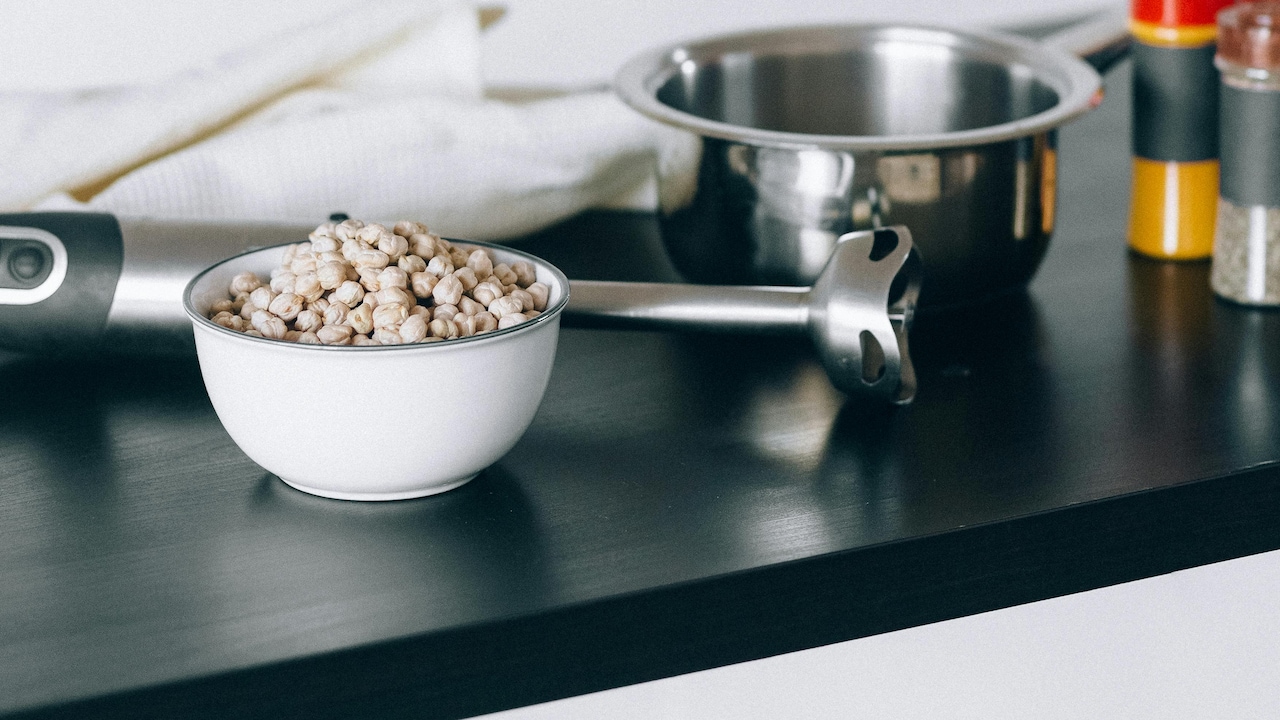
Try angling the blender slightly and keeping it close to the bottom, so the blades can grab food instead of spinning in air; Photo Credit: Pexels
6. The Blade Guard Design Is Working Against You
Not all hand blenders are built the same. Some have blade guards with wide openings, while others have narrower slots. Wider openings allow more food to move in and out quickly, which improves blending speed, but also increases splashing risk, especially with liquids.
If your blender splashes even when your technique is good, the design might be a factor. You can't redesign the guard, but you can work with it.
Use a deeper container and keep the head submerged. Blend in short pulses rather than long continuous runs. Also, avoid moving the blender up and down aggressively. That movement pushes liquid through the openings like a pump.
A lot of people blame themselves for splashing when the appliance is simply designed for speed over control. The trick is to adjust your style. Think of it like driving a scooter versus a car. Same destination, different handling.
7. You're Blending Too Close To The Surface
Even if the blender head is technically submerged, if it's sitting just below the surface, splashing can still happen. The blades create turbulence, and the surface becomes unstable. Then the mixture starts slapping the sides of the container, and droplets climb up like they're auditioning for a Bollywood slow-motion scene.
The fix is to blend deeper. Keep the blender head closer to the bottom for the first part of blending. Once the mixture thickens and becomes smoother, you can bring it slightly higher to catch any remaining chunks.
This is especially important for small quantities. If you're blending just a little bit of chutney or baby food, use a smaller container so the blender head can sit deep enough. Trying to blend a tiny amount in a big jar is like trying to mop a single spill with a full-size broom. It works, but it's awkward and messy.
8. Your Ingredients Are Too Hot Or Too Cold
Temperature changes everything. Hot liquids splash more because they're thinner and release steam. Cold mixtures, especially those with fat like butter or cream, can thicken unevenly and create sudden resistance. Both extremes lead to unpredictable movement.
If you're blending hot food, let it cool for a few minutes. Not cold, just less aggressive. Also, avoid sealing a lid tightly if you're using a jar. Steam pressure builds, and the moment you lift the blender, it can splutter like an angry pressure cooker.
For cold ingredients, especially if you're blending something like chilled coffee or lassi, start slow and keep the blender steady. Cold mixtures can form foam quickly, and foam loves to rise and escape.
In short: give your ingredients a moment to behave. A calm mixture blends calmly. A stressed mixture splashes like it has a point to prove.
9. You're Using The Wrong Motion
Many people blend like they're churning butter. Up, down, side-to-side, fast circles, everything at once. It feels productive, but it creates waves. Waves hit the container wall, bounce back, and throw droplets out.
A better motion is controlled and minimal. Start with the blender head at the bottom, then move slowly in small circles or gentle sweeps. Let the blades do the work. The more frantic the movement, the more chaotic the fluid dynamics become.
This matters a lot for thicker foods like dal or mashed vegetables. If you move too quickly, the mixture can climb up the sides and splatter. If you move steadily, it stays contained and smooth.
It's similar to making a good masala. You don't dump everything and stir wildly. You build flavour patiently. Blending works the same way. The calm approach wins, and your kitchen stays respectable.
10. You're Overfilling The Jar And Underestimating Physics
This one is painfully common. When the container is filled close to the top, there's no space for circulation. The mixture has nowhere to go except up. The blades push liquid outward; it hits the wall, and the only escape route is the rim.
Leave headroom. Even if it feels wasteful, it's not. That empty space is your safety buffer. For liquids, keep the container filled no more than two-thirds. For thick mixtures, you can go a bit higher, but still leave space.
Also, avoid narrow containers that are too tall for the quantity. If the blender head can't sit comfortably without pushing the mixture up, it's not the right match.
People often treat splashing like bad luck, but it's basic physics. Food moves when you spin blades inside it. Give it room, guide it gently, and it will stay inside the container like a well-mannered guest.
Products Related To This Article
1. INALSA Hand Blender 1500 W|Silent DC Copper Motor|European Stepless Variable Speed Design
2. PHILIPS HL1681 Hand Blender
3. Orpat HHB-100E WOB 250-Watt Hand Blender
4. Lifelong 300W Electric Hand Blender for Kitchen
5. Hafele Chromatic Hand Blender, 9 Variable Speed Control Functions
A splashing hand blender isn't a cursed appliance. It's usually a combination of speed, container shape, air, and technique. Once you know what triggers the mess, you can stop it with small, practical changes, starting slow, blending deeper, choosing a tall container, and keeping the head submerged.
And honestly, this isn't just about cleanliness. It's about peace. Because there's something deeply annoying about cooking with enthusiasm and then spending the next ten minutes wiping dal off the wall like you're doing community service.
Blend smarter, not louder. Your kitchen will stay cleaner, your food will look better, and your blender will stop behaving like it has a personal grudge.
(Disclaimer: This article may include references to or features of products and services made available through affiliate marketing campaigns. NDTV Convergence Limited (“NDTV”) strives to maintain editorial independence while participating in such campaigns. NDTV does not assume responsibility for the performance or claims of any featured products or services.)