Buying A Washing Machine? The One Specification No One Explains Properly, But Should
Most buyers ignore spin speed when choosing a washing machine. Yet this one overlooked spec decides how dry clothes come out, how long they take to dry, and how convenient laundry really feels.

Here's why you should always consider washing machine spin speed
Walking into an appliance store can feel like stepping into a maze of promises. Sleek panels glow, salespeople speak in confident tones, and every washing machine claims to be the smartest choice. Capacity, spin speed, inverter technology, smart connectivity, the list goes on. Yet somewhere between glossy brochures and quick decisions, one important specification rarely gets the attention it deserves.
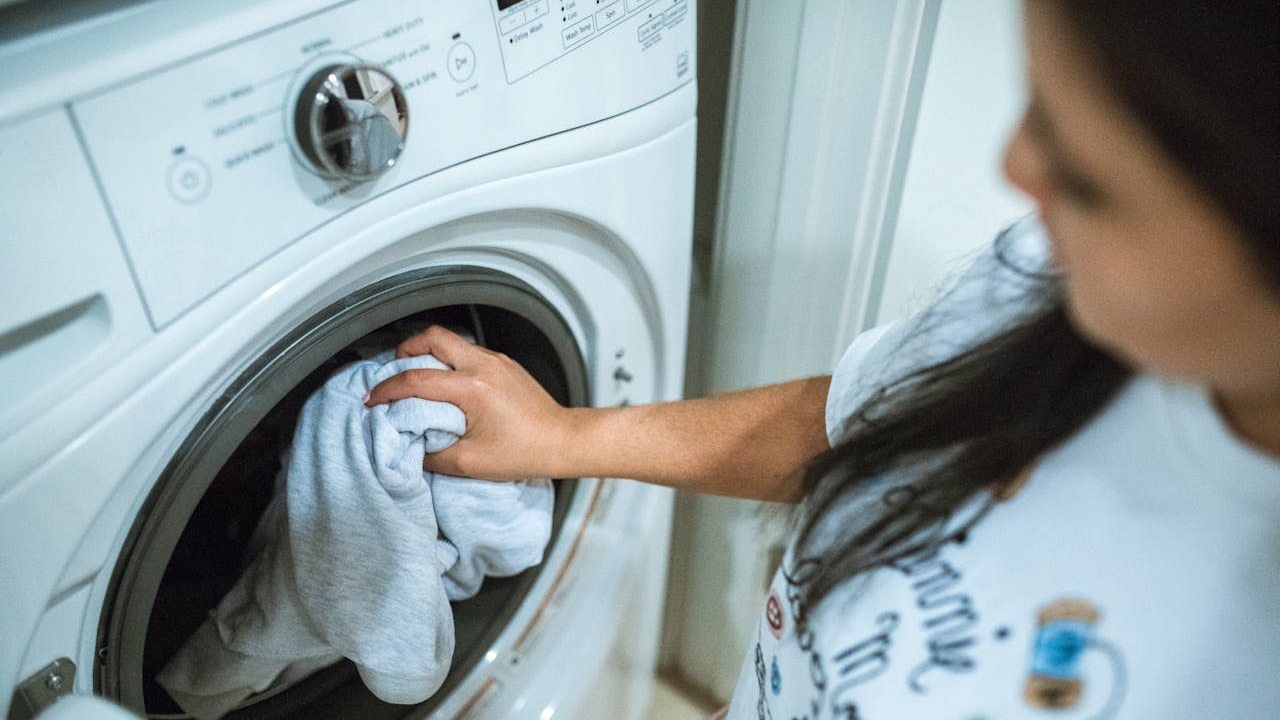
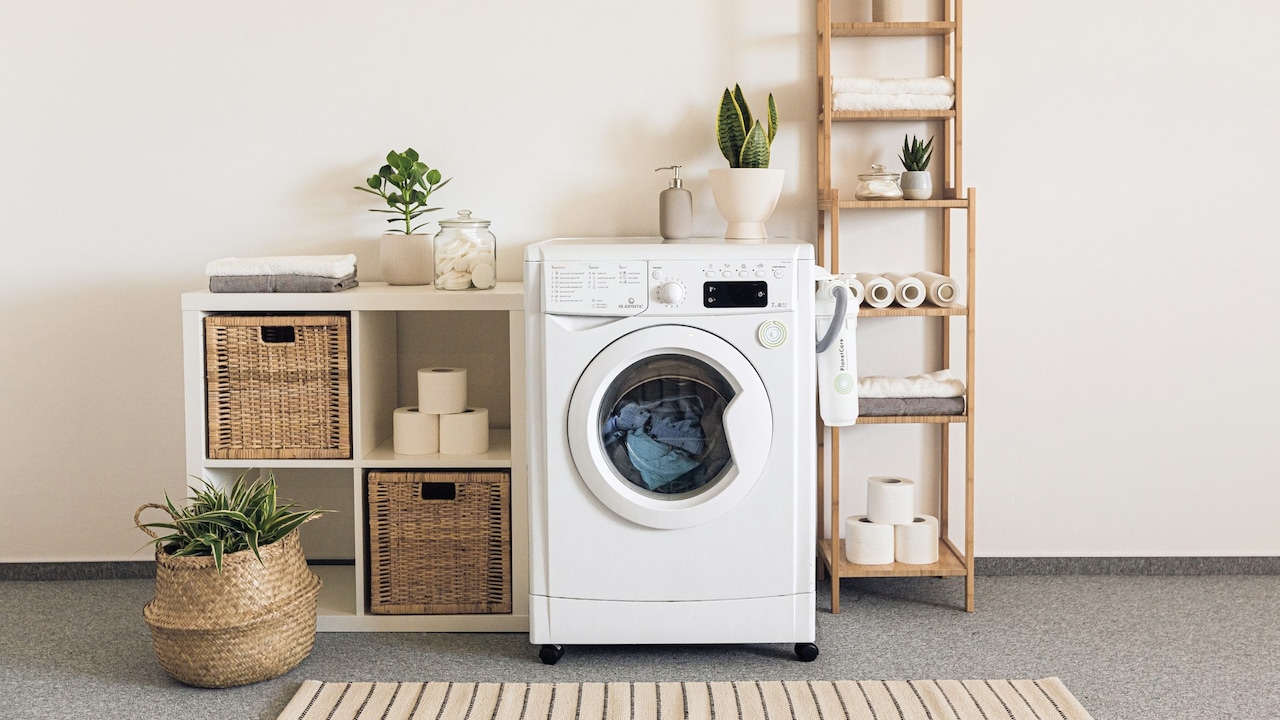
Different reasons why spin speed matters in washing machines; Photo Credit: Pexels
That specification is not just a number on a sticker. It affects how clean clothes feel, how much water flows down the drain, and how the electricity bill behaves at the end of the month. More importantly, it decides whether laundry day becomes effortless or mildly frustrating.
Many households end up choosing machines that look perfect on paper but feel slightly off in daily use. Clothes may come out wetter than expected, cycles may feel too long, or detergent residue might linger. These small annoyances add up.
The aim here is simple. Strip away jargon, bring clarity, and explore that one specification in a way that actually makes sense. Because buying a washing machine should not feel like guesswork.
Understanding The One Specification That Truly Matters
What This “Hidden” Specification Actually Is
The specification in question is spin speed, measured in revolutions per minute, often written as RPM. It sounds technical, almost trivial, and easy to ignore compared to capacity or price. Yet this number quietly determines how effectively a machine removes water from clothes during the final stage of a wash cycle.
Think of it as the machine's ability to wring clothes dry. A higher RPM means the drum spins faster, pushing water out through centrifugal force. A lower RPM leaves more moisture behind, which means longer drying times.
Despite its importance, spin speed rarely gets explained properly. Sales pitches focus on how powerful or advanced a machine is, but few stop to explain how RPM affects daily life. It is not just about speed; it is about balance, fabric care, and efficiency.
Understanding this single number can change how a machine performs in a typical household. It influences everything from how quickly clothes dry on a balcony to how fresh they feel after washing. And yet, it remains one of the most misunderstood aspects of washing machines.
Why Spin Speed Matters More Than Capacity
Capacity often steals the spotlight. Larger drums seem more practical, especially for families managing heavy laundry loads. While capacity matters, spin speed often has a more immediate impact on everyday convenience.
Imagine two machines with similar capacity but different RPM levels. One spins at 800 RPM, while the other reaches 1400 RPM. After a wash cycle, clothes from the higher RPM machine will feel noticeably drier. That means less time under the fan or in the sun, and less dependence on a separate dryer.
In humid climates, this difference becomes even more significant. Clothes left damp for too long can develop odours, especially during monsoon months. A higher spin speed reduces that risk by removing more moisture upfront.
It also affects energy usage indirectly. Shorter drying times mean less reliance on electric dryers or prolonged fan usage. Over time, this translates into savings that rarely show up in initial price comparisons.
Capacity might decide how much can be washed at once, but spin speed decides how efficiently that laundry process finishes.
The Sweet Spot: Not Too High, Not Too Low
Higher numbers often look better, but spin speed is not a simple case of “more is better.” There is a sweet spot, and understanding it can prevent unnecessary compromises.
Machines with extremely high RPM, such as 1600 or above, may sound impressive. However, they can be harsh on delicate fabrics. Clothes may experience more wear and tear over time, especially lighter garments.
On the other hand, machines with very low RPM, around 600 to 800, may leave clothes excessively wet. This creates inconvenience, particularly when drying space is limited or sunlight is unpredictable.
For most households, a range between 1000 and 1400 RPM offers a balanced experience. It provides efficient water extraction without being overly aggressive on fabrics. This range suits everyday laundry, including cottons, synthetics, and mixed loads.
Choosing wisely here means fewer compromises. Clothes stay in good condition, drying becomes easier, and the machine performs consistently without unnecessary strain.
How Spin Speed Affects Fabric Care
Every fabric tells a different story. Heavy towels, delicate kurtas, denim jeans, and lightweight shirts all react differently to the same wash cycle. Spin speed plays a crucial role in how these fabrics come out after washing.
Higher RPM works well for sturdy fabrics like cotton bedsheets and towels. It removes more water, making them easier to dry. However, delicate fabrics such as silk or lightweight blends require gentler handling. Excessive spinning can cause stretching or damage.
Modern machines often allow adjustments to spin speed for different cycles. This flexibility helps protect clothes while still ensuring effective washing. Yet many users stick to default settings, unaware of how much control they actually have.
Understanding this relationship can extend the life of clothes. Instead of fading, shrinking, or losing shape prematurely, garments retain their quality for longer. It turns washing from a routine chore into a more thoughtful process.
Spin speed is not just about efficiency; it is about respecting the fabric itself.
The Impact On Drying Time And Daily Routine
Laundry rarely exists in isolation. It fits into a daily routine that includes work, cooking, and countless small tasks. Spin speed directly influences how smoothly this routine flows.
Clothes that come out nearly dry save time. They require less attention, dry faster on lines or racks, and reduce the need for backup plans during cloudy weather. This becomes especially valuable in smaller homes where drying space is limited.
Lower spin speeds, on the other hand, extend the drying process. Clothes may drip, require repositioning, or take an entire day to dry fully. This can disrupt plans, particularly when specific outfits are needed quickly.
Over time, these small differences shape the overall experience of using a washing machine. A well-chosen spin speed simplifies life, while a poorly chosen one adds subtle friction.
It is not just about technology. It is about making everyday living a little easier.
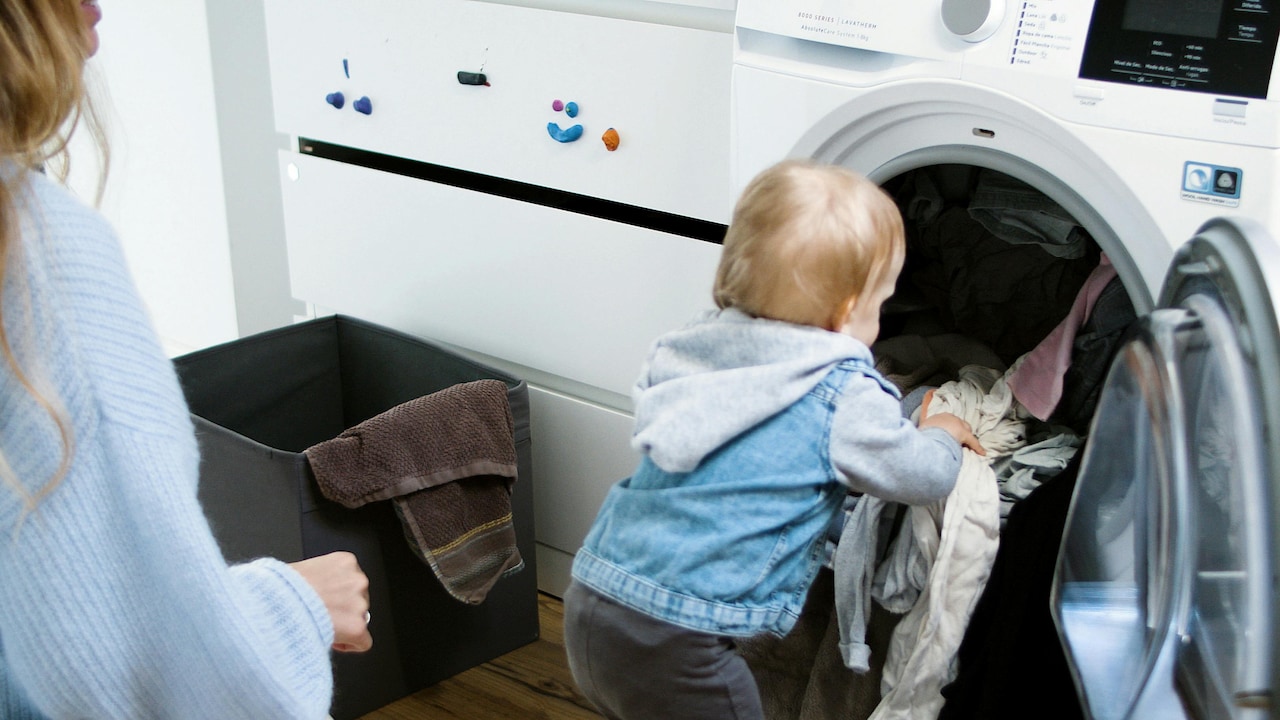
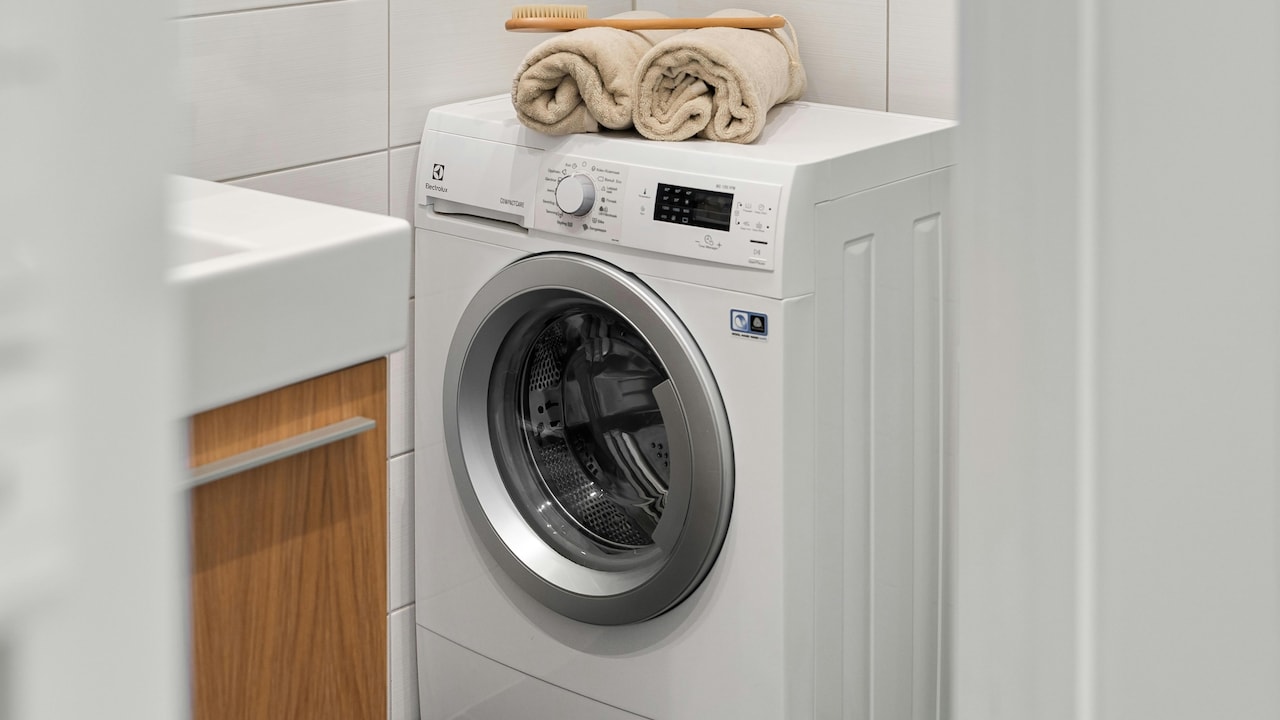
Avoid wahsing machines with low spin speeds that can extend the cycle duration; Photo Credit: Pexels
Energy Consumption: The Hidden Connection
At first glance, spin speed may not seem connected to electricity usage. However, the relationship becomes clearer when considering the entire laundry cycle.
Higher spin speeds use slightly more power during the spinning phase. Yet they significantly reduce moisture in clothes, which shortens drying time. This balance often results in overall energy savings.
For households using dryers, this becomes even more important. Drier clothes require less energy to finish the drying process. Even without a dryer, reduced moisture means fans or natural drying methods work more efficiently.
Machines with optimised spin speeds often strike a balance between performance and energy use. This balance contributes to lower monthly bills, even if the difference feels subtle at first.
In a time where every unit of electricity matters, understanding this connection can lead to smarter decisions without sacrificing convenience.
Noise And Vibration: What To Expect
Spin speed does not just affect clothes; it also affects the sound and feel of the machine itself. Higher RPM levels often come with increased noise and vibration, especially if the machine is not perfectly balanced.
In apartments or compact homes, this can become noticeable. A machine spinning at high speed may create a humming or thumping sound, particularly during late-night cycles. This may not be a dealbreaker, but it is something worth considering.
Modern machines address this with better stabilisation and inverter motors. These features reduce noise and ensure smoother operation even at higher speeds. However, the effect still depends on installation and load balance.
Choosing the right spin speed involves considering the living environment as well. A quieter machine can make a significant difference, especially in shared spaces.
It is not just about performance; it is about comfort too.
Price Vs Performance: Finding Real Value
Price tags often drive decisions, but spin speed reveals hidden value. Two machines priced around ₹20,000 may offer very different RPM levels, leading to different user experiences.
A slightly higher investment in a machine with better spin performance can pay off over time. Faster drying, reduced energy use, and improved fabric care all contribute to long-term satisfaction.
On the other hand, choosing a cheaper option with lower RPM may seem practical initially, but could lead to inconvenience later. Longer drying times and less efficient performance can feel like small but persistent drawbacks.
Value lies in understanding what truly matters. Spin speed may not be the most visible feature, but it often determines whether a purchase feels worthwhile after months of use.
Smart buying decisions come from looking beyond surface-level comparisons.
How Brands Present Spin Speed (And Why It Confuses Buyers)
Marketing often complicates simple concepts. Spin speed is sometimes buried under layers of branding terms, making it harder for buyers to understand its importance.
Terms like “power spin,” “turbo dry,” or “advanced rotation” sound impressive but rarely explain the actual RPM value. This creates confusion, especially for those comparing different models.
Clear labelling would help, but it is not always consistent across brands. Buyers may overlook RPM entirely, focusing instead on features that sound more appealing.
The key is to look past marketing language and focus on the actual number. Once understood, it becomes easier to compare machines objectively.
Clarity transforms confusion into confidence, making the buying process far less overwhelming.
Making The Right Choice For Your Household
Every home has its own rhythm. Laundry habits, available space, and daily routines all influence what works best. Spin speed should align with these realities rather than follow generic recommendations.
For households with frequent laundry loads, a higher RPM can save time and effort. For those dealing with delicate fabrics regularly, adjustable settings become more important.
Climate also plays a role. In areas with high humidity, better water extraction can make a noticeable difference. In drier regions, the impact may feel less dramatic but still valuable.
Choosing the right spin speed is not about chasing the highest number. It is about finding a balance that fits seamlessly into everyday life.
When that balance is achieved, the washing machine becomes more than just an appliance. It becomes a reliable part of the household routine.
Products Related To This Article
1. LG 7 Kg 5 Star Smart Inverter Technology Fully Automatic Top Load Washing Machine
2. Whirlpool 7 kg Magic Clean 5 Star Fully Automatic Top Load Washing Machine Grey
3. VW 7.5 kg 5 Star Aqua Spin Semi Automatic Top Load Washing Machine
4. Haier 6 kg 5 Star Oceanus Wave Drum Washing Machine Fully Automatic Top Load
5. LG 7 Kg 5 Star Wind Jet Dry Semi-Automatic Top Loading Washing Machine
Buying a washing machine often feels like navigating a sea of options, each promising something better than the last. Amidst all this noise, spin speed quietly holds the power to shape everyday experiences in ways that are easy to overlook.
It influences how clothes feel, how quickly they dry, and how smoothly laundry fits into daily life. It affects energy use, fabric care, and even the subtle comfort of a quiet home.
Understanding this one specification turns confusion into clarity. It helps buyers move beyond flashy features and focus on what truly matters.
A well-chosen washing machine does more than clean clothes. It simplifies routines, saves time, and reduces small frustrations that often go unnoticed until they accumulate.
Sometimes, the most important details are not the loudest ones. And in the case of washing machines, spin speed is that quiet detail worth paying attention to.
(Disclaimer: This article may include references to or features of products and services made available through affiliate marketing campaigns. NDTV Convergence Limited (“NDTV”) strives to maintain editorial independence while participating in such campaigns. NDTV does not assume responsibility for the performance or claims of any featured products or services.)