Humidifiers vs Air Purifiers: Stop Confusing These Two
Humidifiers add moisture. Air purifiers remove pollutants. Confusing them leads to the wrong fix. This is a clear, no-nonsense guide to choosing the right one for healthier indoor air.
Humidifiers vs Air Purifiers: Stop Confusing These Two
Walk into any modern home appliance store, and the choices can feel overwhelming. Sleek machines with digital displays claim to improve breathing, reduce allergies, and even help with sleep. Somewhere in that mix, two devices tend to get lumped together far too often: humidifiers and air purifiers.
The confusion makes sense. Both deal with air. Both promise comfort. Both carry a certain “health upgrade” aura. Yet, placing them in the same category is like comparing a ceiling fan with an air conditioner. They might share a space, but their jobs are worlds apart.
Consider a typical winter morning in Delhi or a dry evening in Bengaluru. Lips feel cracked, the throat feels scratchy, and the air seems harsh. Now compare that to a smog-heavy day when stepping outside feels like breathing through a thin cloth. The solutions to these two situations cannot be the same, and that's exactly where many people go wrong.
This article cuts through the confusion. No jargon, no complicated science lectures, just a clear, engaging breakdown of what each device does, when to use it, and why choosing the right one matters more than most realise.
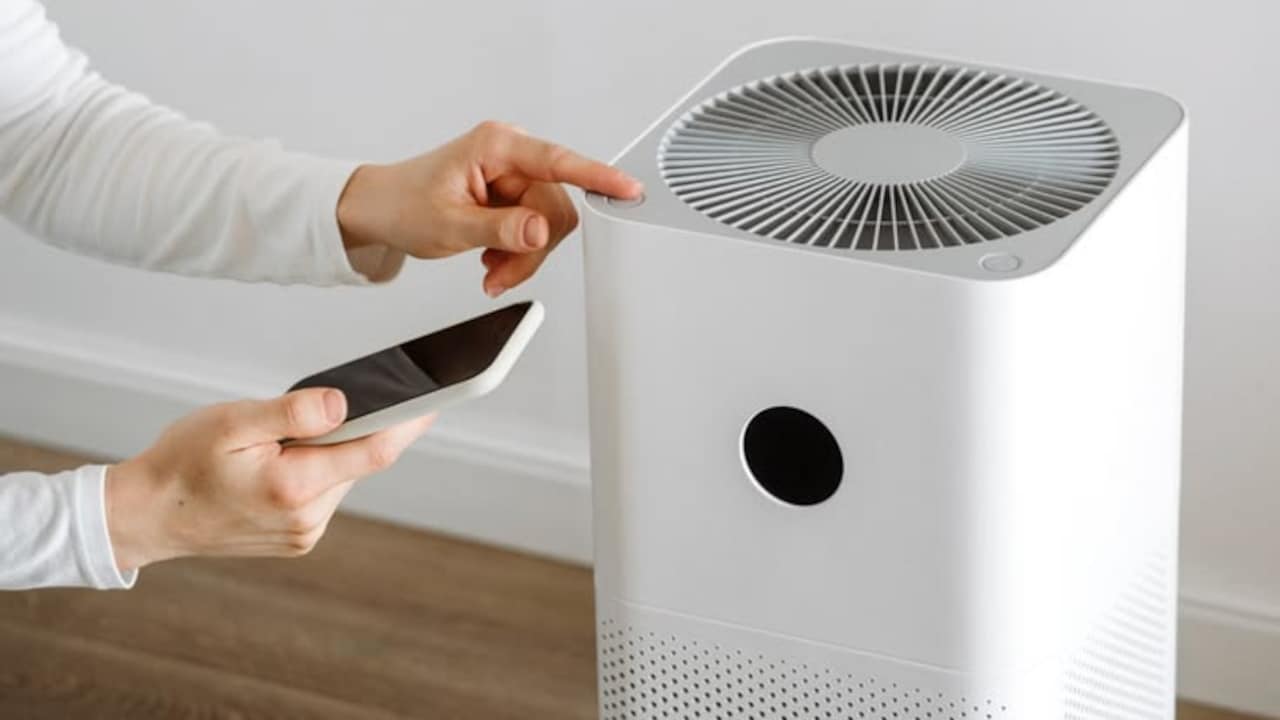
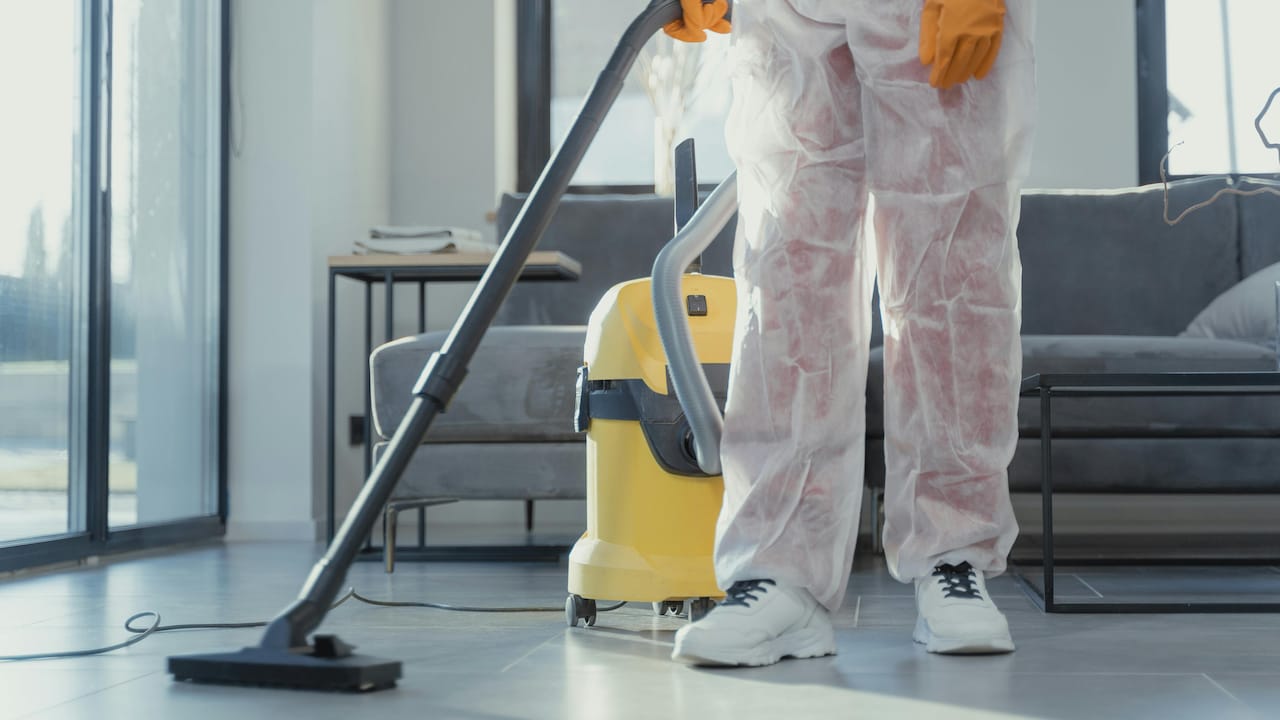
Humidifiers vs Air Purifiers: Stop Confusing These Two; Photo Credit: Pexels
Understanding The Key Differences That Actually Matter
What A Humidifier Actually Does
A humidifier adds moisture to the air. That's its entire job, and it does it well. When indoor air becomes too dry, especially during winter or in air-conditioned rooms, it can lead to dry skin, irritated sinuses, and even nosebleeds.
Picture sitting under a fan all night during peak summer, with an air conditioner running at full blast. By morning, the air feels crisp, almost too clean, but the throat feels parched. That dryness often signals low humidity levels. A humidifier steps in to restore balance.
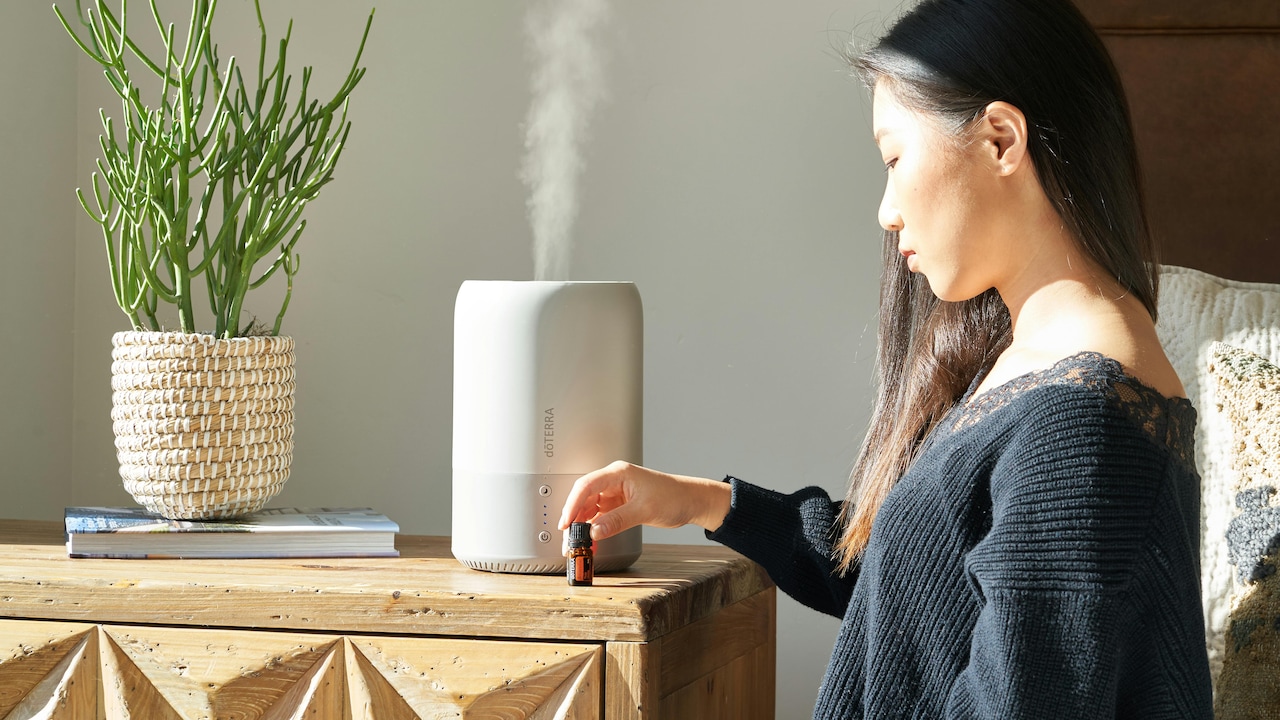
These devices release water vapour or mist into the air, making it more comfortable to breathe. Some use ultrasonic vibrations, others rely on evaporation. The method may vary, but the goal stays the same: add moisture where it's lacking.
Many households find humidifiers particularly useful for children. A child with a stubborn cough or cold often sleeps better in slightly moist air. Even houseplants seem to thrive in such conditions.
Still, a humidifier doesn't clean the air. It doesn't remove dust, smoke, or allergens. Expecting it to do so would be like expecting a water bottle to filter impurities; it simply isn't designed for that.
What An Air Purifier Actually Does
An air purifier tackles a completely different problem. Instead of adding anything to the air, it removes unwanted particles. Dust, pollen, pet dander, smoke, and even microscopic pollutants, these are its targets.
Imagine living near a busy road where traffic never seems to pause. Fine dust creeps in through windows, settles on surfaces, and hangs invisibly in the air. Breathing in such conditions can feel heavy, even indoors. That's where an air purifier becomes invaluable.
Most air purifiers use filters, especially HEPA filters, which trap tiny particles that the naked eye cannot see. Some models also include activated carbon filters to absorb odours, perfect for kitchens where the aroma of tadka tends to linger a bit too long.
The effect can feel subtle at first. But over time, fewer sneezes, less coughing, and improved sleep often follow. For those dealing with allergies or asthma, the difference can feel almost immediate.
Yet, an air purifier does not change humidity levels. It won't fix dry air or help with chapped lips. Its strength lies in cleaning the air, not conditioning it.
Also Read: Should You Buy A Humidifier? Check Benefits And Top 8 Now On Amazon From AGARO, iBELL To ORILEY
Why People Keep Mixing Them Up
The confusion between humidifiers and air purifiers often stems from marketing and placement. Both devices sit in similar sections in stores. Both promise “better air.” And both often come in sleek, minimal designs that look nearly identical.
There's also a tendency to associate anything that improves breathing with a single category. If a machine helps breathe easier, it must do everything, right? Not quite.
Another reason lies in the overlap of symptoms. Dry air can cause coughing, just like polluted air can. A person might buy a humidifier hoping to reduce allergy symptoms, only to realise nothing changes. Or invest ₹10,000 in an air purifier, expecting relief from dry skin, and end up disappointed.
Word-of-mouth advice adds to the mix. A neighbour swears by a humidifier, a colleague recommends an air purifier, and suddenly the decision feels like guesswork.
Understanding the root cause of discomfort becomes crucial. Without that clarity, even the most advanced device can feel ineffective.
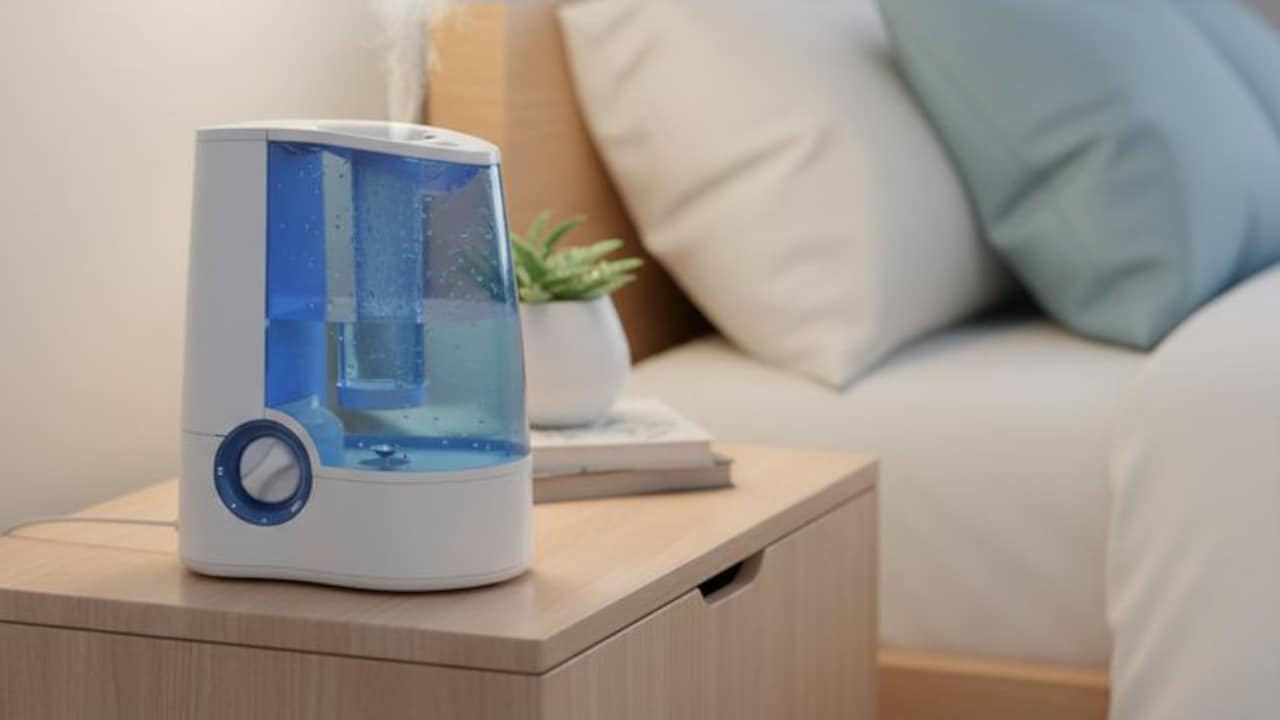
Humidifiers vs Air Purifiers: Stop Confusing These Two; Photo Credit: Pexels
When You Actually Need A Humidifier
Dryness often creeps in quietly. Skin starts to feel tight, lips crack more often, and a faint irritation settles in the throat. These signs usually point towards low humidity.
Cities with cooler winters or homes that rely heavily on air conditioning often face this issue. Even sleeping under a ceiling fan for long hours can strip moisture from the air.
A humidifier proves useful in such situations. It helps maintain a comfortable moisture level, making breathing smoother and skin less irritated. Those who wake up with a dry cough or stuffy nose often notice improvement after introducing one.
Babies and elderly family members tend to benefit the most. Their respiratory systems respond more sensitively to dry air, and a balanced environment can make a noticeable difference.
However, moderation matters. Too much humidity can invite mould and dust mites, hardly a welcome trade-off. Keeping humidity levels between 40% and 60% usually works best.
A humidifier, when used wisely, feels less like a gadget and more like a quiet comfort enhancer.
When You Actually Need An Air Purifier
Air purifiers become essential when pollution levels rise or indoor air quality drops. This can happen due to traffic pollution, construction dust, or even indoor factors like cooking fumes and pet hair.
During certain months, stepping outside feels like walking into a haze. But what many don't realise is that indoor air can sometimes be worse. Closed windows trap pollutants inside, creating a stale environment.
An air purifier helps break that cycle. It continuously filters the air, removing harmful particles and improving overall quality.
Those who suffer from allergies often experience the biggest relief. Sneezing fits reduce, eyes feel less itchy, and breathing becomes easier. Even sleep quality improves when the air feels cleaner.
For homes with pets, the difference can feel dramatic. Pet dander tends to linger, and an air purifier keeps it under control without constant cleaning.
In essence, if the problem involves particles in the air, an air purifier becomes the right choice.
Can One Replace The Other?
This is where many assumptions fall apart. A humidifier cannot replace an air purifier, and an air purifier cannot replace a humidifier.
Each device solves a distinct problem. One adds moisture; the other removes pollutants. Expecting one to handle both tasks leads to disappointment.
Think of it like kitchen appliances. A mixer grinder cannot replace a refrigerator, even though both deal with food. Similarly, these devices operate in entirely different domains of air management.
Some advanced appliances claim to combine both functions. While convenient, they often compromise on efficiency. Dedicated devices tend to perform better in their specific roles.
Choosing the right device starts with identifying the issue. Dry air calls for a humidifier. Polluted air demands an air purifier. Trying to shortcut that decision rarely works.
Clarity, in this case, saves both money and frustration.
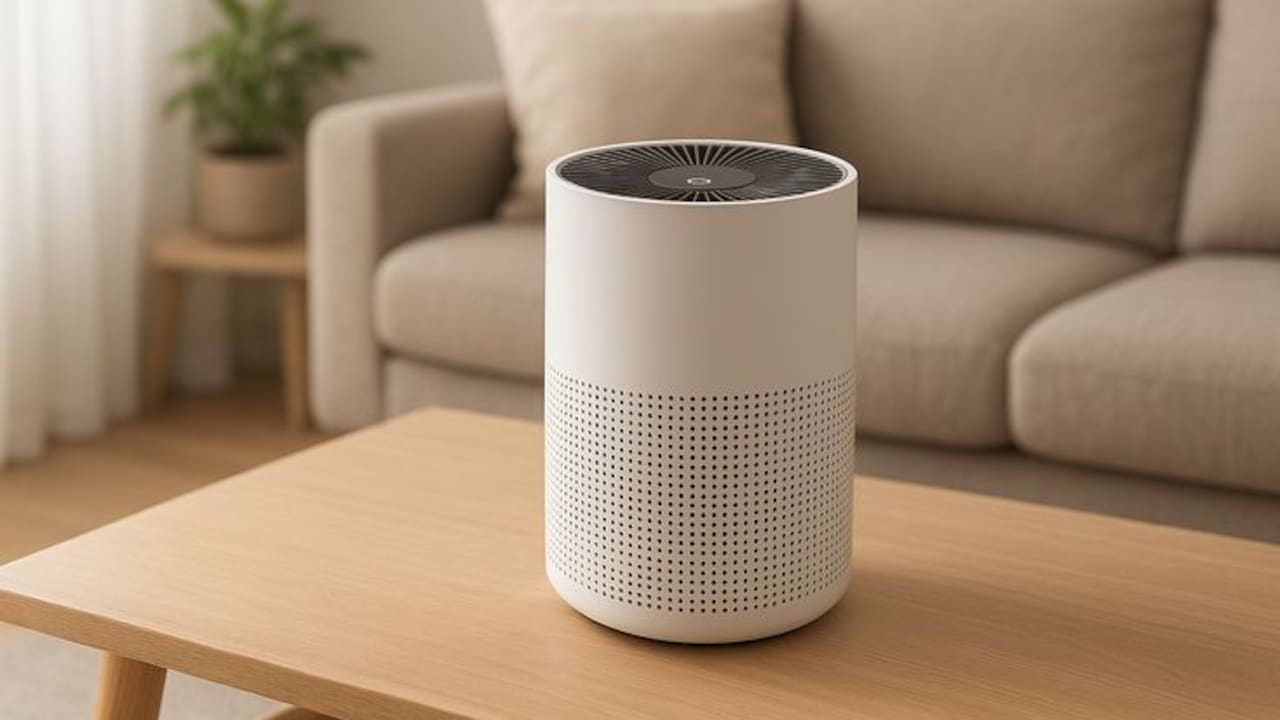
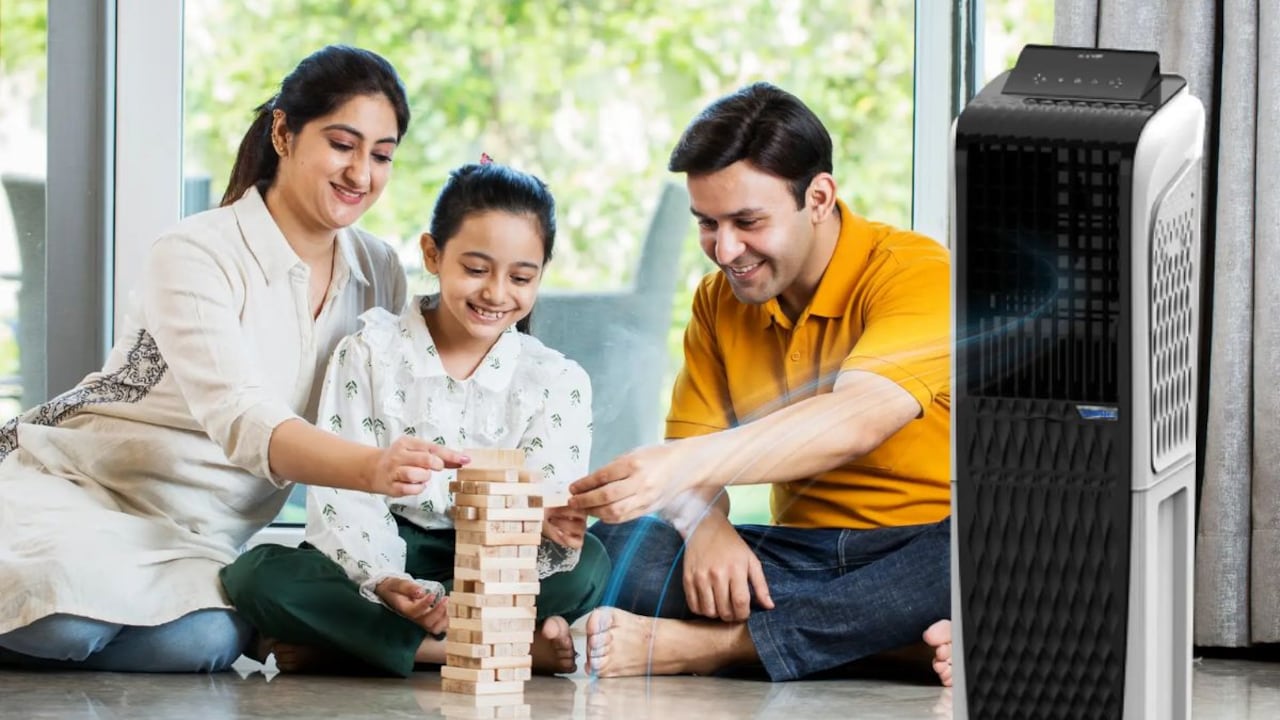
Humidifiers vs Air Purifiers: Stop Confusing These Two; Photo Credit: Pexels
The Impact On Health And Comfort
Air quality and humidity directly affect daily comfort. The difference may not always feel dramatic, but over time, it shapes overall well-being.
Dry air can lead to persistent throat irritation, sinus discomfort, and restless sleep. It can also worsen skin conditions, making even a simple night's rest feel less refreshing.
On the other hand, polluted air brings its own challenges. Frequent sneezing, headaches, and fatigue often follow prolonged exposure. For those with respiratory issues, it can feel far more serious.
Using the right device creates a noticeable shift. A humidifier softens the environment, making it gentler on the body. An air purifier clears the air, making each breath feel lighter.
Together, they can transform indoor spaces into havens of comfort. But even individually, their impact becomes clear once matched with the right need.
Cost, Maintenance, And Practical Realities
Buying the device is only the beginning. Maintenance plays a crucial role in long-term performance.
Humidifiers generally cost less upfront, with basic models available for around ₹2,000 to ₹6,000. However, they require regular cleaning to prevent bacterial growth. Stagnant water can turn into a breeding ground if ignored.
Air purifiers, on the other hand, often come with a higher price tag, anywhere between ₹8,000 and ₹25,000, depending on features. Their main expense lies in filter replacement. HEPA filters need periodic changes, which adds to ongoing costs.
Electricity consumption also differs. Air purifiers tend to run continuously, while humidifiers are often used as needed.
Despite the differences, both devices demand attention. Neglecting maintenance reduces effectiveness and can even create new problems.
Choosing between them should not rely solely on the budget. Matching the device to the problem ensures the investment feels worthwhile.
Common Mistakes Buyers Make
One of the most common mistakes involves buying based on trends rather than need. A popular product does not guarantee the right solution.
Another frequent error lies in ignoring room size. A small air purifier in a large living room struggles to perform, leading to underwhelming results. Similarly, an oversized humidifier can make a room uncomfortably damp.
Placement also matters more than expected. Tucking an air purifier behind furniture limits airflow, while placing a humidifier too close to walls can cause moisture damage.
Some buyers also skip maintenance altogether. Filters go unchanged, water tanks remain uncleaned, and performance gradually declines.
Perhaps the biggest mistake involves expectations. No device works miracles overnight. Consistent use, proper care, and realistic understanding create the best outcomes.
Avoiding these pitfalls makes a noticeable difference in both performance and satisfaction.
Creating The Ideal Indoor Environment
Achieving comfortable indoor air does not require complicated setups. It begins with understanding the environment and responding accordingly.
A dry room benefits from a humidifier, while a polluted one calls for an air purifier. In some cases, using both can create the perfect balance, clean and comfortably moist air.
Simple habits also help. Opening windows at the right time, keeping indoor plants, and regular cleaning all contribute to better air quality.
Technology enhances comfort, but it works best alongside mindful living. A well-ventilated, clean space paired with the right device feels noticeably different.
The goal is not perfection but balance. When air feels right, neither too dry nor heavy, daily life becomes smoother, sleep improves, and even small moments feel more pleasant.
Products Related To This Article
1. raydrop Humidifiers for Home, 2.5L Cool Mist Ultrasonic Humidifiers for Large Room & Bedroom
2. Honeywell Air Purifier for Home & Office, 3-in-1
3. Bear® 5L Humidifier for Room Moisture Essential Oil Allow 28dB Silent for Plants Household Top Filling Ultrasonic Cool Mist Desktop Humidifier
4. Coway Airmega 150 (Ap-1019C) Air Purifier For Home
5. COSTAR Humidifier for Room Moisture with 6 Litres Water Tank
Humidifiers and air purifiers may share shelf space, but they serve entirely different purposes. One adds moisture, the other removes pollutants. Confusing them can lead to frustration, wasted money, and unresolved problems.
Understanding the difference transforms decision-making. Instead of guessing, choices become intentional. A dry throat points towards a humidifier. Constant sneezing signals the need for an air purifier.
Modern living brings its own challenges, pollution, artificial cooling, and changing climates. These devices offer practical solutions, but only when used correctly.
Clear air and comfortable humidity may seem like small details, yet they shape everyday life more than expected. Choosing the right tool ensures that the air inside a home truly feels like a place to breathe easy.
(Disclaimer: This article may include references to or features of products and services made available through affiliate marketing campaigns. NDTV Convergence Limited (“NDTV”) strives to maintain editorial independence while participating in such campaigns. NDTV does not assume responsibility for the performance or claims of any featured products or services.)