Handheld vs Standing Garment Steamers: A Complete Buying Guide for Smart Shoppers
When choosing between a handheld or standing garment steamer, compare their features, pros, and cons in this detailed buying guide to select the perfect steamer for effortlessly wrinkle-free clothes.
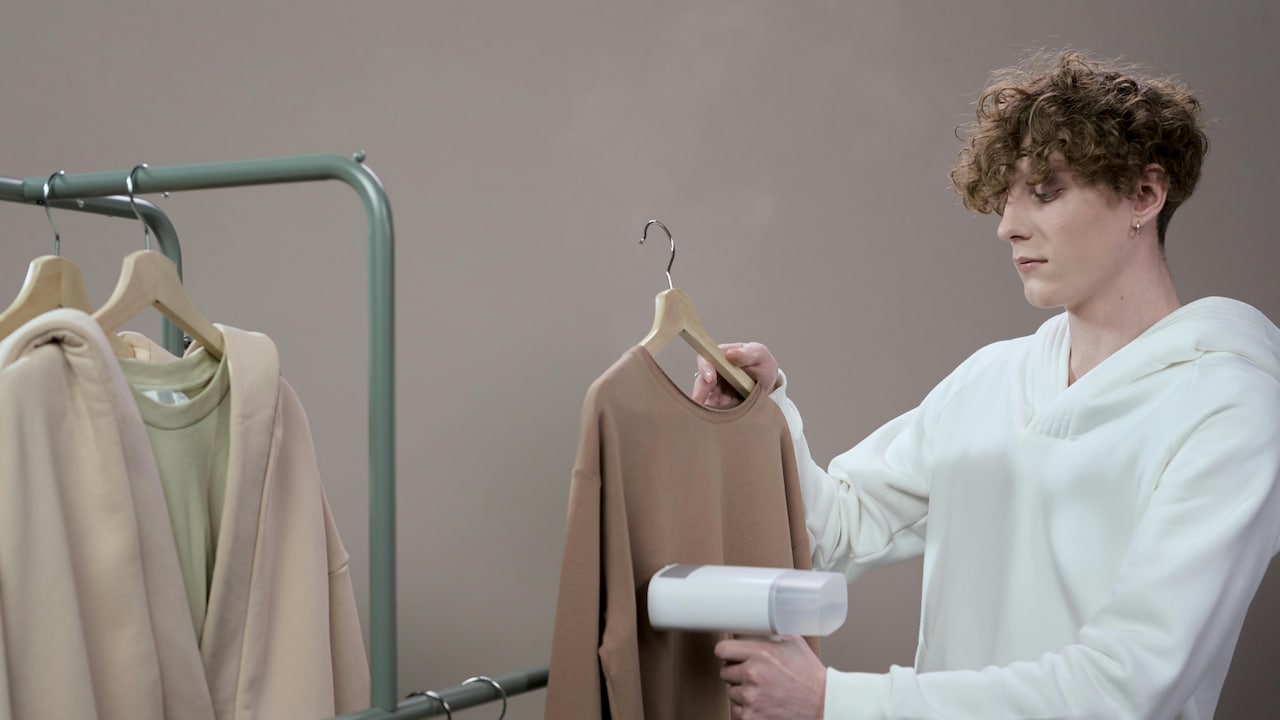
Garment Steamer Buying Guide - Handheld Vs Standing: What's Worth Your Time, Effort And Money?
There is a familiar panic that strikes when the iron box refuses to cooperate, the power goes out, or a favourite kurta sits creased five minutes before stepping out. Garment steamers entered homes as a modern solution to this everyday drama. They look sleek, heat up fast, and feel far less intimidating than traditional irons. Yet, the big question remains: handheld or standing? One fits neatly into a cupboard, while the other stands tall like a loyal wardrobe assistant. Both promise smooth clothes, but their strengths differ. Choosing the wrong one often leads to regret, wasted money, or an appliance that gathers dust. This guide explores both options through real-life use cases, practical considerations.
So, when it comes to making a choice between a handheld or standing garment steamer, explore these top features, benefits, and drawbacks in this complete buying guide to find the best option for wrinkle-free clothes.

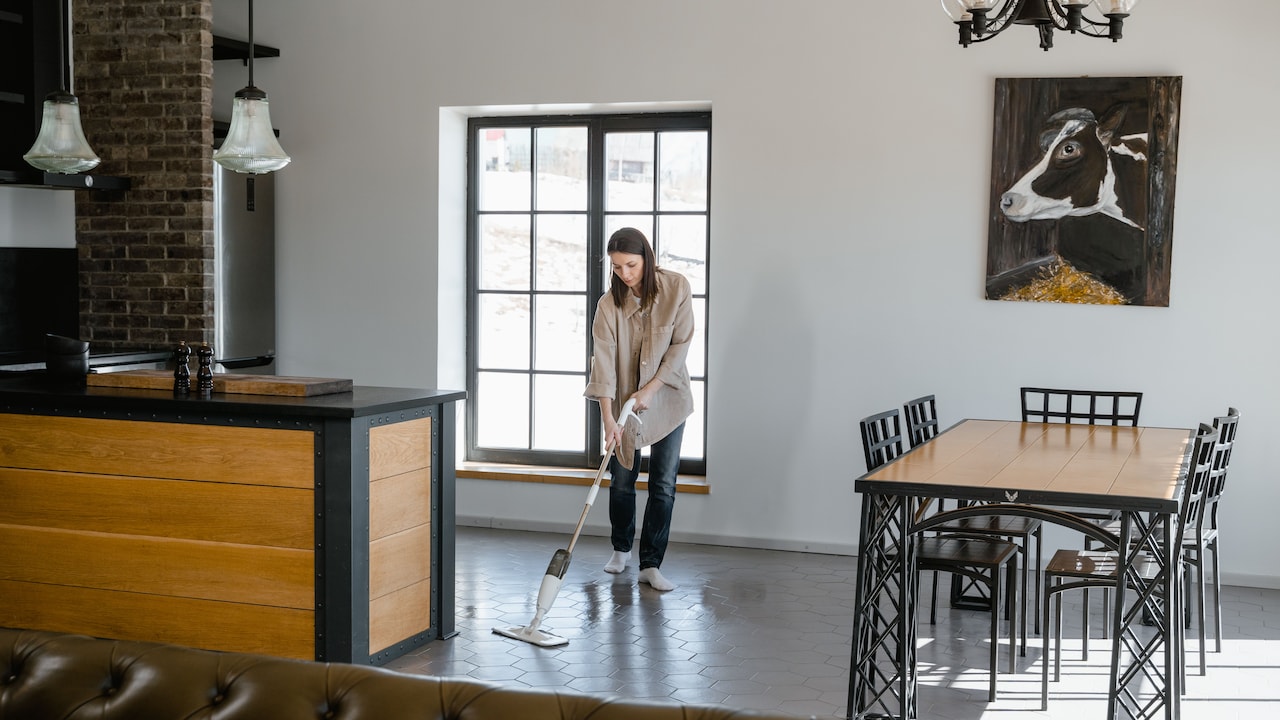
Garment Steamer Buying Guide - Handheld Vs Standing: What's Worth Your Time, Effort, And Money?; Photo Credit: Pexels
The Details That Decide Whether a Garment Steamer Is Worth Your Money
1. Understanding Garment Steamers and Why They Matter
Garment steamers work by releasing hot steam that relaxes fabric fibres. Wrinkles soften and fall away without pressing or flattening the cloth. This gentle approach suits delicate fabrics like silk, chiffon, and embellished outfits that fear direct heat.
Unlike irons, steamers reduce the risk of shiny marks or accidental burns. They also refresh clothes by removing odours, which proves useful during humid seasons or after long storage. A quick steam can revive a blazer worn once or a saree pulled from the cupboard after months.
Steamers shine in speed and convenience. Most heat up within a minute, saving precious time on rushed mornings. They also handle pleats, ruffles, and embroidery with ease. For households where dressing well matters daily, steamers slowly become an essential rather than a luxury.
However, not all steamers suit every home. Space, usage frequency, and fabric types play a big role. Understanding how steamers fit into daily routines sets the foundation for choosing between handheld and standing models wisely.
2. Handheld Garment Steamers: Small Size, Big Convenience
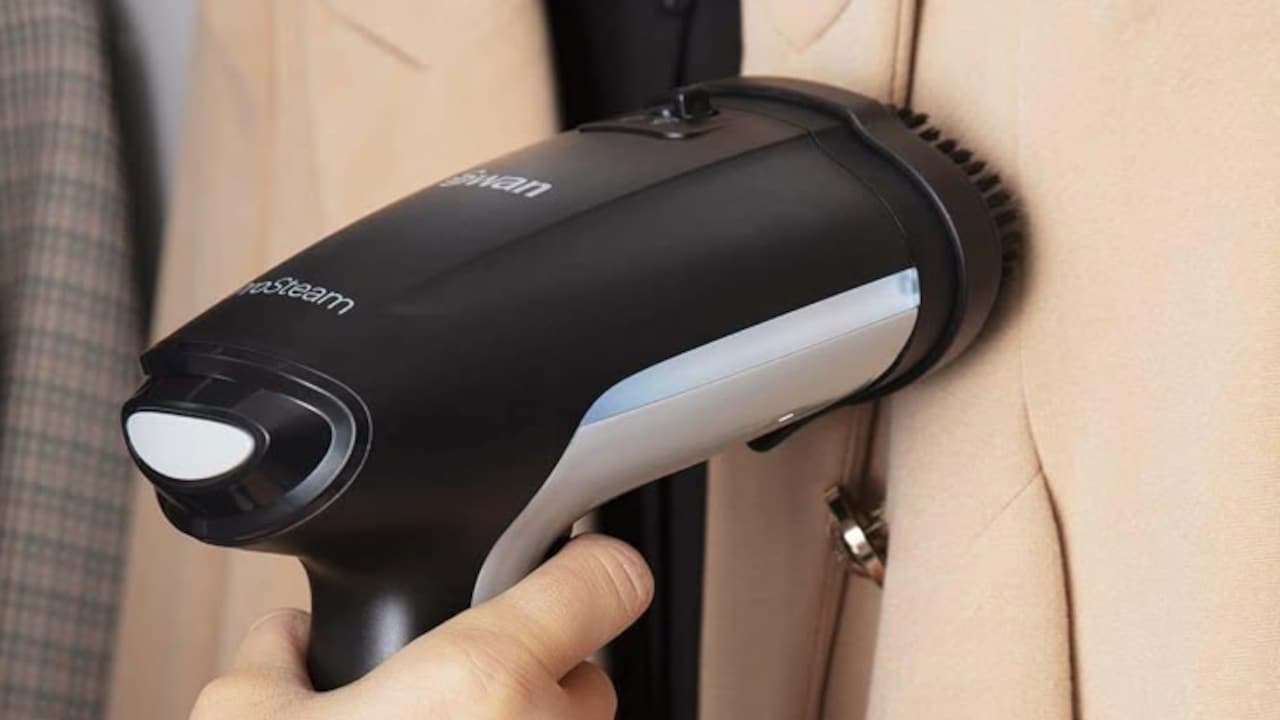
Handheld steamers appeal to those who value simplicity. Compact and lightweight, they slip easily into a drawer or suitcase. Many professionals keep one handy for last-minute touch-ups before meetings or weddings.
These steamers heat up fast and handle light wrinkles well. A crumpled shirt or dress usually smoothens within minutes. They suit smaller households, rented flats, or anyone short on storage space. For travellers, handheld steamers feel like trusted companions during outstation weddings or work trips.
Their size, however, limits water capacity. Frequent refilling becomes necessary during longer sessions. Steam output also tends to remain gentler, which struggles against stubborn creases on thick fabrics like denim or heavy cotton.
Price-wise, handheld steamers usually range between ₹1,500 and ₹3,500. They offer good value for occasional use and quick fixes. For those seeking convenience over power, handheld models deliver comfort without clutter.
3. Standing Garment Steamers: Power Meets Performance
Standing garment steamers look more serious and perform accordingly. With a vertical pole, a large water tank, and a steady steam flow, they handle multiple outfits in one go. Many models include hangers and fabric clips, turning steaming into a smooth, organised process.
These steamers suit families with regular laundry loads or wardrobes filled with cotton shirts, trousers, and festive wear. The strong steam output tackles deep wrinkles effectively. Long kurtas, sarees, and suits benefit greatly from this extra power.
Standing steamers take longer to heat up compared to handheld ones, but they compensate through efficiency. One refill often lasts an entire session. This proves helpful before festivals, functions, or busy workweeks.
The trade-off lies in space and cost. Standing steamers require dedicated storage and cost between ₹4,000 and ₹10,000. For homes that value performance and frequent use, the investment feels justified.
4. Space Matters More Than Expected
Space often decides the fate of many appliances. Handheld steamers thrive in compact homes where every inch counts. They store easily in kitchen cabinets or wardrobes without demanding attention.
Standing steamers need floor space and vertical clearance. While they fold partially, they still require a corner to stand. In larger homes, this rarely poses a problem. In smaller flats, it might feel intrusive.
Mobility also differs. Handheld steamers travel anywhere, from bedrooms to balconies. Standing models usually stay fixed near plug points. This limits flexibility, especially in homes with limited sockets.
Before buying, it helps to visualise where the steamer will live. A powerful appliance loses charm when it creates clutter. Choosing a model that fits comfortably into the home ensures regular use rather than occasional frustration.

Garment Steamer Buying Guide - Handheld Vs Standing: What's Worth Your Time, Effort, And Money?; Photo Credit: Pexels
5. Fabric Types and Wardrobe Needs
Every wardrobe tells a story. Some lean towards formal shirts and trousers, while others brim with sarees, kurtas, and festive wear. Fabric types influence steamer choice more than expected.
Handheld steamers work well for light fabrics and synthetic blends. They refresh daily wear efficiently and protect delicate garments. However, they struggle with thick cotton, linen, or layered outfits.
Standing steamers handle a variety better. Their consistent steam output smoothens heavy fabrics and large garments. They also help shape pleats and drapes neatly, which proves useful during celebrations.
Those with diverse wardrobes often benefit from standing models. Minimalist wardrobes with casual wear align well with handheld options. Matching the steamer to clothing habits avoids disappointment and ensures better results.
6. Time, Effort, and Everyday Convenience
Mornings rarely offer patience. Handheld steamers cater to this reality. They heat up quickly, fix minor wrinkles, and switch off within minutes. This speed suits busy routines and unpredictable schedules.
Standing steamers require a bit more planning. Setting up the pole, filling the tank, and heating takes time. However, once ready, they handle multiple garments efficiently. This suits scheduled laundry days or pre-event preparations.
Effort levels also differ. Handheld models feel light and easy on the arms. Standing steamers require guiding fabric along the steam head, which demands slightly more effort but delivers better results.
Choosing between quick fixes and thorough sessions depends on lifestyle. Those rushing daily lean towards handheld models, while those preferring organised routines appreciate standing steamers.
7. Cost, Value, and Long-Term Thinking
Budget plays a crucial role in appliance decisions. Handheld steamers cost less upfront and are suitable for occasional use. Their affordability makes them attractive for first-time buyers.
Standing steamers demand higher investment but offer better durability and performance. Over time, they reduce dependency on ironing services or dry cleaners. This adds long-term value, especially for large households.
Maintenance costs also matter. Both types require descaling and regular cleaning. Standing models consume more water and electricity, but the difference remains manageable.
Thinking beyond price tags helps. A cheaper steamer that fails expectations feels costly in the long run. Investing in the right model ensures satisfaction and consistent use.
Garment Steamer Buying Guide - Handheld Vs Standing: What's Worth Your Time, Effort And Money?; Photo Credit: Pexels
8. Safety and Ease of Use at Home
Safety cannot take a back seat. Steamers produce hot vapour that demands careful handling. Handheld steamers reduce risk due to their smaller size and limited steam output.
Standing steamers require stable placement to avoid tipping. Many models include auto shut-off features, which add peace of mind. Households with children or pets should consider this carefully.
Ease of use also matters. Clear controls, comfortable grips, and long cords enhance the experience. Handheld models score high on simplicity, while standing models excel in structured use.
Reading user manuals and following guidelines ensures safety. Choosing trusted brands with safety certifications further reduces risks. A steamer should feel helpful, not hazardous.
9. Noise, Water Quality, and Maintenance
Steamers produce varying noise levels. Handheld models operate quietly, making them suitable for early mornings. Standing steamers produce a steady hum, which may feel noticeable in quiet homes.
Water quality affects performance. Hard water leads to mineral buildup, reducing steam efficiency. Using filtered or distilled water extends appliance life for both types.
Maintenance routines remain simple but essential. Regular cleaning prevents clogging and ensures consistent steam flow. Standing steamers require more attention due to larger tanks and hoses.
Those willing to maintain appliances enjoy better performance and longevity. Ignoring maintenance often shortens lifespan and increases repair costs.
10. So, Which One Truly Makes Sense?
The answer lies in lifestyle rather than features. Handheld steamers suit individuals, travellers, and smaller homes. They shine during quick fixes and light daily use.
Standing steamers fit families, larger wardrobes, and organised routines. They handle heavy fabrics, multiple garments, and festive wear effortlessly.
Both options serve a purpose. Choosing the right one depends on space, clothing habits, time availability, and budget. When matched correctly, a steamer transforms clothing care into a simple, stress-free task.
A thoughtful purchase saves time, effort, and money. It also adds a quiet sense of satisfaction every time smooth clothes step out of the wardrobe.
Products Related To This Article
1. NUUK STROM GO V2 Super Compact and Lightweight Travel Garment Steamer For Clothes
2. OWNAIR Steamer for Ironing Clothes
3. PHILIPS Handheld Garment Steamer
4. HAVELLS Vela Handheld Garment Steamer for Clothes
5. Goodscity handheld garment steamer for clothes
6. Laurastar IZZI Plus 2-in-1 Garment & Surface Steamer
7. Hamilton Beach Professional Garment Steamer, Steam Iron for Clothes
Garment steamers simplify life in subtle but meaningful ways. They remove wrinkles, refresh fabrics, and rescue outfits during last-minute rushes. Choosing between handheld and standing models requires honesty about daily routines and wardrobe needs. Handheld steamers bring convenience and portability, while standing steamers deliver power and performance. Neither option remains superior universally. Each shines in the right environment.
Understanding space, fabric types, time constraints, and budget helps make a confident decision. A well-chosen steamer soon becomes a trusted companion, smoothing not just clothes but also daily routines.
(Disclaimer: This article may include references to or features of products and services made available through affiliate marketing campaigns. NDTV Convergence Limited (“NDTV”) strives to maintain editorial independence while participating in such campaigns. NDTV does not assume responsibility for the performance or claims of any featured products or services.)