How To Choose The Best Food Processor For A Busy Multi-Task Kitchen
Choose a food processor that matches your cooking style, kitchen space, and budget. Focus on power, durability, safety and practical features to make daily meal preparation quicker, easier, and far less stressful.

How To Pick Better Food Processors For Multi-Task Kitchens
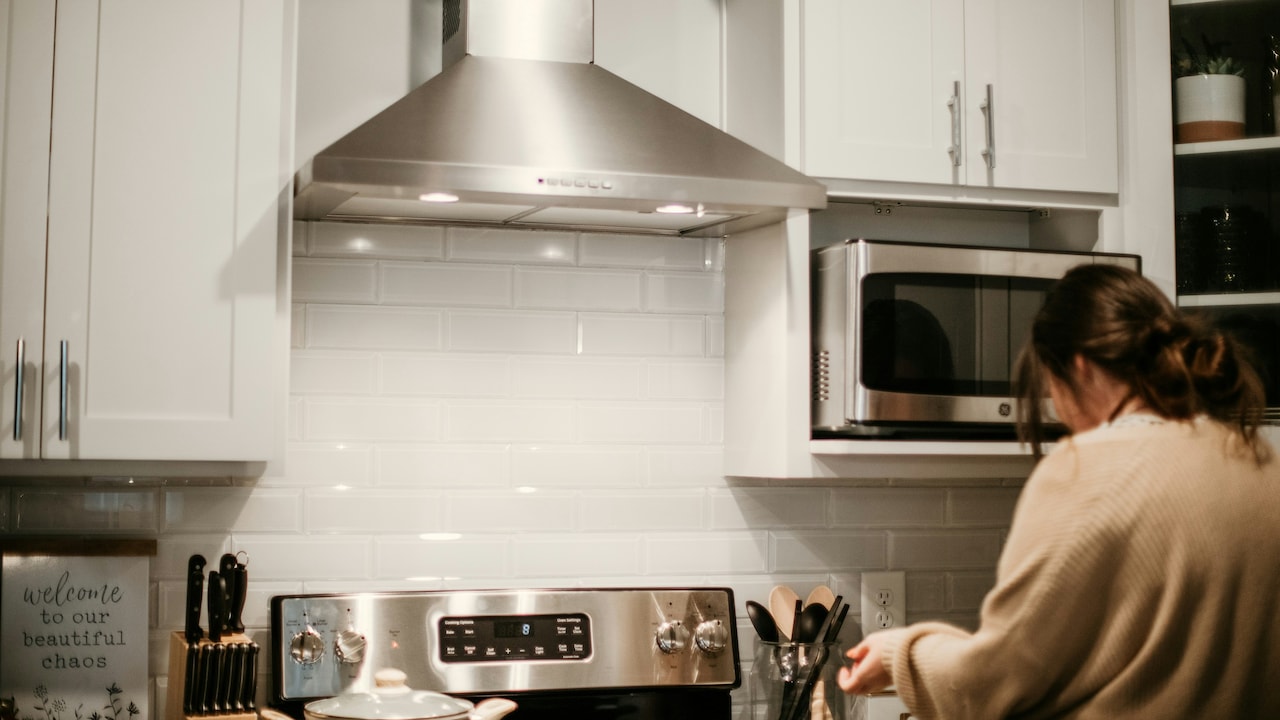
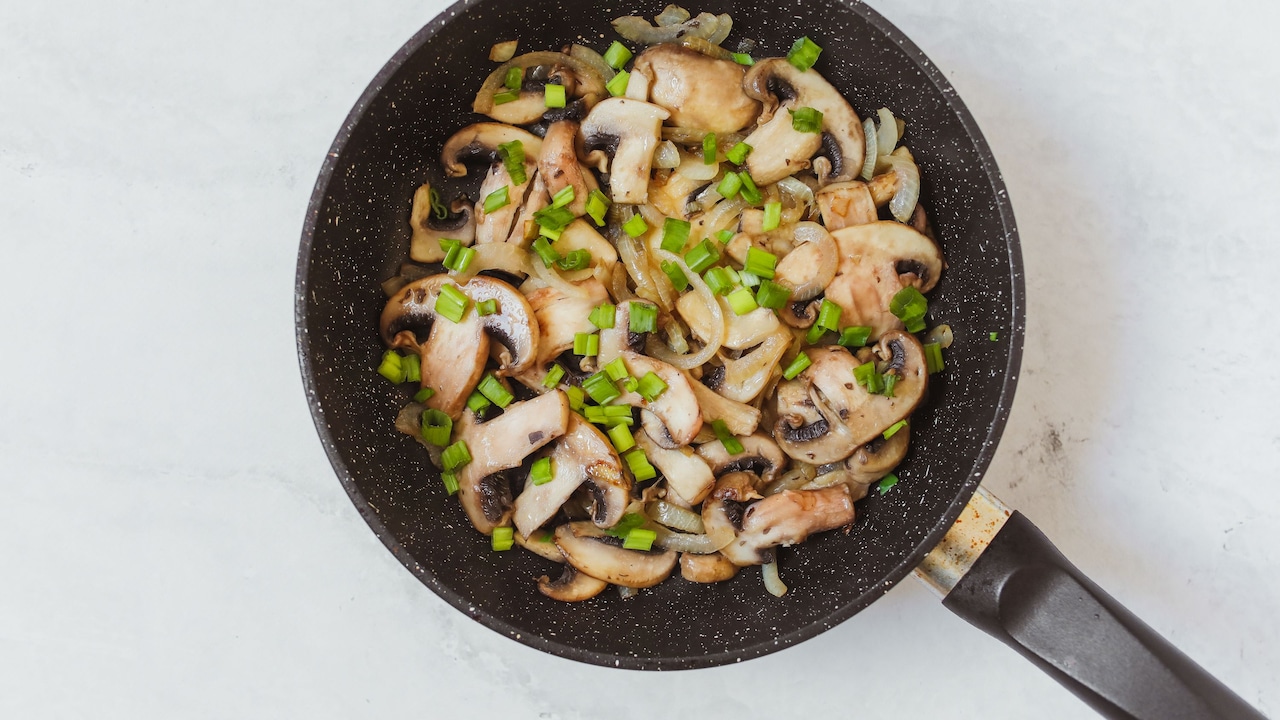
Modern kitchens rarely enjoy quiet moments. Between weekday breakfast rushes, elaborate weekend cooking, and festival preparations that seem to involve endless chopping, grinding, and mixing, efficiency matters more than ever. A reliable food processor often becomes the silent hero, slicing vegetables for pulao, blending masalas, kneading soft dough for rotis, or even whipping up chutneys in minutes. However, not every shiny machine deserves precious counter space. Some models promise grand performance yet struggle with basic tasks, while others include endless attachments that gather dust in cupboards. Choosing wisely requires more than simply picking the most expensive option or the one with the boldest advertising.
The best food processor should fit seamlessly into daily life, support varied cooking habits, and withstand heavy use. It should simplify meal preparation rather than complicate it. For homes where cooking often means balancing tradition with convenience, understanding what truly matters can prevent costly mistakes. With thoughtful consideration, the right appliance can become a trusted kitchen partner rather than another regrettable purchase.

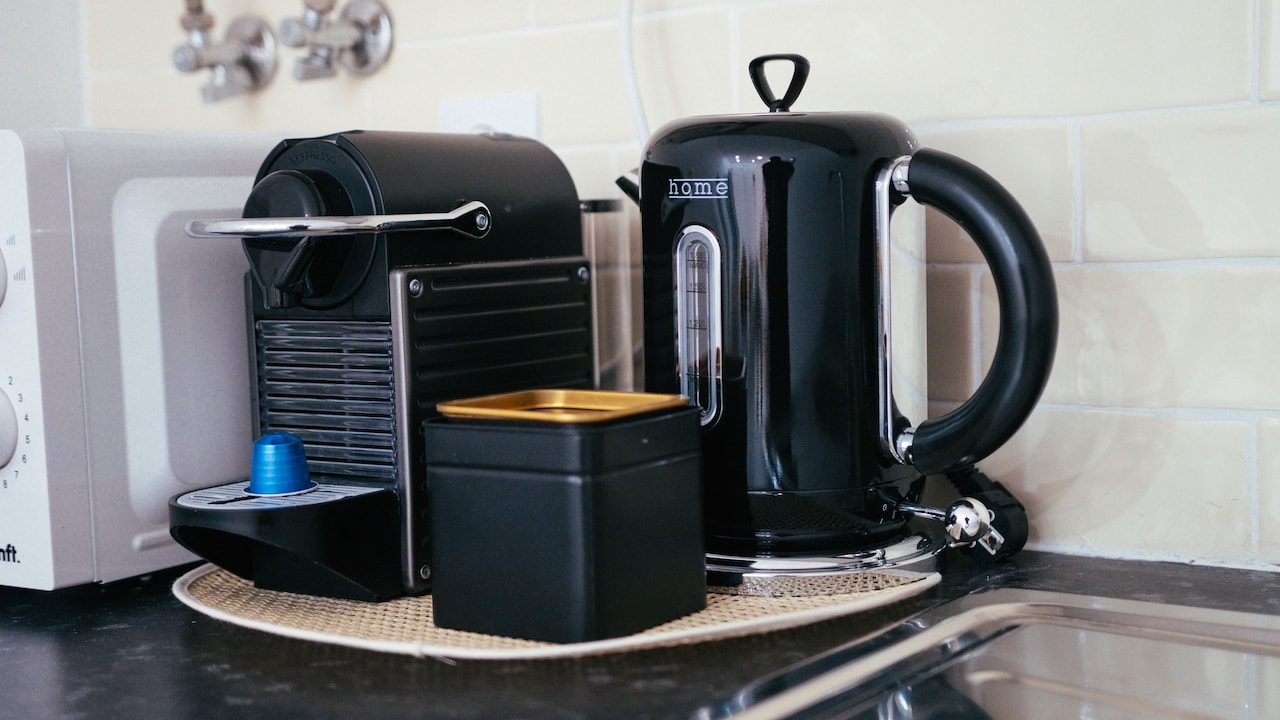
How To Pick Better Food Processors For Multi-Task Kitchens; Photo Credit: Pexels
Key Factors To Consider Before Buying A Food Processor
Understand Your Kitchen's Daily Demands
Before comparing brands or admiring sleek designs, consider what happens in the kitchen each day. A household focused on simple salads and smoothies may need different features than one that regularly prepares spice pastes, dosa batter, or festive sweets. Buying a machine without matching it to genuine cooking habits often leads to disappointment.
A family that cooks multiple meals daily should prioritise versatility and endurance. For example, frequent onion chopping, puree making, and dough kneading demand stronger motors and durable blades. On the other hand, occasional users may find mid-range options perfectly adequate.
Kitchen size also matters. Compact flats often struggle with bulky appliances that dominate precious space. Choosing a model that suits both cooking style and available storage prevents future frustration.
Rather than chasing unnecessary functions, focus on practical tasks that genuinely save time. A thoughtfully chosen processor should feel like a helpful sous-chef, not an oversized gadget cluttering the kitchen while silently judging unfinished recipes.
Motor Power Should Match Real Cooking Needs
Motor power often appears as the star attraction, but bigger numbers do not automatically guarantee better performance. Wattage matters, yet matching it to intended tasks proves far more important than simply buying the most powerful model.
For regular chopping, slicing, and blending, moderate power often performs beautifully. However, tougher jobs like kneading dough, grinding thick mixtures, or handling nuts require stronger motors. A machine with insufficient power may overheat quickly, especially during heavy festival cooking sessions when kitchen demands escalate.
That said, excessively powerful models can consume more electricity and cost significantly more without adding meaningful value for average households. Striking the right balance protects both budget and performance.
Reliable motors should also run smoothly without sounding like a construction site in the middle of lunch preparation. A quieter machine adds comfort, especially in homes where early morning meal prep begins before the rest of the family wakes.
Smart buyers focus on practical efficiency rather than marketing hype, ensuring the processor works hard without unnecessary drama.
Also Read: Best Food Processor Under 5000: Powerful, Versatile, and Perfect For Every Kitchen
Bowl Capacity Can Make Or Break Convenience
Choosing the correct bowl size can dramatically influence how useful a food processor feels in everyday life. Too small, and endless batches become frustrating. Too large and simple tasks feel cumbersome.
Larger families or those who often cook for gatherings should consider generous capacities that handle bulk chopping or dough preparation comfortably. Preparing biryani ingredients or festive snacks becomes far easier when the machine accommodates bigger portions.
Smaller households may benefit from compact bowls that suit daily cooking without wasting storage space. Oversized bowls can feel inconvenient when preparing modest meals or quick chutneys.
Material quality also matters. Durable, BPA-free plastic or sturdy stainless steel options offer better longevity and hygiene. Transparent bowls add convenience by allowing users to monitor progress easily.
The ideal bowl size should align with lifestyle rather than assumptions. A practical capacity reduces preparation time, minimises cleaning hassle, and ensures the appliance genuinely supports busy cooking routines instead of adding extra steps.
Blade Quality Determines Long-Term Performance
Blades often separate truly reliable food processors from disappointing purchases. Sharp, durable blades deliver consistent performance, while poor-quality components dull quickly and create uneven results.
Stainless steel blades generally offer excellent durability, resisting rust and maintaining sharpness over time. Precision matters whether slicing vegetables, shredding cheese, or grinding ingredients for rich curry bases. Inferior blades can leave uneven textures that ruin recipes and waste ingredients.
Different blade attachments also expand versatility. Chopping blades, kneading tools, slicing discs, and grating options can transform one machine into a highly efficient kitchen companion.
However, more attachments do not always equal better value. Focus on blades that support regular cooking needs rather than novelty functions unlikely to see regular use.
Easy blade removal also improves safety and cleaning convenience. Nobody wants a stressful wrestling match with sharp metal after dinner prep. Selecting high-quality, practical blades ensures smoother cooking experiences and stronger long-term value.

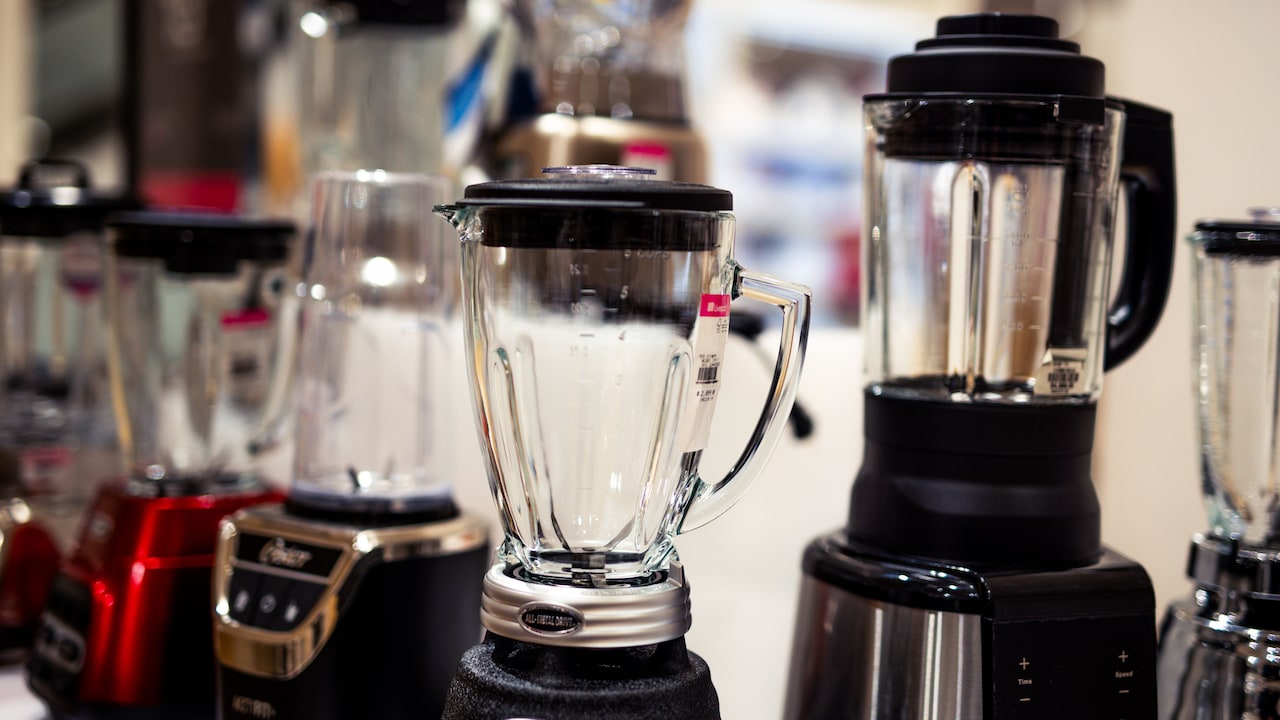
How To Pick Better Food Processors For Multi-Task Kitchens; Photo Credit: Pexels
Prioritise Ease Of Cleaning And Maintenance
Even the most powerful food processor can become an annoyance if cleaning feels exhausting. Busy households need appliances that simplify life rather than creating extra chores.
Dishwasher-safe components can save considerable effort, though many still prefer hand washing delicate parts. Smooth surfaces, detachable blades, and minimal crevices make maintenance far easier. Complex designs often trap food particles, leading to stubborn cleaning sessions nobody enjoys.
Regular use demands practical hygiene. Masala residues, sticky dough, and vegetable fibres can quickly build up if maintenance proves difficult. Machines with straightforward assembly and disassembly tend to remain household favourites.
Durability also depends on proper care. High-quality parts that resist staining, odours, and wear offer better long-term satisfaction.
When evaluating options, imagine post-cooking cleanup rather than showroom glamour. A processor that performs brilliantly but feels dreadful to clean may soon find itself abandoned on a forgotten shelf.
Safety Features Should Never Be Overlooked
Kitchen appliances deserve respect, especially when sharp blades and powerful motors combine. Strong safety features protect users and create peace of mind, particularly in homes with children.
Locking lids, non-slip bases, overload protection, and secure assembly mechanisms reduce accident risks significantly. Machines should not operate unless assembled correctly, preventing dangerous mishaps during rushed cooking sessions.
Stable construction also matters. A processor that shakes aggressively across the counter while grinding spices can quickly become alarming. Secure footing improves both performance and safety.
Overload protection prevents motor burnout during demanding tasks, extending appliance lifespan while protecting users. These practical safeguards may not appear glamorous in advertisements, yet they often prove invaluable.
Smart buyers treat safety as essential rather than optional. A dependable food processor should inspire confidence, allowing users to focus on cooking creativity rather than worrying about sudden mishaps.
Consider Build Quality Over Flashy Design
Sleek aesthetics may attract attention initially, but genuine quality ensures lasting satisfaction. A beautiful appliance that performs poorly or breaks quickly offers little value.
Strong construction materials, reliable controls, and sturdy attachments indicate thoughtful engineering. Machines designed for regular kitchen use should withstand repeated handling without fragile components cracking under pressure.
Buttons and dials should feel intuitive and durable. Flimsy controls often reveal cost-cutting compromises that affect long-term reliability.
Brand reputation can also provide useful guidance, though not every premium label guarantees superior quality. Reading user feedback and focusing on consistent performance often reveals more than polished marketing campaigns.
Countertop appearance certainly matters, but functionality should lead the decision. A robust, practical processor with modest looks often outperforms trendier options that prioritise style over substance.
Wise shoppers value endurance, ensuring their purchase remains dependable through countless meals and celebrations.

How To Pick Better Food Processors For Multi-Task Kitchens; Photo Credit: Pexels
Noise Levels Matter More Than Expected
Many buyers underestimate how disruptive noisy appliances can become. A food processor that roars like heavy traffic may quickly turn meal preparation into a stressful experience.
Quieter machines enhance comfort, especially during early mornings or late evenings when households prefer calm surroundings. While some operational noise remains inevitable, excessively loud models can feel intrusive.
Motor design, build quality, and bowl stability all influence sound levels. Better-engineered processors often deliver efficient performance with less racket.
Noise considerations become particularly important in compact homes where kitchen sounds travel easily. Preparing breakfast should not resemble launching industrial machinery.
Testing sound levels, where possible or reviewing customer experiences can offer valuable insight. Practical comfort often matters just as much as chopping speed.
A balanced appliance supports everyday cooking without overwhelming household peace, making it easier to enjoy kitchen tasks rather than endure them.
Warranty And After-Sales Support Add Real Value
A food processor represents a practical investment, so dependable support matters. Even excellent appliances may occasionally need servicing, replacement parts, or technical assistance.
Strong warranties reflect the manufacturer's confidence and protect buyers from unexpected repair expenses. Coverage for motors and essential components can prove especially valuable.
Accessible service centres and reliable customer support also make ownership smoother. A machine that becomes impossible to repair after minor issues can quickly feel like wasted money.
Spare parts availability deserves equal attention. Bowls, blades, or lids may eventually require replacement, and accessible parts extend appliance lifespan significantly.
Rather than focusing solely on purchase price, evaluate long-term ownership experience. Spending slightly more on trusted support can save frustration and expense later.
Reliable after-sales service transforms a good purchase into a genuinely smart one.
Budget Smartly Without Compromising Essentials
Price inevitably influences purchasing decisions, but the cheapest option rarely offers the best value. Equally, premium pricing does not always guarantee meaningful advantages.
Set a realistic budget based on actual kitchen needs. Many dependable food processors in the ₹5,000 to ₹15,000 range provide excellent versatility for most households without unnecessary extravagance.
Prioritise essential features like motor strength, blade quality, safety, and durability before considering luxury extras. Fancy digital displays or obscure attachments may inflate costs without improving daily usefulness.
Festive sales and seasonal discounts can provide strong opportunities for better deals. However, impulse buying based solely on discounts often leads to regret.
A carefully chosen food processor should deliver reliable convenience, not financial strain. Smart spending focuses on long-term utility, ensuring the appliance earns its place in the kitchen through consistent, practical support.
Products Related To This Article
1. Philips Stainless Steel Mixer Grinder + Food Processor
2. Butterfly Nexo 750W Mixer Grinder Food Processor with 6 Jars
3. INALSA Food Processor with Atta Kneader 800 Watts
4. Atomberg Zenova Mixer Grinder
5. Bosch Appliances TrueMixx Pro Mixer Grinder MGM8642BIN
6. Bajaj Food Factory FX 11 600 Watts Food Processor
7. Preethi Zion MG-227 mixer grinder 750 watt Black
Selecting the right food processor for a multi-task kitchen requires balancing performance, practicality, and budget with genuine household needs. The ideal machine should simplify everyday cooking, handle diverse recipes with ease, and withstand regular demands without constant maintenance headaches.
By focusing on meaningful factors such as motor strength, bowl capacity, blade durability, safety, and after-sales support, buyers can avoid flashy distractions and make confident choices. A well-chosen food processor does more than chop vegetables or knead dough. It saves time, reduces stress, and supports smoother meal preparation across busy routines and festive occasions alike.
In kitchens where efficiency and flavour share equal importance, the right appliance can become one of the most valuable culinary investments. Thoughtful purchasing today can lead to years of easier, more enjoyable cooking.
(Disclaimer: This article may include references to or features of products and services made available through affiliate marketing campaigns. NDTV Convergence Limited (“NDTV”) strives to maintain editorial independence while participating in such campaigns. NDTV does not assume responsibility for the performance or claims of any featured products or services.)