How to Improve Dishwasher Performance: 7 Mistakes to Stop Making Now
Dishwashers have become kitchen superheroes, silently scrubbing piles of plates, katoris, and greasy tadka pans. A few everyday habits can turn sparkling results into cloudy, half-clean dishes, and fixing them can save time, water and even money.

Here Are 7 Top Dishwasher Errors That Reduce Cleaning Efficiency And Learn How To Get Spotless Results.
A dishwasher offers freedom from scrubbing, scouring, and battling sticky layers of oil. With busy schedules and endless mealtime utensils, it feels like a quiet blessing tucked under the kitchen counter. But a dishwasher is not a magic box; it needs the right handling to work at full potential. Some common kitchen habits unknowingly reduce its efficiency, leaving tea-stained cups or spoons dotted with dal remains.
These mistakes happen in many homes, not because people don't care, but because dishwashing machines still feel new to everyday cooking. A few tweaks can help the machine clean better, reduce power usage and even extend its life. Here is how to improve your dishwasher's performance by stopping these top 7 mistakes. These frequent mistakes secretly sabotage cleaning efficiency.
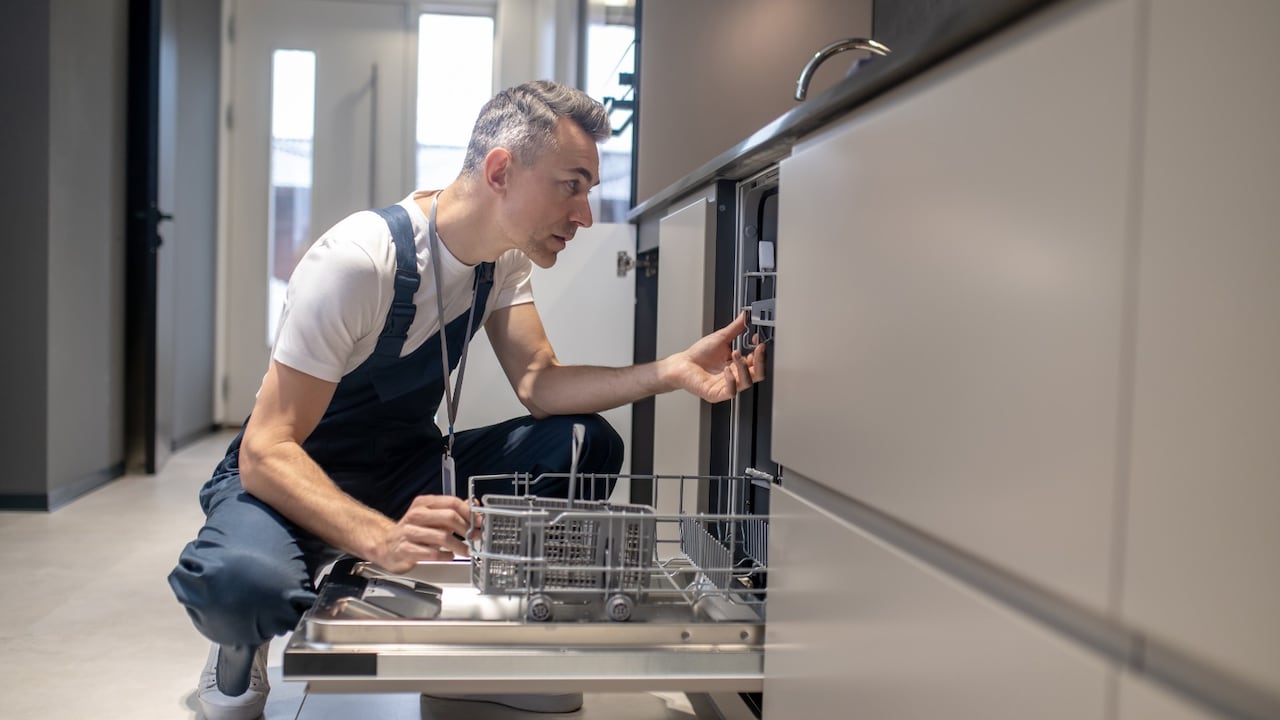
Top Dishwasher Errors That Reduce Cleaning Efficiency; Photo Credit: Pexels
What's Going Wrong With Your Dishwasher Performance?
1. Overloading the Dishwasher
Stuffing every bowl, plat,e and spoon into one wash feels efficient, after all, saving an extra cycle means saving water, time and electricity. But overloading often turns into the biggest culprit behind dull or still-dirty dishes. When utensils sit too close or lean on each other, the water jets can't reach every surface. Food residue remains stuck in corners, glasses get patchy, and big plates block smaller items behind them.
Think of it like packing a Mumbai local at peak hour. Everyone needs to reach their destination, but when the crowd is packed tight, movement becomes impossible. Dishwashers work the same way. They need space to spray, rinse and dry properly. Instead of forcing everything into one cycle, allow a bit of breathing room between items. It actually saves effort because there's no need to rewash.
Good loading habits also prevent damage. Overpacked racks can cause plates to chip or scratch. Let the water flow freely, avoid crowding, and the machine will reward you with gleaming results.
2. Pre-Rinsing Too Much
Many people believe rinsing dishes completely before placing them inside ensures better cleaning. In reality, excessive pre-rinsing can confuse the dishwasher. Modern machines and detergents are designed to react with food residues. When the surface is too clean, sensors assume the load is lightly soiled and reduce the cleaning cycle.
It's like expecting a mechanic to fix a car without hearing the engine's noise. A little evidence helps. A quick scrape is enough. Remove leftovers, bones, vegetable peels, and large bits. Light stains, oil smears or chutney smudges are perfectly fine to leave on. The detergent actually works better when it has something to act on.
Excessive rinsing also wastes water unnecessarily. A dishwasher uses far less water than thorough hand-washing. Investing trust in the machine avoids double effort and the extra ₹200–₹300 monthly water cost some households unknowingly create. Keep it simple: scrape, not wash, before loading.
Also Read: 5 Best Dishwashers In India: Check Top Picks From LG, Electrolux, Bosch to Faber
3. Using Too Much Detergent
There's a common assumption that extra detergent equals extra cleaning, especially with greasy cookware. But dishwashers work differently. Adding too much powder, ge,l or tablet creates an oversudsy wash, leaving sticky residue rather than sparkle. This residue then clings to utensils and even clogs the dishwasher filter over time.
Picture trying to wash hair with triple shampoo, it won't leave it softer, just harder to rinse. Dishwashing detergents are engineered to dissolve at the right concentration. Extra product disrupts the formula and can even reduce shine on glassware.
Using the correct amount stretches the detergent cost too. A ₹700 pack that should last two months may vanish in four weeks when used excessively. Follow the recommended levels in the manual and adjust only if the load is exceptionally heavy. Quality products work with precision, not volume. Less really does clean better.
4. Ignoring Water Hardness
Hard water is common in many cities, especially in apartments where borewell supply is the norm. Hard water reduces lather formation and leaves chalky stains on cutlery or cloudy marks on glasses. It also slowly damages the machine by depositing mineral layers inside.
Ignoring water hardness is like trying to make tea with milk that refuses to mix properly; everything feels off, but the real issue remains hidden. Dishwashers need softening salt to balance mineral levels. Without salt, detergent works harder, washes less effectively and rinsing becomes poor.
Using dishwasher salt is crucial, not table salt, as both are different. Table salt can block the system and damage the softening unit. Refilling dishwasher salt regularly costs a reasonable ₹150–₹200 per month and keeps the machine healthy, leading to spotless dishes and longer appliance life.
A small, consistent effort here prevents cloudy glassware, protects cutlery shine and ensures the dishwasher performs at full strength.
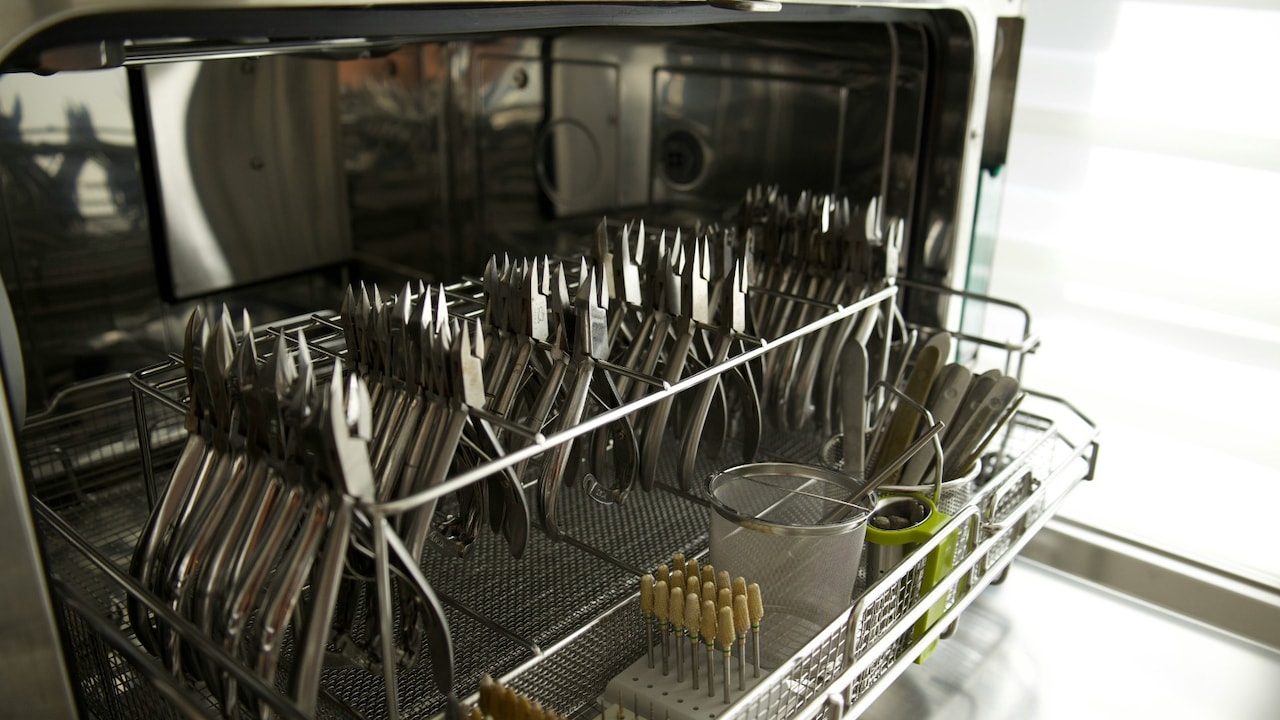
Top Dishwasher Errors That Reduce Cleaning Efficiency; Photo Credit: Pexels
5. Wrong Placement of Utensils
Even when the dishwasher isn't overloaded, incorrect placement disrupts cleaning. Utensils are designed to face the water jets for maximum impact, yet many homes simply place items randomly on racks.
Spoons piled together get stuck, katoris facing up fill with dirty water, and tall bottles block spray arms. It's like sitting in a theatre with someone's head blocking the screen; you're there, but the experience is pointless. Similarly, when bowls face upward, they collect murky water and come out dirtier than before.
Follow a simple plan:
- Bowls should tilt downward so water flows out.
- Plates belong in vertical slots.
- Glasses and cups go upside down on the top rack.
- Spoons and forks should not sit tightly together.
This thoughtful placement ensures every surface feels the pressure of hot water jets. A few seconds of mindful arrangement lead to sparkle without rewash stress. Let the dishwasher do its job without obstacles in its way.
6. Not Cleaning the Filter Regularly
Dishwashers may handle dirty utensils, but they cannot deal with accumulated waste endlessly. The filter at the bottom collects small food scraps. When ignored, it clogs and stops water circulation. Eventually, dishes come out smelling unpleasant or half-clean.
It's similar to ignoring a dustbin until it overflows; the whole kitchen feels off. The filter needs basic attention just once a week. Remove it, rinse under running water and gently scrub any stuck particles. No fancy chemicals needed.
Neglecting the filter can cause drainage issues and increase power usage, as the machine struggles to maintain water flow. Long-term build-up even leads to costly repairs, often between ₹1,000 and ₹2,500. A quick weekly check saves money and ensures hygienic cleaning.
Clean water equals clean dishes. A clear filter allows the dishwasher to breathe and work with full energy, giving consistently fresh, stain-free results.
7. Choosing the Wrong Wash Cycle
Many users rely only on the standard cycle for every load, light, heavy or greasy. But selecting the wrong cycle reduces efficiency and wastes resources. For example, running a heavy cycle for lightly soiled plates wastes time, energy and water. While using a quick wash for oily pans leaves sticky residue.
Think of cycles as different traffic routes. A shortcut works on Sunday morning but becomes chaotic on a weekday afternoon. The right path depends on the situation. Dishwashers have cycles designed for glassware, greasy cookware, lightly soiled dishes, or mixed loads. Choosing wisely ensures better cleaning while cutting costs.
Most households benefit from a combination: a standard cycle for daily utensils and an intensive cycle for deep-fried or masala-coated cookware. This balance maintains hygiene and saves extra detergent and electricity bills by ₹150–₹200 per month.
Smart selection doesn't take time, just awareness. Let the machine's settings work for your needs, not against them.
Products Related To This Article
1. Faber 12 Place Settings Dishwasher
2. IFB 15 Place Settings with DeepClean
3. IFB 14 Place Settings with DeepClean
4. Bosch 14 Place Setting with intensive Kadhai Program
5. Bosch 14 Place Setting Dishwasher with Intensive Kadhai Program
A dishwasher truly shines when used with the right habits. Simple choices, leaving a little food residue, using the correct detergent amount, placing dishes thoughtfully, and selecting suitable wash cycles, can transform results. These small adjustments protect your appliance, reduce monthly expenses, and keep utensils spotless without extra effort.
A few mindful steps make the dishwasher more than just a useful gadget; it becomes a reliable partner in the kitchen. With the right care, your dishes will gleam, your machine will last longer, and the daily post-meal chore will stay quietly effortless, just as it should be.
(Disclaimer: This article may include references to or features of products and services made available through affiliate marketing campaigns. NDTV Convergence Limited (“NDTV”) strives to maintain editorial independence while participating in such campaigns. NDTV does not assume responsibility for the performance or claims of any featured products or services.)