How To Keep Heater Electricity Bills Low This Winter
Heater bills climbing every winter? Here's how to keep the room warm and the units low, plus 8 useful heaters and add-ons on Amazon for this season.
How To Keep Heater Electricity Bills Low This Winter
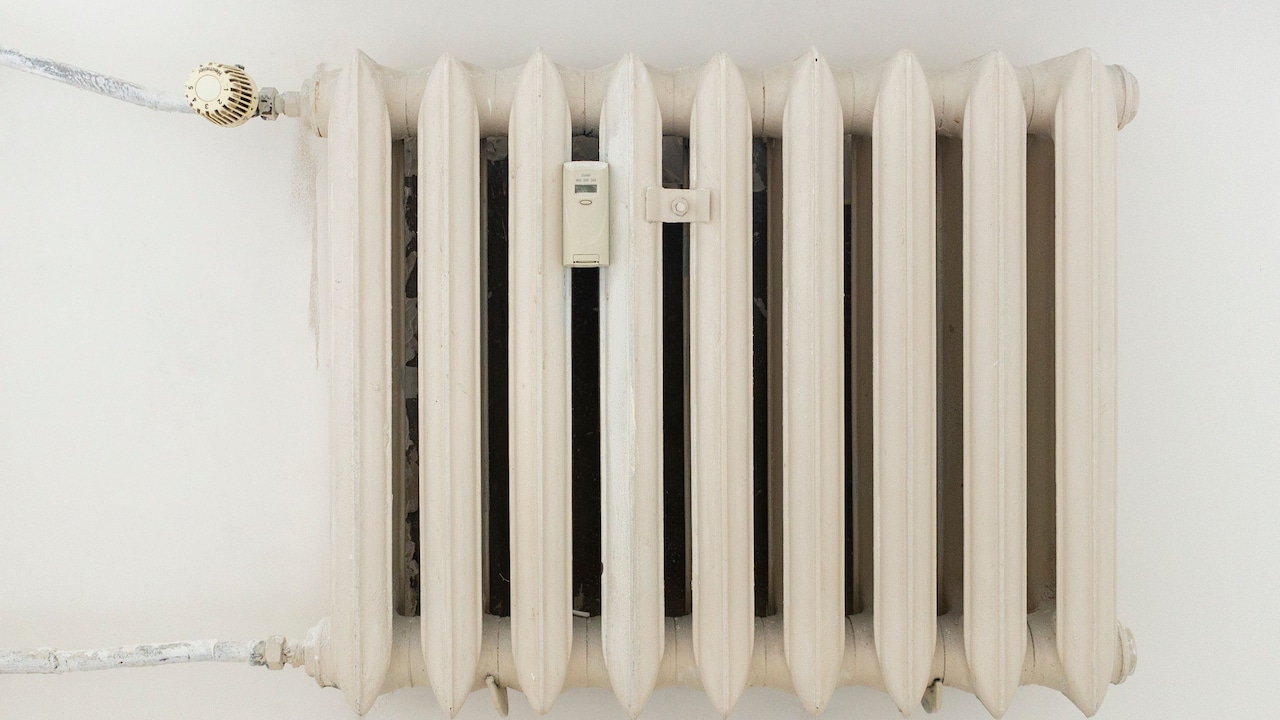
By the first cold week of December, the heater is usually down from the loft. In most homes it runs every evening and well into the night, mainly because the elders feel the cold the most. Then the January bill turns up at nearly double the usual amount. A lot of families just put it down to the weather and pay. Others switch the heater off and sit wrapped in blankets, which isn't much fun for three months either. Quite a bit of that extra bill comes from small habits, though. Amazon has heaters, smart plugs and a few low-cost add-ons that help.
How Much Electricity A Room Heater Actually Uses
Photo Credit: iStock
What you pay for a heater comes down to two things, really. One is how many watts it pulls, and the other is how long it stays on. Bring either of them down, and the bill drops, without anyone having to shiver. This article goes through the habits that cut units while keeping the room warm. It also explains which kind of heater suits which room. You'll find 8 Amazon picks at the end.
How Much Electricity A Room Heater Actually Uses
The electricity board bills you in units. One unit is just 1000 watts running for an hour. So a 2000W heater eats up roughly 2 units every hour it's on.
Leave it on for 6 hours a night, and that's 12 units gone each day. Across a month, you're looking at something like 360 units, which explains the jump on the January bill. If you dig out your November bill and put it next to January's, the difference is easy to spot. Smaller heaters don't come anywhere close to that. An 800W halogen is under half, and most electric blankets get by on less than 100W.
Is A Bigger Heater Always Better?
Not really; a 2000W heater in a tiny bedroom mostly burns money. The room gets stuffy in ten minutes, the heater keeps going, and somebody ends up opening the window. That's even worse.
Go by the room instead. For a small bedroom, 1000 to 1500W is plenty. A big drawing room is where an oil heater earns its keep. Most Amazon listings say what room size the heater is meant for.
How To Cut Heater Bills Without Feeling Cold
None of these are hard, and most of them won't cost you a rupee. You could start with the first two this week.
1. Use The Thermostat, Not Full Power
Many heaters come with a thermostat knob. It switches the heater off once the room gets warm and then back on when it cools again.
Setting it around the middle works for most rooms. You stay warm, and the heater gets a break every so often. Left on full power, it just keeps going without stopping. Fan heaters with a thermostat aren't hard to find on Amazon.
2. Close Gaps Under Doors And Windows
Old doors and window frames let in a lot of cold air, and the heater ends up fighting it all night. A door strip stops most of that draught. If you don't have one, an old towel rolled up along the bottom of the door does the job.
Draw the curtains once the sun goes down as well, since thick ones keep the warmth in much longer. And keep the door shut while the heater's running.
3. Heat The Room Before Bed, Then Switch Off
Run it for half an hour or so before bedtime. Then switch off and get under the quilt and the room stays comfortable for a good few hours. Spread the quilt out while the room warms up, so it isn't icy when you climb in.
Keeping it on all night dries the air, which is why so many people wake up with a sore throat in winter. If you tend to fall asleep with it on, let a timer or a smart plug switch it off.
Also Read: Explore 5 Best-Selling Geysers On Amazon
4. Warm The Person, Not The Whole House
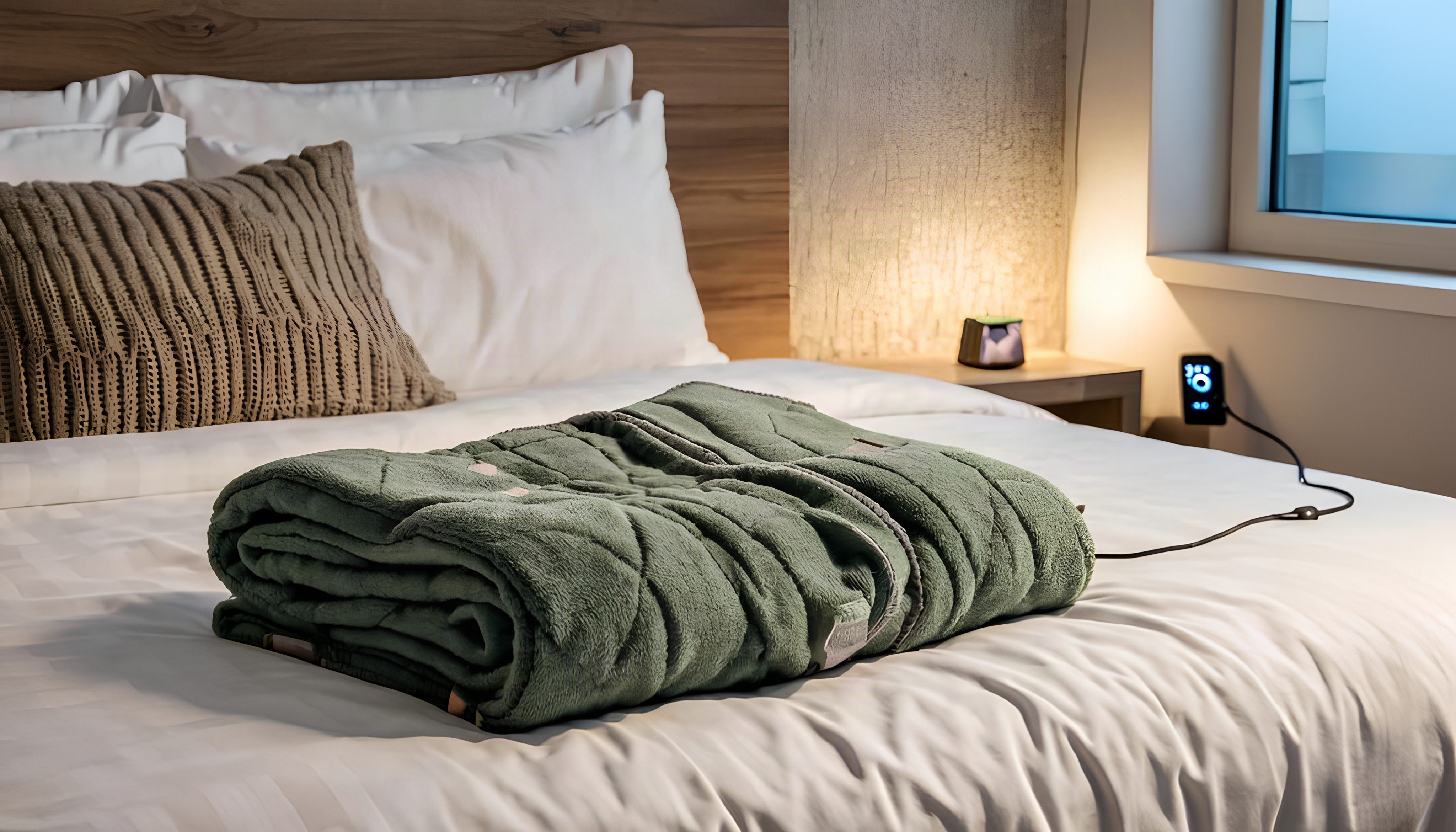
An electric blanket heats up the bed on a tiny fraction of the power. Woollen socks and a sweater at home help more than people think. Working from home? A small heater under the desk does more than a big one sitting in the corner.
There's no point heating rooms nobody is sitting in. And for older relatives, a hot water bottle still works just as well as it always did.
What Should Really Decide Which Heater You Buy
Every type of heater works a bit differently. Which one is best depends on the room and how many hours you'll use it.
1. Room Size
Fans and halogen heaters are fine for small rooms. They warm up fast, though the heat goes quickly once you switch them off. Oil filled radiators are better for larger rooms, as they take longer to heat up but hold the warmth for a decent while after. A rough measurement of the room before ordering helps.
2. Who Is In The Room
Babies and older people tend to notice dry air more than the rest of us. An oil heater doesn't dry the room out as much as a fan heater does. There are no glowing rods on it either, which matters if small children are around. Keep it a metre or so away from the bed and the curtains, whichever one you get.
3. How Many Hours It Runs
If it's just an hour or two, a halogen or fan heater will do. For long nights, an oil heater with a thermostat ends up being cheaper to run because it switches itself on and off. By February, the running cost will have mattered far more than the price on the box.
4. Safety Features
Overheat protection and a tip-over switch are worth having, and so is the ISI mark. Those thin extension boards are a bad idea for heaters. Use a proper wall socket, and switch it off when you step out of the room.
So, How Do You Keep Heater Bills Low This Winter
Get a heater that suits the room, and let the thermostat do its job instead of running it on full. Stop the draught under the door and pull the curtains in the evening. Warm the room up before bed and then turn it off. On their own, these sound small, but over three months the units really add up.
An electric blanket helps, and so does a smart plug with energy monitoring, since it shows exactly how many units each heater is using. The eight Amazon picks below include heaters, smart plugs, and a few other items.
Some Products You May Like
Photo Credit: iStock
Some Products You May Like
1. Havells 13 Fin Oil-Filled Room Heater
2. USHA 3628 PTC Fan Heater with Thermostat
3. Orient Electric Areva Portable Room Heater
4. Bajaj RHX-2 Halogen Heater
5. Crompton Comfy Plus Quartz Room Heater
6. Wipro 16A Smart Plug with Energy Monitoring
7. Bell Single Bed Electric Blanket
8. RANUR Self-Adhesive Door Bottom Sealing Strip
Winter often means relying more on heaters to stay comfortable, but it can also lead to a noticeable increase in electricity bills if you're not careful. The good news is that a few simple habits can help you stay warm without driving up energy costs. Setting your heater to a moderate temperature, closing doors and windows to prevent heat loss, using draft stoppers, and warming only the rooms you use most can make a significant difference. Layering up with warm clothing and blankets can also reduce the need to run the heater continuously.
Frequently Asked Questions (FAQs)
1. Which room heater uses the least electricity?
On a low setting, halogen and quartz heaters use the least electricity. An electric blanket uses even less electricity than those heaters. Both are fine if it's just one person in a small room.
2. Do oil heaters save electricity?
They often do, since they keep giving off heat after you switch them off. With a thermostat, they end up running fewer hours for the same warmth, so it's worth getting one that has a thermostat knob.
3. Is it safe to leave a heater on all night?
Better not, as it dries the air and pushes the bill up. A timer helps, or just switch it off before you doze off.
4. How many units does a 2000W heater use?
Around 2 units an hour when it's on full. With a thermostat, the real figure tends to be lower. Multiply it by the hours you use it, and you'll get a rough idea of the bill.
5. Does a smart plug really help reduce the bill?
Yes, it can make quite a difference. You can see the actual usage and set the heater to switch off on a schedule. Once people see the numbers, most of them end up cutting the hours.
(Disclaimer: This article may include references to or features of products and services made available through affiliate marketing campaigns. NDTV Convergence Limited (“NDTV”) strives to maintain editorial independence while participating in such campaigns. NDTV does not assume responsibility for the performance or claims of any featured products or services.)