What Indoor AQI Readings Mean For Your Health
Understand what indoor AQI readings mean for your health, how an air quality monitor detects pollutants and when poor indoor air needs attention at home.
What Indoor AQI Readings Mean For Your Health
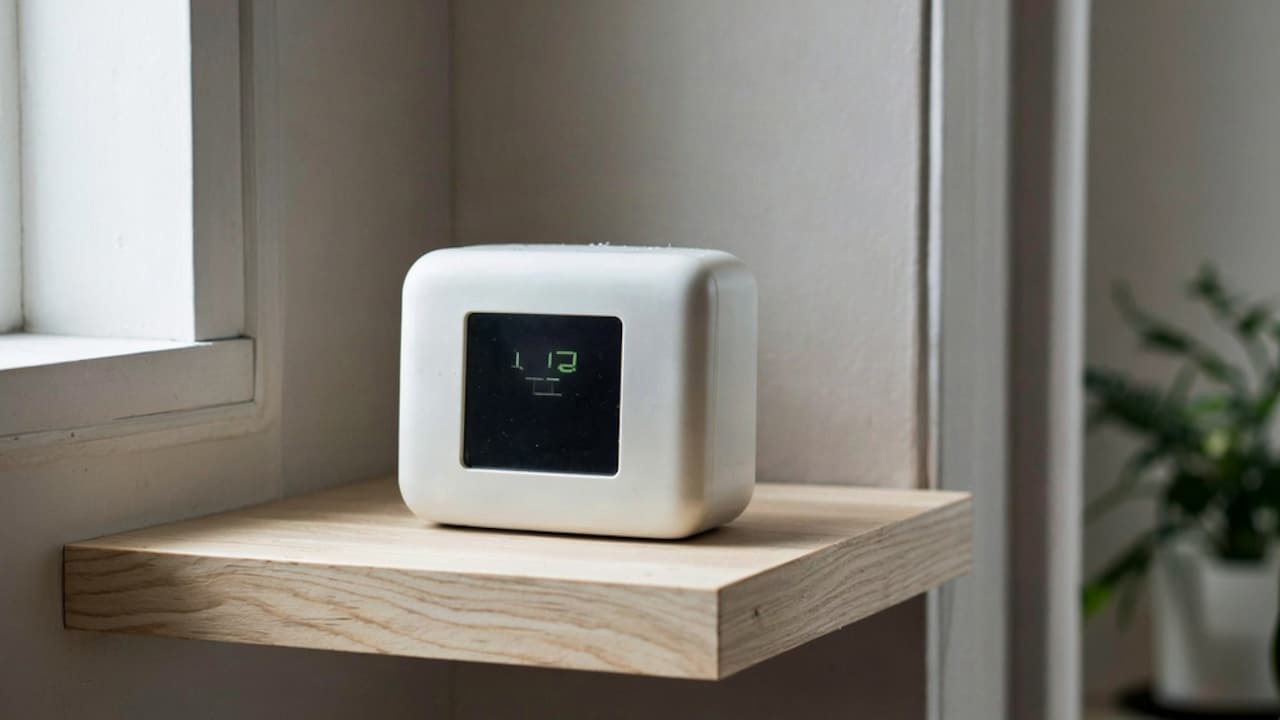
Indoor air can feel perfectly normal even when something is off. You could be in your bedroom, working from home or cooking in the kitchen, and notice nothing whatsoever. Dust, smoke and other pollutants might still be drifting around, and some are too small to see or smell. That's where an air quality monitor helps. It shows what is happening inside your home, even when the air looks clean. But what do those indoor AQI readings actually mean for your health? Is a reading of 50 safe, and should you be worried when the number crosses 100?
Which Indoor Pollutants Can Affect Your Health?
Photo Credit: iStock
Understanding these readings can help you identify potential exposure, recognise when ventilation needs improvement and decide whether an air purifier is required. Let's look at what the numbers tell you and what you should do about them.
What Does An Indoor AQI Reading Actually Tell You?
An indoor AQI reading is an indication of pollution levels inside your home. The term can confuse people because monitors use different calculation methods and scales. Indoor readings also shift quickly. Cooking, cleaning, ventilation, furniture and the number of people in a room all play a part, which is not really the case with outdoor measurements.
1. Understanding The AQI Number
On most monitors, a lower number means better air, but the categories depend on the scale in use.
The Indian CPCB scale has six categories. A reading of 0 to 50 is good, with minimal health concerns. From 51 to 100 it is satisfactory. Between 101 and 200 the air is moderate, and people with asthma or other respiratory conditions may start to feel discomfort.
Then it gets worse. A score of 201 to 300 is poor. At 301 to 400 the air is very poor, and the risk of respiratory problems rises. Readings of 401 to 500 are severe, and even healthy people can suffer adverse effects.
Before you interpret anything, check whether your monitor follows the CPCB scale or some other system.
2. Why Indoor AQI Can Change Throughout The Day
Indoor air quality is not constant. Frying food, burning incense sticks, spraying cleaners and keeping the windows shut can all push pollution levels up.
Your bedroom might show a low number in the morning and climb after you vacuum or use a strong room freshener. A jump like that doesn't automatically mean danger. It is still worth noticing.
Which Indoor Pollutants Can Affect Your Health?
The general AQI figure does not tell much about particularities and specifics. As pollutants have different sources and act differently on human health, it is better to consider separate readings in detail.
1. PM2.5 And PM10: Tiny Particles In Your Air
PM2.5 is fine particulate matter of 2.5 micrometres or smaller. PM10 covers particles up to 10 micrometres.
Outdoor pollution, cooking smoke, dust and ordinary daily activities all bring them indoors. PM2.5 deserves the most attention because the smallest particles travel deep into the lungs. Exposure can worsen asthma and may add to respiratory and cardiovascular problems.
2. Carbon Dioxide Can Indicate Poor Ventilation
When several people share a closed room without much fresh air coming in, carbon dioxide (CO₂) builds up. A high reading usually points to insufficient ventilation.
Stuffiness, headaches and trouble concentrating can follow, but a CO₂ reading alone cannot tell you what is causing those symptoms.
One more thing to remember: CO₂ and carbon monoxide are different gases. Carbon monoxide is poisonous, can cause serious harm and needs its detector.
What Happens When Indoor AQI Levels Remain High?
A few high AQI scores are not a major concern. The danger is consistent exposure, which is important, especially for those rooms where you spend much time daily.
1. Respiratory Problems And Allergies May Get Worse
If you suffer from respiratory illnesses such as asthma or allergies, pollutants in the air can cause coughing, wheezing, throat irritation and even problems with breathing. Besides, indoor pollutants can affect children and elderly people more intensively.
If something in your living room or bedroom causes your recurring symptoms, checking pollution levels will help you find the trigger.
2. Headaches, Tiredness And Difficulty Concentrating
A room with poor ventilation and some particular pollutants just makes you feel bad inside. Elevated CO₂ level is associated with stuffiness and may negatively influence your cognitive abilities.
But remember that it is not always indoor AQI that causes headaches or fatigue. There are many other factors behind these symptoms, including dehydration and poor sleep quality.
Also Read: 10 Air Purifiers That Actually Work For Allergies In India
How Can You Improve Indoor Air Quality After Checking The Readings?
A monitor is only worth having if you act on what it shows. Chasing a perfect number all day is not the aim. Cutting down on avoidable exposure is.
1. Improve Ventilation At The Right Time
Open your windows and doors when the outdoor air is reasonably good. Fresh air circulates and clears out the pollutants that have built up inside.
Timing matters. If outdoor pollution is high, opening up can make indoor conditions worse, so check the local outdoor AQI first.
2. Use An Air Purifier And Reduce Pollution Sources
When PM2.5 stays high, a properly sized purifier with a HEPA filter can remove airborne particles. Pick one by room size and its clean air delivery rate (CADR).
Cutting the sources helps as well. Use incense sparingly, avoid smoking indoors, and limit aerosol sprays. Regular surface cleaning and a well-maintained kitchen exhaust also make a real difference.
Some Air Quality Monitors You May Like
Photo Credit: iStock
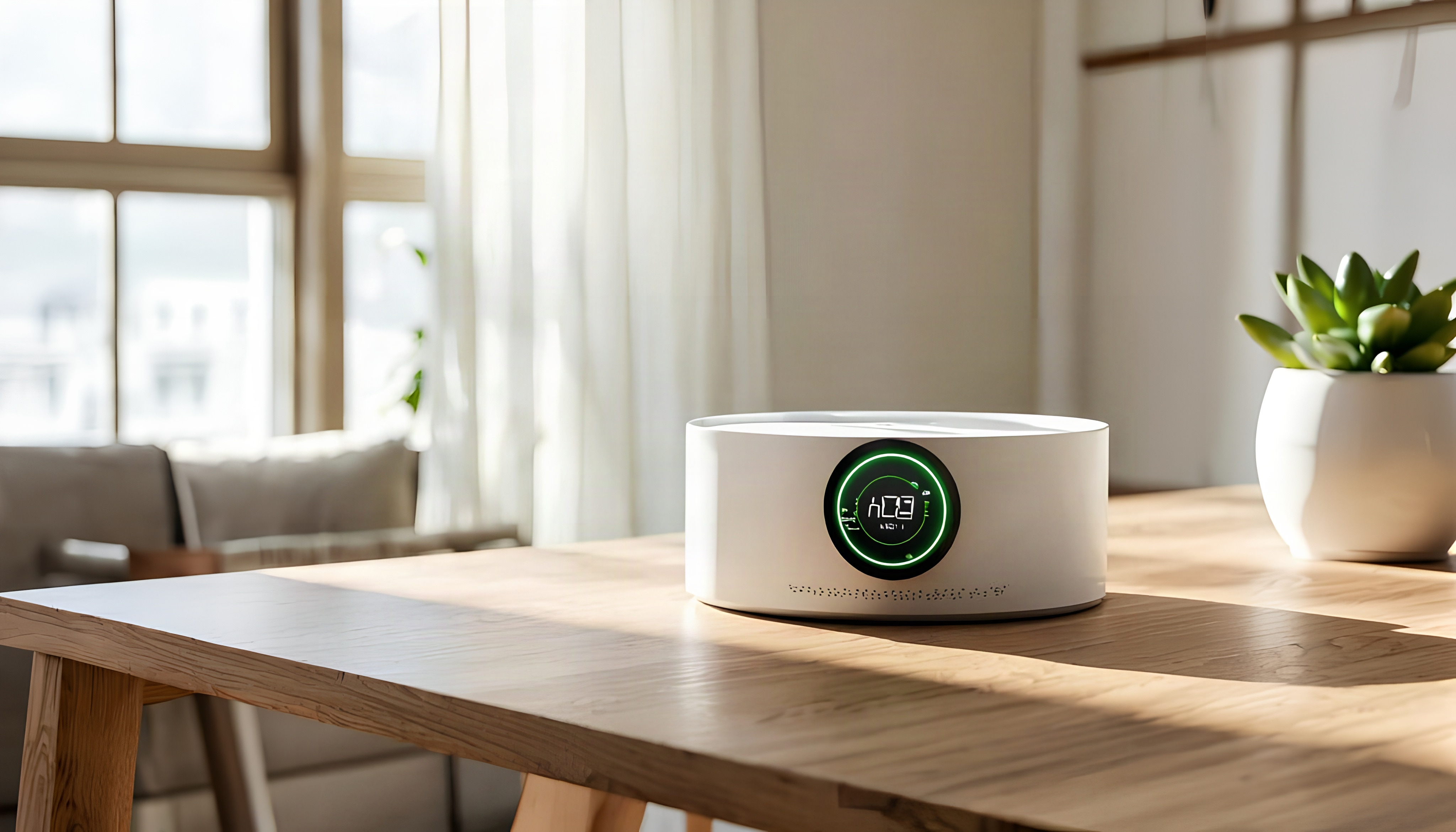
Some Air Quality Monitors You May Like
1. Prana Air Pocket PM2.5 Air Quality Monitor
2. DeWire AQI Smart Air Quality Monitor with Bluetooth Sensor
3. Temtop Indoor Thermometer Air Quality Monitor
4. INKBIRDPLUS 6-in-1 Indoor Air Quality Monitor PTH-9A
5. Airnest Air Quality Monitor for Home
6. Rozoroo 12-in-1 Air Quality Monitor
7. Coiliiot Indoor Air Quality Monitor
8. Bequest 6-in-1 Indoor Air Quality Monitor
Monitoring indoor AQI is an important step toward creating a healthier living environment, especially since most people spend a significant portion of their time indoors. While occasional fluctuations are common, consistently high AQI readings can indicate the presence of pollutants that may affect comfort, respiratory health, and overall well-being. Understanding what these numbers mean can help you take timely action, whether it's improving ventilation, reducing indoor pollution sources, or using an air purifier to maintain cleaner air.
Frequently Asked Questions (FAQs)
1. Is an indoor AQI reading of 100 safe?
On the US AQI scale, 100 sits at the top of the Moderate category. For most acceptable people. Those who react strongly to air pollution should take a little extra care.
2. Can indoor air quality be worse than outdoor air quality?
Yes, it can. Cooking smoke, cleaning chemicals, dust, furniture emissions and weak ventilation all raise indoor pollution, and outdoor pollutants can drift in through open windows and doors as well.
3. How often should you check indoor AQI readings?
Check as often as you like during the day, especially while cooking or cleaning, since those activities release pollutants. Trends over time are more informative than any single small fluctuation, so reacting to each one is pointless.
4. Does an air quality monitor detect carbon monoxide?
Only models with a dedicated carbon monoxide sensor do. A regular AQI monitor may miss this gas entirely. If you use fuel-burning appliances, install a separate certified carbon monoxide alarm.
5. Where should you place an air quality monitor at home?
Put it in a room where you spend a lot of time, like the bedroom or living room. Keep it clear of direct cooking smoke, windows, and air purifier outlets; otherwise, the readings won't reflect the general conditions in the room.
(Disclaimer: This article may include references to or features of products and services made available through affiliate marketing campaigns. NDTV Convergence Limited (“NDTV”) strives to maintain editorial independence while participating in such campaigns. NDTV does not assume responsibility for the performance or claims of any featured products or services.)