White Deposits In Electric Kettle? Here Is Why It Happens And How To Remove Them Easily
White deposits in your electric kettle form due to minerals in the water. They build up quickly but are easy to remove with simple kitchen ingredients like vinegar or lemon.
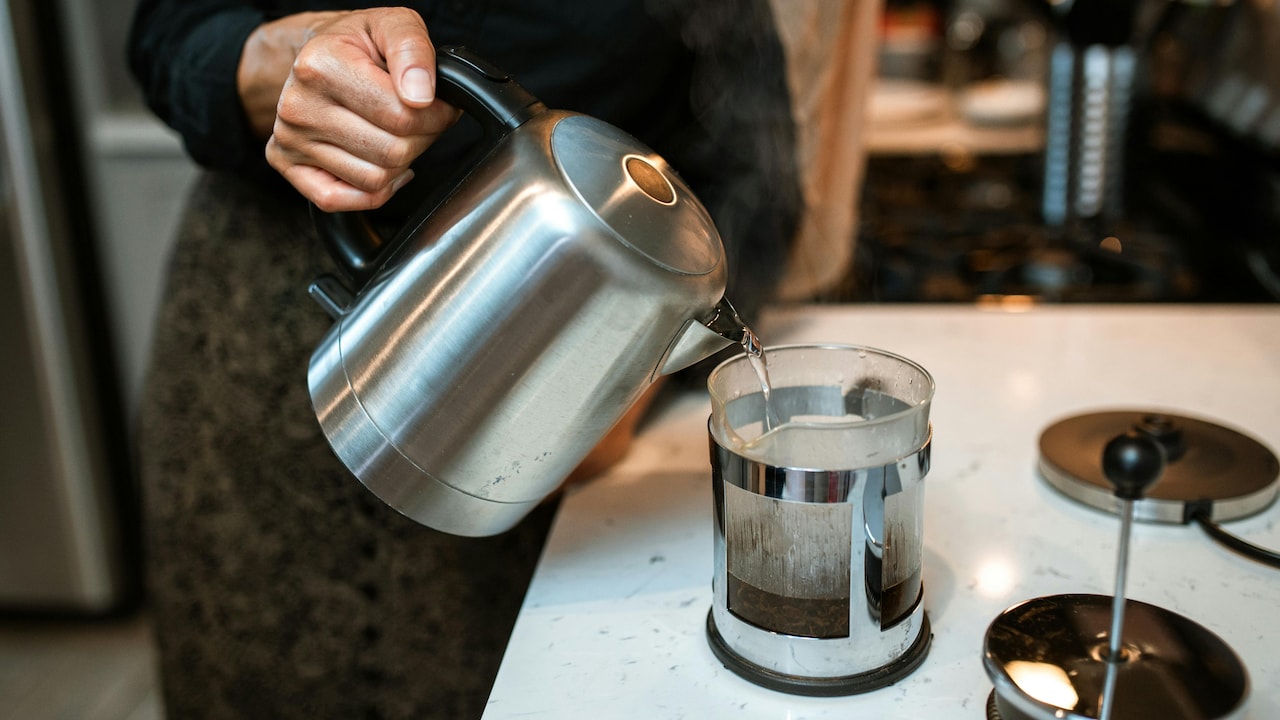
Electric Kettle Limescale Explained: Causes, Effects And A Simple Fixes
There is something oddly comforting about the sound of an electric kettle humming away in the background. It signals morning chai, late-night noodles, or a quick cup of coffee before rushing out. Yet, somewhere between those comforting routines, a chalky white layer begins to appear inside the kettle. At first, it seems harmless. A faint patch here, a streak there. Soon enough, it turns into a stubborn crust that refuses to go away.
Many assume it is dirt or a sign of poor maintenance. Some even worry that the kettle is malfunctioning. But that white deposit is actually a very common occurrence, especially in homes where the water supply contains high mineral content. The surprising part is not just how fast it builds up, but how easily it can be removed once the cause is understood.
This article explores why kettles develop these deposits so quickly and offers a simple, reliable fix that actually works. Along the way, it uncovers a few habits that may unknowingly make the problem worse.
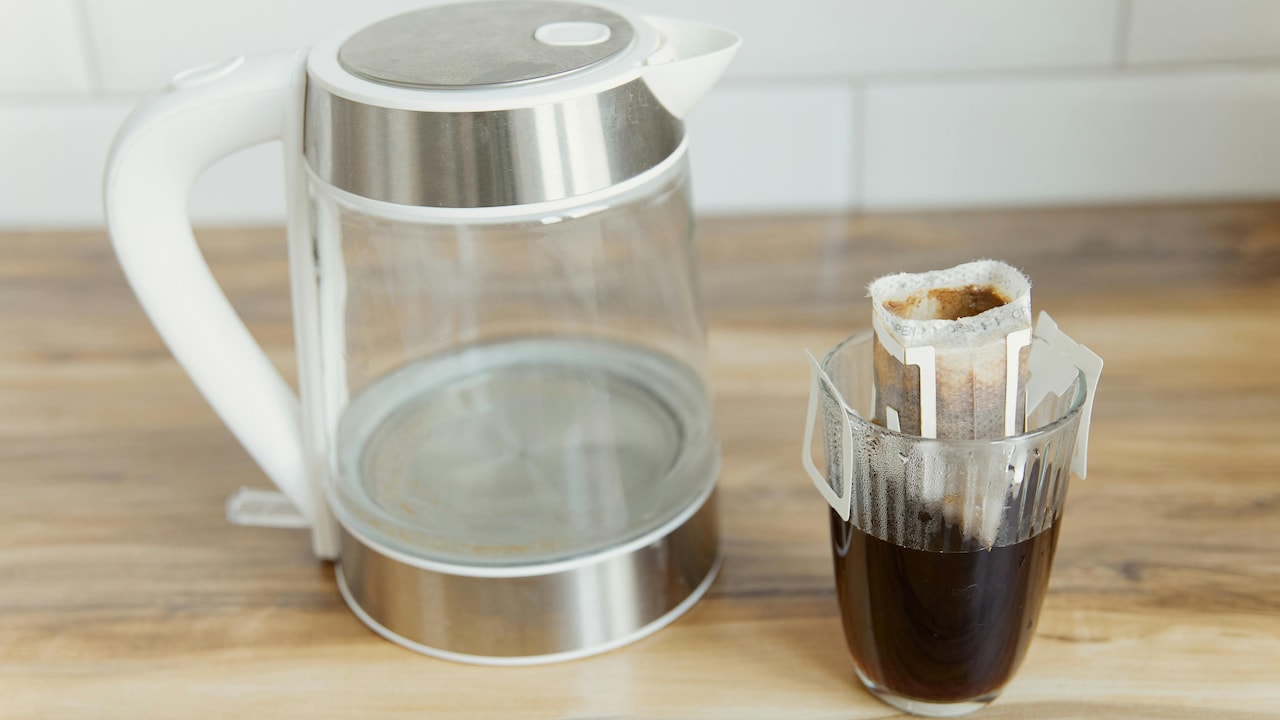
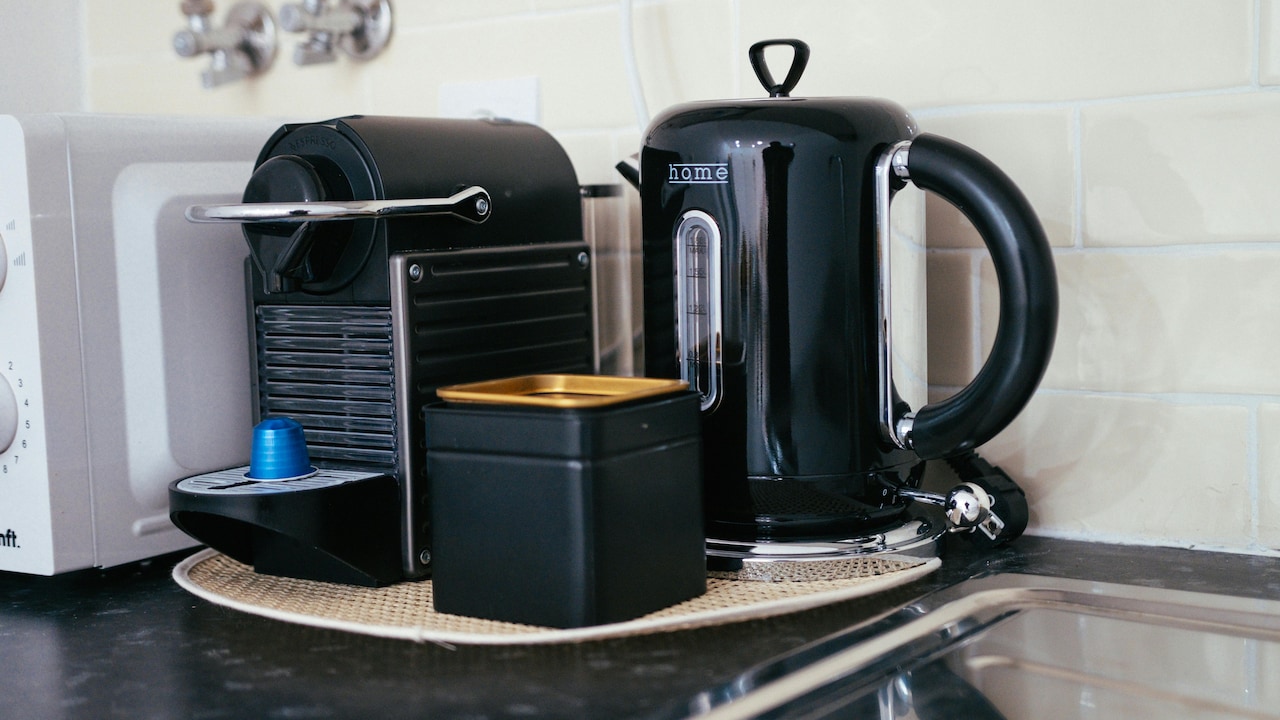
Electric Kettle Limescale Explained: Causes, Effects and Simple Fixes; Photo Credit: Pexels
Understanding The Causes And Easy Solutions For Kettle Limescale
The Hidden Culprit In Everyday Water
Tap water often carries dissolved minerals like calcium and magnesium. These minerals are invisible when the water is cold, making everything seem perfectly fine. But the moment heat enters the picture, things begin to change. Boiling water triggers a reaction where these minerals separate and settle on surfaces.
Inside a kettle, this process happens repeatedly. Each boil leaves behind a tiny trace of mineral residue. Over time, those traces build up into the familiar white deposit, commonly known as limescale. It forms faster in areas where the water is “hard”, meaning it contains a higher concentration of minerals.
This explains why even a brand-new kettle can develop deposits within weeks. It has nothing to do with cleanliness or usage frequency alone. It is simply a natural reaction between heat and mineral-rich water. Understanding this makes it easier to stop blaming the appliance and start addressing the real cause.
Why The Build-Up Feels So Sudden
The speed of limescale formation often catches people off guard. One day, the kettle looks spotless, and the next it seems coated in white patches. The reason lies in how deposits accumulate in layers rather than gradually in a visible way.
In the early stages, the scale forms a thin, almost invisible film. It does not reflect much light, so it goes unnoticed. But once it reaches a certain thickness, it becomes opaque and clearly visible. That is when it appears as though the problem has appeared overnight.
Frequent boiling accelerates this process. Households that rely heavily on kettles for tea, coffee, or cooking water may notice faster build-up. The minerals do not get washed away during boiling; they simply stay behind and stack up with each cycle. That sudden appearance is really just the tipping point of something that has been quietly building for days.
Also Read: Top Rated Electric Kettle For Fast Boiling, Efficient Picks For Tea, Coffee, And more
The Impact On Taste And Smell
Limescale is not just a cosmetic issue. It can subtly affect the taste of beverages. Tea may lose its sharpness, and coffee might taste slightly flat or chalky. While the change is often mild, sensitive taste buds can pick it up easily.
The deposits can also trap tiny particles and impurities, which may influence the smell of boiled water. This becomes more noticeable when preparing delicate drinks like green tea or herbal infusions, where flavour clarity matters.
Although limescale itself is not harmful in small amounts, it interferes with the overall drinking experience. That morning cup of chai deserves better than a hint of mineral aftertaste. Keeping the kettle clean ensures that flavours remain true and refreshing.
How Limescale Affects Kettle Performance
Beyond taste, limescale has a direct impact on how efficiently a kettle works. The deposits act as an insulating layer on the heating element. This makes it harder for heat to transfer into the water.
As a result, the kettle takes longer to boil. It may also consume more electricity because it has to work harder to reach the same temperature. Over time, this can increase energy usage and even shorten the lifespan of the appliance.
There is also the risk of uneven heating. Thick layers of scale can cause hot spots, which may damage internal components. What begins as a harmless white coating can gradually turn into a performance issue if ignored.
The Role Of Repeated Boiling
A common habit contributes significantly to limescale build-up: reboiling water. Many people fill the kettle once and keep reheating the same water throughout the day. While convenient, this practice concentrates the minerals further.
Each time water boils, some of it evaporates as steam. The minerals remain behind, becoming more concentrated in the remaining water. With repeated boiling, the concentration increases, speeding up deposit formation.
Using fresh water for each boil can make a noticeable difference. It reduces mineral concentration and slows down the rate at which limescale forms. This small change in habit often goes a long way in maintaining a cleaner kettle.

Electric Kettle Limescale Explained: Causes, Effects and Simple Fixes; Photo Credit: Pexels
The Surprising Simplicity Of The Fix
The good news is that removing limescale does not require expensive cleaners or complicated methods. The most effective solution is already sitting in most kitchens: vinegar or lemon.
Both contain natural acids that break down mineral deposits effortlessly. When heated gently in the kettle, they dissolve the scale and restore the surface to its original condition. The process feels almost satisfying, watching stubborn deposits disappear without scrubbing.
What makes this fix so appealing is its simplicity. No specialised products, no harsh chemicals, and no extra cost. Just a straightforward method that works reliably every time.
Why Vinegar Works Like Magic
Vinegar contains acetic acid, which reacts with calcium carbonate, the main component of limescale. This reaction breaks the deposit into soluble compounds that wash away easily.
A simple mixture of water and vinegar, heated in the kettle and left to sit for a while, can dissolve even thick layers of scale. After rinsing, the kettle often looks as good as new.
The only downside is the strong smell, but this disappears quickly after a few rinses. For many, the effectiveness outweighs the temporary inconvenience. It remains one of the most trusted solutions for tackling limescale.
Lemon As A Fresh Alternative
For those who dislike the smell of vinegar, lemon offers an excellent alternative. The citric acid in lemon works in a similar way, breaking down mineral deposits without leaving a harsh odour behind.
Using lemon slices or lemon juice creates a fresher cleaning experience. It leaves behind a subtle, pleasant scent rather than a pungent one. This makes it especially appealing for those who use their kettle frequently for beverages.
While it may take slightly longer than vinegar for heavy build-up, lemon still delivers impressive results. It proves that effective cleaning does not have to feel like a chore.
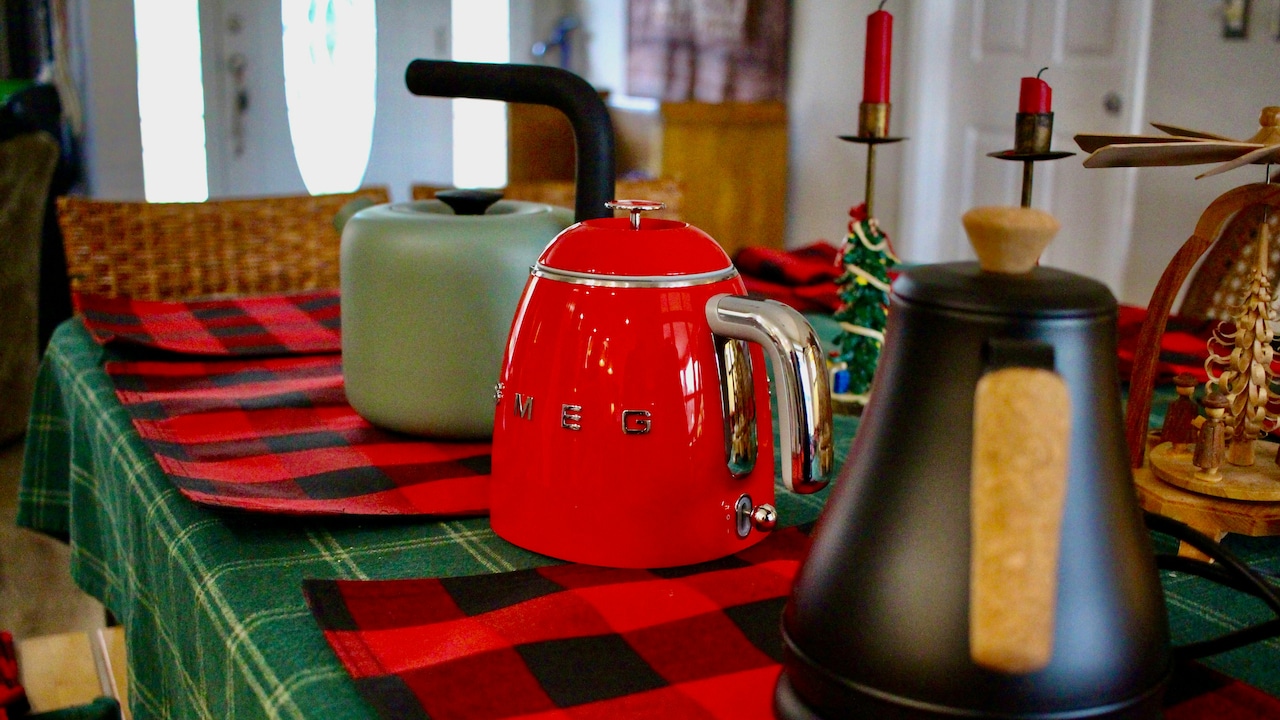
Electric Kettle Limescale Explained: Causes, Effects and Simple Fixes; Photo Credit: Pexels
Preventing Future Build-Up
Cleaning the kettle is only half the solution. Preventing limescale from forming quickly in the first place makes life much easier. Small changes in daily habits can slow down the process significantly.
Using filtered water helps reduce mineral content. Emptying the kettle after use prevents water from sitting and leaving behind deposits. Regular light cleaning stops scale from hardening into stubborn layers.
Even a quick rinse every few days can make a difference. Prevention does not require effort; it simply requires consistency. Over time, these habits keep the kettle looking and functioning better for longer.
When To Clean And How Often
Many people wait until the kettle looks visibly dirty before cleaning it. By that point, the limescale has already built up significantly. A better approach is to clean it regularly, even when it appears fine.
For households that use the kettle daily, a light clean every two to three weeks works well. In areas with very hard water, weekly cleaning may be more effective. The goal is to remove deposits before they become thick and stubborn.
Regular maintenance keeps the kettle efficient, improves taste, and reduces the need for heavy cleaning sessions. It turns a frustrating task into a simple routine that barely takes any time.
Products Related To This Article
1. Chefman Electric Kettle
2. wipro ABS Elato BK 213 Cool Touch Electric Kettle
3. MASSIVA 8-in-1 Multi Purpose Electric Kettle with Steamer
4. Wipro Elato BK214 1.8 litre Glass LED electric Kettle
5. AGARO Esteem Electric Multipurpose Kettle 1.2L
That white deposit inside the electric kettle is not a sign of neglect or poor quality. It is simply the result of minerals reacting to heat, something that happens in countless homes every day. What feels like a sudden problem is actually a gradual build-up that finally becomes visible.
The reassuring part is how easy it is to fix. A splash of vinegar or a squeeze of lemon can restore the kettle in minutes. No expensive solutions, no complicated steps, just a straightforward method that works.
With a few mindful habits, the build-up can also be slowed down significantly. Fresh water, regular cleaning, and occasional care go a long way. The kettle continues to hum, the chai tastes just right, and the morning routine stays uninterrupted. Sometimes, the simplest problems have the simplest solutions.
(Disclaimer: This article may include references to or features of products and services made available through affiliate marketing campaigns. NDTV Convergence Limited (“NDTV”) strives to maintain editorial independence while participating in such campaigns. NDTV does not assume responsibility for the performance or claims of any featured products or services.)