Top 10 Reasons Why Your Air Cooler Is Not Cooling Enough Even In Peak Summer
Struggling with an air cooler that barely cools in peak summer? From low water levels to poor ventilation, discover common reasons behind weak cooling, and simple fixes that can bring back the chill.
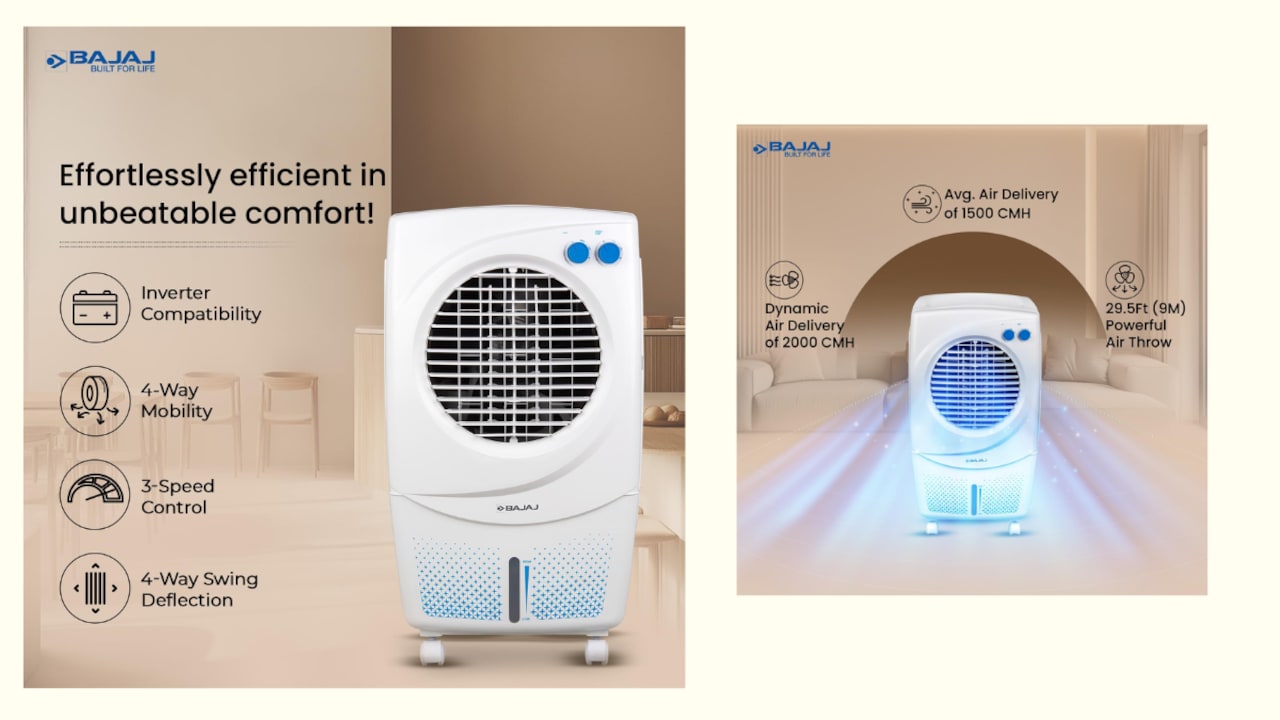
Here's how you can fix an air cooler that isn't cooling properly
Summer arrives with a certain drama, scorching afternoons, restless nights, and that constant search for relief. Air coolers often feel like the most sensible companion during this season. They are affordable, energy-efficient, and familiar in many homes. Yet, there comes a time when even the loyal cooler starts blowing air that feels warmer than refreshing.
How to fix an air cooler that does not work properly; Photo Credit: Amazon
The immediate reaction often involves tapping the machine, refilling water, or turning the knob to maximum. Sometimes that works. More often, it doesn't. The problem rarely lies in just one factor. Cooling efficiency depends on several elements: maintenance, surroundings, usage habits, and even the type of cooler.
Understanding these reasons can save both money and patience. Instead of rushing to replace the unit or spending ₹10,000–₹15,000 on a new one, a few smart adjustments might restore comfort. Let's explore the common culprits behind poor cooling and how they quietly affect performance.
Also Read: Summer Cooling Sorted: Explore 5 Air Coolers Under ₹15,000 For Daily Comfort
Common Reasons Behind Poor Air Cooler Performance
Insufficient Water Level
Water is the lifeline of any air cooler. Without enough water, the cooling pads cannot function effectively, and the air remains warm. It may sound obvious, yet this is one of the most overlooked issues. Busy routines or long power cuts often leave the tank running low without notice.
A half-filled tank might still run the fan, giving the illusion that everything is working fine. However, the cooling mechanism depends on water saturation. When levels drop, the air passing through the pads lacks that refreshing chill.
Regular checks help avoid this situation. During peak summer, water evaporates quickly, especially in dry regions. Topping up once or twice a day becomes necessary. Some modern coolers come with water level indicators, but older models rely on manual checking.
Adding chilled water or ice can provide temporary relief, especially during heatwaves. Still, consistency matters more than quick fixes. A well-maintained water level ensures steady cooling rather than occasional bursts of comfort.
Dirty Or Clogged Cooling Pads
Cooling pads play a central role in bringing down the temperature. Over time, dust, dirt, and mineral deposits settle into these pads, reducing their ability to absorb and release moisture effectively.
A cooler with clogged pads struggles to circulate cool air. Instead, it pushes out stale, slightly damp air that feels uncomfortable. This often happens towards the middle or end of summer when usage peaks.
Cleaning or replacing pads makes a noticeable difference. Honeycomb pads usually last longer than traditional grass pads, but still need regular maintenance. If water contains high mineral content, deposits build up faster, making cleaning even more essential.
Ignoring this issue leads to poor airflow and even unpleasant odours. A simple rinse every few weeks, along with a seasonal replacement if needed, can restore the cooler's efficiency. Clean pads do more than cool, they improve air quality inside the room.
Poor Ventilation In The Room
Air coolers thrive on airflow. Unlike air conditioners, they need proper ventilation to work effectively. When placed in a closed room, the cooler recirculates humid air, making the space feel sticky rather than cool.
Opening a window or door allows fresh air to circulate and push out humidity. This creates a natural cooling cycle. Without it, the cooler struggles, no matter how powerful it is.
Many households make the mistake of sealing the room completely, expecting better cooling. Ironically, this does the opposite. The cooler ends up working harder without delivering results.
Positioning also matters. Placing the cooler near a window helps draw in fresh air. Even a small opening can significantly improve performance. The difference becomes noticeable within minutes: cooler air, better circulation, and a more comfortable atmosphere.
High Humidity Levels
Humidity is the silent enemy of air coolers. These devices work best in dry climates, where water evaporation happens quickly. When the air is already heavy with moisture, evaporation slows down, reducing cooling efficiency.
During monsoon-like conditions or in coastal areas, this becomes a common issue. The cooler might run continuously, but still fail to deliver relief. The air feels damp rather than refreshing.
Switching to fan mode during extremely humid days can sometimes help. It avoids adding extra moisture to the air. Alternatively, reducing water flow slightly may improve comfort.
Understanding this limitation prevents unnecessary frustration. The cooler is not malfunctioning; it is simply reacting to environmental conditions. Choosing the right cooling method based on the weather makes all the difference.
Incorrect Cooler Size For The Room
Size matters more than most people realise. A small cooler in a large room struggles to maintain temperature, no matter how long it runs. Conversely, an oversized cooler in a tiny space may create excessive humidity.
Matching the cooler's capacity with the room size ensures optimal performance. Manufacturers usually provide guidelines, but these are often ignored during purchase.
For example, a compact cooler may suit a small bedroom but fail in a spacious living area. The result is uneven cooling and wasted energy.
Upgrading to the right size can transform the experience. It may involve an initial investment, but the long-term comfort justifies the cost. Proper sizing ensures consistent cooling rather than constant adjustments.

Your air cooler may not be of the right size for the room; Photo Credit: Amazon
Blocked Airflow Or Obstructions
Airflow needs a clear path. Furniture, curtains, or even walls placed too close to the cooler can block the movement of air. This reduces the reach and effectiveness of cooling.
A cooler tucked into a corner may look neat, but it often performs poorly. The air circulates within a limited area instead of spreading across the room.
Repositioning the cooler can solve this instantly. Keeping it in an open space allows air to travel freely. Even minor adjustments, like shifting a chair or pulling back curtains, can improve airflow.
Observing how air moves in the room helps identify these obstacles. Once cleared, the cooler can perform at its full potential, delivering noticeable comfort.
Faulty Pump Or Motor Issues
Mechanical components also play a role in cooling efficiency. The water pump ensures that pads remain wet. If it malfunctions, the pads dry out, and cooling drops significantly.
Similarly, issues with the fan motor can reduce airflow. A slower fan fails to push cool air effectively, making the room feel warmer than expected.
Unusual noises, inconsistent airflow, or dry pads often indicate such problems. Regular servicing helps detect these issues early.
Repair costs usually remain reasonable, often between ₹500 and ₹2,000, depending on the problem. Addressing these faults promptly prevents further damage and restores performance quickly.
Using Hard Water
Water quality often goes unnoticed, yet it affects the cooler over time. Hard water contains minerals that accumulate on cooling pads and internal components.
These deposits reduce efficiency and clog the system. Over time, they can even damage the pump.
Using filtered or softer water helps maintain performance. Regular cleaning also prevents buildup. In areas with particularly hard water, adding a simple water softener can extend the cooler's lifespan.
This small change ensures smoother operation and better cooling, especially during prolonged use.
Lack Of Regular Maintenance
Like any appliance, an air cooler needs care. Dust accumulation, neglected cleaning, and irregular servicing gradually reduce efficiency.
A cooler that worked perfectly last summer may struggle this year simply due to a lack of upkeep. Pre-season cleaning prepares it for heavy use. Mid-season checks ensure consistent performance.
Maintenance does not have to be complicated. Cleaning the tank, checking pads, and inspecting components once every few weeks can keep the cooler running smoothly.
Skipping these steps often leads to bigger issues later. A little effort now saves both discomfort and repair costs.
Extreme Heat Conditions
Sometimes, the simplest explanation is the hardest to accept; the heat is just too intense. During peak summer, temperatures soar beyond what air coolers can handle efficiently.
Unlike air conditioners, coolers rely on evaporation. When temperatures rise excessively, the cooling effect becomes limited.
In such situations, combining methods can help. Using ceiling fans alongside the cooler improves air circulation. Keeping rooms shaded and avoiding heat-generating appliances during the day also makes a difference.
Understanding this limitation helps set realistic expectations. The cooler still provides relief, even if it cannot match extreme conditions.
Products Related To This Article
1. Bajaj PX 97 Torque New 36L Personal Air Cooler For Room
2. Orient Electric Tornado 88L Desert Air Cooler for home
3. Crompton Ozone Neo Desert Air Cooler 95L
4. Cadlec StormAir 100L Desert Air Cooler
5. Voltas Magic air 85, with Swing Control (85 Litre Capacity
An air cooler that fails to cool can quickly turn summer into a test of patience. Yet, the problem rarely demands drastic solutions. More often, it comes down to simple factors, such as water levels, maintenance, airflow, or environmental conditions.
Paying attention to these details can restore comfort without major expenses. Instead of replacing the unit or enduring discomfort, small adjustments can make a noticeable difference.
Summer may be intense, but a well-functioning cooler can still offer that much-needed escape from the heat. Sometimes, all it takes is a closer look and a little care to bring back the breeze that makes the season bearable.
(Disclaimer: This article may include references to or features of products and services made available through affiliate marketing campaigns. NDTV Convergence Limited (“NDTV”) strives to maintain editorial independence while participating in such campaigns. NDTV does not assume responsibility for the performance or claims of any featured products or services.)