How To Shape Your Beard After No-Shave November Ends?
Wondering how to shape your beard after No-Shave November? Learn how to trim uneven growth, define your neckline and cheeks, and maintain a neat beard.

How To Shape Your Beard After No-Shave November Ends?
No-Shave November gives you a chance to let your beard grow freely. A whole month without trimming, the facial razor left in a drawer, and you get to watch your facial hair grow the way it naturally wants to. Then December arrives, and the mirror shows something slightly different from what you pictured. A few patches have filled in nicely, others are sparse, and the overall look is uneven. Finding the neckline is a bit of a challenge, and the cheeks carry stray hairs pointing in every direction. None of this is unusual after several weeks without a trim. So what now? Most people at this stage want a proper shape but would rather not lose everything they have grown. Beard shaping handles exactly that. You are not trying to strip the beard down or change your face overnight. A handful of careful trimming steps will tidy the edges, bring the length under control, and make the whole thing look more balanced. Even if you have never groomed a beard before, you can do these steps at home.
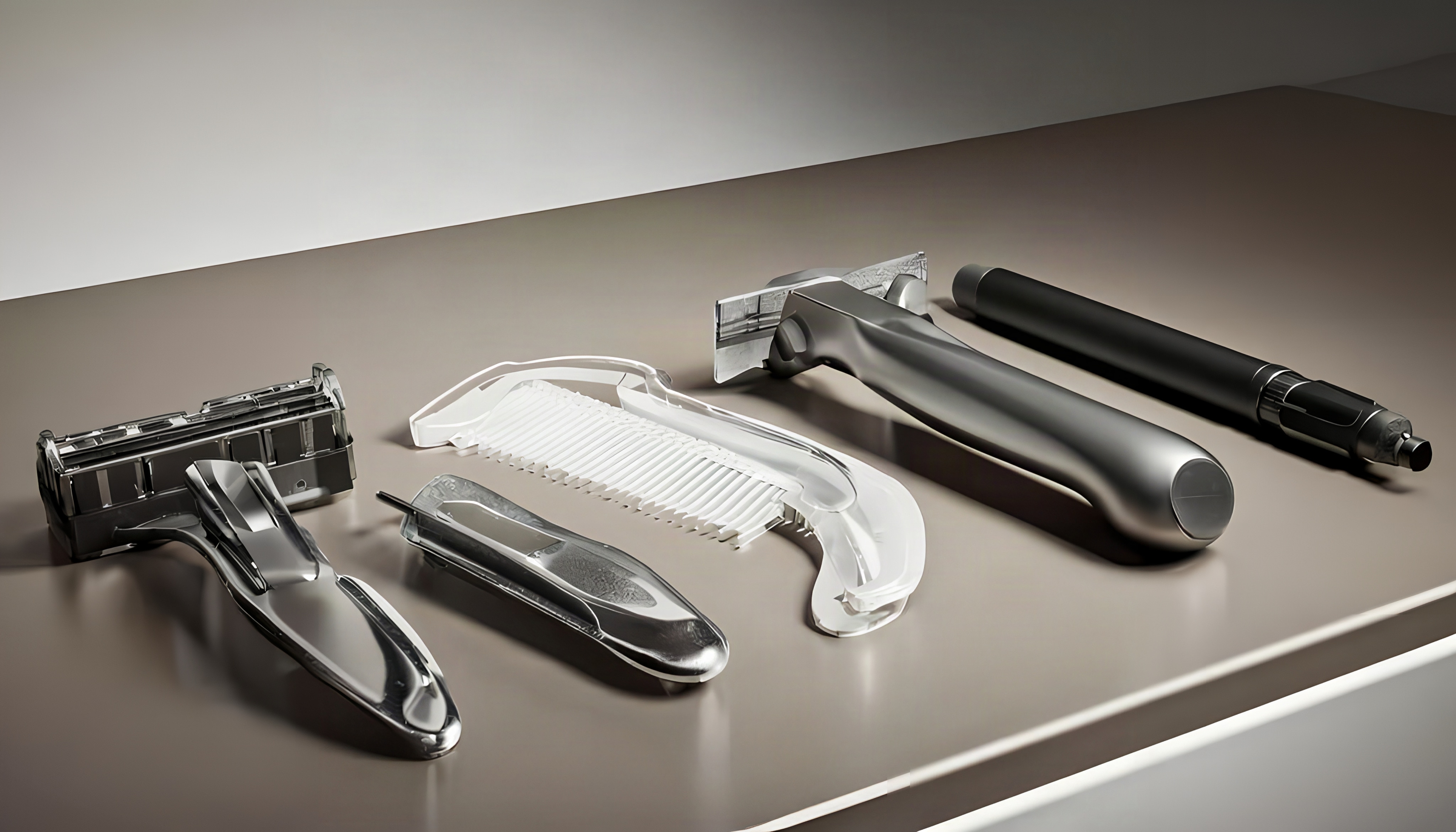
Why Should You Shape Your Beard After No-Shave November?; Photo Credit: iStock
Why Should You Shape Your Beard After No-Shave November?
Growing your beard freely for a month will help you understand its thickness and how the hair grows naturally. But longer facial hair does not mean that the beard is well-shaped and well-kept.
Trimming after November will help you remove the unnecessary hair growth and make your beard look neat. Moreover, it will make further grooming easier because you will have a shape to keep.
Also Read: 5 Best Beard Balms That Tame A Month-Long Beard Under ₹3,000
How To Prepare Your Beard Before Trimming
Do not start trimming your beard without knowing how it grows. Otherwise, you risk having trimmed much more than you wanted.
1. Wash And Dry Your Beard Properly
Start by washing your beard with some beard shampoo or cleanser. This will get rid of dirt, sweat, and excess oil that could accumulate during this month.
Pat it dry with a towel and let it settle. You should not trim a wet beard since the wet hair will be longer and behave differently from your facial hair.
2. Comb Your Beard In Its Natural Direction
Take a beard comb and detangle the hair before trimming. Run it down along your cheeks and chin in the natural direction of growth.
It will help you understand the places where the hair grows longer and make it easier to see if some hairs need to be trimmed.
Steps To Shape Your Beard After No-Shave November
Once you have prepared your beard for trimming, you can proceed with shaping it. Take your time doing it since you are trimming your beard for the first time.
1. Choose A Length Before Using The Trimmer
Do not immediately set the shortest length on your trimmer. First, decide whether you want to keep a full beard, a medium-length beard, or something shorter.
Use the trimmer with the longest guard to cut excess hair length first. You can make it shorter later, but regrowing hair that you do not need will take time.
2. Define Your Neckline
The neckline is one of the most important parts of beard shaping. If it sits too high, your beard may look unnaturally short. When the neckline is set too low, the hair beneath your chin can give your beard an untidy appearance.
A useful starting point is approximately two fingers above your Adam's apple. Imagine a gentle curved line running from one side of your jaw to the other, and remove the hair below it carefully.
3. Clean Up Your Cheek Lines
Your cheek lines help determine how neat your beard looks. After a month of uninterrupted growth, you may notice stray hairs extending towards your cheekbones.
Use your precision trimmer to get rid of these uncontrolled hairs. Try to stick to your natural cheek lines and avoid creating sharp edges.
4. Trim Your Moustache Separately
Your moustache may have grown over your upper lip during November, making it uncomfortable while eating or drinking. Comb the hair downwards and carefully trim the strands that cover your lip.
Try not to cut too much from the sides. Having a little length on the sides of your mouth will help your moustache blend into the beard.
How To Maintain Your Beard After Shaping
Trimming and giving your beard some shape is just half the work. You should take care of it regularly to maintain this appearance, especially during the dry winter months.
1. Use Beard Oil To Manage Dryness
Longer beard hair can turn rough and hard to manage. A few drops of beard oil soften it and make combing much easier.
Spread it evenly through the beard and reach the skin underneath too. Keep the amount small, as too much oil leaves the beard looking greasy.
2. Keep Your Beard Edges Maintained
You don't need to trim your entire beard every few days. Instead, pay attention to the neckline, cheek lines and moustache whenever stray hairs start becoming noticeable.
A quick cleanup once or twice a week may be enough, depending on how quickly your facial hair grows. Avoid repeatedly changing the shape because consistency makes maintenance easier.
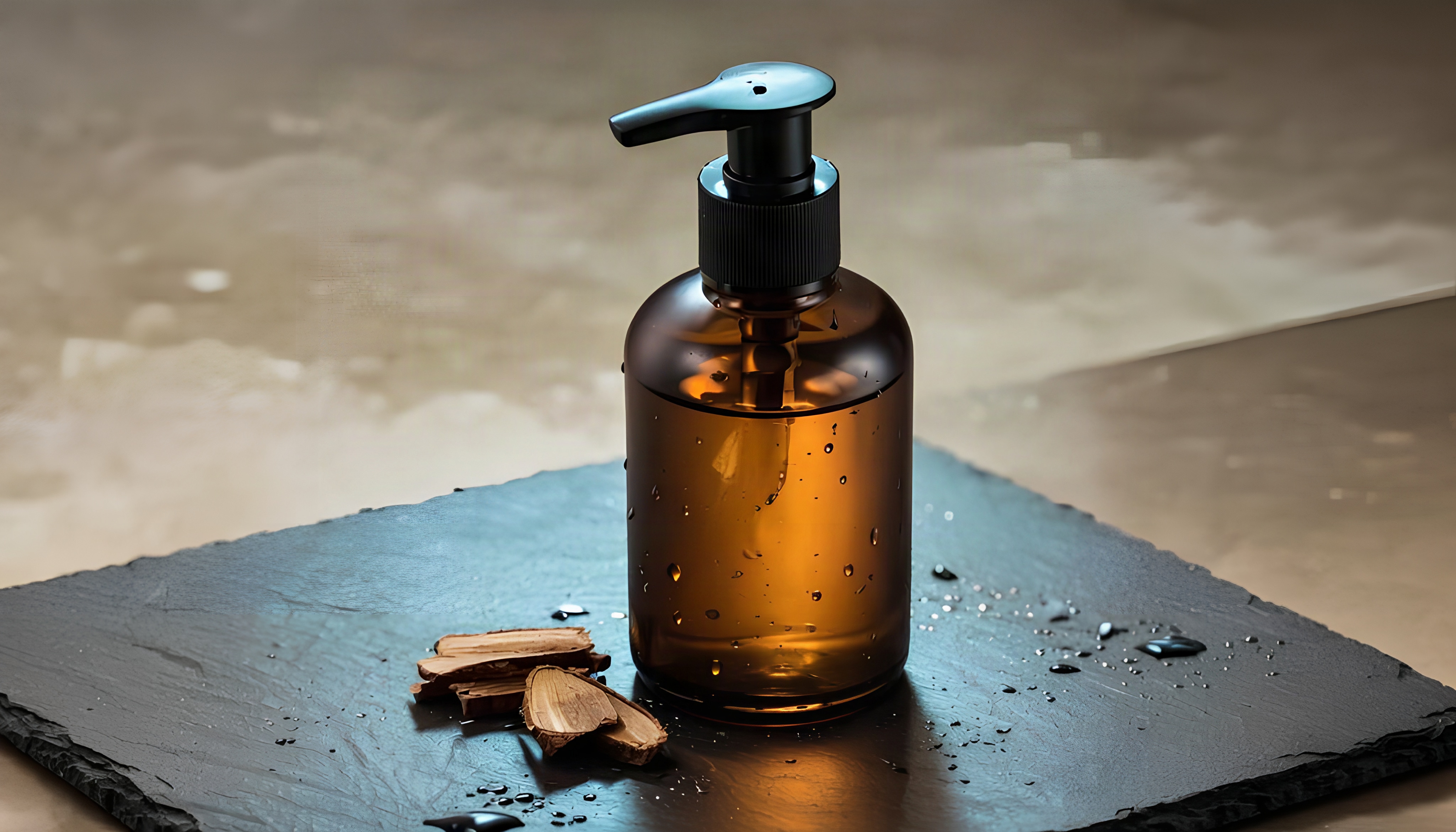
Some Beard Grooming Products You May Like; Photo Credit: iStock
Some Beard Grooming Products You May Like
1. Fully Beard Shaper Tool
2. Beardo Beard Styling Tool & Beard Shaping Gel
3. RUBAB MEN Pro Metal Razor for Beard Shaping
4. BEARD LOVE Shaping & Styling Tool
5. VREENY Beard Shaper Tool
6. LetsShave Pro Styler for Men's Beard
7. As an Always Beard Shaper
8. Lifesy Nutra Beard Shaper Tool
As No-Shave November ends, shaping your beard is about clean lines, balanced length, and healthy growth. Trim stray hairs, define your neckline and cheeks, and moisturize regularly. With the right tools and routine, you can turn a month of growth into a sharp, confident look that suits your face perfectly. Shop now on Amazon.
Frequently Asked Questions (FAQs)
1. How long should you wait before shaping your beard after No-Shave November?
There is no need to wait. Once November ends, you can begin. Wash and comb the beard first, then settle on how much length to keep before the trimmer comes out.
2. Should you trim your beard when it is wet or dry?
Dry is usually the better choice. Wet hair looks longer than it is, and that can lead you to cut off more than you planned.
3. How often should you shape your beard?
For many men, a light cleanup once or twice a week does the job. How fast your beard grows and the style you prefer will decide the real frequency.
4. How do you fix an uneven beard after No-Shave November?
Start by combing the beard in its natural direction and noting where the extra length is. Trim those sections a little at a time, and leave the rest of the beard alone.
5. Can you shape your beard at home without visiting a barber?
Yes. A decent trimmer, a comb and a pair of scissors cover the basics. For a completely new style, though, a barber can set the initial shape, and you can maintain it at home afterwards.
(Disclaimer: This article may include references to or features of products and services made available through affiliate marketing campaigns. NDTV Convergence Limited (“NDTV”) strives to maintain editorial independence while participating in such campaigns. NDTV does not assume responsibility for the performance or claims of any featured products or services.)