How To Use A Glucometer Correctly At Home
Learn how to use a glucometer correctly at home with simple steps, common mistakes to avoid, and helpful tips for getting accurate readings every time you test.
How To Use A Glucometer Correctly At Home
A glucometer is a small device but has a big role in diabetes management. A simple finger prick can tell you how your food, medications and daily routine are affecting your blood sugar. The trick is you get out of it what you put into the way you take it. A dirty finger, an old strip, a rushed test. All can mess with the number. Small habits here can make a big difference. Follow these simple steps to make sure you're using your glucometer correctly at home and can trust what you see on the screen.
What You Need Before You Test
Photo Credit: iStock
Remember before you start, every metre is a little different. Always start with your device manual and your doctor/diabetes nurse. This guide covers the basics for most meters and the small mistakes people don't know they're making. If your readings ever seem strange, or you feel unwell, don't wait for the next test. Call your health care team right away. You can get some glucometers from Amazon.
What You Need Before You Test:
A little planning can be very effective. Keep everything in one place so you are not searching for supplies with a freshly pricked finger.
1. Gather Your Supplies
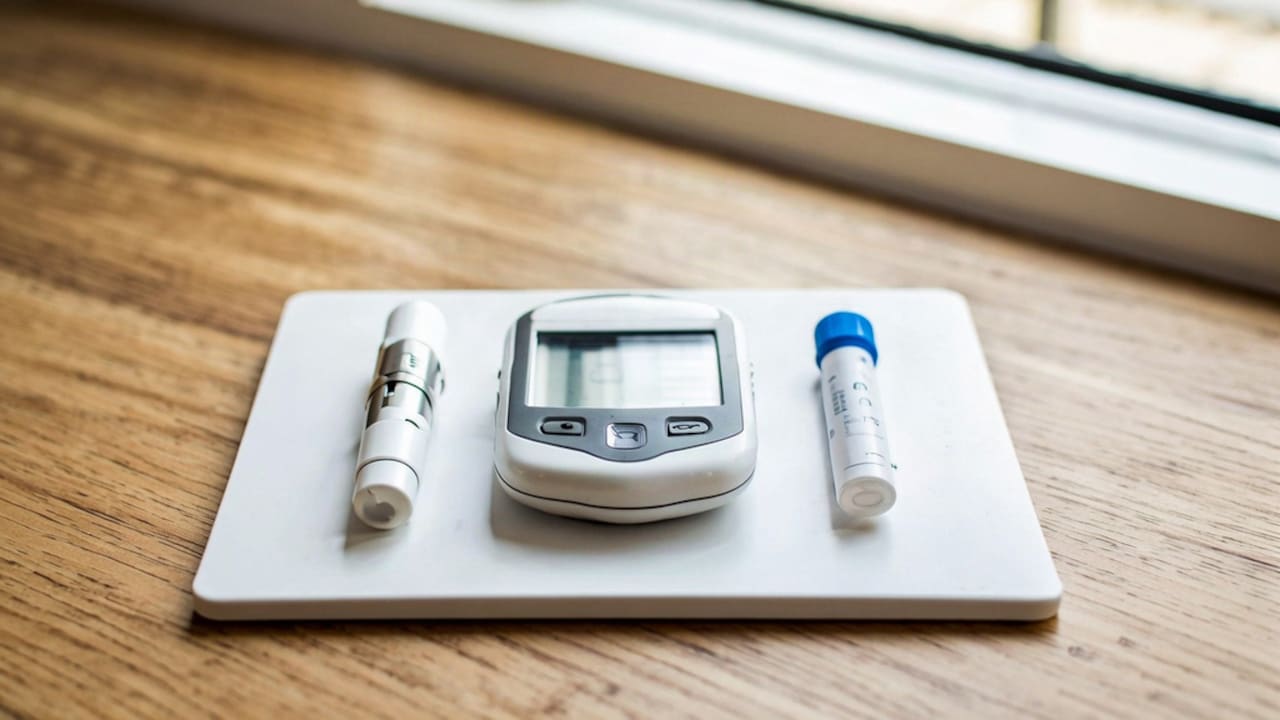
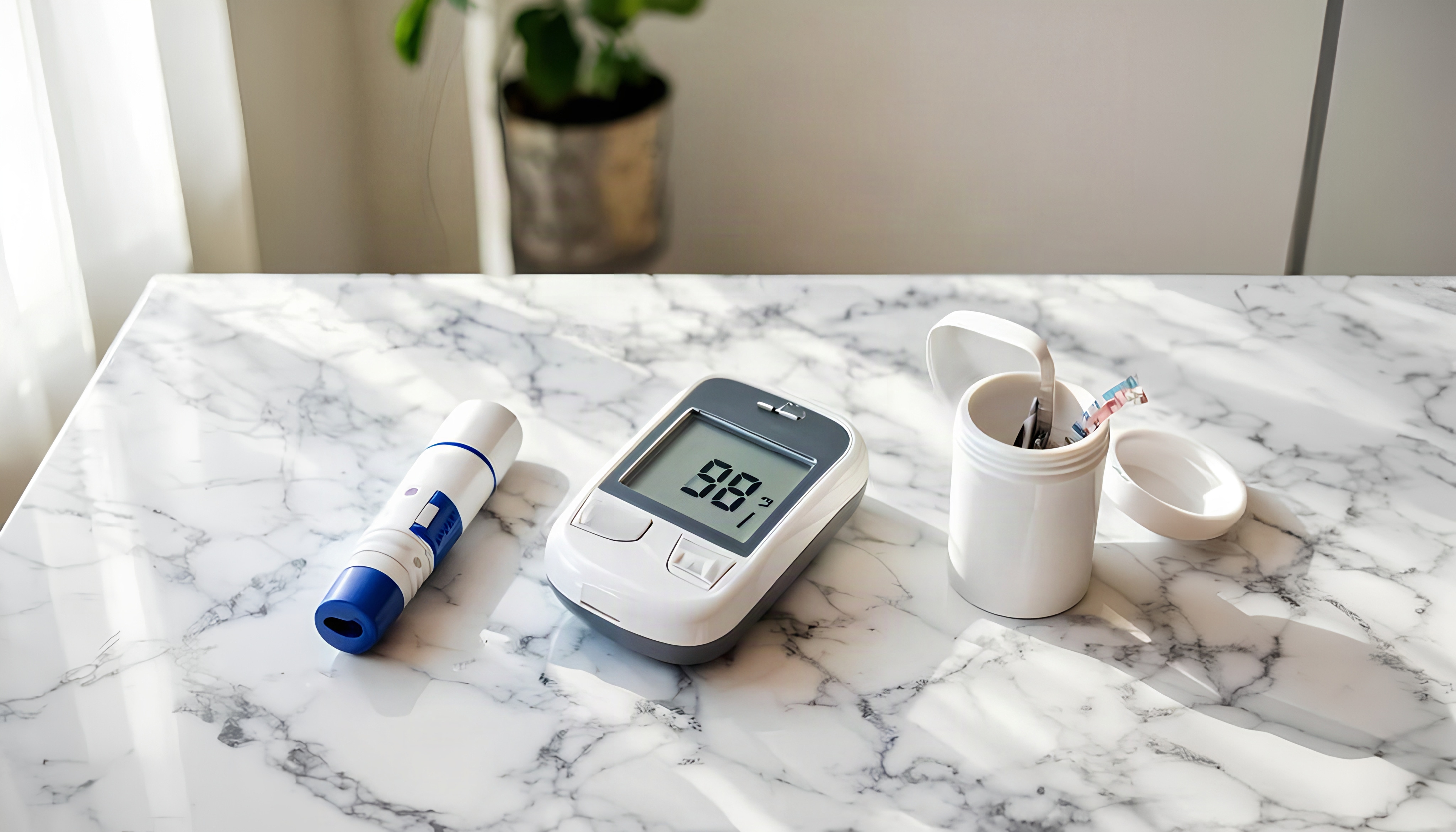
You'll need a glucometer, the correct test strips for your model, a lancelling device and fresh lancets, and a small sharps container. A logbook or a phone app helps, too. All in one bag, so it's clean and ready to use.
2. Check Your Strips And Meter
Check the strip vial for its expiry date before opening it. Some meters require you to match a code on the vial to a code on the screen, so check that as well. Keep at room temperature, as extreme heat, cold or dampness can also upset a meter.
How To Use A Glucometer Step By Step:
Step 1: Wash And Dry Your Hands
Wash your hands with soap and warm water and dry them thoroughly. Warm water helps blood to flow to the fingertip. Anything sweet or food in general will make your reading higher than it actually is.
Step 2: Prepare The Lancing Device And Strip
Load the lancelling device with a new lancet and set the depth. Start low, and only go deeper if you can't get enough blood. Then insert a new test strip into the meter and wait for it to indicate that it is ready.
Step 3: Prick The Side Of Your Fingertip
Use the side of the fingertip, not the soft pad, because that hurts less. Keep rotating your fingers so that no one spot becomes sore. Press the device to the skin, click the button and let a small drop appear.
Step 4: Apply The Blood And Read The Result
Touch the edge of the strip to the drop and let it suck the blood in by itself. Hold still until the meter beeps. You get your result in seconds. Watch for the number, the time, and if it was before or after a meal.
Common Mistakes That Give Wrong Readings:
1. Using Expired Or Badly Stored Strips
Old strips, strips which are left open, or strips stored in a hot bathroom can give you inaccurate numbers. Take one out and keep the vial tightly closed according to the leaflet. Never reuse a strip.
2. Testing With Damp Or Sticky Fingers
Water can thin the drop, while sugar, hand cream or fruit juice can improve the result. Clean, dry hands will give you a more honest number.
3. Squeezing The Finger Too Hard
Squeezing the blood out can mix it with other body fluid and change the reading. If the drop is too small, wash your hands in warm water, let your hand hang for a moment, and then try again with a new strip.
Also Read: 5 Best Continuous Glucose Monitors for Real-Time Sugar Tracking Under ₹18,000
What To Do After You Test:
When the number comes up, the job is not done. Two small habits are just as important.
1. Record Your Readings
Record each result with date and time. Write a few words about meals, exercise or sickness. These notes show patterns over a few weeks, and your doctor can use them to adjust your plan. Do not change your medicines yourself based on one number.
2. Dispose Of Lancets Safely
Do not put used lancets loose in the bin, but in a sharps container. Never share your lancing device or meter with anyone, not even close family. Rules for used strips vary by area, so check with your pharmacy or clinic.
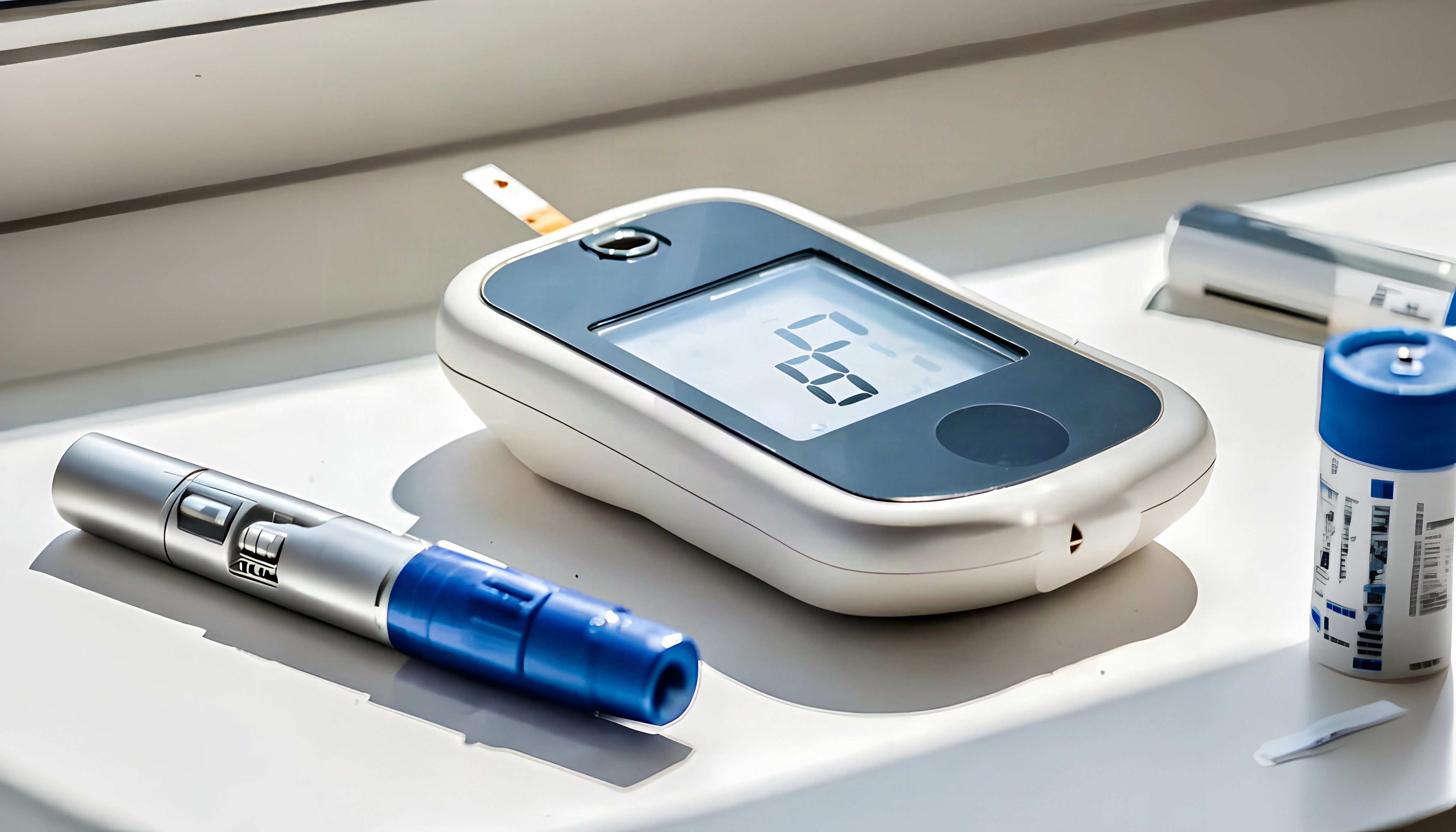
Some Products You May Like:
Photo Credit: iStock
Some Products You May Like:
1. Dr Morepen BG-03 Gluco One Glucometer Combo
2. Accu-Chek Instant S Blood Glucose Glucometer Kit
3. Dr Trust Fully Automatic Blood Sugar Testing Glucometer
4. AGARO Glucometer
5. BeatO Smart Glucometer
6. Control D Blue Glucose Blood Sugar Testing Machine
7. ARKRAY Glucocard G+ Advance Glucometer Kit
8. BPL Medical Technologies Gluco Monitoring Device Kit
Using a glucometer correctly at home is a simple yet essential step in managing your blood sugar levels effectively. By washing your hands, using the test strips properly, and following the device instructions carefully, you can get accurate readings that help you make informed decisions about your diet, medication, and lifestyle. Regular monitoring also allows you to spot unusual changes early and discuss them with your healthcare provider. With consistent practice, using a glucometer becomes a quick daily habit that supports better diabetes management and overall well-being.
Frequently Asked Questions (FAQs):
1. How often should I test my blood sugar at home?
It depends on your type of diabetes, your treatment and your doctor's advice. Some people test several times a day, while others test less often. Follow the schedule your healthcare team gives you.
2. Can I use a glucometer if I do not have diabetes?
You can, but a home meter is not a diagnostic tool. If you are worried about symptoms or a family history, book a proper lab test with your doctor.
3. Why do two tests in a row show different numbers?
Small differences are normal, as meters allow a margin of error. Bigger gaps usually point to dirty fingers, a poor drop or old strips. Wash your hands and test again with a fresh strip.
4. Which finger is best for testing?
Most people use the middle or ring finger on the side of the tip. The main thing is to avoid pricking the same spot every time.
5. When should I speak to a doctor?
Get medical help if your readings stay far above or below your target, or if you feel shaky, sweaty, confused or very thirsty. Do not wait for the next scheduled test. Shop now on Amazon.
(Disclaimer: This article may include references to or features of products and services made available through affiliate marketing campaigns. NDTV Convergence Limited (“NDTV”) strives to maintain editorial independence while participating in such campaigns. NDTV does not assume responsibility for the performance or claims of any featured products or services.)