Induction Cooktop Not Detecting Utensils? Cookware Compatibility Guide And Troubleshooting Tips Explained
Induction cooktop not detecting utensils? Learn why cookware compatibility, pan size, placement, and power supply affect performance, plus easy troubleshooting tips.

Induction Cooktop Not Detecting Utensils? Here Are The Causes, Easy Fixes, And Compatible Cookware.
Induction cooktops have earned a loyal following. They heat fast, save energy, and keep kitchens cooler compared to traditional gas stoves. Many households have made the switch, drawn by efficiency and the promise of safer cooking. Yet, this sleek appliance comes with one common complaint: the cooktop refuses to detect the utensil. This issue often appears without warning. A pot that worked yesterday suddenly fails today. A new pan looks perfect, but triggers an error beep. Understanding the reason behind this problem makes all the difference. Induction technology relies on science, not flames. That means cookware choice, placement, and even power supply matter more than expected.
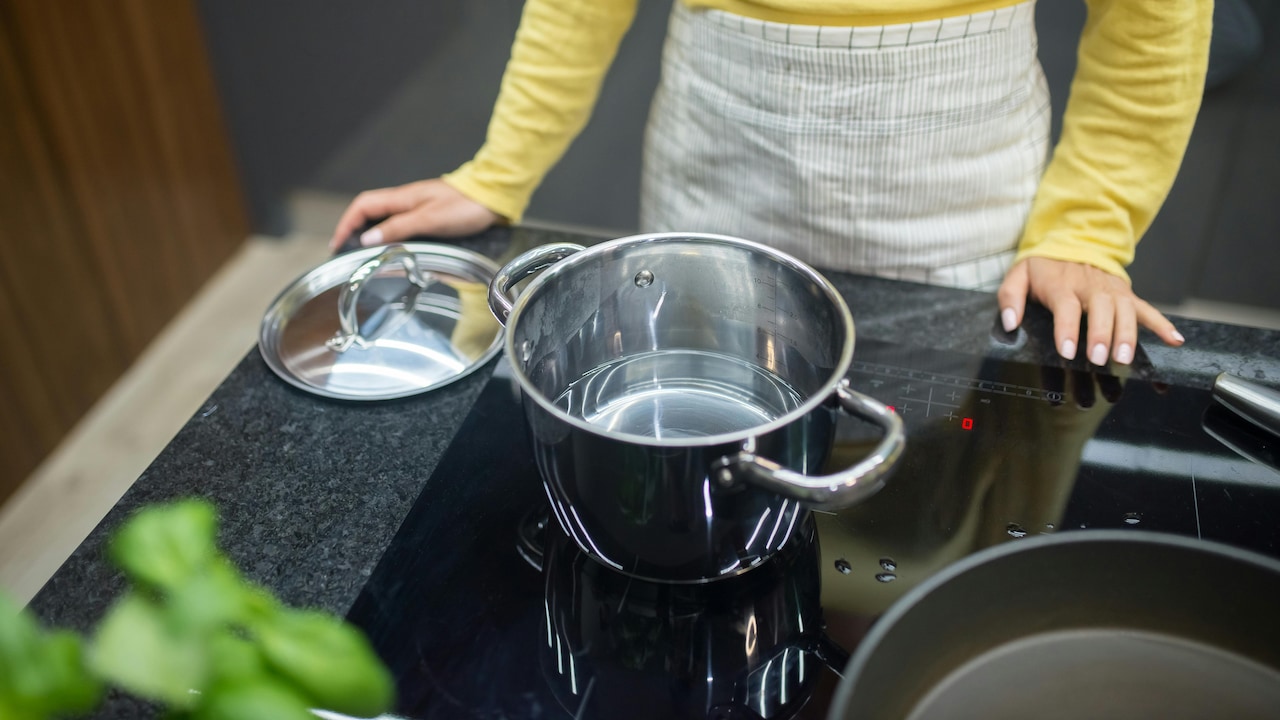
Here's how you can fix the induction cooktop not detecting utensils; Photo Credit: Pexels
Induction cooktops may not detect utensils if pans lack magnetic bases, have warped bottoms, or are too small. You should check cookware compatibility, center the pot, and clean sensors for reliable heating.
Also Read: Cook Smart: 5 Best-Selling Induction Cooktops For Every Indian Kitchen
How Cookware, Placement And Power Influence Induction Cooking
1. How Induction Cooktops Detect Utensils
Induction cooktops work differently from gas or electric stoves. Instead of heating the surface, they generate a magnetic field that heats the cookware directly. This process begins only when the cooktop senses compatible material.
The cooktop checks for ferromagnetic properties in the utensil base. When the magnetic field interacts with iron or steel, heat forms instantly. Without this reaction, the cooktop stays inactive. This safety feature prevents wasted energy and accidental burns.
Problems arise when the utensil lacks sufficient magnetic content. Aluminium, copper, and glass may look sturdy, but they fail this magnetic test. Even some stainless steel cookware causes confusion if it contains low iron content.
Understanding this basic principle clears much of the mystery. The cooktop does not malfunction in most cases. It simply refuses to work with unsuitable cookware. Recognising this saves time, money, and a fair bit of kitchen frustration.
2. Cookware Materials That Truly Work
Choosing the right cookware remains the most crucial factor. Cast iron ranks at the top of the compatibility list. It responds quickly, distributes heat evenly, and lasts for years. Carbon steel also performs well and suits everyday cooking needs.
Stainless steel works only when it includes a magnetic base. Many modern utensils advertise “induction compatible” on the packaging. That label matters. Without it, the cooktop may not detect the pan consistently.
Non-stick pans pose another challenge. Some feature induction-friendly bases bonded underneath. Others lack this layer, making them unreliable. Checking with a simple magnet test helps. If the magnet sticks firmly to the base, the pan should work.
Buying new cookware feels like an investment. Prices range from ₹1,500 for basic pans to ₹6,000 or more for premium sets. Spending wisely on compatible utensils avoids repeated replacements and daily inconvenience.
3. The Role of Pan Size and Shape
Pan size influences detection more than many realise. Induction cooktops contain sensors designed to recognise a minimum surface area. When the pan base remains too small, the cooktop fails to activate.
Using a small tadka pan on a large cooking zone often triggers this issue. The magnetic field does not engage fully, leading to error signals. Flat bases matter too. Warped or rounded bottoms reduce contact with the surface.
Shape also plays a subtle role. Flat, wide bases distribute heat better and improve detection. Deep, narrow vessels may heat unevenly or fail altogether.
Matching pan size with the correct cooking zone solves many problems. Some cooktops include flexible zones that adapt automatically. Others require manual selection. A little attention during placement ensures smoother cooking and fewer interruptions.
4. Why Old Utensils Stop Working Suddenly
Many kitchens hold trusted utensils used for years. One day, these familiar pans stop working on induction cooktops. This change often surprises cooks.
Wear and tear offer one explanation. Repeated heating causes warping over time. Even slight deformation reduces contact with the cooktop surface. Scratches and dents also interfere with magnetic interaction.
Another reason involves layered cookware. Some utensils feature bonded bases that loosen or degrade with use. Once the magnetic layer weakens, detection becomes unreliable.
Cleaning habits matter as well. Harsh scrubbing damages the base. Storing heavy pots stacked together increases warping risks.
Replacing a favourite pan feels disappointing, especially after years of use. Yet, induction technology demands precision. Retiring worn utensils ensures consistent performance and safer cooking.
5. Common Error Codes and What They Mean
Modern induction cooktops communicate through error codes and symbols. These signals often confuse users but provide helpful clues.
A flashing “E0” or similar symbol usually indicates no utensil detected. This message appears when the pan lacks compatibility or proper placement. Removing and repositioning the pan often resolves it.
Overheating triggers another common alert. When cookware overheats or the cooktop vents get blocked, the system shuts down temporarily. Allowing it to cool restores function.
Voltage fluctuations also cause errors. In areas with an unstable power supply, induction cooktops remain sensitive. Using a voltage stabiliser helps prevent repeated disruptions.
Understanding these signals reduces anxiety. Instead of assuming a breakdown, users can respond calmly and fix the issue within minutes.
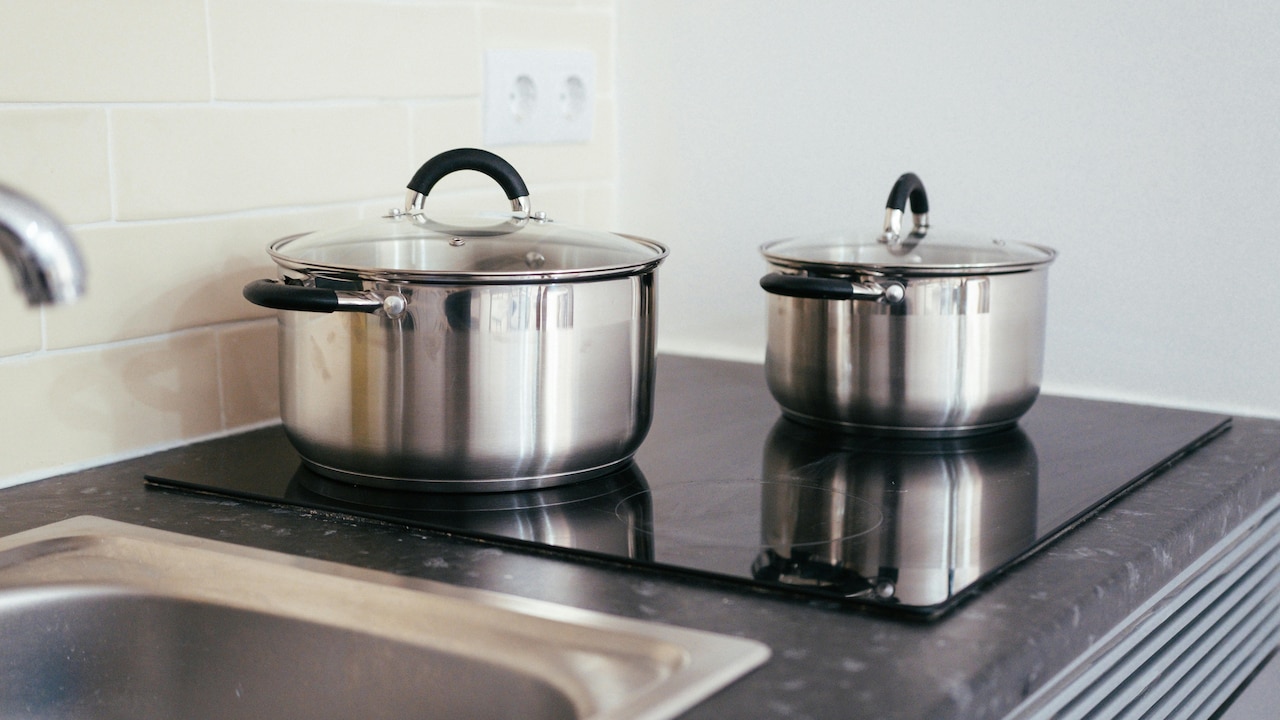
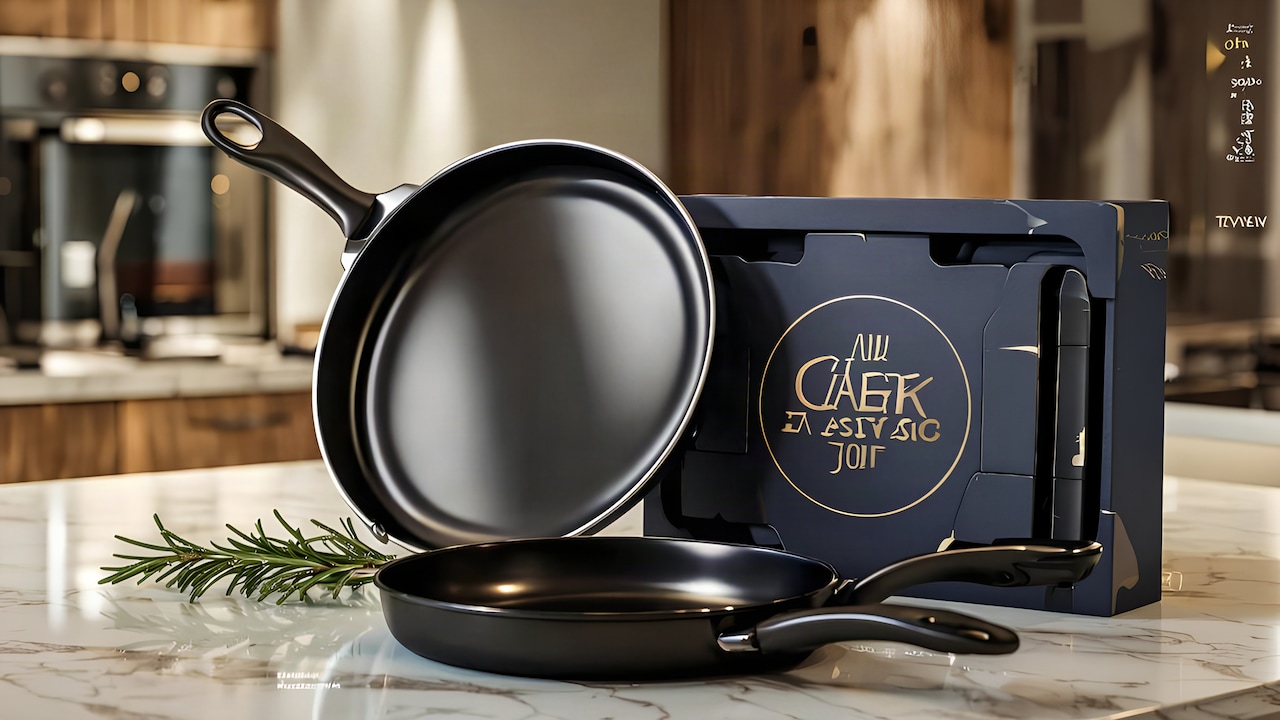
Always use the right utensil which is actually meant for the induction cooktop; Photo Credit: Pexels
6. Placement Mistakes That Disrupt Detection
Even compatible cookware fails when placed incorrectly. Centre placement matters more than expected. Shifting the pan slightly off-centre may break the magnetic connection.
Uneven surfaces cause trouble, too. Food spills, grease, or moisture between the pan and cooktop interfere with detection. A quick wipe before cooking makes a noticeable difference.
Stacking utensils or placing lids beneath pans also leads to errors. The cooktop expects direct contact with the utensil base. Any obstruction confuses the sensors.
These small mistakes often occur during rushed cooking. Taking a moment to align the pan properly saves time in the long run and keeps the cooking flow uninterrupted.
7. Power Supply and Electrical Factors
Induction cooktops rely heavily on stable electricity. Unlike gas stoves, they respond immediately to voltage changes. Low voltage prevents proper detection and heating.
Loose plug points or extension cords worsen the issue. Many cooktops require direct wall connections for optimal performance. Sharing sockets with heavy appliances strains the circuit.
Frequent power cuts also affect internal components over time. Installing a stabiliser priced around ₹2,000 offers protection and improves reliability.
Checking the power source often gets overlooked. Yet, addressing electrical issues resolves detection problems in many homes without touching the cookware at all.
8. Surface Cleanliness and Maintenance
Cleanliness affects more than appearance. A dirty cooktop surface interferes with heat transfer and utensil detection. Burnt spills and residue create uneven contact points.
Using abrasive cleaners damages the glass surface. Scratches disrupt sensor accuracy. Mild cleaners and soft cloths work best for daily maintenance.
Allowing the surface to cool before cleaning prevents cracks. Sudden temperature changes weaken the glass over time.
Regular maintenance extends the life of both the cooktop and the cookware. A clean surface ensures reliable detection and keeps the kitchen looking polished and inviting.
9. When Software Glitches Cause Trouble
Induction cooktops contain microprocessors that manage temperature and detection. Like any electronic device, they experience occasional glitches.
Sudden shutdowns, unresponsive buttons, or repeated detection errors signal software issues. Power cycling often helps. Switching off the cooktop, unplugging it, and waiting a few minutes resets the system.
Firmware updates rarely apply to basic models, but advanced units may require service centre assistance. Ignoring persistent glitches leads to bigger problems later.
Seeking professional help becomes necessary when resets fail. Timely servicing prevents costly repairs and restores full functionality.
10. Smart Buying Tips for Long-Term Peace
Avoiding detection issues starts at the store. Reading labels carefully matters. “Induction compatible” should appear clearly on cookware packaging.
Choosing flat-bottomed, medium-weight utensils offers the best balance. Extremely light pans heat unevenly, while very heavy ones strain the cooktop surface.
Buying cookware sets designed specifically for induction saves effort. Prices range widely, but mid-range options around ₹3,000–₹5,000 often deliver reliable performance.
Keeping receipts helps with warranty claims. Some cooktops reject specific cookware brands, and return options prove useful.
Smart choices upfront reduce daily frustrations and make induction cooking an enjoyable experience rather than a technical puzzle.
Products Related To This Article
1. Pigeon by Stovekraft Cruise 1800 watt Induction Cooktop With Crystal Glass
2. iBELL 20YO Induction Cooktop 2000 W Double
3. Hafele Magnechef Induction Cooktop
4. Glen 2200W Infrared Cooktop Stove with Steel Grill Rack Touch Control
5. Philips Viva Collection Hd4938
6. Longway Infralite Pro ICT 2200 W Infrared Induction Cooktop with Free Stainless Steel Grill
7. Cadlec CookXpert 2000W Induction Cooktop
Induction cooktops bring speed, safety, and efficiency into modern kitchens. Yet, their dependence on precise cookware and conditions creates confusion when utensils go undetected. Most issues stem from simple causes, such as material mismatch, placement errors, power instability, or worn cookware.
Understanding how induction technology works empowers users to troubleshoot calmly. A magnet test, a quick wipe, or a slight adjustment often solves the problem instantly. When issues persist, checking the electrical supply or seeking professional service ensures long-term reliability.
With the right cookware and mindful habits, induction cooktops deliver consistent performance and stress-free cooking. Once these basics fall into place, the beeping stops, the heat flows, and the joy of cooking returns, right on schedule.
(Disclaimer: This article may include references to or features of products and services made available through affiliate marketing campaigns. NDTV Convergence Limited (“NDTV”) strives to maintain editorial independence while participating in such campaigns. NDTV does not assume responsibility for the performance or claims of any featured products or services.)