Do Mini Air Coolers Beat Table Fans In Bedrooms? Find Out What Works
Mini air coolers promise chilled air while table fans offer simple, powerful airflow. But which works better for bedrooms during hot summer nights? This is a practical comparison to help choose the right option.
Mini Air Coolers Vs Table Fans: Which One Works Better For Bedrooms In Summer?
Few things test patience like a restless summer night. The ceiling fan spins, the windows stay open, and still the air feels warm and heavy. In many homes, the quick solution sits on a bedside table or in a corner: either a table fan humming through the night or a compact air cooler pushing slightly cooler air across the room.
Both options promise relief. Both cost far less than installing an air conditioner. Yet the experience of using them differs quite a bit.
Table fans have long enjoyed the reputation of being simple, reliable and affordable. Plug one in, adjust the angle, and the airflow begins instantly. Mini air coolers, however, have recently gained attention. They claim to drop the temperature, add moisture to dry air and make small bedrooms feel fresher.
The question naturally arises: do mini air coolers truly outperform table fans in bedrooms, or does the humble fan still hold the crown? The answer depends on room size, climate, comfort preferences and even noise tolerance.
Exploring these factors reveals that the choice involves more than price tags or flashy product features. Sleep quality, electricity bills and daily convenience all play a role.
Do Mini Air Coolers Beat Table Fans In Bedrooms? Find Out What Works
Photo Credit: Amazon
Understanding Which Bedroom Cooling Option Works Best For Your Needs
Cooling Performance In Small Bedrooms
Cooling ability remains the first factor people consider when choosing between a mini air cooler and a table fan. After all, the purpose is to make nights comfortable.
A table fan does not actually cool the air. Instead, it circulates existing air across the body. This airflow speeds up sweat evaporation and creates a cooling sensation on the skin. The temperature of the room remains the same, but the breeze tricks the body into feeling cooler.
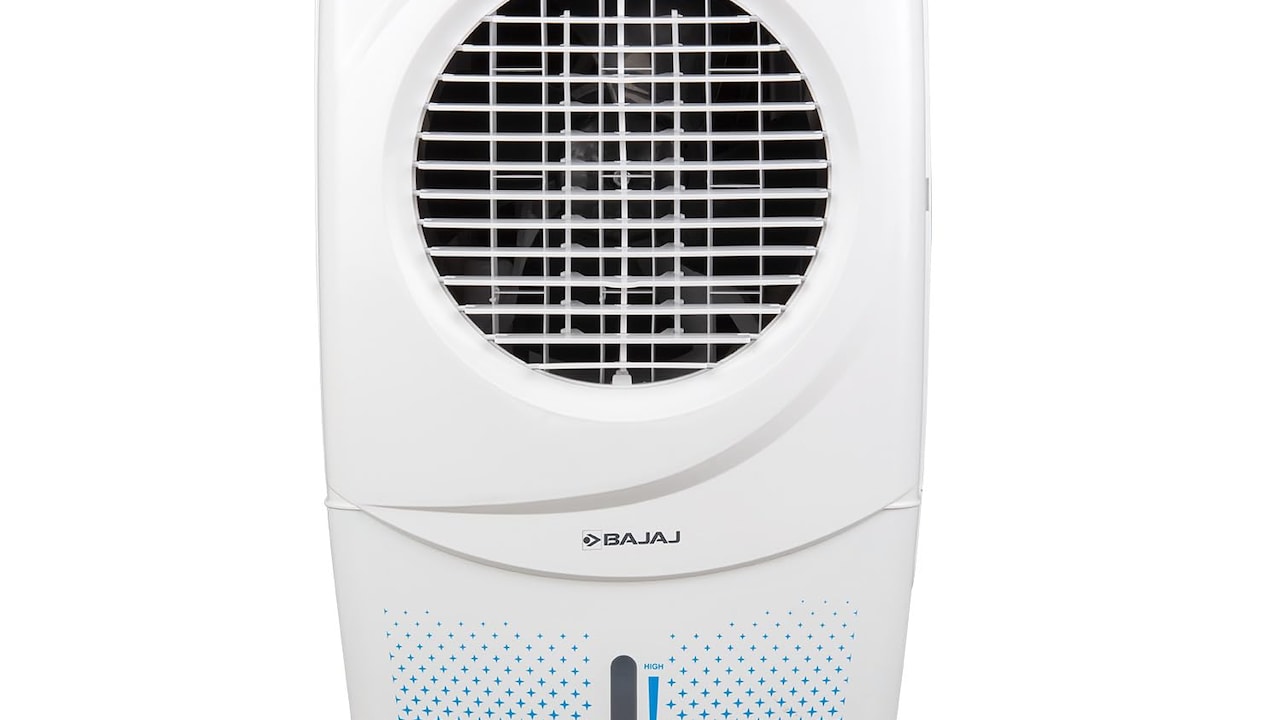
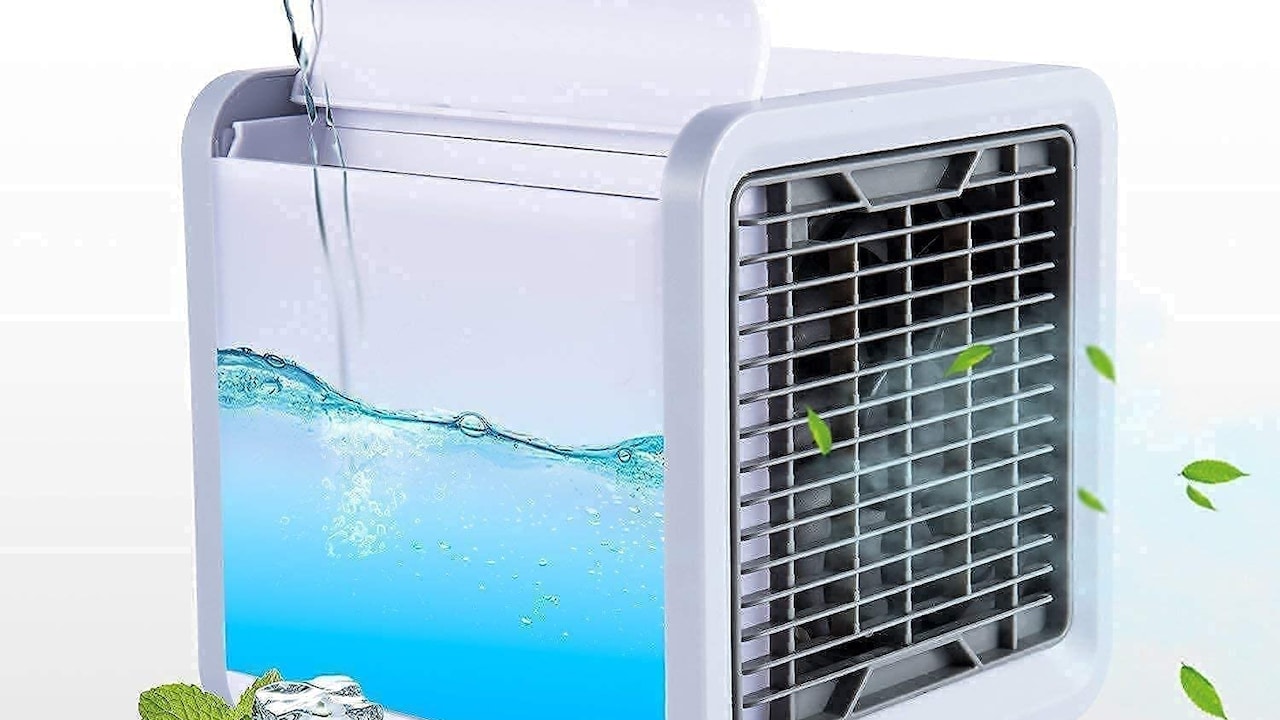
Mini air coolers work differently. They use evaporative cooling. Water passes through cooling pads, and a fan pushes air through those pads. As water evaporates, the air temperature drops slightly before entering the room.
In a compact bedroom with good ventilation, this can create noticeably cooler air than a standard fan. The difference may range between two and five degrees, depending on humidity levels.
However, the cooling effect spreads best in dry conditions. In already humid weather, evaporation slows down, and the cooler behaves much like a regular fan. The airflow still feels pleasant, but the promised temperature drop becomes limited.
For bedrooms where dry heat dominates, mini air coolers often feel more refreshing. Where humidity already clings to the air, a powerful table fan may deliver almost the same comfort.
Energy Consumption And Electricity Costs
Electricity bills shape many purchasing decisions, especially during months when appliances run for long hours at night.
Table fans remain champions of low energy consumption. Most models use between 40 and 70 watts of power. Running one through the entire night barely nudges the electricity bill. Over a month, the cost might land around ₹80 to ₹120 depending on usage.
Mini air coolers consume slightly more power. Small personal models typically operate between 80 and 150 watts. Larger portable coolers may go even higher.
Despite this increase, coolers still remain far cheaper to run than air conditioners. A mini cooler running every night for a month might add roughly ₹200 to ₹350 to the electricity bill.
For households conscious about energy usage, both appliances remain economical options. The difference in electricity cost between them often equals the price of two cups of roadside chai over the entire month.
However, coolers also require a water pump and occasional refilling. These small tasks add to the effort of operating them.
Fans win in simplicity and energy efficiency, while mini coolers trade a little extra electricity for a slightly cooler airflow.
Noise Levels And Sleep Quality
Sleep thrives on quiet surroundings. Even gentle sounds can become surprisingly noticeable in the middle of the night.
Table fans generally produce a steady whirring sound. For many people, this becomes a comforting background noise. Some even describe it as natural “white noise” that blocks street sounds or distant traffic.
Mini air coolers generate a different sound profile. Along with the fan motor, the internal water pump produces a faint gurgling or trickling noise. When the water level drops or the cooler ages, this sound may become slightly louder.
Modern coolers have improved considerably, yet they rarely achieve the near-silent operation of a good table fan.
Light sleepers sometimes notice the difference quickly. The subtle water pump hum can feel distracting during quiet nights.
On the other hand, some users enjoy the fuller sound because it masks outside disturbances more effectively.
Ultimately, the fan usually wins the silence contest. But those who appreciate consistent background noise may not mind the gentle mechanical soundtrack of a cooler.
Room Size And Air Distribution
Bedrooms vary greatly in size. Some barely fit a bed and a cupboard, while others resemble compact studio apartments.
Table fans perform best when positioned close to the sleeper. Their airflow remains concentrated in one direction. Sitting near the bed allows the breeze to reach the body directly.
Mini air coolers attempt to push cooled air across a wider area. Many models feature adjustable louvres that spread airflow across the room.
In a small bedroom of about 100 square feet, this distribution can make the entire space feel fresher rather than creating a single focused breeze.
However, larger bedrooms challenge mini coolers. Their airflow weakens across distance, especially if furniture blocks circulation.
In such spaces, a strong pedestal fan or multiple fans may actually distribute air more effectively.
Placement also matters. A cooler works best near a window or open doorway where fresh air enters the room. Without ventilation, humidity may build up and reduce cooling efficiency.
Choosing between these appliances often depends on how air flows through the bedroom itself.
Humidity And Climate Conditions
Climate quietly determines how well cooling appliances perform. Evaporative cooling relies heavily on the moisture already present in the air.
Mini air coolers excel in dry environments. The evaporation process happens quickly, allowing the cooler to push noticeably chilled air into the room.
During hot, dry evenings, stepping into a bedroom with a running cooler can feel surprisingly refreshing.
In humid conditions, however, the story changes. When the air already contains high moisture levels, evaporation slows dramatically. The cooler still circulates air, but the temperature drop becomes minimal.
The room may even feel slightly damp after several hours of use.
Table fans face no such limitations. They simply move air regardless of humidity levels.
This explains why many households keep both options. The cooler works beautifully during dry heat waves, while the fan takes charge when monsoon humidity arrives.
Understanding local weather patterns helps determine which appliance offers consistent comfort across seasons.
Maintenance And Daily Effort
Convenience often influences appliance choices more than expected. Busy routines favour devices that require little attention.
Table fans demand almost no maintenance. Occasional dust cleaning and blade wiping keep them running smoothly for years. Once plugged in, they operate effortlessly.
Mini air coolers require a little more involvement. The water tank needs regular refilling, especially during hot nights when evaporation increases.
Cooling pads also require cleaning to prevent dust buildup and unpleasant odours. Without proper care, stale water may produce a slightly musty smell.
These tasks rarely feel difficult, yet they add to the daily routine.
For individuals who prefer simple appliances with minimal upkeep, table fans offer clear convenience.
Coolers reward users with cooler airflow, but they expect a small commitment in return.
That trade-off often becomes the deciding factor in many households.
Portability And Bedroom Space
Bedroom space rarely feels abundant. Furniture, wardrobes and storage units already occupy much of the floor.
Table fans win the portability contest easily. Their compact size allows placement on a bedside table, desk or shelf. Moving them between rooms takes seconds.
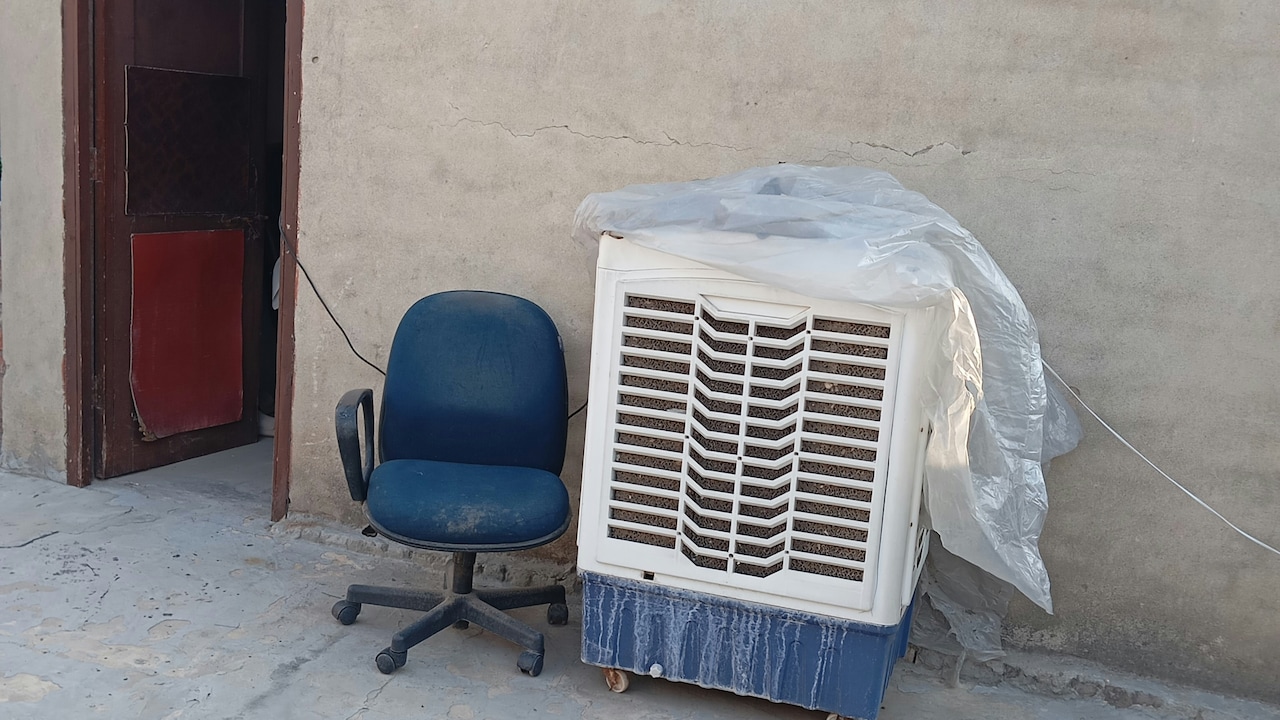
Mini air coolers vary in size. Some compact personal models resemble small boxes that fit comfortably beside the bed. Larger coolers, however, require dedicated floor space.
Many include wheels for mobility, but they still feel bulkier than a simple fan.
In small bedrooms where every inch counts, a table fan integrates seamlessly without crowding the room.
Coolers work best where a little extra floor space exists. They also need room near windows or doors for proper ventilation.
Choosing the right appliance often begins with a simple question: how much free space remains in the bedroom?
Purchase Price And Long-Term Value
Budget discussions often appear early when choosing cooling appliances.
Table fans remain among the most affordable electrical devices available. Basic models cost between ₹900 and ₹2,000, depending on brand and build quality.
Mini air coolers cost more. Personal models typically range from ₹3,000 to ₹6,000, while larger portable units may reach ₹10,000.
This price difference makes fans an easy purchase for students, renters or anyone seeking quick relief from heat.
Coolers demand a slightly higher initial investment. Yet many households consider the improved cooling worth the extra spending.
Over time, the difference narrows when compared with the cost of installing and running air conditioners.
For those wanting better cooling without committing to expensive installations, mini air coolers often feel like a sensible middle ground.
Still, the humble fan continues to deliver remarkable value for its modest price.
Do Mini Air Coolers Beat Table Fans In Bedrooms? Find Out What Works
Photo Credit: Unsplash
Health And Air Comfort
Comfort during sleep extends beyond temperature. Air quality and moisture levels influence how the body feels overnight.
Table fans simply circulate existing air. If the room feels dry, the fan may intensify that dryness by increasing evaporation from the skin.
Mini air coolers introduce a small amount of moisture into the air. This can help relieve dryness in the throat or nasal passages during hot nights.
Many people notice that cooler air feels softer and less harsh on the skin.
However, excessive humidity can create discomfort for some individuals. In poorly ventilated rooms, moisture buildup may leave the air feeling heavy.
Proper airflow solves most of these issues. A slightly open window often balances humidity and keeps the air fresh.
For people sensitive to dry air, mini coolers provide gentle relief. For others who prefer crisp airflow without added moisture, fans remain perfectly comfortable.
Lifestyle Preferences And Daily Habits
Appliance choices often reflect personal habits as much as technical features.
Some households value simplicity above everything else. A table fan offers immediate airflow without preparation. Switch it on and sleep follows.
Others enjoy experimenting with small comforts that improve daily life. Filling a cooler tank, adjusting airflow and feeling chilled air across the room becomes part of the evening routine.
Sleeping habits also play a role. Those who prefer direct airflow on the body may prefer a fan placed near the bed.
People who prefer evenly cooled air across the room often appreciate what mini coolers provide.
Family routines matter too. In shared rooms, cooler airflow may benefit everyone rather than focusing on one person.
These lifestyle differences explain why both appliances remain widely used despite competing for the same purpose.
Products Related To This Article
1. Black+Decker Remo 55L Air Cooler for Room Cooling
2. Livpure Zencool Personal Air Cooler
3. Etekcity nail drill MiNi CoOlEr FoR RoOm CoOlInG MiNi CoOlEr AiR CoOlEr PoRtAbLe AiR CoNdItIoNeRs
4. Bajaj PX97 Torque New 36L Personal Air Cooler For Home
5. HIFRESH Air Cooler for Room Cooling
Choosing between a mini air cooler and a table fan rarely produces a single universal answer. Each appliance solves the summer heat problem in its own way.
Table fans shine through simplicity, affordability and low electricity consumption. They deliver instant airflow and require almost no maintenance. For small bedrooms, tight budgets and humid weather, the humble fan continues to perform reliably.
Mini air coolers offer an extra step towards comfort. By lowering the air temperature slightly and adding gentle moisture, they create a more refreshing environment in dry heat. In well-ventilated bedrooms, that subtle cooling can make a noticeable difference during restless nights.
The best choice often depends on climate, room size and personal comfort preferences. Some households even keep both appliances ready, switching between them as weather conditions change.
What remains clear is this: peaceful sleep during summer rarely depends on expensive gadgets alone. Sometimes a simple breeze, a glass of cool water and a well-chosen appliance can turn a sweltering bedroom into a surprisingly comfortable retreat.
(Disclaimer: This article may include references to or features of products and services made available through affiliate marketing campaigns. NDTV Convergence Limited (“NDTV”) strives to maintain editorial independence while participating in such campaigns. NDTV does not assume responsibility for the performance or claims of any featured products or services.)