Vegetable Choppers Vs Food Processors: Which One Actually Saves More Time?
Vegetable choppers promise quick prep, while food processors offer power and versatility. But which one actually saves more time in a busy kitchen? Discover the real difference before choosing your next appliance.
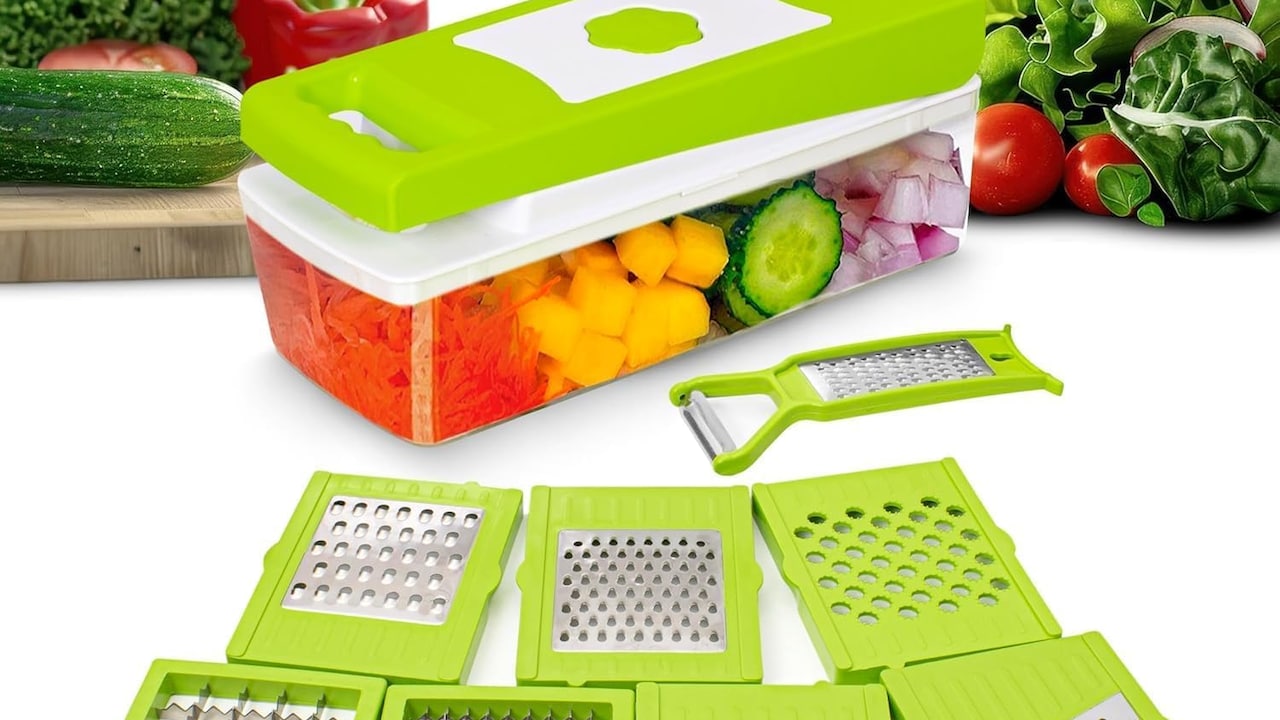
Vegetable Choppers Vs Food Processors: Find Out Which One Actually Saves More Time In The Kitchen.
A modern kitchen rarely runs on patience alone. Work deadlines, school schedules, traffic, and endless phone notifications leave little room for slow food preparation. Yet meals at home still matter. A simple bowl of poha, a quick paneer bhurji, or a fresh coriander chutney often depends on one thing: how fast ingredients get chopped.
That is where two popular kitchen gadgets enter the conversation. Vegetable choppers sit on many countertops because they promise speed with minimal effort. Food processors, on the other hand, look like serious machines capable of doing almost everything.
At first glance, the decision seems simple. A small chopper feels convenient and affordable, often priced between ₹400 and ₹1,500. A food processor costs far more, sometimes between ₹5,000 and ₹15,000, and comes with several attachments that make it look like a mini factory.
But the real question remains practical rather than technical. Which one actually saves time during everyday cooking?
The answer is not as obvious as it seems. Some days, a tiny hand-pull chopper finishes the job in seconds. On other days, a powerful processor transforms a complicated recipe into a quick task. Understanding how each tool fits into real cooking habits reveals where the time savings truly lie.
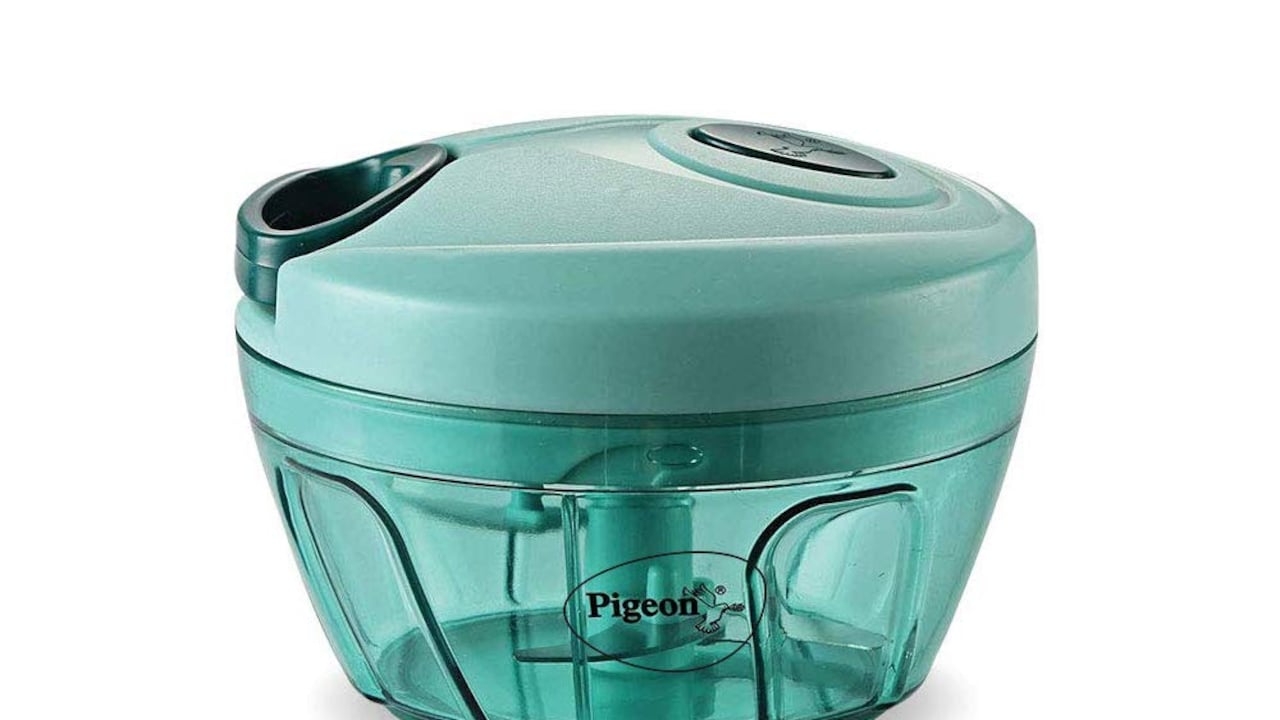
Vegetable Choppers Vs Food Processors: Which One Actually Saves More Time?
Photo Credit: Amazon
Key Factors That Determine Which Appliance Saves More Time
The Speed Of Everyday Chopping
The real test of a kitchen gadget begins with daily routines. Preparing onions, tomatoes, green chillies, and coriander often happens several times a day in many households. In such moments, speed matters more than fancy features.
Vegetable choppers shine in these situations. A quick press or pull chops vegetables in seconds. No need to assemble multiple parts or search for attachments. Drop the vegetables inside, close the lid, and the job finishes almost instantly. For someone rushing to prepare breakfast before work, that simplicity saves valuable time.
Food processors, while powerful, usually demand more preparation. The bowl must sit properly on the base, the correct blade needs placement, and the lid must lock securely. The process takes only a minute or two, but those minutes matter when hunger strikes and the gas stove already waits.
Small cooking tasks rarely require the full strength of a processor. For a quick tadka or chopped onions for omelette, the vegetable chopper handles the job without fuss. The processor begins to feel like overkill.
When speed for tiny tasks becomes the priority, the humble vegetable chopper quietly wins the race.
Setup Time: The Hidden Factor
People often focus on how quickly a machine chops food. Yet the real time spent includes preparation before the chopping even begins.
Vegetable choppers usually consist of three or four simple parts. A container, a blade unit, and a lid. Assembly takes seconds. Even first-time users rarely struggle with the setup. The design feels intuitive, almost playful.
Food processors offer far more capability, but that capability comes with complexity. Multiple blades, discs, lids, pushers, and bowls often sit inside the box. Selecting the correct component requires a quick decision every time cooking begins.
Imagine preparing cabbage for a quick stir-fry. A chopper simply dices the vegetable after a few pulls. A processor may require choosing a slicing disc, attaching it carefully, locking the bowl, and placing the vegetable through the feeding tube.
None of these steps feels difficult. Yet each adds small fragments of time.
For elaborate cooking, that setup becomes worthwhile. For everyday chopping, however, the simplicity of a vegetable chopper quietly saves those extra minutes.
Sometimes the fastest tool is simply the one that asks fewer questions.
Cleaning Time After Cooking
Cooking rarely ends when the meal finishes. The real work often appears at the sink.
Vegetable choppers generally clean quickly. A small container, a single blade, and a lid mean fewer surfaces to wash. A quick rinse with soap and water usually completes the task. Even the stubborn onion smell disappears after a short scrub.
Food processors require more attention. The large bowl, lid mechanism, blade assembly, and attachments each demand cleaning. Some parts hide food particles in small crevices. That means extra scrubbing, extra water, and a bit more patience.
After preparing a heavy meal, washing five or six separate components can feel exhausting. Many people quietly avoid using the processor simply because they dread the cleanup.
In contrast, a vegetable chopper often goes straight into the sink and comes out clean within a minute.
Time saved during chopping means little if the cleaning takes longer. In this department, the smaller tool often proves surprisingly efficient.
Handling Large Quantities Of Ingredients
The situation changes dramatically when cooking for many people.
Festive meals, family gatherings, or weekend meal prep require large quantities of vegetables. Chopping several onions, potatoes, and carrots by hand would take ages. In such moments, the limitations of a small chopper begin to appear.
Vegetable choppers hold a limited capacity. The container fills quickly, which means repeating the process multiple times. Ten onions may require several rounds of chopping.
A food processor handles large quantities far more efficiently. The large bowl allows multiple vegetables at once, reducing repetition. Powerful motors slice and shred ingredients rapidly without needing manual effort.
Preparing cabbage for coleslaw or grating carrots for halwa becomes dramatically faster in a processor. One continuous process replaces multiple batches.
When cooking for a crowd or preparing ingredients for the week, the food processor saves far more time than a small chopper ever could.
Scale, in this case, changes everything.
Versatility Beyond Chopping
Time savings also depend on how many tasks a machine can complete.
Vegetable choppers specialise in one main job: chopping vegetables. Some models handle nuts or herbs, but the functionality remains limited. When a recipe requires slicing, shredding, grinding, or kneading, the chopper steps aside.
Food processors offer a much wider range of functions. They slice cucumbers for salad, grate cheese, grind spices, blend chutneys, and knead dough. A single machine replaces several kitchen tools.
That versatility becomes valuable during complex cooking sessions. Imagine preparing samosas. A processor kneads dough, chops vegetables, and blends chutney without switching appliances.
The result feels like an efficient workflow rather than scattered tasks.
Although the setup takes longer, the processor eventually saves time across multiple steps. For cooks who prepare diverse dishes frequently, that versatility transforms it into a genuine time-saving companion.
Storage Space And Accessibility
Kitchen space often decides which appliances actually get used.
Vegetable choppers remain compact. They fit inside small cabinets or even drawers. Because they occupy little space, many people keep them within arm's reach. Accessibility encourages frequent use.
Food processors, by contrast, demand more storage space. The base unit, large bowl, and attachments often fill an entire shelf. Some kitchens simply lack enough room to keep them permanently on the counter.
When an appliance stays hidden in the back of a cabinet, it rarely participates in daily cooking. Pulling it out, assembling parts, and returning everything later adds small inconveniences.
A chopper, on the other hand, often sits ready for action. That convenience naturally saves time.
Sometimes the tool that sits closest to the cutting board becomes the fastest option.
Energy Consumption And Manual Effort
Electric appliances save physical effort but depend on electricity and setup time.
Many vegetable choppers operate manually. Pull cords or push mechanisms chop vegetables without any electrical power. This design allows quick use without plugging anything in.
During power cuts or quick cooking moments, manual choppers prove surprisingly reliable. They operate anywhere, anytime, without searching for sockets.
Food processors rely entirely on electricity. While the motor performs heavy work effortlessly, it still requires plugging in and switching on. The process adds a small delay before the chopping begins.
In households where quick tasks dominate daily cooking, manual choppers offer instant readiness.
However, when handling hard ingredients like nuts or large batches of vegetables, the electric processor reduces physical strain significantly.
The real-time savings depend on how often those heavier tasks appear.
Precision And Consistency
Uniform chopping improves both cooking speed and final presentation.
Vegetable choppers usually produce roughly chopped pieces. The results work perfectly for curries, stir fries, and everyday dishes. However, achieving extremely fine or perfectly uniform cuts becomes difficult.
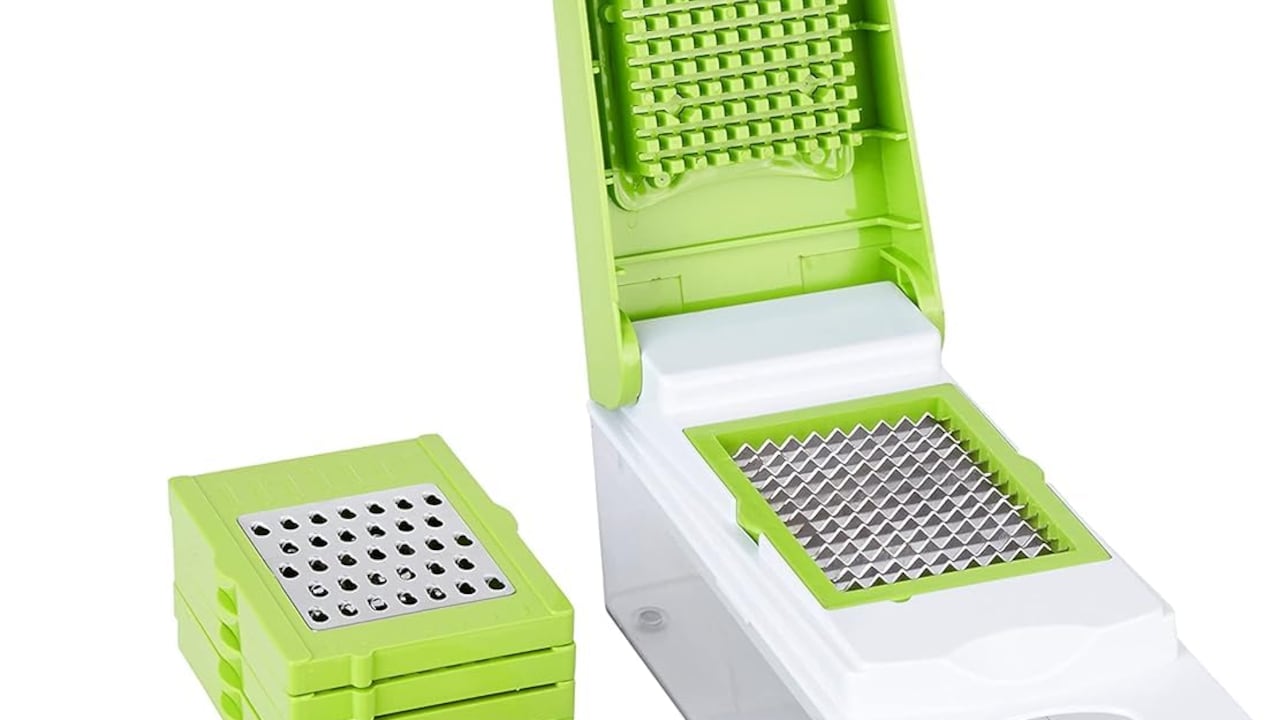
Food processors excel at precision. Special discs create evenly sliced cucumbers, grated carrots, or finely shredded cabbage. This consistency becomes valuable for salads, garnishes, and professional-looking dishes.
Consistent cutting also affects cooking time. Even pieces cook evenly, reducing the chance of half-cooked vegetables.
In restaurants and serious home kitchens, that precision saves both time and frustration.
Although the chopper handles basic chopping quickly, the processor provides greater control when appearance and texture matter.
Vegetable Choppers Vs Food Processors: Which One Actually Saves More Time?
Photo Credit: Amazon
Cost Versus Time Value
Price always influences appliance decisions.
Vegetable choppers cost relatively little. A good model often costs between ₹500 and ₹1,200. That affordability makes them accessible for almost every household.
Food processors sit at a higher price range. Reliable models may cost between ₹6,000 and ₹15,000, depending on brand and features.
The investment makes sense only if the machine saves significant time over months or years. For someone who cooks simple meals daily, the chopper may provide excellent value without the higher cost.
However, frequent cooking enthusiasts who prepare multiple dishes each day may recover that investment through the processor's versatility.
In other words, time savings must justify the price difference.
The best appliance is rarely the most expensive one. It is the one that matches daily cooking habits.
Real Kitchen Habits And Human Behaviour
Technology alone does not determine time savings. Human behaviour plays a bigger role.
Many people buy food processors with excitement. The machine promises efficiency, speed, and professional results. Yet after a few weeks, it often sits unused on a shelf.
Why does this happen?
Complex appliances sometimes feel intimidating during rushed cooking. When hunger rises and family members ask about dinner, simplicity becomes attractive. A quick vegetable chopper feels easier than assembling multiple processor parts.
Daily cooking habits often favour convenience over capability.
However, dedicated cooks who regularly prepare elaborate meals quickly adapt to the processor. Once familiarity grows, the machine becomes second nature.
Time savings, therefore, depend less on technology and more on how comfortably the cook integrates the appliance into daily routines.
The fastest tool is the one that actually gets used.
Products Related To This Article
1. InstaCuppa Electric Chopper for Kitchen Use with 3 Attachments
2. Butterfly Nexo 750W Mixer Grinder Food Processor with 6 Jars
3. Borosil Chef Delite 300 Watts Electric Chopper for Kitchen
4. Philips Stainless Steel Mixer Grinder
5. Cüraa ChopLab Pro Electric Vegetable Chopper for Kitchen with 2 Speed Modes
6. INALSA Food Processor with Atta Kneader 800 Watts
7. AGARO Electric Chopper, 400 Watts
Vegetable choppers and food processors both promise faster cooking, yet they serve different roles in the kitchen.
For quick everyday chopping, vegetable choppers often save more time. Their simple design, quick setup, and easy cleaning make them perfect for daily meals. They thrive during rushed mornings and spontaneous cooking sessions.
Food processors reveal their strength when cooking becomes more ambitious. Large quantities, multiple preparation steps, and precise slicing transform the processor into a powerful assistant. During elaborate meals, the machine saves far more time than a small chopper.
The real winner depends on cooking style.
Busy kitchens focused on simple dishes may find the humble chopper unbeatable. Enthusiastic cooks who experiment with recipes may prefer the versatility of a processor.
In truth, many kitchens eventually welcome both. The chopper handles quick weekday meals, while the processor steps in for weekend feasts and festive cooking.
After all, the real goal is not simply chopping vegetables faster. The goal is spending less time preparing ingredients and more time enjoying the meal.
(Disclaimer: This article may include references to or features of products and services made available through affiliate marketing campaigns. NDTV Convergence Limited (“NDTV”) strives to maintain editorial independence while participating in such campaigns. NDTV does not assume responsibility for the performance or claims of any featured products or services.)