Instant Vs Storage Geyser: Which Suits Your Bathroom
Choosing between an instant and storage geyser for winter? Find out which suits your bathroom better based on usage, space, budget, and hot water needs.
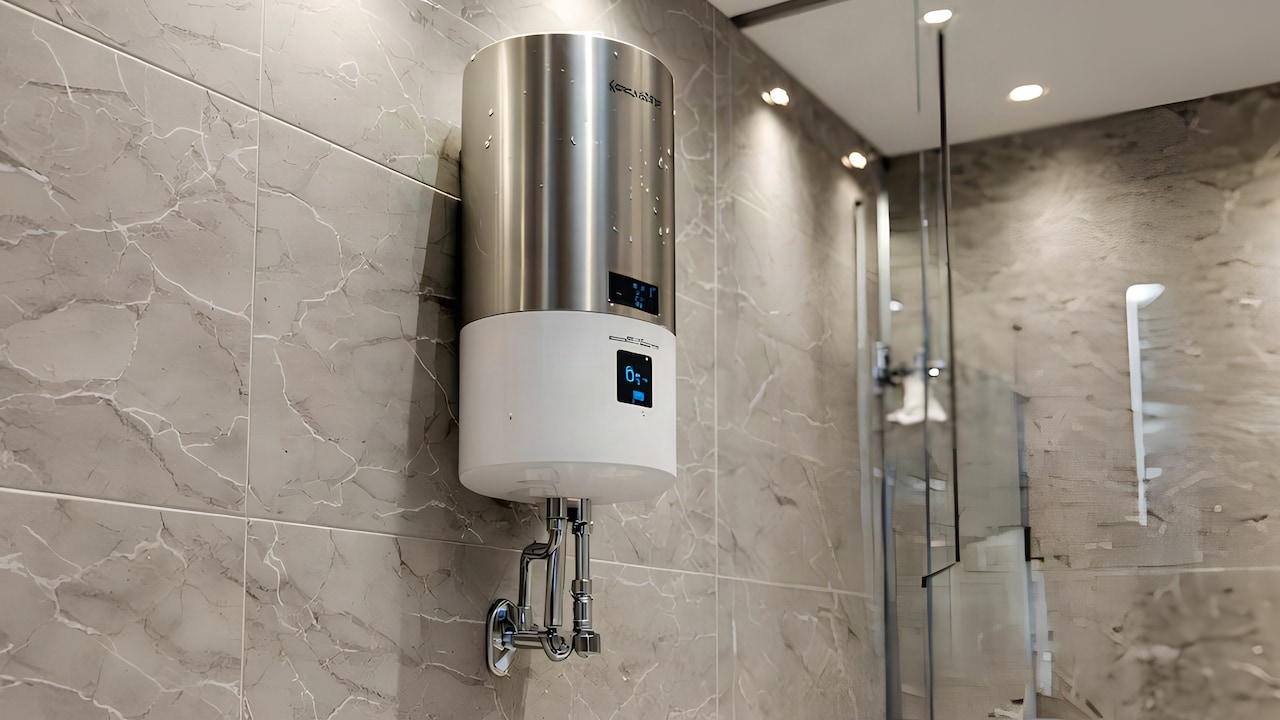
Instant Vs Storage Geyser: Which Suits Your Bathroom
Picking the right water heater is one of those decisions that feels small until you're stuck with the wrong one. With so many models available across platforms like Amazon, the choice between an instant and a storage geyser can genuinely feel overwhelming. Both have their own strengths, and the right choice usually depends on how your household actually uses hot water, the size of your bathroom, and how much you're willing to spend upfront versus on running costs over time. Knowing those differences properly before you buy saves a lot of trouble later on. An instant geyser heats the water when you need it, while a storage geyser has a tank of hot water for you when you need it. Neither is better in all cases, but one will almost certainly be better for your situation.
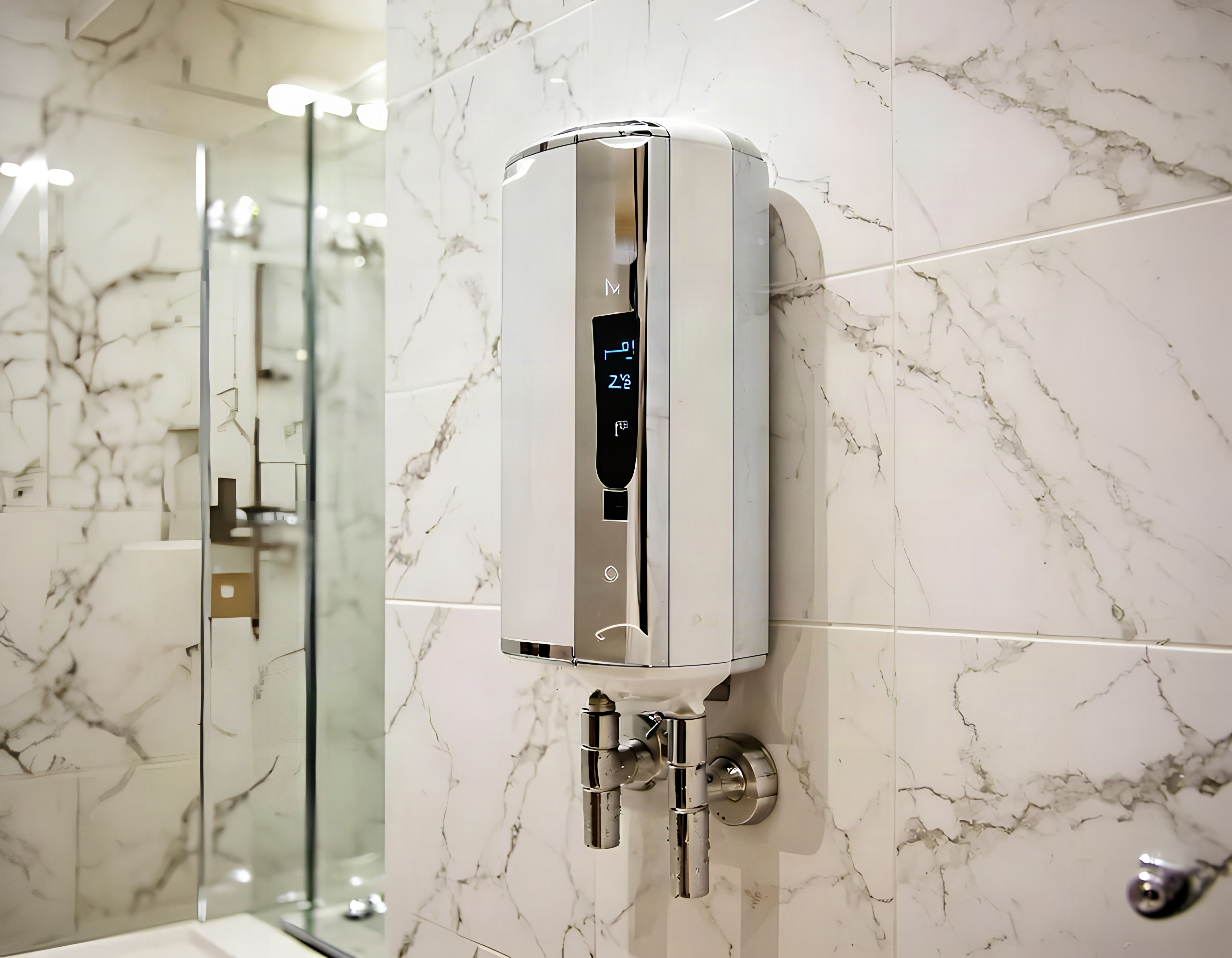
What Is An Instant Geyser And How Does It Work? Photo Credit: iStock
What Is An Instant Geyser And How Does It Work
1. The Basic Mechanism
An instant geyser, also called a tankless or instantaneous water heater, heats the water as it flows through the unit. There is no tank for storage. As soon as you turn on the tap, the heating element kicks in, and within seconds you have hot water. This makes it relatively energy efficient, as it only uses power when hot water is needed.
2. Who Benefits Most From An Instant Geyser
Instant geysers are best suited for small families, single users or bathrooms with limited wall space. They are small, easy to install and do not require time to heat a full tank. If you're a light- to moderate-user of hot water and mainly have quick showers, an instant geyser will do the job for you without much hassle.
Also Read: 5 Best Instant Water Geysers For Quick Hot Showers Under ₹4,000
What Is A Storage Geyser, And How Does It Work
1. How The Tank-Based System Operates
A storage geyser heats water and keeps it in an insulated tank for when you need it. Tank capacity is usually 6 litres on the smaller side to 25 litres or more for larger households. When the water inside reaches the set temperature, the thermostat shuts off the power and keeps that heat in by insulation until someone draws it out.
2. Who Benefits Most From A Storage Geyser
Storage geysers are usually more suitable for households with several family members or where there is a high demand for hot water at the same time. If mornings are hectic and everyone needs a shower at the same time, a tank ready to go means no waiting around for the unit to catch up. These units can also be well suited to larger bathrooms with dedicated installation space.
Key Differences To Consider Before Buying
1. Energy Consumption And Running Costs
Instant geysers are generally more energy efficient, as they don't keep a tank at a temperature all day. Storage geysers also use electricity even when on standby, but modern units with better insulation have considerably reduced this consumption. An instant geyser can reduce electricity bills over time if hot water usage is predictable and limited to shorter sessions.
2. Installation Space And Bathroom Fit
Instant geysers are relatively smaller and can be fitted in tight corners or in compact bathrooms without much hassle. Storage geysers require more wall space and structural support, depending on the size of the tank. Before you decide to proceed, it's worth measuring the wall space available and confirming that the proposed installation point can support the weight of a filled tank, which can be considerable.
3. Upfront Cost Vs Long-Term Value
Instant geysers are generally cheaper to buy and install. Storage geysers can be more expensive to buy, particularly the larger capacity ones. They provide a more consistent hot water supply, without any restrictions on the flow rate. The right choice is a balance between initial spend vs. day-to-day convenience and expected usage patterns over the next several years.
Which One Should You Actually Choose
1. For Small Bathrooms And Solo Users
Here, an instant geyser is more fitting. It's small, energy-efficient, simple to maintain, and more than capable of taking care of one person's daily hot water needs without racking up high electricity bills. The quick heat-up means you don't have to plan ahead for a shower.
2. For Families And High-Demand Households
A storage geyser is a more reliable option if multiple people need hot water in a short time. The tank prevents the water from running out mid-shower, and bigger capacity models can take two or three users in a row without a discernible temperature drop.
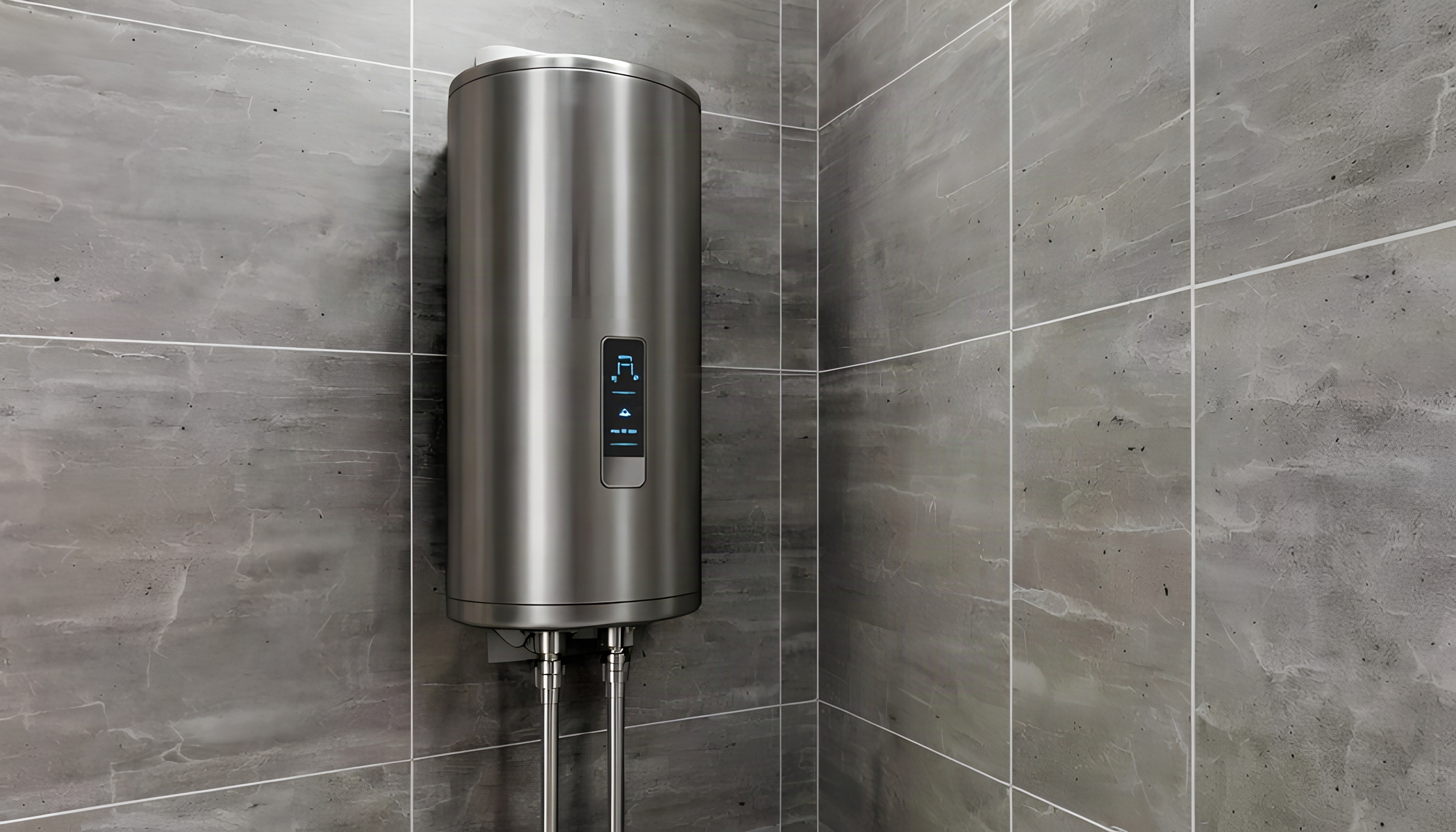
Some Products You May Like; Photo Credit: iStock
Some Products You May Like
1. Havells Instanio 10L Storage Water Heater
2. Crompton Arno Neo 6-L 5-Star Rated Storage Water Heater
3. Longway Superb 10 Ltr 5-Star Rated Automatic Storage Water Heater
4. Racold Eterno Pro Storage Water Heater
5. Crompton Arno Neo 3 Litre Instant Water Heater
6. Faber Zippy Instant Geyser
7. Havells Signa 5L Instant Water Heater
8. Orient Electric Aura Rapid Pro Geyser 5.9 Litre Instant Water Heater
Choosing between instant and storage geysers depends on your bathroom size, family needs, and usage. Instant geysers offer quick hot water for small households, while storage geysers suit larger families needing continuous supply. Consider space, power, and budget, and pick the one that keeps your mornings warm, easy, and hassle-free. Shop now on Amazon.
Frequently Asked Questions (FAQs)
1. Which geyser is more energy-efficient?
Instant geysers are more efficient because they only heat water when it is needed. Storage geysers do use standby energy to keep the tank hot, although modern well-insulated units have substantially reduced this gap.
2. Can an instant geyser supply enough water for a full bath?
Instant geysers are more suitable for showers than for filling a bathtub. Their flow capacity is limited, so for high volume requirements, a storage geyser with sufficient tank capacity is more appropriate.
3. How long does a storage geyser take to heat water?
A storage geyser typically takes 15 to 45 minutes to fully heat a tank, depending on the tank size and the starting temperature of the water. So it's more convenient to plan your usage around this heating window.
4. Is an instant geyser safe for hard water areas?
Hard water will lead to limescale build-up inside any geyser. However, instant geysers with smaller internal pathways can be more prone to blockages over time. The life of the unit will be extended with regular descaling or the use of a water softener.
5. Which geyser is easier to maintain?
Instant geysers typically need less maintenance, as they do not have a storage tank. You should check storage geysers periodically for sediment build-up and replace the anode rod to prevent corrosion in the tank.
(Disclaimer: This article may include references to or features of products and services made available through affiliate marketing campaigns. NDTV Convergence Limited (“NDTV”) strives to maintain editorial independence while participating in such campaigns. NDTV does not assume responsibility for the performance or claims of any featured products or services.)