What Is A Normal Fasting Blood Sugar Level?
What is a normal fasting blood sugar level? Understand healthy glucose ranges, prediabetes signs, testing methods and how to monitor your sugar at home.
What Is A Normal Fasting Blood Sugar Level?
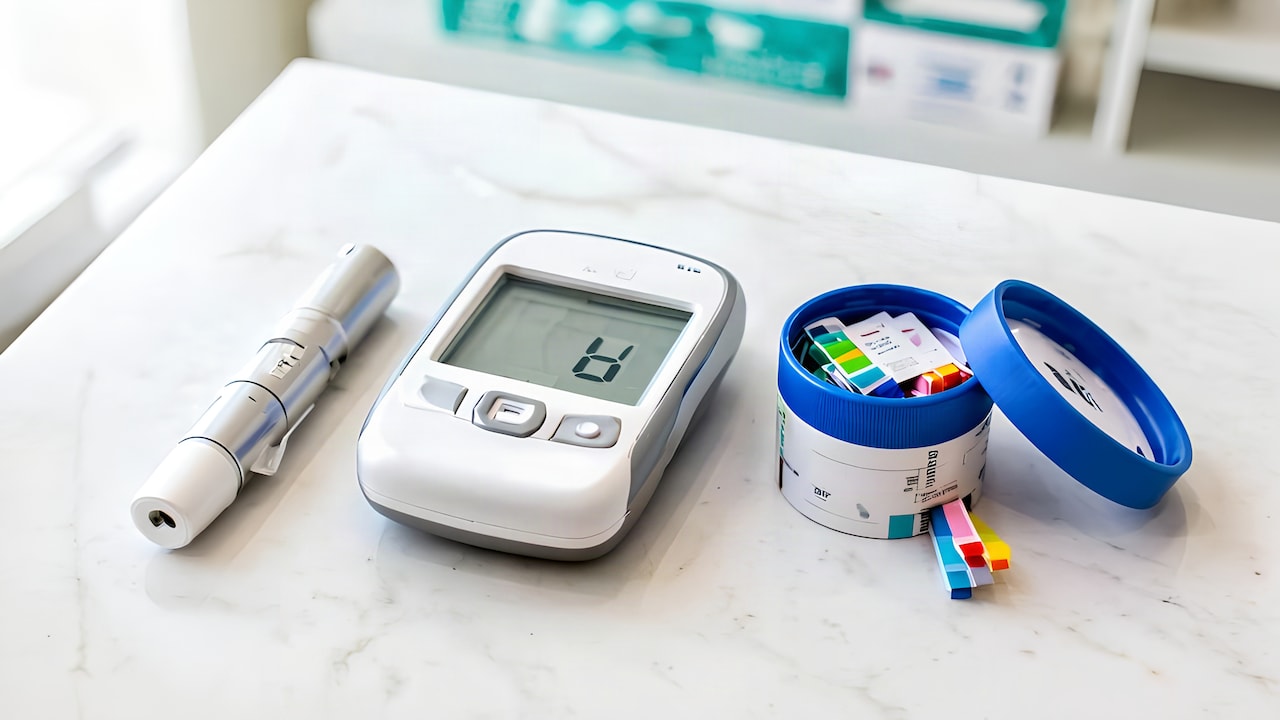
Your morning might start with a cup of tea, a quick scroll through your phone and the usual rush to get ready for work. If a doctor has asked you to monitor your blood sugar, you should also check your glucose before breakfast. Fasting blood sugar shows how much glucose is in your blood after several hours without food, and it is one of the tests doctors rely on to spot early signs of diabetes. Knowing what a healthy number looks like matters just as much, particularly if you test at home with a glucometer.
What Is A Normal Fasting Blood Sugar Level?
Photo Credit: iStock
What counts as a normal fasting level, then, and when should a reading worry you? The answer shifts depending on whether you are healthy, have prediabetes or already live with diabetes. Once you know the differences, your reports start to make more sense, and it becomes easier to tell when a doctor's visit is due. Below is a plain walkthrough of fasting glucose and how to track it.
What Is A Normal Fasting Blood Sugar Level?
A fasting glucose test determines the level of sugar in your blood after eight hours of avoiding any food and drink with calories. The results are calculated in milligrams per decilitre (mg/dL). For most non-pregnant adults, the standard diagnostic ranges are:
1. Normal Blood Sugar Range
A fasting glucose level below 100 mg/dL is considered normal. It means that your body keeps sugar levels in the proper range after an overnight fast.
2. Prediabetes Range
When your fasting glucose ranges from 100 to 125 mg/dL, it indicates prediabetes. In other words, the levels are above normal but not high enough to diagnose the disease. Proper lifestyle and medical help will prevent diabetes development in this case.
3. Diabetes Range
At 126 mg/dL or above, diabetes becomes a possibility. One high result is not a diagnosis, though, and doctors know that. If there are no obvious symptoms, a physician will typically ask for the test to be repeated or suggest a different diagnostic procedure to confirm.
Why Is Fasting Blood Sugar Important?
Glucose is the body's source of energy, but the amount circulating in the blood has to stay within limits. A fasting reading gives a clear picture of how well that balance is being kept.
1. It Helps Identify Early Blood Sugar Changes
Sometimes you won't notice any symptoms when the sugar levels start increasing. The fasting blood test can detect these changes before they develop further. It is especially useful for patients who have diabetes in their family history, are overweight, or have other risk factors.
2. It Helps Monitor Diabetes Management
If you are already diagnosed with diabetes, the readings will show how your blood sugar reacts to treatment, food consumption and physical activity. A glucometer will help you monitor your readings regularly, but the testing frequency is determined by your doctor.
How To Check Your Fasting Blood Sugar Correctly
To get a correct result, it's not enough just to check your glucose in the morning. Your preparation for the test and its conduct matter.
1. Maintain An Eight-Hour Fast
Before a laboratory test, go at least eight hours without anything that has calories. Plain water is usually fine. Many people simply fast overnight and get tested in the morning, which keeps things convenient.
2. Use Your Glucometer Properly
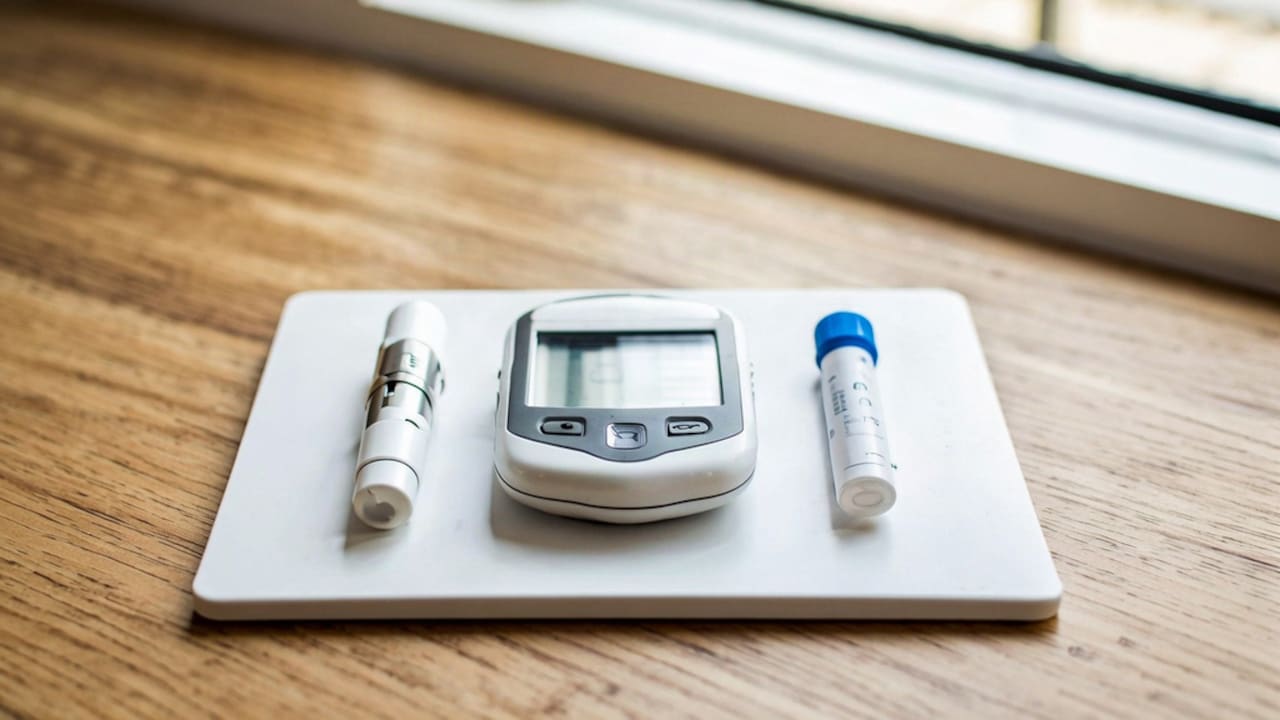
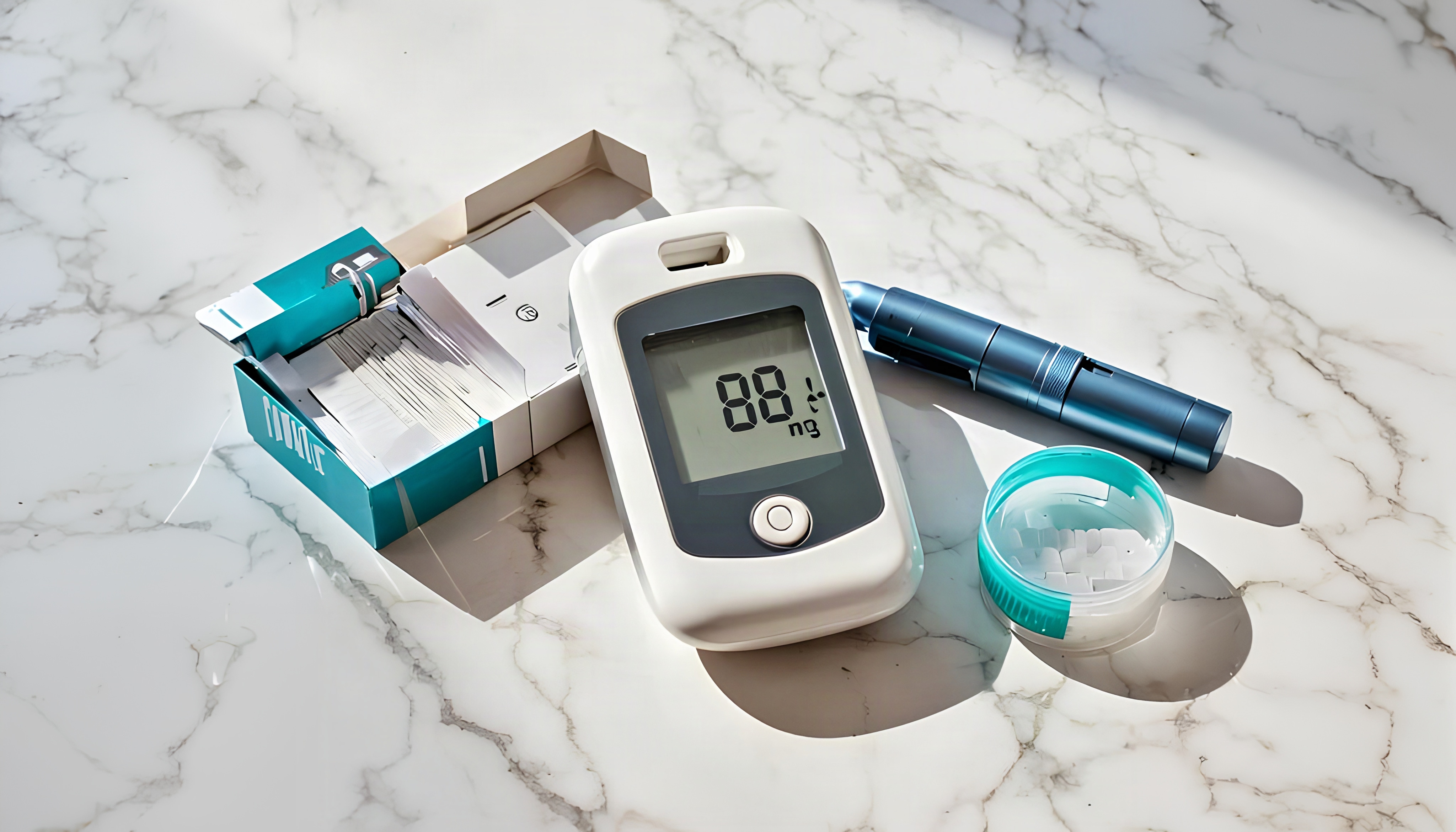
If you do the test at home, first, clean and dry your hands. After that, insert a test strip into the device, use the lancelling device to obtain a blood drop, and follow all the manufacturer's instructions. Record the reading with the date of obtaining it.
Also Read: Top 5 Health Monitors Every Home Should Have Under ₹7,000
3. Understand The Difference Between Home And Lab Tests
A glucometer is a very convenient device that can help you to control your readings every day. However, the results from the glucometer don't replace laboratory tests when you need to diagnose diabetes.
What Can Affect Your Fasting Blood Sugar Levels?
Even with an identical routine each day, your morning numbers can move around. A few factors can often cause these fluctuations.
1. Late-Night Meals And Eating Habits
A heavy dinner or a snack late in the evening can push up the next morning's reading. Eating at regular times and choosing food carefully helps keep those numbers steadier.
2. Poor Sleep And Stress
Broken sleep and high stress both disturb the hormones that regulate blood glucose. The result can be a high reading even when your diet has barely changed.
3. Illness And Certain Medicines
Infections, fever, and some medications (for example, corticosteroids) may increase the glucose levels temporarily. If your readings change and you don't understand why, it's better to consult your physician and conduct the necessary tests.
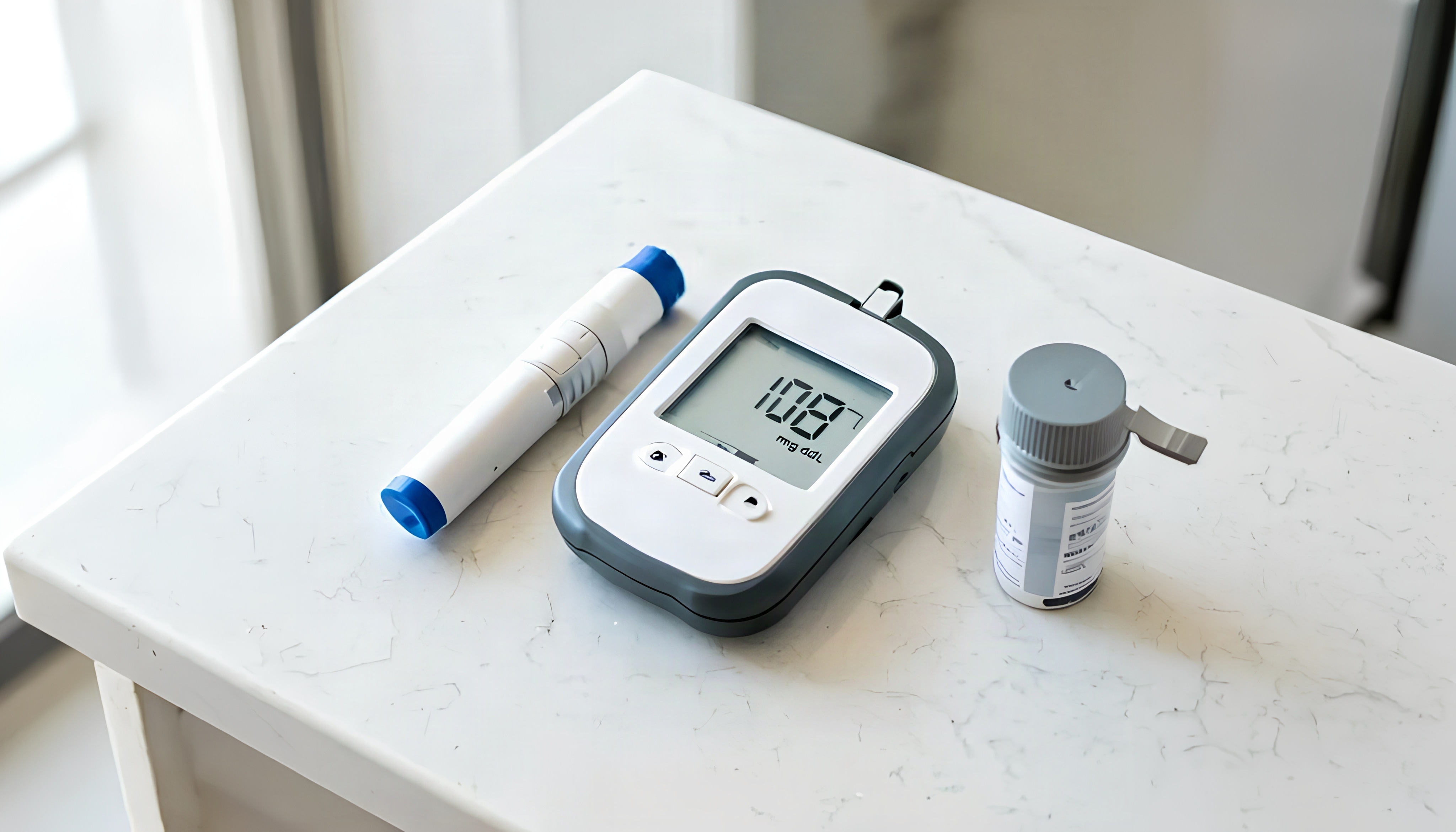
Some Glucometers You May Like
Photo Credit: iStock
Some Glucometers You May Like
1. Dr Morepen BG-03 Gluco One Glucometer Combo, 50 Strips
2. Accu-Chek Active Blood Glucose Glucometer Kit
3. AGARO Glucometer, Blood Glucose Monitoring System with 50 Pieces of Strips
4. Control D Glucometer With 50 Strips
5. Accusure Simple Glucometer Kit With 25 Strips
6. OneTouch Verio Flex Meter Blood Glucose Monitoring System
7. ON-CALL PLUS Glucometer with 10 Strips
8. BeatO-CURV Glucometer
Understanding what constitutes a normal fasting blood sugar level is an important step toward maintaining overall health and detecting potential blood sugar issues early. While a fasting glucose level between 70 and 99 mg/dL is generally considered normal, consistently higher readings may indicate prediabetes or diabetes and should not be ignored. Regular monitoring, a balanced diet, physical activity, and timely medical consultations can help keep blood sugar levels within a healthy range. Staying informed about your numbers empowers you to take better control of your long-term health and well-being.
Frequently Asked Questions (FAQs)
1. Is 110 mg/dL normal for fasting blood sugar?
The fasting reading of 110 mg/dL belongs to the prediabetic range of the non-pregnant adult population. It is worth consulting a physician and taking the necessary tests.
2. Can fasting blood sugar be high even without eating?
Yes. Your liver produces glucose during the night to provide your body with energy. Hormonal fluctuations, stress, illnesses, and medications may affect your morning readings.
3. Is eight hours of fasting enough for a blood sugar test?
Yes. Eight hours of fasting without any calorie intake is usually enough for the fasting plasma glucose test. You may drink water freely.
4. How often should I check my fasting blood sugar?
It depends on your health condition and whether you have been diagnosed with diabetes. Your physician will recommend the testing frequency according to your treatment and glucose control.
5. Can a glucometer diagnose diabetes?
No. A glucometer is helpful when you monitor your blood sugar at home, but the diagnosis of diabetes should be made with the help of laboratory testing and clinical examination.
(Disclaimer: This article may include references to or features of products and services made available through affiliate marketing campaigns. NDTV Convergence Limited (“NDTV”) strives to maintain editorial independence while participating in such campaigns. NDTV does not assume responsibility for the performance or claims of any featured products or services.)