Nebuliser vs Steam Inhaler: Which Helps Winter Congestion
Confused between a nebuliser and steam inhaler for winter congestion? Here’s a simple breakdown to help you choose the right one and find faster, easier relief.
Nebuliser vs Steam Inhaler
Winter has a way of making a simple blocked nose last far longer than one would expect. If it's lingering chest tightness, nasal congestion or that heavy, clogged feeling that just won't budge, people turn to all sorts of remedies. Two of the most popular at-home options are nebulisers and steam inhalers, which are often confused. Both are widely available on Amazon. But they work very differently, and choosing the wrong one can mean slower relief or money spent on something that doesn't quite fit your needs.
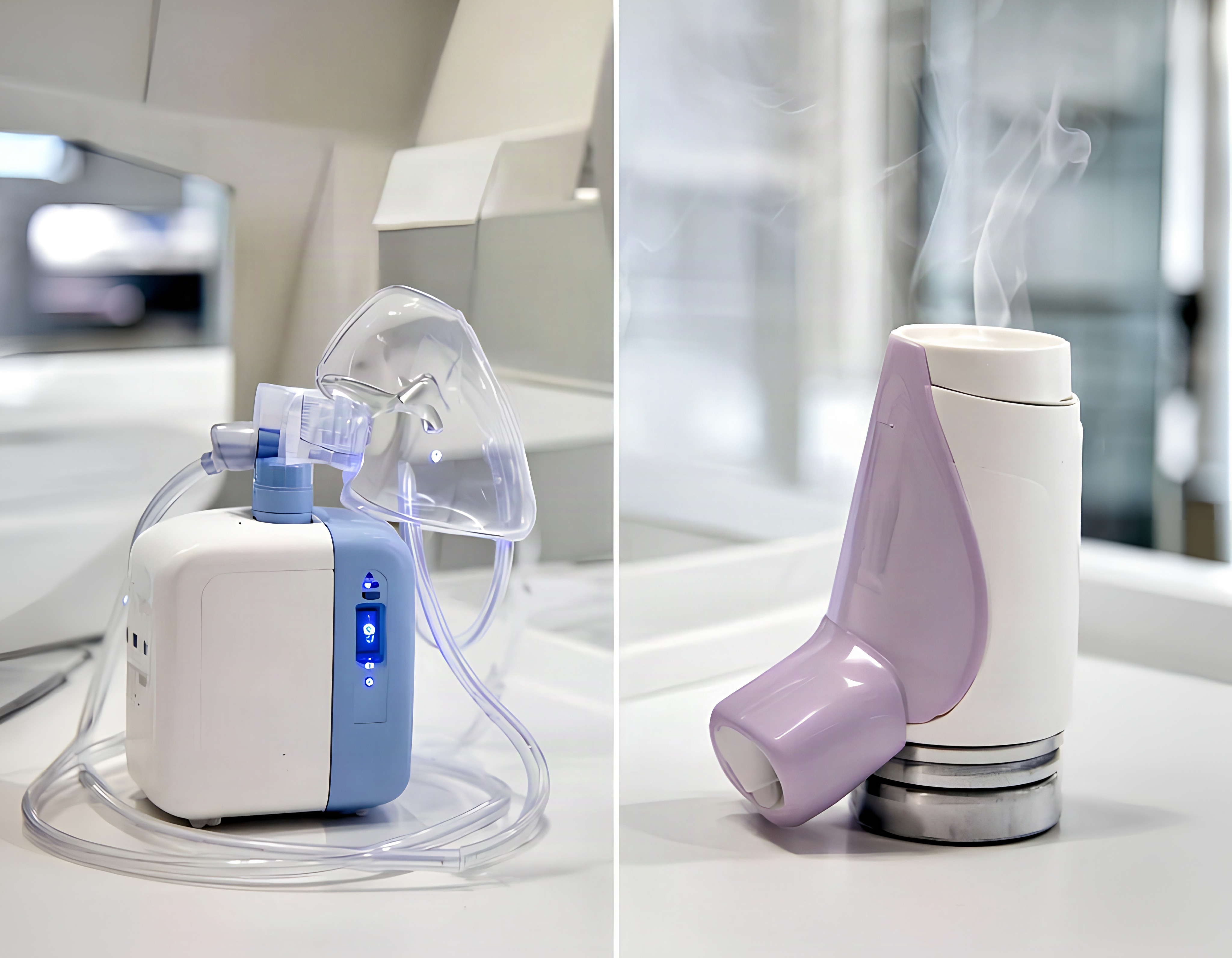
Key Differences Between A Nebuliser And A Steam Inhaler
Photo Credit: iStock
Knowing what each gadget really does makes the decision a lot easier. Both involve inhaling something warm or medicated, but the mechanism, purpose and the conditions they treat are quite different. Here is a clear look at both so the right decision becomes clear.
What Is A Nebuliser, And How Does It Work?
1. The Basic Mechanism
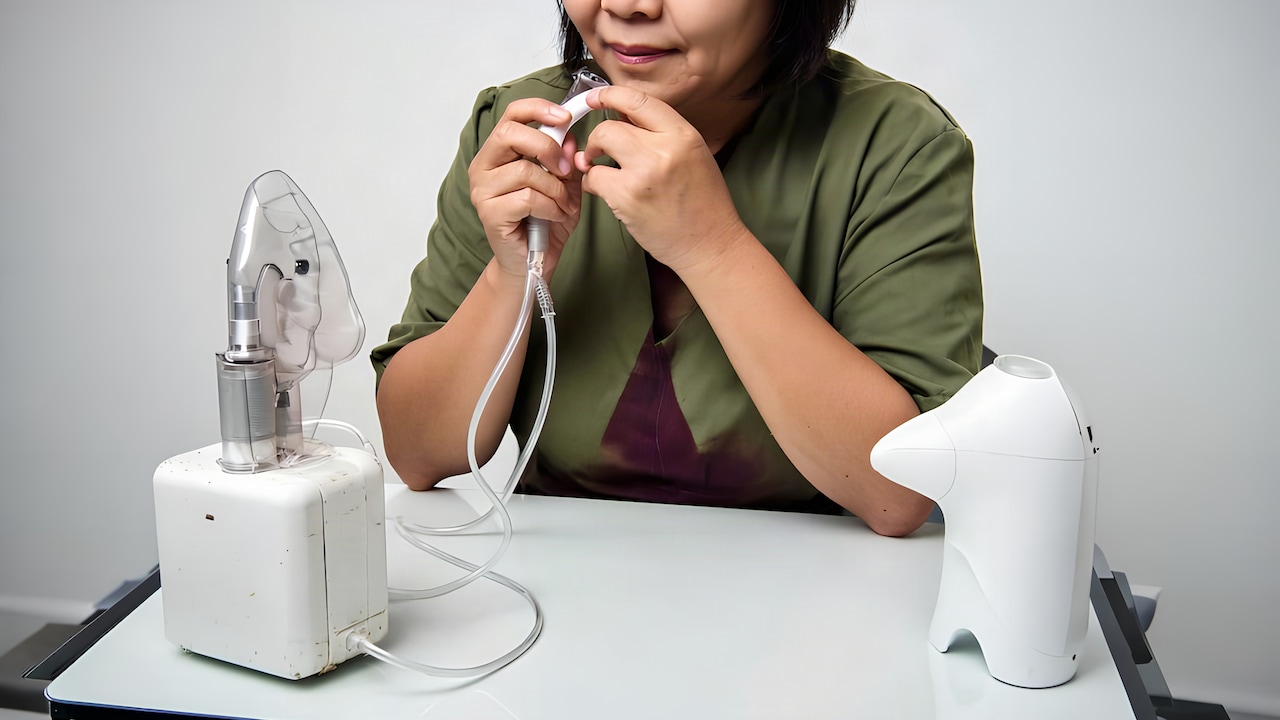
A nebuliser turns the liquid medicine into a fine mist, and you breathe the mist into your lungs. It uses either compressed air or ultrasonic vibrations to break up the medicine into tiny particles, small enough to reach deep into the airways. This is especially beneficial for diseases where you want to deliver the drug to the lower respiratory tract and not just the nasal passages.
2. Who Benefits Most From A Nebuliser
For asthmatics, those with chronic obstructive pulmonary disease, or recurrent bronchitis, nebulisers are generally recommended. They are also used in young children who are unable to use an inhaler properly. A nebuliser is better than most other delivery methods for more targeted relief in winter flare-ups, where bronchospasms or other lung conditions are triggered or worsened by cold air.
What Is A Steam Inhaler And How Does It Work
1. How Steam Inhalers Deliver Relief
A steam inhaler works by heating water to produce a warm, moist vapour that you breathe in through a mask or nozzle. Some models allow you to add a few drops of eucalyptus or menthol oil for enhanced relief. The warm steam helps loosen mucus in your nasal passages and upper airways, which makes it easier to breathe and helps relieve that uncomfortable stuffed-up feeling.
2. Best Suited Conditions For Steam Inhalers
Steam inhalers are best for upper respiratory discomfort such as sinus congestion, nasal blockage, dry throat and mild cold symptoms. They don't dispense medication, so they're more of a comfort and symptom relief tool than a treatment device. For general winter congestion without an underlying lung condition, a steam inhaler is often effective and does not require a prescription.
Key Differences Between A Nebuliser And A Steam Inhaler
1. Medication Vs Plain Steam
The main difference is that nebulisers are designed to be used with prescribed liquid medications, while steam inhalers use plain water (or optional essential oils). Only a nebuliser can deliver a bronchodilator or corticosteroid in liquid form effectively, as prescribed by a doctor. A steam inhaler cannot replace medicated treatment.
2. Depth Of Relief
Steam inhalers are designed to treat the upper airways, i.e., the nose, throat and sinus area. Nebulisers go deeper into the bronchial tubes and lungs. For surface-level winter congestion, steam inhalers are perfectly adequate. If you are looking for anything in the chest or lower respiratory tract, the nebuliser is the better device.
3. Ease Of Use And Portability
Steam inhalers are typically easier to use and care for. Fill with water, switch on and breathe. They have to be assembled with a mask or mouthpiece. Measured doses of medication have to be added. The parts have to be cleaned thoroughly to prevent contamination. There are travel-sized nebulisers, but steam inhalers are usually lighter and faster to set up.
Also Read: How To Use A Steam Inhaler Correctly For Sinus Relief In Monsoon
How To Decide Which One Is Right For You
1. Consider Your Symptoms First
If the congestion is mainly in the nose and sinuses, with no involvement of the chest or breathing difficulty, a steam inhaler is a practical and inexpensive way to start. Relieves discomfort. Opens nasal passages. No prescription needed. If you are wheezing, experiencing tightness in your chest, or have a diagnosed respiratory condition, it is best to see your doctor and use a nebuliser with the correct medication.
2. Think About Long-Term Use
If you have seasonal respiratory problems every winter, you may find that a nebuliser is a good investment over time if your doctor recommends it. For those seeking relief from occasional congestion who do not need a doctor's prescription, a steam inhaler will probably be more than enough for everyday use.
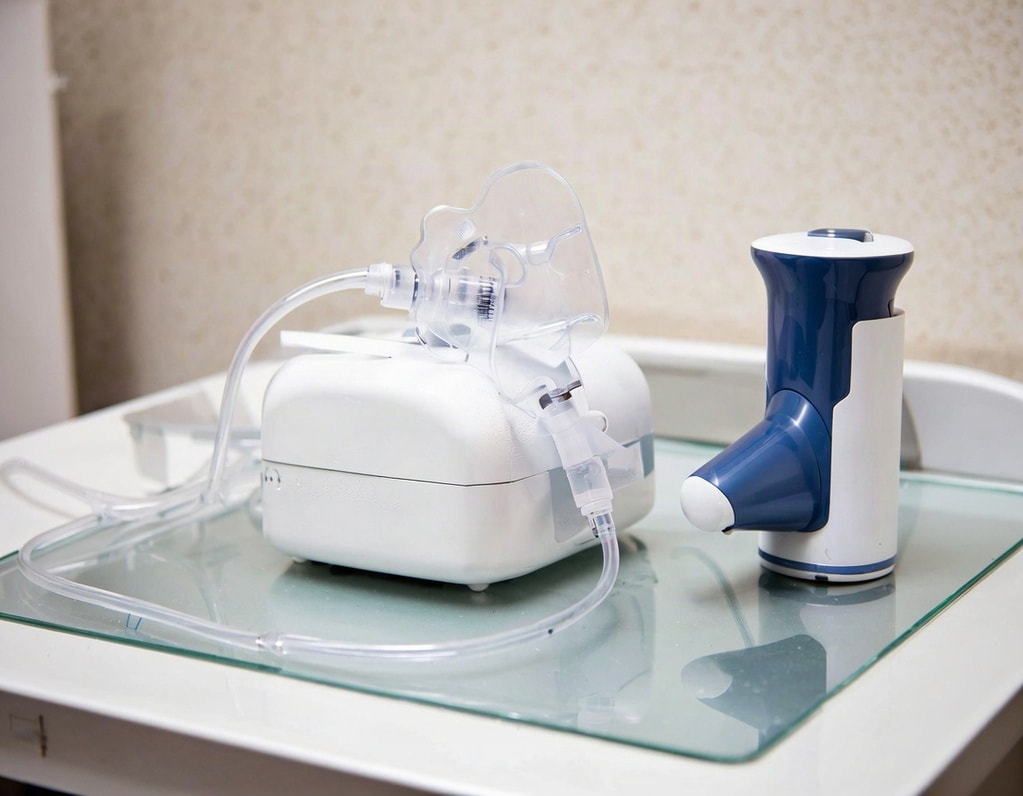
Nebuliser vs Steam Inhaler
Photo Credit: iStock
Some Products You May Like
1. Omron Ultra Compact & Low Noise Compressor Nebuliser
2. MEDTECH Handyneb Super Ultra Compact and Low Noise Compressor Nebuliser Machine
3. Beurer German Engineering IH 18 Compressed Air Technology Nebuliser
4. AGEasy Inhaler Machine
5. HealthSense Steamer for Cold & Cough Steam Inhaler & Vaporiser Machine
6. RCSP Vapouriser Machine, Steamer, Inhaler, All-in-One
7. Pridarsh Portable Mesh Silent and Compact Nebuliser Machine
8. Asbob 3-in-1 steamer for cold and cough, vaporiser steamer
When it comes to managing winter congestion, both nebulisers and steam inhalers can provide relief, but the right choice depends on the severity of symptoms and individual needs. Steam inhalers are often preferred for soothing mild nasal congestion and dryness, while nebulisers are more effective for delivering prescribed medication directly to the lungs, especially for people with respiratory conditions such as asthma or bronchitis. Understanding the differences between these devices can help you choose the most suitable option for your needs. For persistent symptoms or breathing difficulties, it is always best to consult a healthcare professional for proper diagnosis and treatment.
Frequently Asked Questions (FAQs)
1. Can a steam inhaler be used for children?
Yes, but with supervision and careful temperature control so as to prevent burns. Some steam inhalers have child-friendly attachments. Always check the age recommendations before use.
2. Is a nebuliser safe for daily use?
Nebulisers are safe to use regularly with the right medication and under the guidance of a healthcare provider. It is not recommended to use without medical advice.
3. Can essential oils be used in a nebuliser?
No. Do not add essential oils to a nebuliser ever. Breathing them in this way is not safe and can either damage the device or irritate the lungs.
4. Which is better for sinus congestion — nebuliser or steam inhaler?
Steam inhalers are usually better for the sinuses because they work more in the upper airways. A nebuliser is best for lower respiratory conditions.
5. Do steam inhalers help with dry coughs in winter?
Yes, the warmth and dampness may soothe an irritated throat and temporarily relieve a dry cough. It doesn't address the root cause but provides clear short-term relief.
(Disclaimer: This article may include references to or features of products and services made available through affiliate marketing campaigns. NDTV Convergence Limited (“NDTV”) strives to maintain editorial independence while participating in such campaigns. NDTV does not assume responsibility for the performance or claims of any featured products or services.)