Ironing Mistakes That Cause Shiny Patches on Clothes And Easy Ways To Fix Them
Shiny patches after ironing can ruin even the best outfits. This guide explains the most common ironing mistakes that cause fabric shine and shares simple, practical fixes to keep clothes looking smooth, crisp and damage-free.

Ironing Mistakes That Create Shiny Patches On Clothes And How To EraseThem.
Ironing remains one of those chores people either rush through or avoid altogether. Yet, a badly ironed garment stands out instantly, especially under bright lights or sunlight. Shiny patches appear most often on dark clothes, school uniforms, office trousers, and festive outfits. They ruin the texture and steal away that freshly pressed charm.
Many households blame the iron or the fabric, but the real culprits usually hide in technique and temperature choices. Ironing may look simple, but fabrics react differently to heat and pressure. Wool, polyester blends, and even cotton demand attention.
This guide breaks down the most common ironing mistakes that create shiny patches on clothes and offers clear solutions. Each tip feels practical, realistic, and easy to follow, even on busy mornings before work or school.
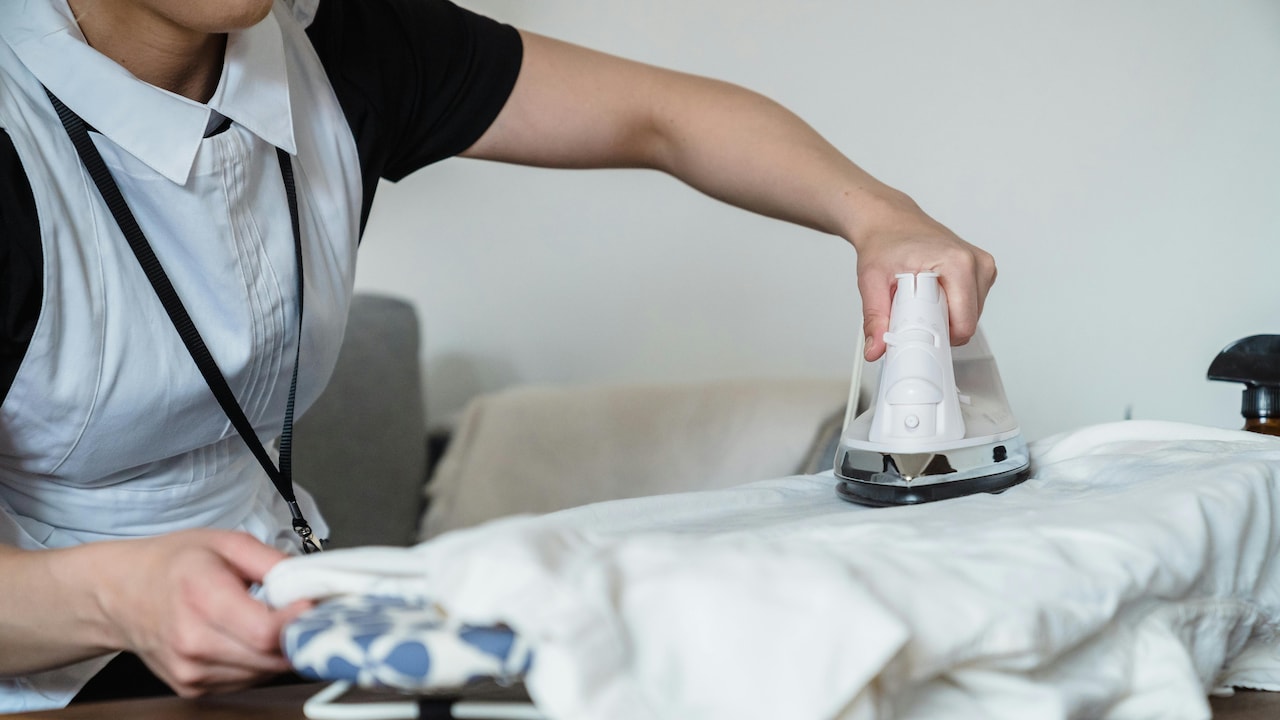
Ironing Mistakes That Create Shiny Patches On Clothes And How To Fix; Photo Credit: Pexels
Understanding The Causes Behind Shiny Iron Marks
1. Using Excessive Heat on Delicate Fabrics
One of the most common ironing mistakes involves turning the heat dial too high. High heat may flatten stubborn creases faster, but it also melts or compresses fabric fibres. When fibres flatten, they reflect light unevenly, creating that dreaded shine.
Synthetic blends, wool trousers, and dark cotton fabrics suffer the most. Office wear often ends up with glossy patches near pockets, seams, or knees because these areas face extra pressure.
How To Fix It:
Always check the care label before ironing. Lower temperatures may take slightly longer, but they protect fabric texture. For blended fabrics, choose the lowest suitable setting. When in doubt, start with less heat and increase gradually. A few extra minutes beat permanent damage every time.
2. Ironing Clothes Directly Without a Protective Layer
Direct contact between the iron's soleplate and fabric often leads to shiny patches. This mistake becomes more visible on dark trousers, uniforms, and festive kurtas. The pressure, combined with heat, smooths fibres too aggressively.
Many households skip using a pressing cloth to save time, but this shortcut costs more in the long run.
How To Fix It:
Place a thin cotton cloth, muslin, or even a clean handkerchief between the iron and the garment. This layer diffuses heat evenly and reduces direct pressure. Steam passes through easily, and fabrics stay protected. This habit works especially well for wool, silk blends, and synthetic fabrics.
3. Applying Too Much Pressure While Ironing
Leaning heavily on the iron feels satisfying, especially when tackling stubborn creases. Sadly, this habit flattens fabric fibres and creates shiny spots that refuse to fade.
Trousers often show shine along the thighs or seams because of repeated pressure in the same areas. School uniforms face similar damage after frequent ironing.
How To Fix It:
Let the iron do the work. Modern irons deliver enough heat and steam without added force. Glide the iron smoothly instead of pressing down. For tough creases, use steam bursts rather than extra pressure. Gentle movements preserve fabric texture and keep clothes looking newer for longer.
4. Ironing Clothes When They Are Completely Dry
Ironing bone-dry clothes increases the risk of shine. Dry fibres respond poorly to direct heat and pressure, especially in cotton and blended fabrics. Moisture helps fibres relax and reshape without damage.
Rushed mornings often lead to ironing fully dry clothes straight from the cupboard.
How To Fix It:
Lightly dampen clothes before ironing. Use a spray bottle or the iron's steam function. Dampness softens fibres and allows creases to smooth out easily. Clothes finish faster, and shiny patches stay away. This method works wonders for heavy fabrics like denim and thick cotton.
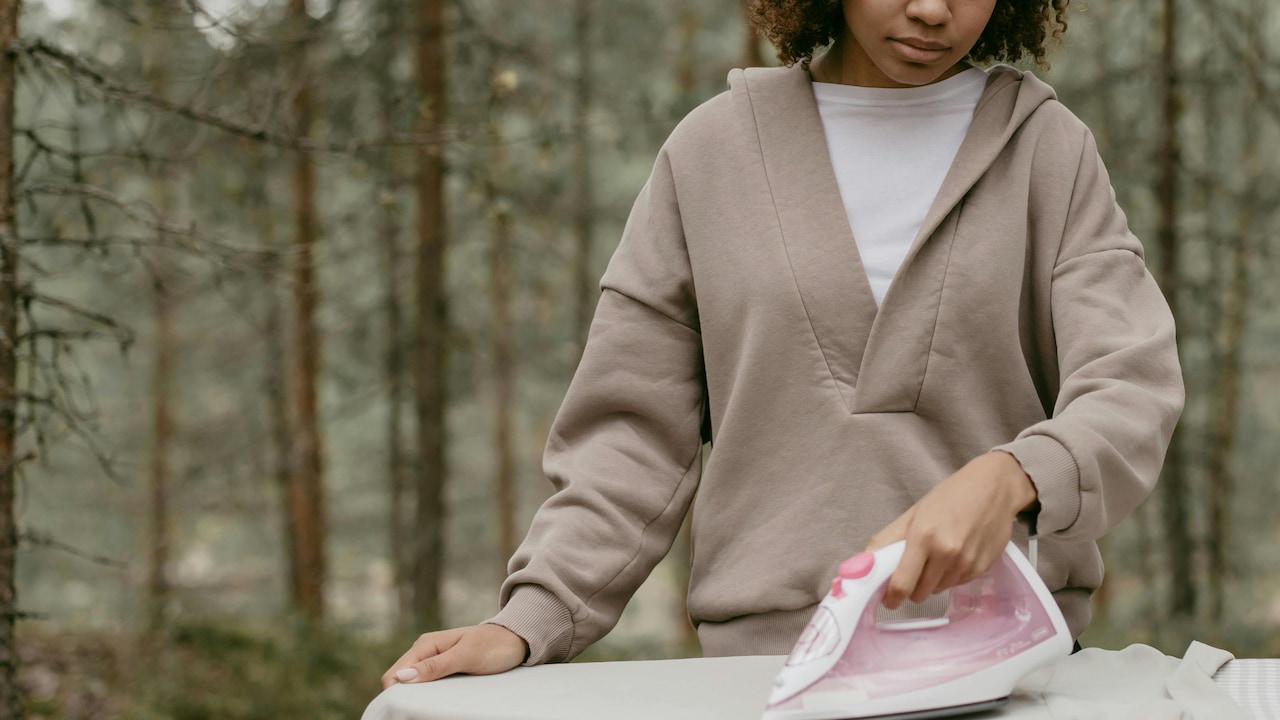
Ironing Mistakes That Create Shiny Patches On Clothes And How To Fix; Photo Credit: Pexels
5. Repeated Ironing Over the Same Spot
Running the iron back and forth over one area seems harmless, but repeated heat exposure damages fibres quickly. Shiny patches often appear on collars, cuffs, and trouser knees because these areas receive extra attention.
This habit sneaks in during multitasking moments or distracted ironing sessions.
How To Fix It:
Iron each section with purpose. Move steadily across the fabric instead of hovering over one spot. If a crease persists, add steam or adjust moisture instead of repeating strokes. Controlled movements reduce heat stress and maintain fabric texture.
6. Ignoring Fabric Direction and Grain
Fabrics have a natural grain and direction. Ironing against it stretches fibres unevenly and increases shine, especially on wool and synthetic blends. This mistake also distorts garment shape over time.
Trousers often show shine along seams because ironing moves against the fabric's natural flow.
How To Fix It:
Iron along the fabric's grain whenever possible. Follow the direction of seams and panels. This technique reduces stress on fibres and keeps garments looking sharp. Paying attention to fabric direction improves results instantly without extra effort.
7. Overusing Steam on Certain Fabrics
Steam feels like a magic solution, but overusing it can cause problems. Excess steam combined with pressure flattens fibres in synthetic fabrics and creates shiny areas once dry.
Some fabrics trap moisture instead of releasing it evenly, leading to patchy shine.
How To Fix It:
Match steam levels to fabric type. Use light steam for synthetics and higher steam for cotton or linen. Allow garments to cool and dry completely before wearing or folding. Cooling helps fibres settle naturally and prevents sheen from developing later.
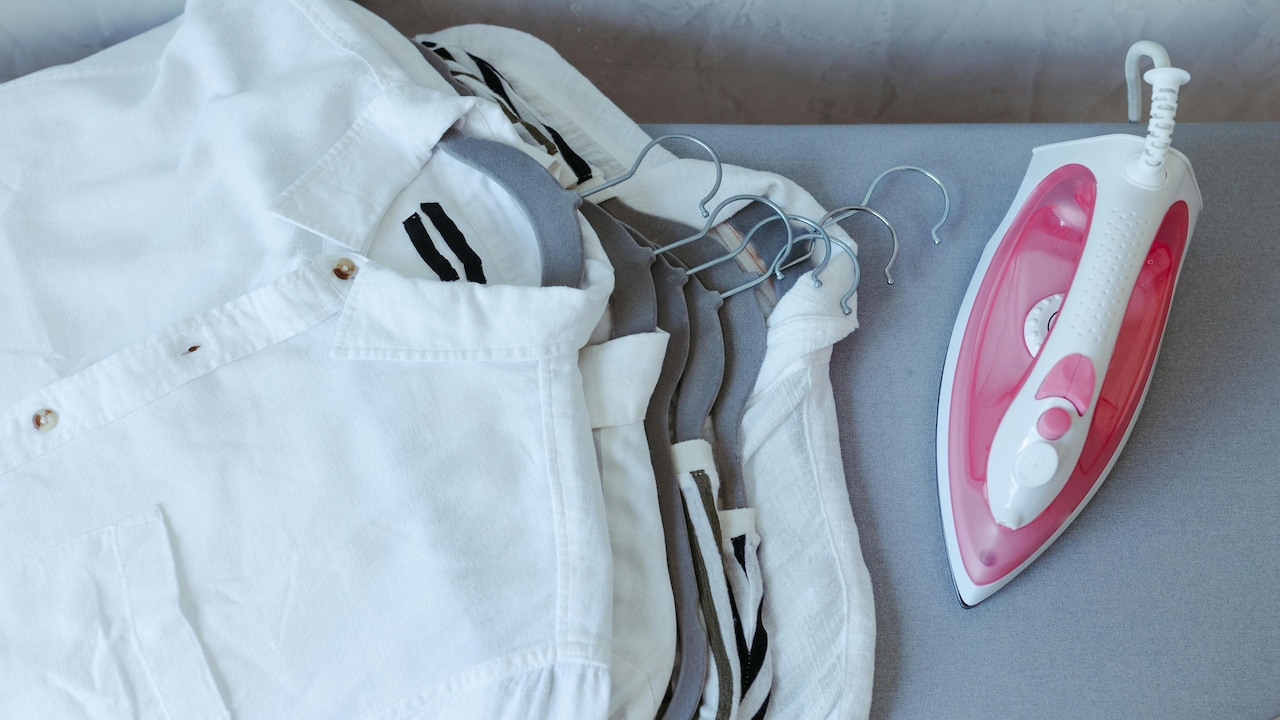
Ironing Mistakes That Create Shiny Patches On Clothes And How To Fix; Photo Credit: Pexels
8. Dirty Iron Soleplate
A dirty soleplate transfers residue onto clothes. Starch build-up, burnt fibres, or mineral deposits create uneven heat and friction. This often results in shiny streaks or marks that appear suddenly.
Many households overlook soleplate cleaning until visible damage appears.
How To Fix It:
Clean the iron regularly. Use a damp cloth when the iron cools, or follow the manufacturer's cleaning instructions. Avoid ironing over zips or embellishments that scratch the soleplate. A clean iron glides smoothly and protects clothes from unnecessary shine.
9. Excessive Use of Starch or Ironing Sprays
Starch creates crispness, but overuse stiffens fibres and increases shine, especially on dark fabrics. Shirts and uniforms often suffer from glossy patches after repeated starch use.
Starch residue also builds up on the iron, worsening the problem.
How To Fix It:
Use starch sparingly and evenly. Spray from a distance and allow it to absorb before ironing. For daily wear, skip starch altogether and rely on steam for a natural finish. Clothes feel softer and last longer without that artificial sheen.
10. Ironing Seams, Hems, and Edges Incorrectly
Seams and hems face double fabric layers, making them prone to shine. Direct ironing compresses fibres where layers overlap, leaving visible glossy lines on the outer surface.
Trousers often show shine along crease lines or side seams due to this mistake.
How To Fix It:
Open seams and iron them flat from the inside whenever possible. Use a pressing cloth for edges and hems. For trousers, press creases lightly instead of sharply. Subtle creases look elegant and avoid that harsh shine common in heavily pressed clothing.
Products Related To This Article
1. Longway Kwid Light Weight Non-Stick Teflon Coated Dry Iron
2. Orient Electric Fabrijoy 1000 Watt Dry Iron for clothes with Weilburger Non Stick Soleplate coating
3. Wipro GD208 Automatic Electric Dry Iron 1200 Watt With Large LED Indicator
4. Havells Glace Plus 1000 Watts Dry Iron Press
5. Bajaj DX-6 1000 Watts Dry Iron
6. Rico 1000W 1.5KG Heavy Weight Dry Iron With 2 Years Replacement Warranty
7. USHA Armor 1100 watts Dry Iron with Shock Proof Plastic Body
Shiny patches on clothes feel frustrating, especially when they appear after careful ironing. These marks rarely mean the garment has reached the end of its life. In most cases, small changes in ironing habits make a big difference.
Lower heat, gentle pressure, proper moisture, and a simple pressing cloth protect fabric fibres and maintain texture. Ironing may remain a chore, but doing it right saves money, time, and wardrobe favourites.
With these practical fixes, clothes stay crisp, comfortable, and shine-free. The next ironing session might even feel a little more satisfying, knowing those glossy patches no longer stand a chance.
(Disclaimer: This article may include references to or features of products and services made available through affiliate marketing campaigns. NDTV Convergence Limited (“NDTV”) strives to maintain editorial independence while participating in such campaigns. NDTV does not assume responsibility for the performance or claims of any featured products or services.)