Induction Cooktop Myths: Why Certain "Compatible" Cookware Fails Due to Thickness And Base Material
Many induction-compatible pans fail due to poor base thickness or unsuitable materials. This article breaks common cookware myths and explains why some utensils buzz, heat unevenly, or refuse to work on induction cooktops.
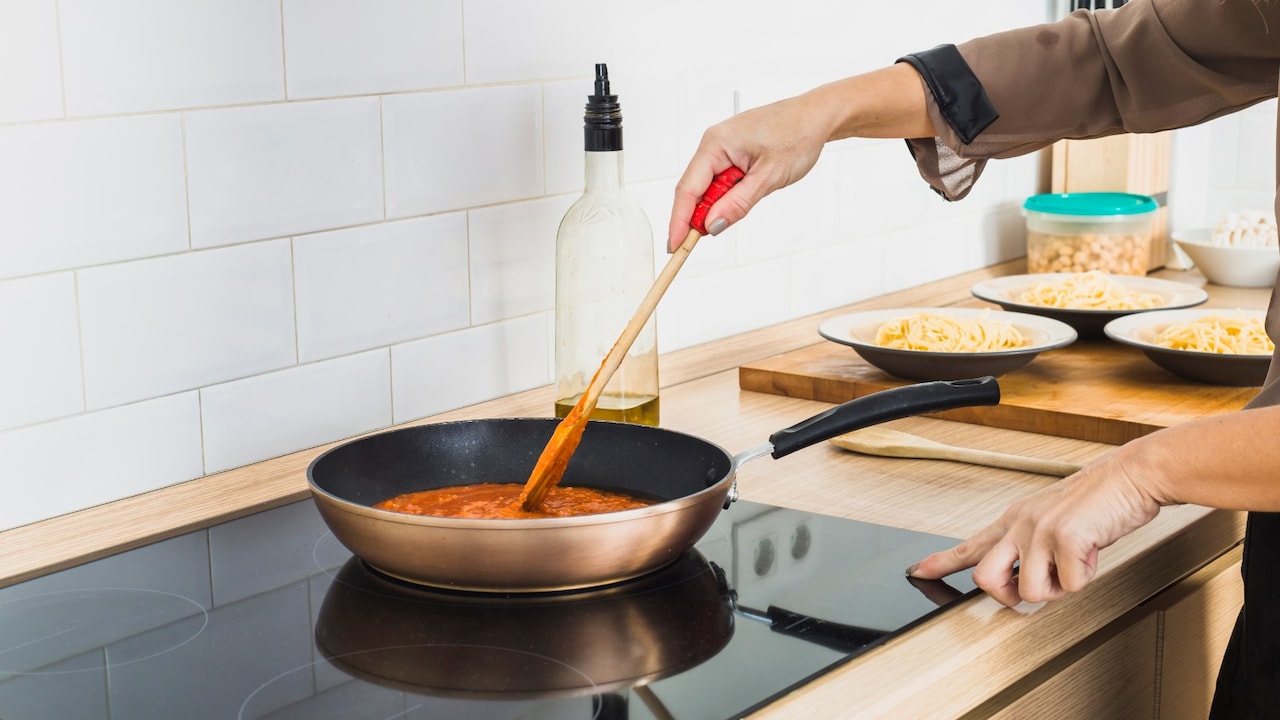
Induction Cooktop Cookware Problems Explained: Thickness, Base Material And Common Myths.
Induction cooktops have quietly moved from novelty to necessity in modern kitchens. Compact flats, rising gas costs and safety concerns have pushed many families towards this sleek alternative. The promise feels irresistible: faster cooking, precise control, and a cooler kitchen even during peak summer.
Yet frustration often follows. A brand-new induction cooktop sits proudly on the counter, but a trusted pressure cooker refuses to heat. A shiny “induction-friendly” pan produces an annoying humming sound. A dosa pan heats at the centre while the edges stay stubbornly cold. Confusion sets in, and myths start circulating over evening chai.
Most of these problems trace back to two overlooked factors: thickness and base material. Labels alone do not tell the full story. Induction cooking works on a different principle, and cookware must meet specific conditions to perform well. Understanding these basics can save money, prevent disappointment, and restore joy to everyday cooking.
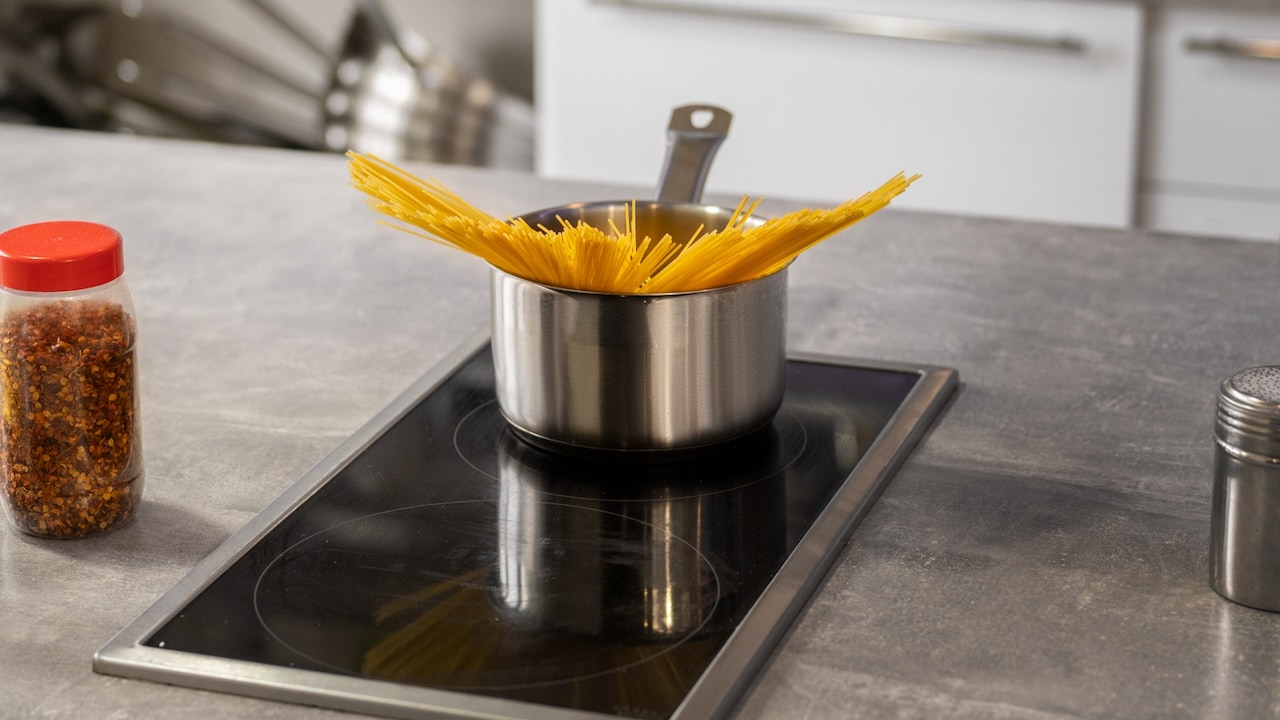
Induction Cookware Myths Exposed: Why Some Compatible Utensils Don't Work; Photo Credit: Pexels
Why Your Cookware and Induction Cooktop Don't Always Get Along
1. The Myth of the ‘Induction-Compatible' Label
The words “induction-compatible” often inspire blind trust. Many shoppers assume the label guarantees smooth performance across all induction cooktops. Reality tells a different story. That label simply means the cookware contains some magnetic material. It does not promise efficient heat transfer or even heating.
In many homes, a pan passes the magnet test yet still struggles on the cooktop. The food heats slowly, or the appliance switches off mid-cooking. This happens because compatibility only marks the starting line, not the finish.
Manufacturers often use the term loosely to stay competitive. A thin steel disc glued under an aluminium pan may attract a magnet, but it fails to distribute heat properly. The cooktop recognises the pan, yet cooking feels uneven and frustrating.
Think of it like buying a raincoat that resists water but leaks at the seams. Technically correct, practically disappointing. True induction performance depends on quality construction, not just a tick on the box.
2. Thickness: When Too Thin Spells Trouble
Thickness plays a crucial role in induction cooking, though it rarely gets attention. Many households reuse lightweight pans from gas stove days, only to face poor results. Thin bases heat too quickly at a single point, leading to hot spots and burnt food.
Induction cooktops generate heat directly in the base of the pan through electromagnetic currents. A thin base cannot spread this energy evenly. The result shows up as scorched dal at the centre and undercooked edges. Flatbreads turn patchy, and gravies stick before flavours develop.
Thin cookware also tends to warp over time. Once the base loses perfect contact with the cooktop surface, efficiency drops further. The cooktop may even stop detecting the pan.
A slightly thicker base acts like a buffer. It absorbs energy evenly and releases heat steadily. Cooking feels calmer, more predictable, and far less stressful.
Also Read: How To Use Non-Stick Cookware Safely: 10 Tips to Prevent Damage And Toxin Risks
3. Too Thick Can Also Be a Problem
Thicker does not always mean better. Some believe the heaviest pan guarantees the best results. That assumption can backfire. Extremely thick bases, especially those designed without induction in mind, may resist heating efficiently.
Induction relies on magnetic responsiveness. If the base includes excessive non-magnetic layers, the cooktop struggles to generate enough heat. Cooking slows down, and power settings feel ineffective.
Heavy cookware also demands more energy to heat initially. For quick weekday meals, this delay becomes annoying. A simple tadka feels like it takes forever, defeating the purpose of switching to induction in the first place.
Balance matters. The ideal base thickness allows efficient magnetic interaction while distributing heat evenly. Well-designed cookware achieves this through layered construction rather than sheer bulk.
4. Base Material: Not All Metals Behave the Same
Material choice sits at the heart of induction performance. Stainless steel, cast iron, and certain carbon steels respond well because they contain iron. Aluminium and copper, despite excellent heat conduction, do not work on their own.
Many pans combine materials to bridge this gap. An aluminium body paired with a magnetic steel base sounds ideal, but execution matters. Poor bonding leads to uneven heating or eventual separation.
Households often notice this when milk scorches unexpectedly or sabzi sticks despite enough oil. The pan technically works, yet cooking feels unpredictable.
Cast iron, on the other hand, offers excellent induction performance. It heats evenly and retains warmth, making it perfect for slow-cooked dishes. The downside lies in weight and maintenance, which may not suit every kitchen routine.
Understanding material behaviour helps in choosing cookware that complements daily cooking habits.
5. The Problem with Sandwich Bases
Sandwich bases appear frequently in modern cookware. These bases layer aluminium or copper between stainless steel sheets. When designed well, they offer superb heat distribution. When designed poorly, they create frustration.
Low-quality sandwich bases often feature uneven layers or insufficient magnetic material. The cooktop detects the pan, but heating remains inconsistent. Users may hear buzzing sounds or experience sudden power cuts during cooking.
In busy households, this leads to mistrust. The cooktop gets blamed, while the real issue lies beneath the pan. Over time, repeated heating and cooling may weaken the bond between layers, further reducing performance.
A reliable sandwich base feels solid, flat, and evenly weighted. It costs more upfront but saves money and stress in the long run.
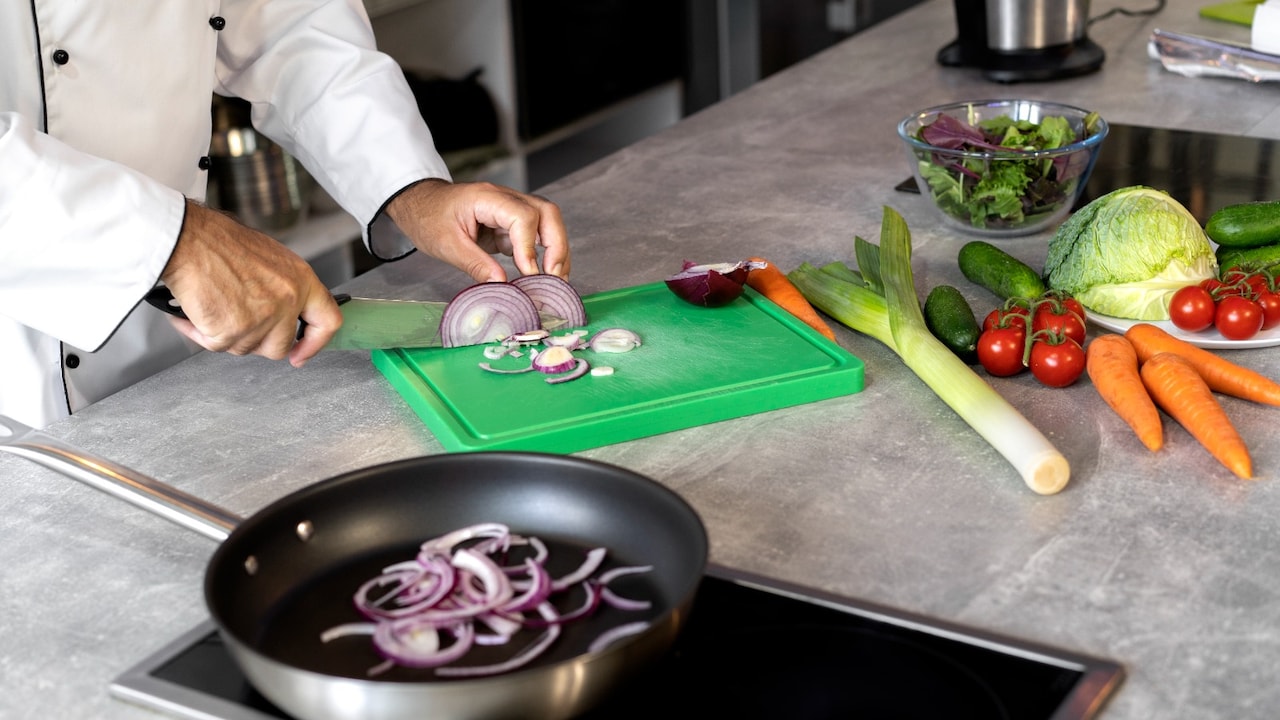
Induction Cookware Myths Exposed: Why Some Compatible Utensils Don't Work; Photo Credit: Pexels
6. Warped Bases and the Flatness Factor
Induction cooktops demand close contact. Even slight warping disrupts energy transfer. Many older pans develop a concave or convex base after years of gas stove use. On induction, this flaw becomes impossible to ignore.
A warped base touches the cooktop only at the edges or centre. Heat concentrates in those spots, leaving the rest underpowered. Cooking turns uneven, and the cooktop may shut off as a safety measure.
This often surprises families who swear by their old cookware. Nostalgia aside, induction technology exposes flaws that gas flames once masked.
Regularly checking base flatness can prevent wasted effort. Placing the pan on a flat surface reveals gaps instantly. Sometimes, retirement becomes the kindest option for a beloved but worn utensil.
7. Size Matters More Than Expected
Cookware size relative to the induction zone matters greatly. A pan that feels slightly smaller or larger than the marked circle may not heat properly.
If the base fails to cover enough of the induction zone, the cooktop struggles to detect it. If the pan extends far beyond the zone, heat concentrates only at the centre. Both scenarios lead to disappointing results.
This issue often appears with large tawas or oversized kadhais. The centre cooks fast while the edges lag. Rotating food helps only slightly.
Choosing cookware that matches the cooktop's zone sizes improves efficiency instantly. Manufacturers rarely highlight this detail, yet it transforms the cooking experience.
8. The Buzzing and Clicking Sounds Explained
Unusual sounds often spark concern. Buzzing, humming or clicking noises make users suspect electrical faults. In most cases, cookware design causes these sounds.
Thin or uneven bases vibrate under electromagnetic currents. Loose sandwich layers amplify the effect. While not dangerous, the noise signals inefficiency.
Heavy, well-constructed cookware stays silent or produces minimal sound. The difference becomes obvious once experienced.
Instead of ignoring these signals, treating them as feedback helps. The cooktop communicates discomfort, much like a pressure cooker whistle warns of rising steam. Listening saves future trouble.
9. Old Habits vs New Technology
Many induction struggles stem from habit. Years of gas stove cooking shape expectations. High flames, quick stirring, and visual cues guided decisions. Induction demands a mindset shift.
Cookware that tolerates uneven flames may fail under precise electromagnetic heating. Thin pans, once prized for speed, now cause burning. Heavy-bottomed vessels earn new respect.
Adjusting heat gradually, preheating less aggressively, and choosing the right utensil restores confidence. Once habits align with technology, induction cooking feels intuitive rather than restrictive.
Change always feels uncomfortable at first. With understanding, it soon feels rewarding.
10. Cost Myths and Smart Spending
Many assume good induction cookware costs a fortune. That belief leads to compromises or reluctance. In reality, smart choices matter more than high prices.
A mid-range pan with the right thickness and material outperforms an expensive but poorly designed one. Spending ₹2,000 wisely beats spending ₹5,000 blindly.
Buying fewer, better pieces often works best. A reliable kadai, a sturdy tawa, and a solid saucepan cover most daily needs. Over time, frustration drops, and cooking regains its rhythm.
Understanding the science behind induction turns shopping into an informed decision rather than a gamble.
Products Related To This Article
1. Philips HD4934/00 1300W Induction Cooktop With Triple MOV For 4Kw Surge Protection With Soft Touch Control
2. Prestige Iris Eco 1200 Watts Induction Cooktop
3. Pigeon By Stovekraft Acer Plus 1800 Watt Induction Cooktop with Feather Touch Control
4. Hafele Magnechef Induction Cooktop
5. Cadlec CookEase 2000W Induction Cooktop
6. IBELL SLIM50 Induction Cooktop
7. Preethi Indicook IC124 Induction Cooktop
Induction cooktops reward knowledge and punish assumptions. Most cookware failures trace back to myths around compatibility, thickness and base material. Labels alone mislead, while hidden construction details decide performance.
Once these factors become clear, induction cooking transforms from a source of irritation into a dependable ally. Meals cook evenly, energy use feels efficient, and the kitchen stays calmer.
The next time a pan disappoints, looking beneath the base reveals the truth. With the right cookware, induction cooking delivers exactly what it promises: control, convenience and comfort, one meal at a time.
(Disclaimer: This article may include references to or features of products and services made available through affiliate marketing campaigns. NDTV Convergence Limited (“NDTV”) strives to maintain editorial independence while participating in such campaigns. NDTV does not assume responsibility for the performance or claims of any featured products or services.)