Common Causes Of Washing Machine Smells And Practical Solutions For Maintaining Freshness
Musty washing machine smells usually come from trapped moisture, detergent residue, grime and poor airflow. Simple habits like cleaning the gasket, leaving the door open and running hot maintenance cycles can keep laundry fresh.
Why Washing Machines Start Smelling And How To Stop It
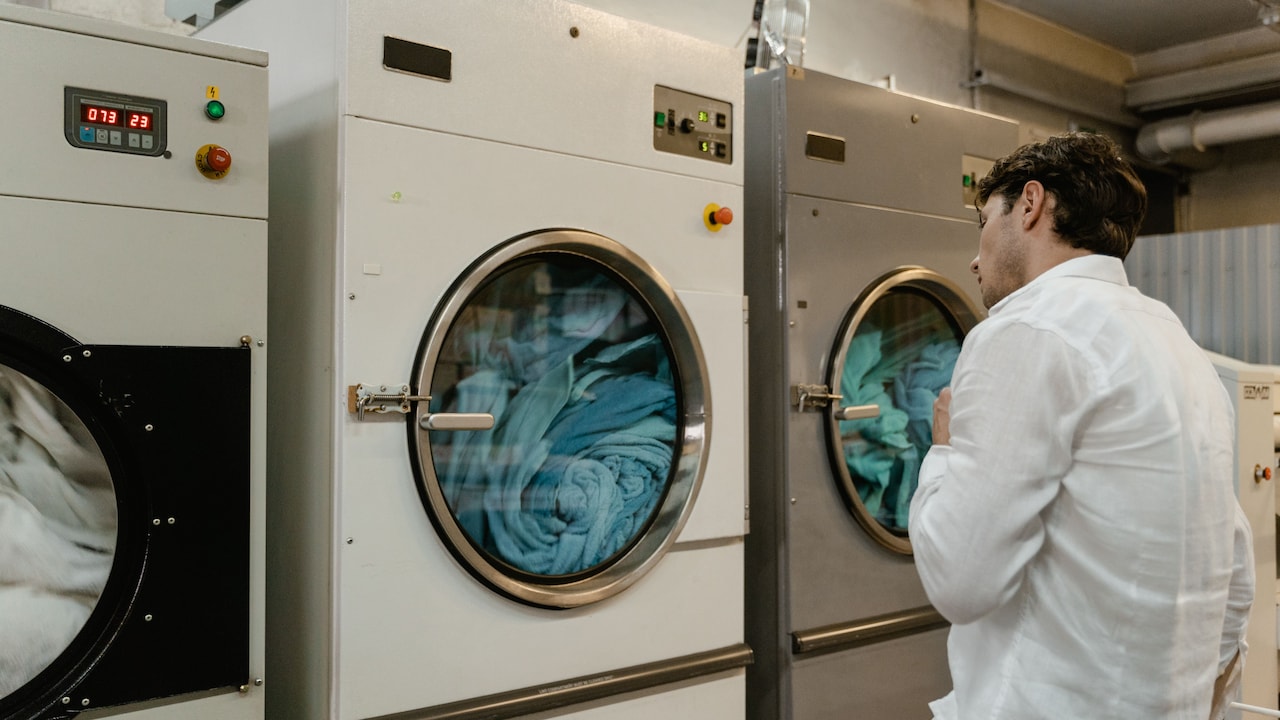
A washing machine sits quietly in the corner, taking on school uniforms, office shirts, bedsheets, gym clothes, kitchen towels and the occasional sock that seems to return from another dimension. It works hard, often without complaint. Then one day, the drum opens, and a sour, damp smell floats out. Suddenly, the machine that promised freshness smells like wet clothes forgotten in a bucket overnight. This problem can feel odd. After all, the machine spends its life with water and detergent. Should it not clean itself along the way? Sadly, no. Modern washing machines use less water, and many homes use cold washes to save electricity. That helps the monthly bill, but it also gives soap residue, dirt and bacteria a cosy place to settle.
Why Washing Machines Start Smelling And How To Stop It
Photo Credit: Pexels
The smell rarely appears overnight. It builds slowly in hidden corners. Once the machine develops that musty odour, clothes may come out smelling dull even after a full wash cycle. A little attention, however, can stop the stink before it turns into a household mystery.
Common Reasons Your Washing Machine Smells And How To Fix Them
Detergent Residue Builds A Sticky Film
Detergent feels like the hero of laundry day, but too much of it quickly turns into the villain. Many people add an extra spoon “just to be safe”, especially when washing sweaty clothes or heavy bedsheets. The machine does not always rinse that extra detergent away. Instead, it leaves behind a sticky film on the drum, pipes, rubber seal and detergent tray.
This film traps dirt, body oils, lint and tiny fabric fibres. Over time, it becomes a feeding ground for bacteria and mildew. The smell then creeps into the drum and clings to clothes. That fresh jasmine detergent may smell lovely in the packet, but it cannot hide a dirty machine for long.
Use only the amount the packet suggests, and reduce it slightly for lightly soiled clothes. Front-load machines usually need low-foam detergent, often marked as suitable for automatic machines. More foam does not mean cleaner clothes. It often means more residue. Think of detergent like salt in dal. The right amount improves everything. Too much ruins the whole pot.
Moisture Gets Trapped After Every Wash
A washing machine loves water, but it hates staying wet for too long. After every cycle, moisture remains inside the drum, gasket, detergent drawer and drain area. When the door stays shut, that moisture has nowhere to go. The warm, damp space then turns into a small holiday resort for mildew.
This happens often during humid months, when even towels take ages to dry. In cities where bathrooms double as laundry corners, ventilation can make matters worse. A closed machine in a closed bathroom quickly develops that wet-cloth smell.
The fix sounds almost too simple, but it works. Leave the door open after every wash. Pull the detergent drawer out slightly as well. Let air move through the machine for a few hours. Wipe the rubber seal with a dry cloth, especially after washing heavy loads. These small habits take less than a minute, yet they stop a large part of the smell problem. A washing machine needs to breathe after work, just like anyone returning home after a crowded local train ride.
The Rubber Gasket Hides Grime
Front-load washing machines have a rubber gasket around the door. It keeps water from leaking, which makes it useful and slightly sneaky. Its folds collect water, lint, coins, hair, detergent residue and sometimes even small bits of paper from forgotten pockets. Leave that mix alone, and it soon starts smelling like a damp rag.
The gasket often causes the strongest odour because people rarely check it. The drum may look clean, but the rubber seal can hide black spots and slimy patches. Those marks usually point to mildew. Once mildew settles in, it can transfer its smell to every wash.
Clean the gasket once a week. Pull the folds gently and wipe them with a cloth dipped in warm water and mild soap. For stubborn grime, use a little white vinegar on the cloth. Avoid harsh scrubbing, as damaged rubber can lead to leaks. Also, check pockets before washing clothes. A single tissue can break into a hundred pieces and turn the gasket into a lint museum. A two-minute check saves a lot of cleaning later.
Cold Washes Do Not Kill The Smell
Cold washes help protect colours, save electricity and suit many everyday clothes. They also have one drawback. They do not always remove grease, body oils and detergent residue from the machine. When every load runs on cold water, grime slowly sticks to internal parts. The machine may clean clothes, but it does not get the hot rinse it needs.
This matters more for towels, undergarments, bedsheets and sweaty sportswear. These items carry body oils and bacteria. Cold water may not break those down fully, especially when the load contains too many clothes. The result feels familiar: clothes look clean but smell stale after drying.
Run a hot maintenance wash every few weeks. Use the hottest cycle the machine allows, with no clothes inside. Add washing machine cleaner or a cup of white vinegar if the manual allows it. Some machines have a drum-clean cycle, which makes the job easier. This hot wash loosens residue and freshens the drum. It is like giving the machine a proper Sunday bath after weeks of daily duty.
Also Read: Washing Machine Capacity Guide For Families, Couples And Singles
The Detergent Drawer Turns Slimy
The detergent drawer sees soap, softener and water every week, so people assume it stays clean. In reality, it often becomes one of the dirtiest parts of the machine. Detergent and fabric softener dry into a thick paste inside the drawer and its hidden channels. This paste traps moisture and starts smelling sour.
Fabric softener causes extra trouble. It leaves a waxy coating that can cling to the drawer and drum. Clothes may feel soft at first, but the machine slowly collects residue. In hard-water areas, the problem grows faster because minerals combine with detergent and form stubborn deposits.
Remove the drawer once a week or every fortnight. Most machines have a small release button inside the tray. Wash it under warm running water and scrub corners with an old toothbrush. Dry it before putting it back. Also clean the slot where the drawer sits, because slime often hides there too. This simple habit keeps detergent flowing properly and stops stale smells from entering the drum. It also makes the machine look cared for, which always feels oddly satisfying.
Overloading Stops Proper Cleaning
Laundry piles can grow like magic. One day, there are three shirts in the basket, and the next morning it looks ready for a family wedding. The temptation to stuff everything into one load feels strong. It saves time, water and patience. Sadly, overloading makes the machine work badly.
Clothes need space to move. Water and detergent must pass through the fabric freely. When the drum gets packed too tightly, clothes rub against each other without proper rinsing. Dirt stays trapped, detergent remains in folds, and the machine struggles to spin. The leftover moisture then adds to the smell inside the drum.
A good rule helps: fill the drum only until there is a hand's width of space at the top. Heavy items like jeans, towels and bedsheets need even more room. Split large loads instead of forcing them in. The clothes will wash better, dry faster and smell fresher. The machine will also last longer. Treat it less like a storage cupboard and more like a hardworking helper with limits.
Dirty Filters Block Freshness
The drain filter catches lint, hair, coins, buttons and other tiny laundry surprises. It protects the pump, but it also collects wet debris. When the filter stays dirty, water may drain slowly. Stale water then sits inside the machine and adds a foul smell to the drum.
Many people discover the filter only after the machine refuses to drain or starts making strange noises. By then, the smell may already have settled. The filter usually sits behind a small panel near the bottom front of the machine. Cleaning it can feel messy, so keep an old towel and a shallow tray ready before opening it. A little trapped water may spill out.
Check the manual before removing the filter. Once opened, clear lint and debris, rinse the filter and fit it back firmly. Do this every month if the machine handles daily laundry. Homes with pets, small children or heavy towel loads may need to clean it more often. A clean filter keeps water moving and helps the machine smell fresh from the inside out.
Why Washing Machines Start Smelling And How To Stop It
Photo Credit: Pexels
Wet Clothes Sit Too Long Inside
Sometimes the machine finishes its cycle, plays its cheerful tune, and then gets ignored. A phone call comes in, lunch needs attention, someone rings the bell, and the washed clothes sit inside for hours. By evening, the drum smells damp and the clothes carry that sour odour.
Wet clothes inside a closed drum create the perfect setting for bacteria. Even freshly washed garments can start smelling stale when they stay bunched together. During the monsoon or in homes with limited drying space, the smell becomes worse because clothes already take longer to dry.
Remove clothes as soon as the cycle ends. Shake them out before hanging so air reaches every fold. Do not leave thick towels or bedsheets twisted into tight ropes. When a forgotten load smells musty, wash it again with a small amount of detergent. Dry it properly in moving air or sunlight whenever possible. Sunlight remains one of the best natural fresheners, and balconies across the country prove this every morning with rows of bright clothes fluttering like festival flags.
Hard Water Leaves Hidden Deposits
Many homes deal with hard water. It leaves white marks on taps, buckets and bathroom tiles, and it does the same inside washing machines. Minerals in hard water combine with detergent and create deposits. These deposits stick to the drum, heating element and pipes. Over time, they trap dirt and smell.
Hard water also reduces detergent performance. People often respond by adding more detergent, which creates even more residue. The cycle continues until the machine starts smelling stale and clothes lose their fresh feel. Towels may turn rough, dark clothes may look dull, and whites may not sparkle as expected.
Use a suitable water softener or descaling product as recommended in the machine manual. Run a descaling cycle every month or two in areas with heavy mineral build-up. Vinegar may help in some cases, but not every manufacturer recommends it, so check the manual first. Also, avoid mixing cleaners randomly. A little care with hard water keeps the machine healthier and may reduce repair costs later. Nobody enjoys spending ₹3,000 on avoidable service visits.
Poor Ventilation Makes Odours Worse
A washing machine placed in a damp, airless corner will smell faster than one kept in a dry, airy spot. Many homes place machines in bathrooms, utility balconies or narrow kitchen corners. These spaces often collect steam, cooking smells and moisture. When air does not move, the machine stays damp long after a wash.
Ventilation matters as much as cleaning. Even a spotless drum can smell musty if the room around it remains humid. During rainy weeks, closed windows and wet floors make the problem worse. The machine absorbs that dampness, and the drum begins to smell like a cupboard that has not seen sunlight in months.
Keep the area around the machine dry. Open a window when possible. Use an exhaust fan in bathrooms. Wipe water from the floor and avoid storing wet mops or buckets right beside the machine. Leave a little gap behind and around the appliance so air can circulate. A washing machine does not need luxury, but it does need breathing space. Fresh air does half the cleaning before any cleaner enters the drum.
Skipping Regular Maintenance Invites Smells Back
A washing machine does not need pampering, but it does need routine care. Smells return when cleaning happens only after the problem becomes unbearable. By then, residue, mildew and trapped grime have already settled deep inside. A small monthly routine prevents that drama.
Set one day each month for machine care. Run a hot empty cycle or drum-clean cycle. Wipe the gasket. Clean the detergent drawer. Check the filter. Leave the door open after every wash. These steps sound ordinary, but together they keep odours away. They also help the machine run better and may extend its life.
Think of it like cleaning a pressure cooker whistle or a mixer jar lid. The appliance works daily, so hidden parts need attention. Ignoring them invites trouble. A fresh-smelling machine also changes the mood of laundry day. Clothes come out crisp, towels feel pleasant, and opening the drum no longer feels like taking a risky sniff test. Regular maintenance turns the washing machine back into what it should be: a quiet, reliable partner in the weekly household rhythm.
Why Washing Machines Start Smelling And How To Stop It
Photo Credit: Pexels
Some Top-Rated Washing Machines You May Like
1. LG 8 Kg 5 Star Smart Inverter Technology Fully Automatic Top Load Washing Machine
2. Haier 6 kg 5 Star Oceanus Wave Drum Washing Machine Fully Automatic Top Load
3. Whirlpool 7 kg Magic Clean 5 Star Fully Automatic Top Load Washing Machine Grey
4. Samsung 7 kg, 5 Star, Eco Bubble Technology
5. Bosch 7 kg 5 Star Fully Automatic Top Load Washing Machine
6. VW 8 kg 5 Star Super Wash Semi Automatic Top Load Washing Machine
A smelly washing machine does not mean the appliance has failed. Most odours come from everyday habits: too much detergent, closed doors, trapped moisture, dirty gaskets, blocked filters, hard water and overloaded drums. These problems build quietly, but they also respond well to simple care.
Fresh laundry starts before clothes enter the machine. It starts with a clean drum, a dry gasket, a clear filter and the right amount of detergent. Leave the door open after washing. Clean the drawer often. Run a hot maintenance cycle every few weeks. Give clothes enough room to move, and remove them soon after the cycle ends.
The reward feels immediate. The sour smell fades, towels smell brighter, shirts feel cleaner, and the laundry corner stops behaving like a damp cupboard. A washing machine may not ask for attention, but it shows gratitude in the best way possible: fresh clothes, fewer odours and one less household headache.
(Disclaimer: This article may include references to or features of products and services made available through affiliate marketing campaigns. NDTV Convergence Limited (“NDTV”) strives to maintain editorial independence while participating in such campaigns. NDTV does not assume responsibility for the performance or claims of any featured products or services.)