Understanding Why Hair Looks Rough After Blow Drying Instead Of Smooth And How To Achieve A Salon Finish At Home
Hair dryers can leave some hair rough because heat, airflow, humidity and hair texture affect the cuticle. The right technique helps reduce frizz and create a smoother finish.
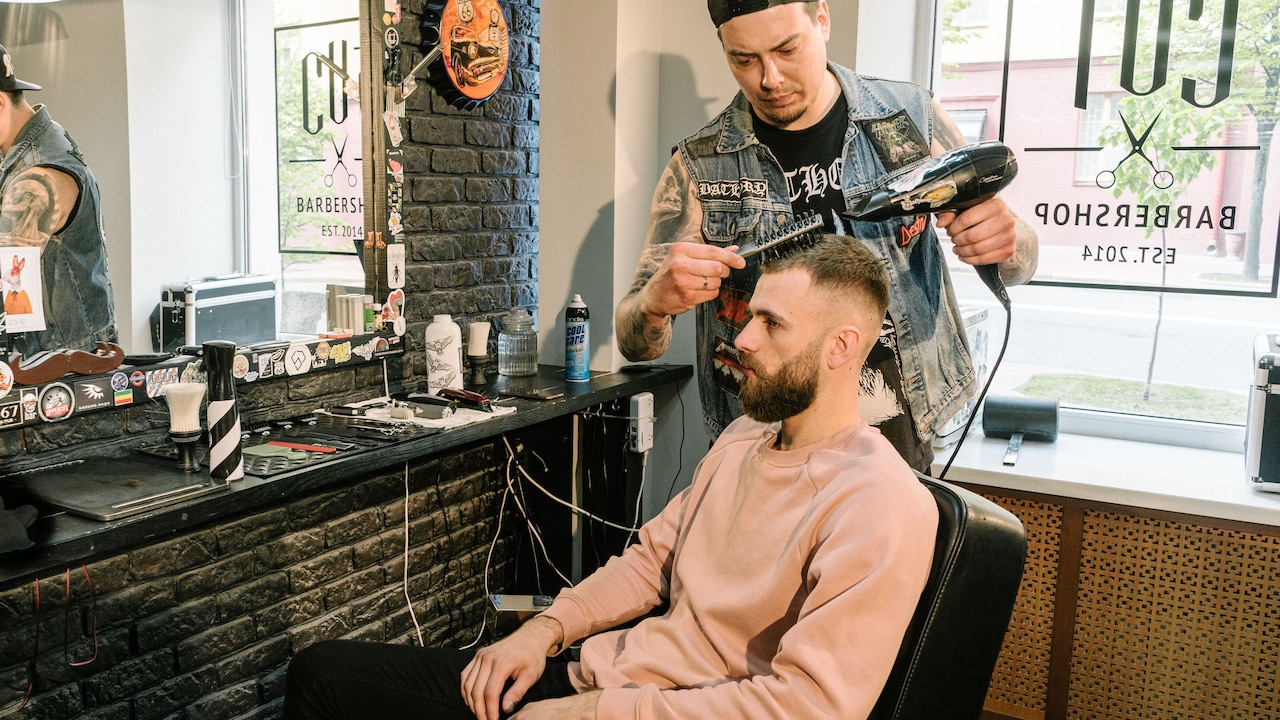
Why Your Hair Looks Rough After Blow-Drying Instead Of Smooth
A hair dryer promises speed, shine, and that neat salon-style finish many people chase before office, college, a wedding function, or a quick café catch-up. Yet the same machine can behave like two different characters. On one hand, it creates a smooth, swishy finish. On another, it leaves hair looking rough, swollen, dull, and slightly offended. Anyone who has stepped out after a careful blow-dry only to meet humid air knows this drama well. The mirror says “polished” at home. The street says “surprise”. Within minutes, smooth hair can turn into a halo of flyaways. The reason does not always sit in an expensive dryer or a fancy serum. Hair texture, strand shape, moisture levels, cuticle health, heat settings, brushing habits, and the local weather all play a role. Some hair types need gentle coaxing. Others need tension, direction, and patience. A dryer can smooth hair beautifully, but only when it works with the hair's natural behaviour, not against it.
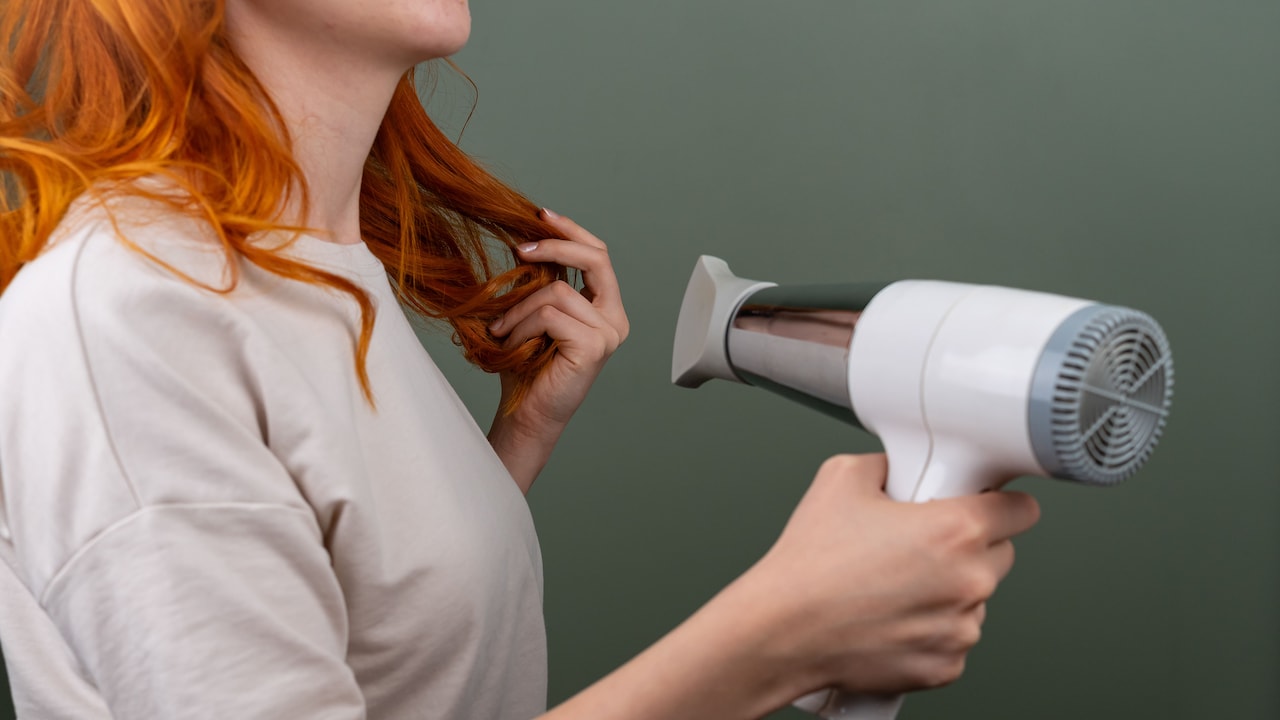
Why Your Hair Looks Rough After Blow-Drying Instead Of Smooth; Photo Credit: Pexels
Why Some Hair Types Turn Rough After Blow-Drying
Fine Hair Loses Moisture Too Quickly
Fine hair often looks easy to manage, but it can become rough very fast under heat. Each strand has a smaller diameter, so it does not hold moisture as generously as thicker hair. When hot air hits it for too long, the strand can lose water quickly and start to look limp in some places and frizzy in others. That strange mix makes hair look tired rather than smooth.
Many people with fine hair also use high heat because the hair dries quickly. That seems practical, especially during a busy morning before catching a metro or cab. Yet high heat can roughen the outer layer of the strand, known as the cuticle. Once the cuticle lifts, light no longer reflects evenly. Hair then looks dull, even if it feels freshly washed.
Fine hair usually responds better to medium heat and strong airflow. It needs movement, not punishment. A lightweight heat protectant helps, too. Heavy creams can flatten it, while no protection leaves it exposed. The goal is simple: dry it before it collapses, but stop before it starts to crackle with dryness.
Also Read: Top 5 Hair Dryers for Curly and Frizz-Free Hair Under ₹2000
Curly Hair Reacts Badly To Random Airflow
Curly hair has its own rhythm. A curl forms because the strand bends, twists, and grows in a curved pattern. When a dryer blasts air in every direction, curls lose their natural grouping. Instead of smooth spirals or waves, the hair separates into tiny strands. That creates frizz, puffiness, and a rough finish.
This problem becomes worse when someone dries curly hair while brushing it out. A brush can break curl clumps, especially when the hair has no styling product or enough slip. The result often looks bigger, but not in a flattering way. It can feel like the hair has expanded into a shape of its own choosing.
Curly hair usually needs controlled drying. A diffuser helps because it spreads airflow gently and keeps curls together. Low or medium heat works better than a hot blast. Scrunching with a microfibre towel before drying can remove extra water without disturbing the pattern.
Smooth curly hair does not mean flat hair. It means defined curls with fewer flyaways. A dryer can achieve that, but only when the airflow respects the curl shape.
Wavy Hair Sits Between Smooth And Frizzy
Wavy hair can confuse its owner. Some days it behaves like straight hair. Some days it acts like curly hair with a flair for drama. This middle nature makes blow-drying tricky. Too much brushing can stretch the waves into uneven bends. Too little control can leave the hair puffy and undefined.
Wavy hair often becomes rough because the dryer disrupts its pattern halfway. The roots may look smooth, while the ends look frayed. The top layer may dry first and lift up, while the inside stays damp. Once the damp sections dry later on their own, they create extra volume and frizz.
A common mistake involves flipping the hair around while drying. It feels fast and gives volume, but it can make waves expand. For a neater finish, the dryer should point down the hair shaft. This helps the cuticle lie flatter. A wide-tooth comb, light leave-in conditioner, or curl-friendly cream can help waves settle without feeling sticky.
Wavy hair needs balance. It likes structure, but it hates being forced into obedience. Treat it gently, and it rewards you with soft movement.

Why Your Hair Looks Rough After Blow-Drying Instead Of Smooth; Photo Credit: Pexels
Thick Hair Needs More Time Than Heat
Thick hair often tempts people to use the highest heat setting. After all, dense hair can take ages to dry. In warm, humid cities, walking around with damp hair can feel like carrying a wet dupatta on the head. High heat seems like the quickest solution. Unfortunately, it can dry the outer layers too aggressively while the inner sections remain wet.
This uneven drying creates roughness. The outside strands become dry and swollen, while the inside hair keeps releasing moisture. That moisture can disturb the finished look later. Hair that seemed smooth at home may turn bulky by lunchtime.
Thick hair needs sectioning more than extreme heat. Drying smaller sections allows air to reach the roots and lengths evenly. A concentrator nozzle can help direct airflow. Without it, the dryer throws hot air everywhere and raises the cuticle.
Patience matters here. Medium heat with steady airflow often works better than high heat with frantic brushing. Thick hair can look rich, glossy, and smooth, but it needs drying in layers. Treating it like one heavy curtain rarely works.
Damaged Hair Shows Every Mistake
Damaged hair behaves differently from healthy hair. Colouring, straightening treatments, harsh brushing, hard water, tight hairstyles, and repeated heat can weaken the cuticle. Once the outer layer no longer lies flat, the hair catches on itself. A dryer then makes the roughness more visible.
Heat does not create all damage in one day. It usually builds quietly. One wedding season with frequent styling, one summer of daily blow-drying, or one long phase of skipping conditioner can leave hair feeling coarse. The ends often suffer first. They look pale, thin, and thirsty, even after a fresh wash.
Damaged hair needs lower heat and more care before drying. A heat protectant is not a luxury here. It acts like a thin shield that reduces direct stress on the strand. A leave-in conditioner can add slip, so the brush glides instead of dragging.
The dryer should not sit too close to damaged hair. A little distance can make a big difference. When hair already feels weak, the aim should be gentle drying, not a full battle with heat and tension.
Humidity Can Undo A Blow-Dry
Humidity has a talent for spoiling good hair days. Hair absorbs moisture from the air, especially when the cuticle has tiny gaps. Once water enters the strand, it swells. This swelling changes the shape of hair and creates frizz. That is why a smooth blow-dry can turn rough after a short walk outside.
This problem feels familiar during monsoon months, coastal weather, or even after spending time in a steamy kitchen. Hair may look polished indoors, then expand the moment it meets damp air. The dryer did its job, but the environment had other plans.
Some hair types attract humidity more than others. Curly, wavy, porous, and damaged hair usually react faster. Fine hair may become limp at the roots and fuzzy at the ends. Thick hair may turn bulky.
Anti-humidity creams, light serums, and finishing sprays can help seal the surface. They cannot defeat the weather completely, but they can slow the frizz. Drying hair fully also matters. Hair that remains slightly damp will invite more swelling later. In humid weather, almost-dry hair often becomes almost-a-problem.
The Cuticle Decides The Shine
The cuticle is the outermost layer of hair. Imagine tiny overlapping tiles on a roof. When these tiles lie flat, hair looks shiny and smooth. When they lift, hair looks rough, dull, and frizzy. A hair dryer can either help flatten the cuticle or make it stand up.
Direction matters. Pointing the dryer downwards, from roots to ends, encourages the cuticle to sit flatter. Blasting air upwards does the opposite. It lifts the surface and creates flyaways. This small detail often explains why salon blow-dries look smoother. A stylist controls the angle carefully.
Heat also affects the cuticle. Too much heat can dry it out and make it less flexible. Rough towel drying before using the dryer can worsen the situation. Rubbing hair fiercely with a towel may feel satisfying, but it scrapes the strand surface. A soft towel or old cotton T-shirt works better.
Shine does not come only from oils or serums. It comes from alignment. When strands lie in the same direction, light reflects neatly. A dryer can create that effect, but only with controlled airflow and a gentle hand.
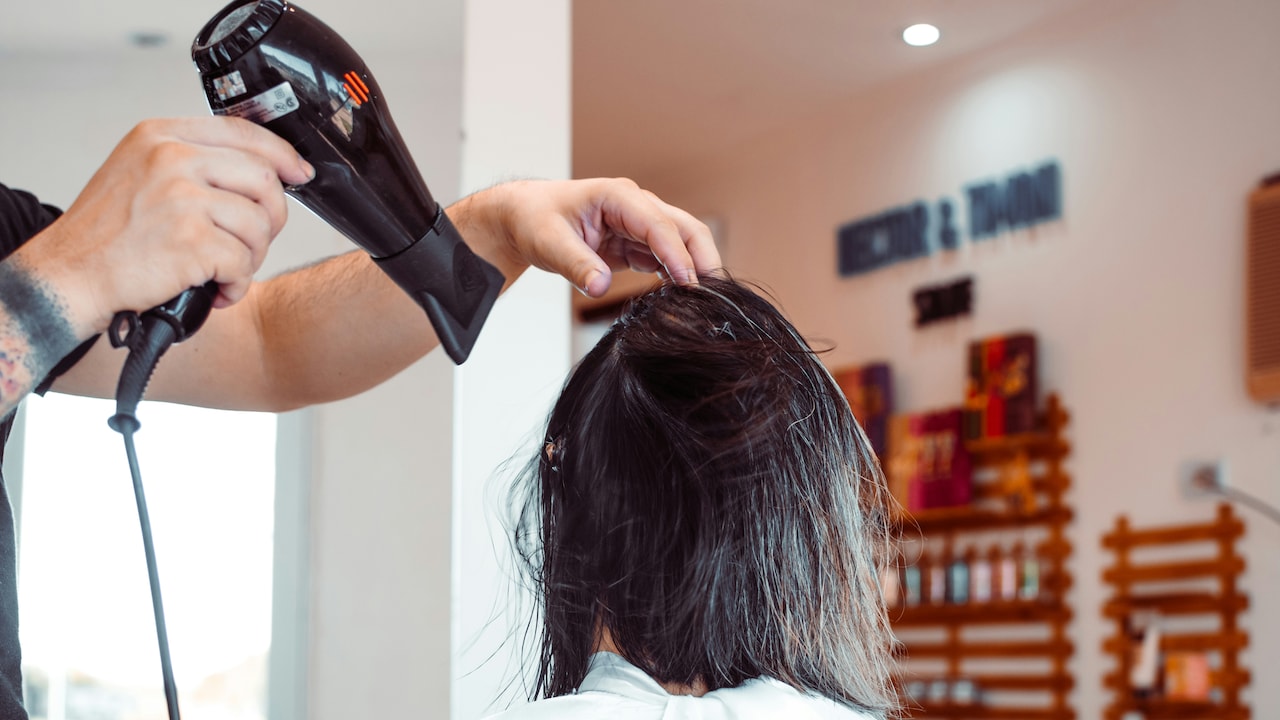
Why Your Hair Looks Rough After Blow-Drying Instead Of Smooth; Photo Credit: Pexels
Brushing Technique Can Create Frizz
A brush can smooth hair, but it can also create chaos. The result depends on the brush type, timing, and tension. Brushing soaking wet hair while blasting hot air often causes stretching and breakage. Hair becomes weaker when wet, so rough pulling can leave it frayed.
Some people brush too fast while drying. The brush yanks through knots, the dryer follows with heat, and the hair ends up looking rough. Smooth blow-drying needs steady tension, not aggression. The brush should guide the hair, not fight it like a stubborn suitcase zip.
Round brushes can create a polished shape, but they need practice. Paddle brushes work well for straighter textures. Wide-tooth combs suit waves and curls better. The wrong tool can disturb the natural pattern of the hair and create flyaways.
Detangling before drying helps. A leave-in product can reduce friction. Starting from the ends and moving upwards prevents knots from tightening. Good brushing does not need force. It needs patience, sectioning, and a little kindness. Hair remembers rough handling, especially near the ends.
Product Overload Makes Hair Look Coarse
Products promise shine, smoothness, repair, gloss, volume, bounce, and sometimes miracles before breakfast. Yet too much product can make blow-dried hair look rough or heavy. Creams, oils, gels, sprays, and serums can build up on the strand. When heat hits that layer, hair may feel sticky, coated, or uneven.
Product overload also attracts dust and sweat, especially in busy cities where hair faces pollution, heat, helmets, scarves, and long commutes. A heavy serum may look glossy for ten minutes, then turn greasy at the roots and dry at the ends. The finish can look rough because the hair no longer moves freely.
The amount matters more than the price. A ₹900 serum used badly can disappoint, while a small amount of a simple leave-in can work beautifully. Fine hair needs lightweight formulas. Thick or curly hair may need richer creams, but even then, moderation helps.
Apply products to damp hair, not dripping hair. Spread them evenly through the lengths and ends. Avoid dumping everything near the crown. Smooth hair needs support, not a full buffet of styling products.
Wrong Heat Settings Change The Result
Many dryers offer heat and speed settings, but people often use only one: maximum. That setting may dry hair quickly, but it does not suit every texture. High heat can roughen fine, damaged, coloured, curly, or porous hair. It can also make the scalp sweaty, which ruins volume at the roots.
Medium heat usually works for most hair types. High speed can remove water fast without scorching the strand, while medium heat keeps the process safer. Low heat helps fragile hair, fringes, curls, and final touch-ups. The cool shot has a purpose too. It helps set the shape once the hair has dried.
A dryer should move constantly. Holding it in one place can overheat that section. Keeping it a few inches away protects the hair and gives airflow space to work. The nozzle should guide air down the hair shaft for smoothness.
A good blow-dry is not a race. It is more like making a proper cup of chai. Too rushed, and something feels off. The right heat, timing, and finish make all the difference.
Top-Rated Hair Styling Products Available On Amazon
1. VEGA PROFESSIONAL Pro Dry 2000W Hair Dryer for Woman
2. IKONIC Pro 2100+ Hair Dryer 2000 Watts, Black
3. Philips India's No.1 Hair Styling Brand
4. Nova Hair Dryer with Styling Nozzle
5. BEARDO Studio Professional Tornado Hair Dryer With 2000 Watts Power
6. Philips India's No.1 Hair Styling Brand
7. Havells HD3151 1200 W Foldable Hair Dryer
Hair dryers do not automatically make hair rough. They reveal how hair responds to heat, airflow, moisture, and handling. Fine hair dries too quickly. Curly hair dislikes random airflow. Wavy hair needs balance. Thick hair needs sections. Damaged hair needs mercy. Humidity, product build-up, rough brushing, and wrong heat settings can turn even a promising blow-dry into a frizzy surprise.
Smooth hair begins before the dryer switches on. Gentle towel drying, detangling, the right product, and sensible heat all matter. During drying, direction and patience matter even more. The dryer should work with the grain of the hair, not blast it into confusion.
A salon-style finish at home does not require a dressing table full of expensive products. It needs a little understanding of hair type and a few kinder habits. Once the dryer stops acting like a storm and starts behaving like a tool, roughness reduces. Hair looks calmer, softer, and far more ready to face the day.
(Disclaimer: This article may include references to or features of products and services made available through affiliate marketing campaigns. NDTV Convergence Limited (“NDTV”) strives to maintain editorial independence while participating in such campaigns. NDTV does not assume responsibility for the performance or claims of any featured products or services.)