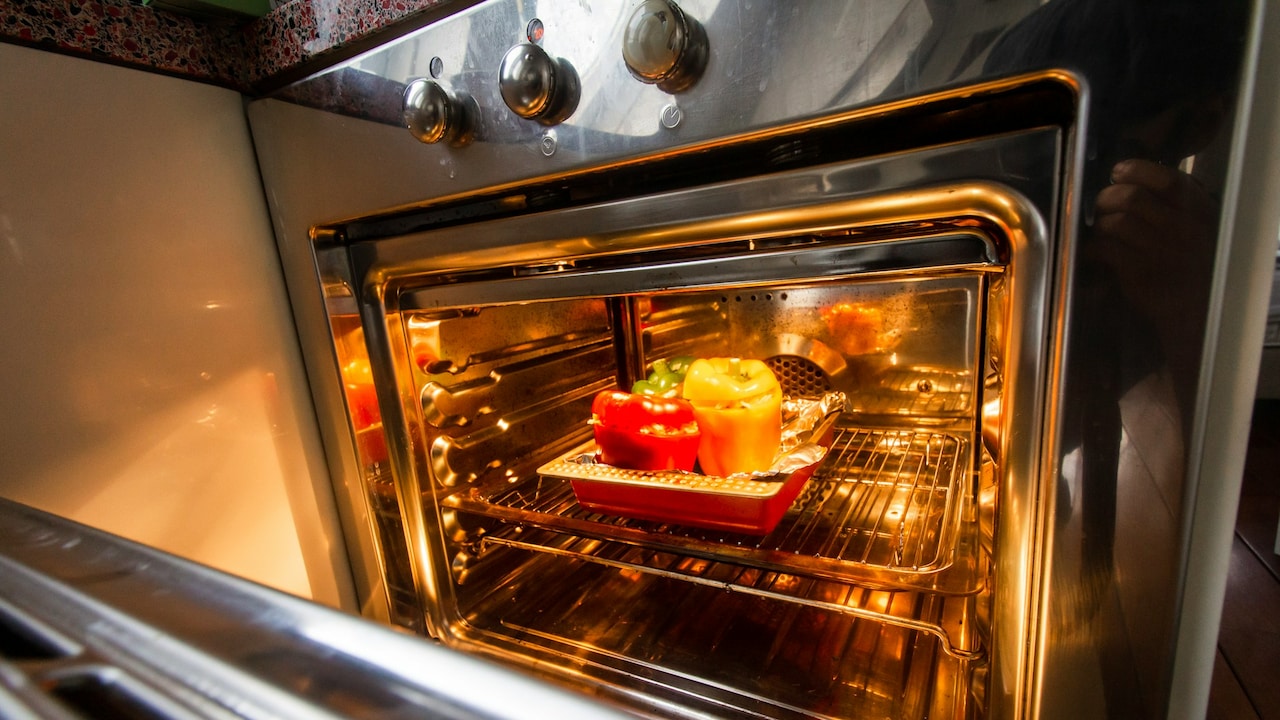
Why Gas Stove Design Matters More Than Most Buyers Realise
Most buyers focus on price, but gas stove design quietly affects safety, efficiency and ease of use. The right design can save time, reduce effort and make everyday cooking far more enjoyable.
Why Gas Stove Design Matters More Than Most Buyers Realise
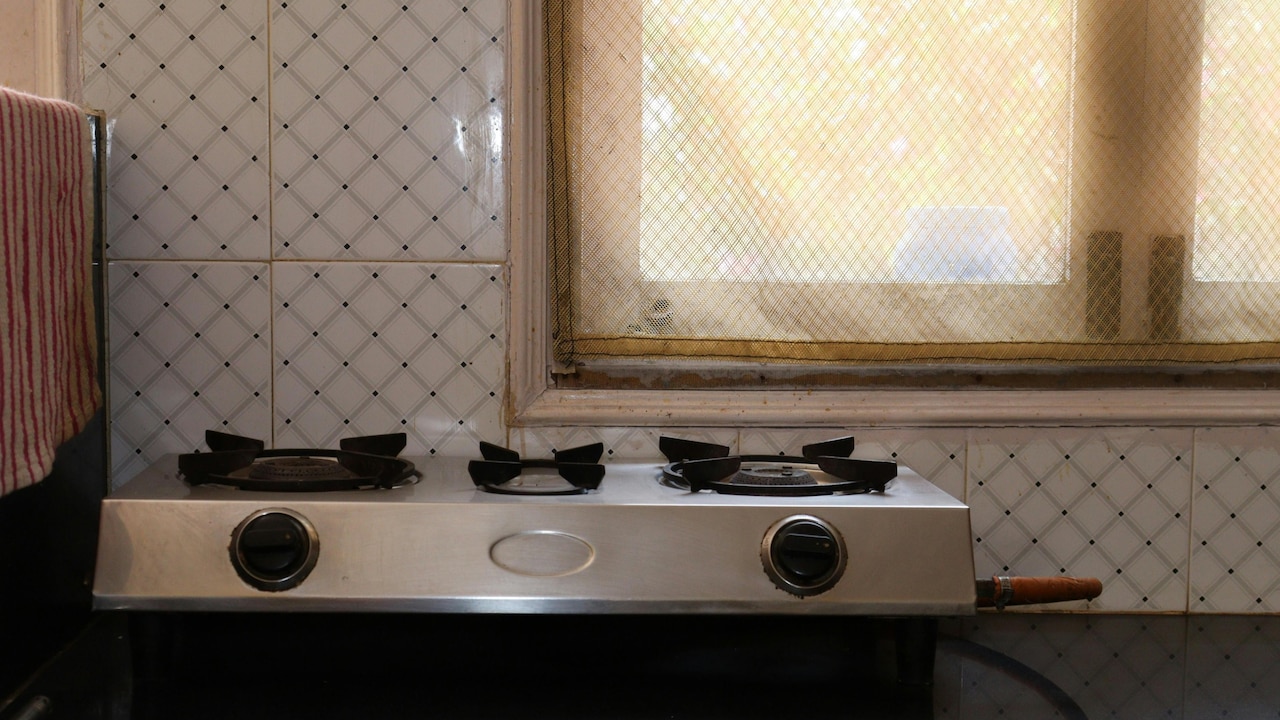
Walk into any kitchen, and the gas stove usually claims centre stage. It hums through morning chai rituals, handles hurried weekday dinners, and supports elaborate festive feasts. Yet, when it comes to buying one, design rarely receives the attention it deserves. Many shoppers focus on price tags or brand names, often overlooking how the stove's design influences daily cooking. A well-designed gas stove does more than just hold a flame. It shapes how quickly food cooks, how safe the process feels, and how effortless cleaning becomes afterwards. In households where cooking happens multiple times a day, even small design features can save precious minutes or prevent unnecessary frustration.
From burner spacing to knob placement, every element tells a story. Some designs feel intuitive, almost like second nature. Others create subtle inconveniences that build over time. Understanding these details can turn a routine purchase into a smart, long-term investment.
The following sections explore ten aspects of gas stove design that deserve more attention, offering a fresh perspective on something that often gets taken for granted.
Why Gas Stove Design Matters More Than Most Buyers Realise
Photo Credit: Pexels
Key Design Elements Every Buyer Should Notice
Burner Placement And Spacing
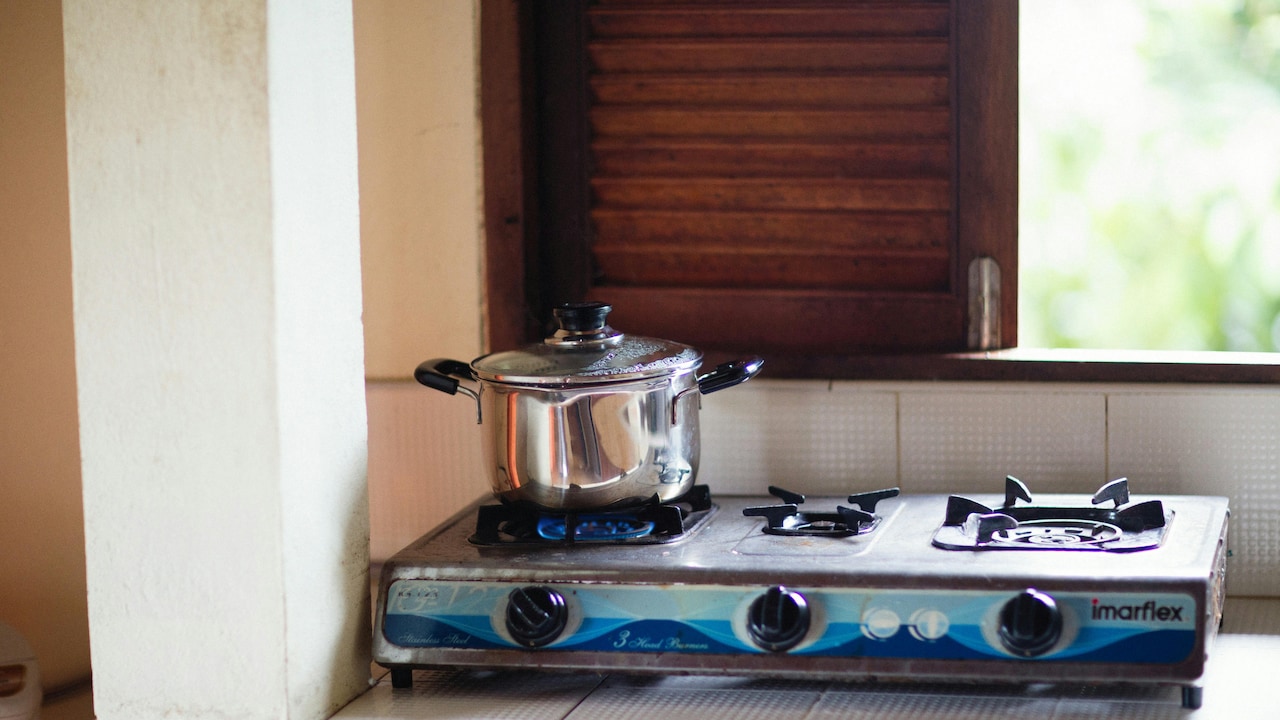
Burner placement might seem like a minor detail, yet it directly affects how comfortably cooking unfolds. A cramped layout can make handling multiple pots feel like solving a puzzle, especially during busy meal preparations. Imagine trying to stir dal while keeping an eye on sabzi, only to realise the handles keep clashing.
A well-spaced design allows each vessel its own breathing room. It prevents accidental spills and reduces the risk of burns. Larger families or those who enjoy cooking elaborate meals benefit greatly from wider spacing, as it supports multitasking without chaos.
Designers who understand real kitchen habits often place burners in a way that balances size and accessibility. This thoughtful arrangement transforms cooking into a smoother rhythm rather than a constant juggle. Over time, such convenience saves effort and reduces fatigue, especially for those who spend long hours in the kitchen.
Material Quality And Durability
The material of a gas stove does more than determine its appearance. It influences how long the appliance lasts and how well it withstands daily wear. Stainless steel options often offer durability, while toughened glass tops add a sleek, modern touch.
However, not all materials handle heat, spills, or rough usage equally. A cheaper surface might look appealing at ₹2,000 or ₹3,000, but it may show scratches or stains within months. On the other hand, investing slightly more, say ₹5,000 to ₹7,000, can result in a surface that resists damage and stays attractive for years.
Durability also affects safety. A sturdy build ensures stability, reducing the chances of accidental tipping. Over time, a reliable material saves money by avoiding frequent replacements. Choosing wisely here means fewer regrets later, especially in a kitchen that rarely gets a day off.
Ease Of Cleaning
Cleaning often decides whether a kitchen feels inviting or exhausting. Gas stove design plays a crucial role in this daily chore. Smooth surfaces, removable drip trays, and minimal crevices can make cleaning surprisingly quick.
In contrast, designs with awkward corners or fixed parts tend to trap grease and food particles. Over time, these spots become stubborn and demand extra effort. After a long day, scrubbing a complicated stove can feel like an unnecessary burden.
Modern designs often focus on practicality, allowing parts to detach easily for thorough cleaning. This feature not only saves time but also maintains hygiene. A clean stove contributes to better cooking conditions and reduces unpleasant odours.
Ultimately, a design that simplifies cleaning brings peace of mind. It turns a dreaded task into a manageable routine, leaving more time for what truly matters.
Flame Control And Efficiency
Flame control shapes how well dishes turn out. From slow simmering to high-heat frying, different recipes demand precise adjustments. A good design ensures knobs respond smoothly, allowing accurate control without sudden jumps in intensity.
Efficient burners also distribute heat evenly. This consistency prevents food from burning in one spot while remaining undercooked in another. It becomes especially important for dishes that require patience and balance.
Fuel efficiency ties closely to this aspect. A well-designed burner uses gas effectively, reducing wastage. Over months, this translates into noticeable savings on gas refills, which often cost ₹1,000 or more.
Cooking becomes less about guesswork and more about confidence when flame control works seamlessly. It allows flavours to develop properly, making everyday meals taste just a bit better.
Safety Features And Stability
Safety should never feel like an afterthought in the kitchen. A thoughtfully designed gas stove incorporates features that protect users without complicating usage.
Anti-skid legs, for instance, keep the stove firmly in place. This simple addition prevents slips during vigorous stirring or when shifting heavy pots. Similarly, well-designed pan supports ensure vessels remain stable, reducing the risk of spills.
Knob placement also contributes to safety. Controls positioned away from direct heat minimise accidental burns. Some designs even include child-lock features, offering extra peace of mind in households with young children.
A stable and secure stove builds confidence. It allows cooking to remain an enjoyable activity rather than a cautious balancing act. Over time, these small design decisions create a safer environment for everyone.
Aesthetic Appeal And Kitchen Harmony
A gas stove often acts as a visual anchor in the kitchen. Its design can either blend seamlessly with the surroundings or stand out awkwardly. While functionality remains crucial, aesthetics should not be ignored.
A sleek glass-top stove can elevate the overall look, adding a touch of sophistication. Matte finishes or classic steel designs, on the other hand, offer timeless appeal. The choice often depends on personal style and kitchen décor.
A visually pleasing stove creates a sense of pride. It makes the kitchen feel more organised and inviting, encouraging more time spent experimenting with recipes. Even guests tend to notice a well-designed appliance, adding to the charm of the space.
In many homes, the kitchen serves as a social hub. A thoughtfully designed stove contributes to that warmth, making the space feel complete.
Size And Compatibility With Kitchen Space
Every kitchen comes with its own set of constraints. Some offer generous counter space, while others demand careful planning. Choosing the right stove size ensures harmony rather than clutter.
A large stove in a compact kitchen can feel overwhelming, leaving little room for other tasks. Conversely, a small stove in a spacious setup might limit cooking efficiency, especially during gatherings.
Designers often create models that cater to different needs, from two-burner options for smaller households to four-burner setups for larger families. The key lies in matching the stove to the available space and cooking habits.
A well-fitted stove enhances workflow. It allows easy movement and reduces unnecessary adjustments. Over time, this compatibility makes cooking feel more natural and less constrained.
Knob Design And User Experience
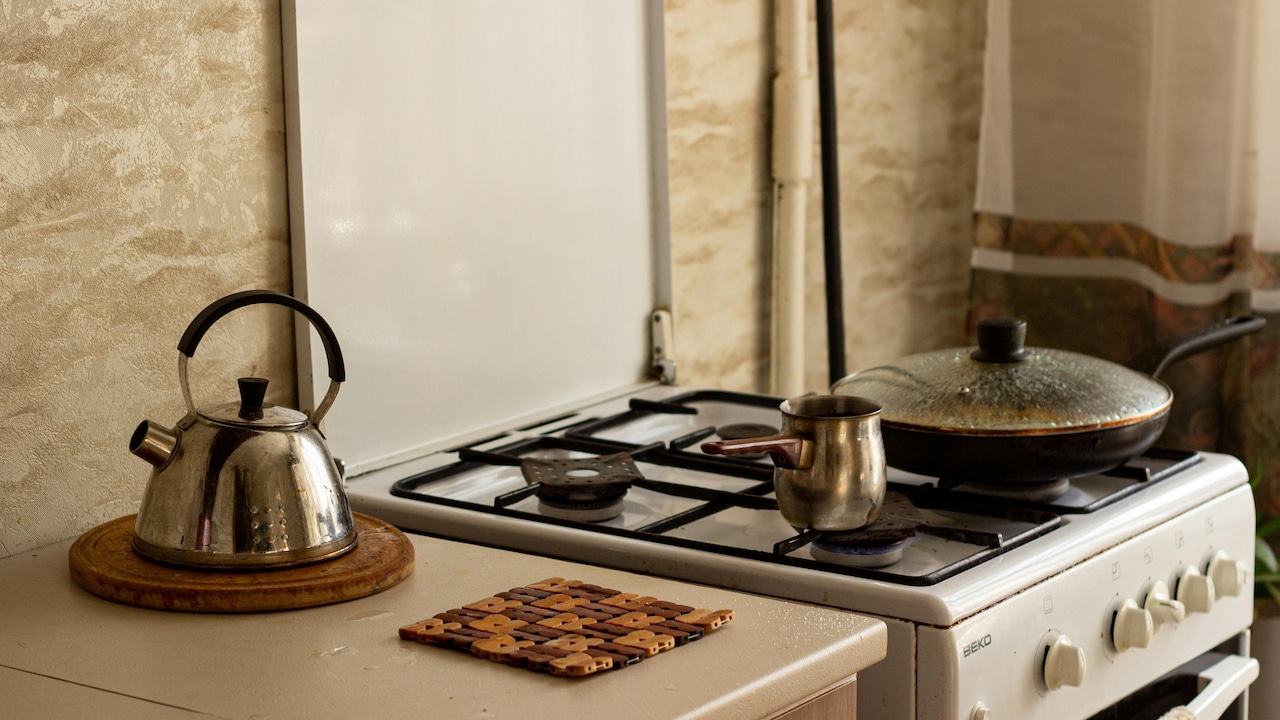
Knobs might seem like a minor detail, yet they play a vital role in everyday interaction. A well-designed knob feels comfortable to grip and turns smoothly without stiffness.
Poorly designed knobs can frustrate users. They may become loose over time or require excessive force, making simple adjustments feel like a chore. During busy cooking sessions, such inconveniences can disrupt the flow.
Ergonomic designs focus on ease of use. Clear markings and intuitive placement ensure that even first-time users can operate the stove confidently. This becomes especially helpful in households where multiple people share cooking responsibilities.
A good knob design enhances the overall experience. It adds a layer of comfort that often goes unnoticed until it is missing.
Why Gas Stove Design Matters More Than Most Buyers Realise
Photo Credit: Pexels
Heat Resistance And Longevity
Constant exposure to heat challenges any kitchen appliance. A gas stove must handle this stress without losing its form or function. Heat-resistant materials ensure the stove remains reliable over time.
Poor resistance can lead to discolouration, warping, or weakened components. These issues not only affect appearance but also compromise performance. Investing in a design that prioritises heat endurance prevents such problems.
Manufacturers often use specialised coatings or reinforced materials to improve resilience. While these options may cost slightly more upfront, they reduce maintenance and replacement costs in the long run.
A stove that withstands heat gracefully becomes a dependable companion. It continues to perform efficiently, even after years of daily use.
Also Read: LPG Gas Shortage In India: Shop These 5 Electric Cooktops Before They Sell Out
Value For Money And Long-Term Investment
Price often dominates purchase decisions, yet true value extends beyond the initial cost. A thoughtfully designed gas stove offers benefits that justify a higher price tag.
A model priced at ₹6,000 might seem expensive compared to a ₹3,000 alternative. However, better durability, efficiency, and ease of use can save money over time. Fewer repairs, lower gas consumption, and longer lifespan all contribute to overall savings.
Design influences how often the stove needs replacement or maintenance. A cheap option may demand frequent fixes, while a well-built one continues to perform reliably for years.
Viewing the purchase as an investment shifts perspective. It encourages buyers to prioritise quality and design, ensuring the stove delivers consistent value every day.

Why Gas Stove Design Matters More Than Most Buyers Realise
Photo Credit: Pexels
Products Related To This Article
1. Sujata 4 Burner Gas Stove Glass Top
2. Whirlpool 70cm 3 Burner Auto Ignition Hob
3. Glen Premium LPG Gas Stove 4 Burner
4. Pigeon Aster Gas Stove 2 Burner with High Powered Brass Burner
5. Elica 75cm 3 Burner Auto Ignition Hob
A gas stove may appear simple at first glance, yet its design holds remarkable influence over daily life. From safety and efficiency to comfort and aesthetics, every detail contributes to the overall experience.
Choosing the right design requires attention beyond price or brand. It involves understanding how each feature fits into everyday routines. A well-designed stove supports smoother cooking, reduces stress, and even saves money in the long run.
In kitchens where meals bring people together, the stove quietly plays a central role. Giving its design the attention it deserves transforms it from a basic appliance into a reliable partner. And in the rhythm of daily cooking, that difference becomes impossible to ignore.
(Disclaimer: This article may include references to or features of products and services made available through affiliate marketing campaigns. NDTV Convergence Limited (“NDTV”) strives to maintain editorial independence while participating in such campaigns. NDTV does not assume responsibility for the performance or claims of any featured products or services.)