Why Small OTGs Work Better Than Bigger Ones For Many Homes
Small OTGs suit modern kitchens better with faster heating, lower power use, and just-right capacity. Discover why compact ovens often outperform larger ones for everyday cooking.
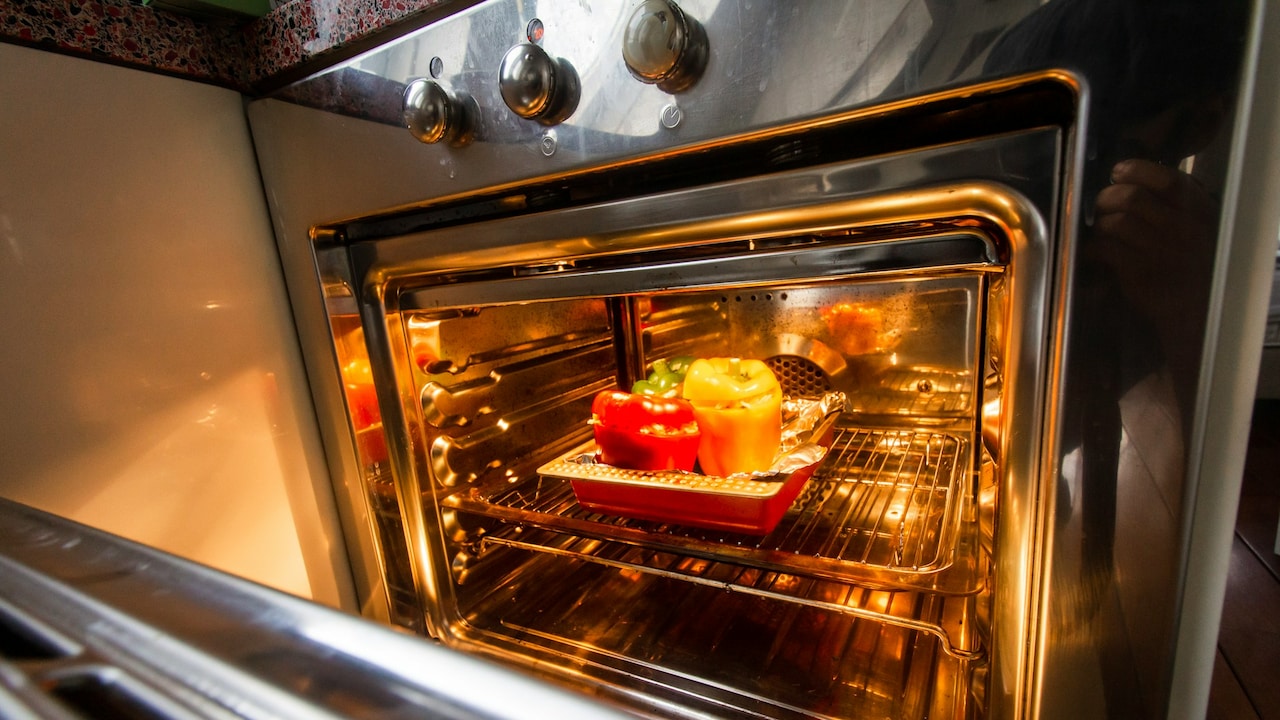
Discover the advantages of investing in a small OTG
Step into a modern kitchen and there's one thing that stands out: everything competes for space. Between pressure cookers, mixers, air fryers, and spice racks that seem to multiply overnight, every inch counts. Amidst all this, the Oven Toaster Griller, or OTG, has become a reliable companion for baking cakes, grilling vegetables, or crisping leftover snacks. Yet, a curious trend has emerged. While larger OTGs promise versatility and capacity, many households quietly gravitate towards smaller models. It's not just about affordability or compact design. It's about how these appliances blend into daily life without demanding too much attention, space, or electricity.
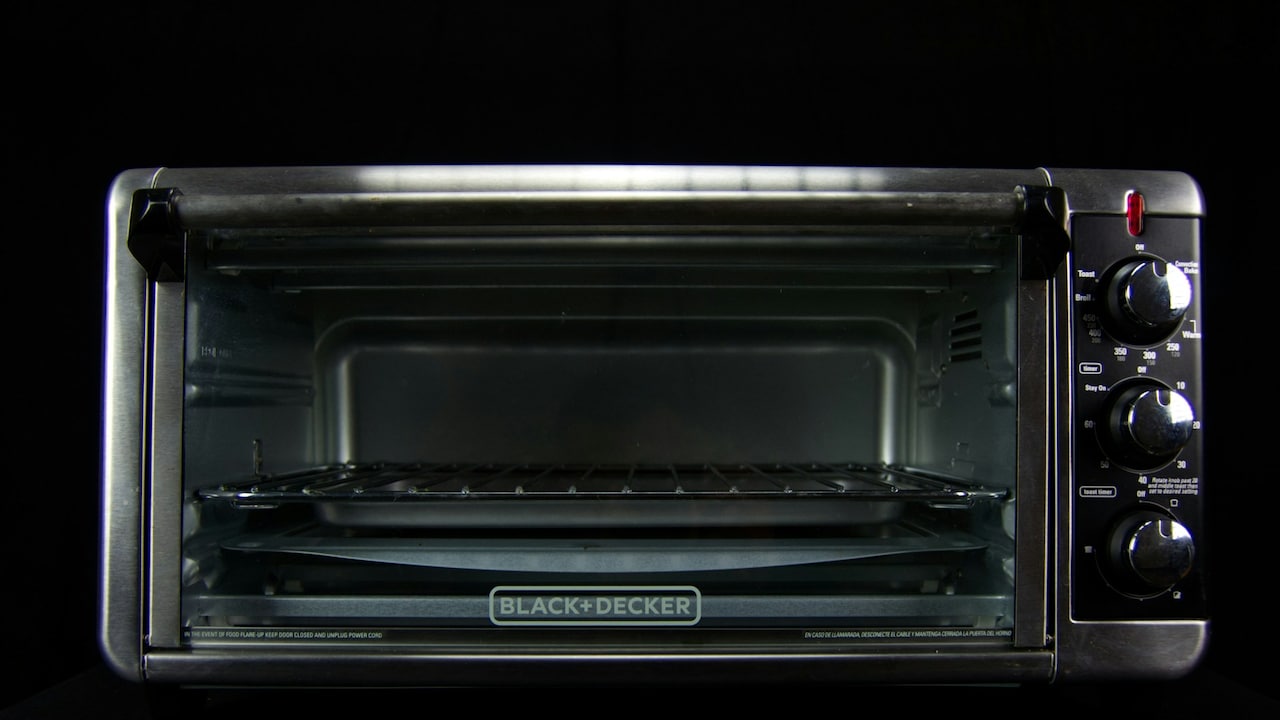
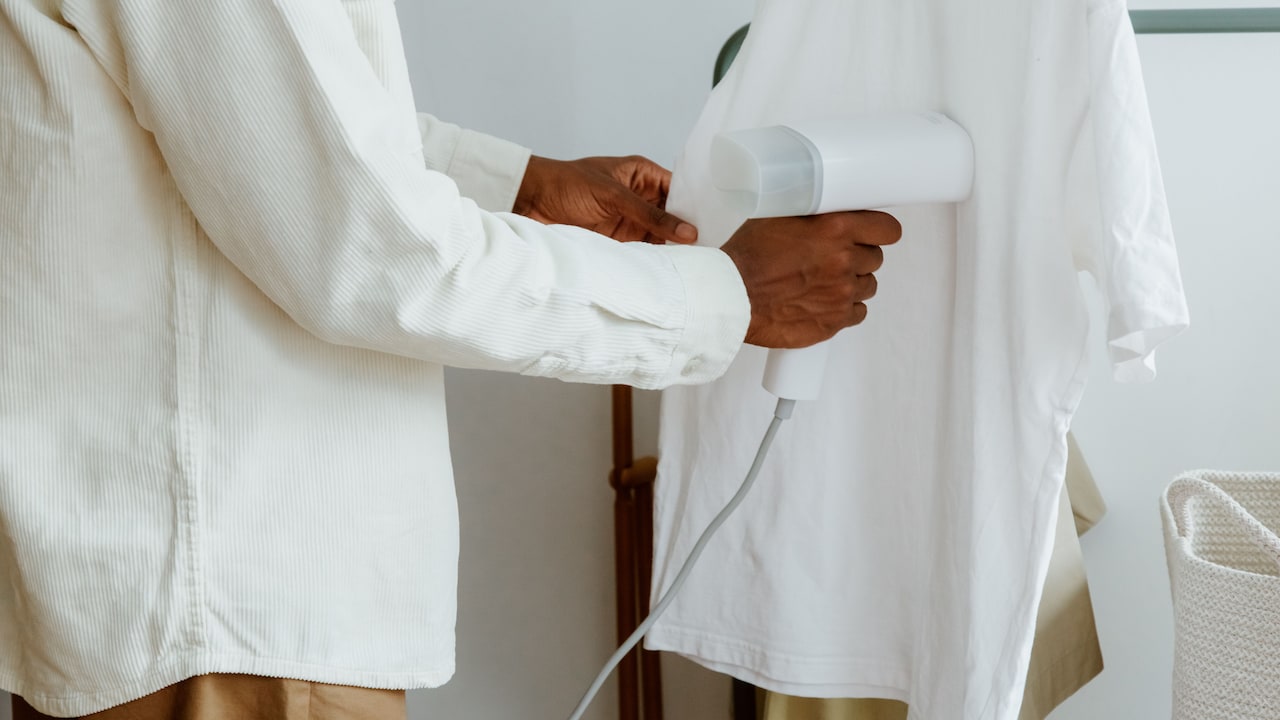
Discover how small OTGs can offer a better deal despite limited space and racks; Photo Credit: Unsplash
There's a certain charm in appliances that simply “fit”, fit the counter, fit the routine, and fit the way meals unfold in real homes. Small OTGs do exactly that. They don't try to be everything at once. Instead, they do a few things exceptionally well.
Also Read: 10 OTG Oven Benefits: Budget-Friendly, Compact and Perfect For Baking, Grilling And More
Why Small OTGs Make More Sense For Everyday Cooking
They Fit Into Real Kitchens Effortlessly
Most kitchens aren't sprawling, magazine-style spaces. They're busy, practical zones where every appliance needs to justify its presence. A small OTG slides into this environment with ease. It tucks neatly beside the mixer or under a shelf without forcing a reshuffle of the entire setup.
There's no need to clear half the counter just to make space. That alone makes a difference on rushed mornings when breakfast prep overlaps with lunch planning. A compact OTG respects the rhythm of such kitchens. It stays out of the way yet remains within easy reach.
There's also a subtle psychological benefit. A smaller appliance feels approachable. It doesn't dominate the space or intimidate the user. Instead, it quietly invites experimentation, be it baking a small batch of cookies or trying a quick grilled sandwich.
In homes where space is always at a premium, this convenience isn't just helpful, it's essential.
Faster Preheating Saves Time Daily
Time plays a bigger role in cooking than is often acknowledged. Waiting for an oven to preheat can feel endless, especially when hunger is already knocking. Smaller OTGs, thanks to their compact interiors, heat up significantly faster than larger ones.
This speed transforms everyday cooking. A quick preheat means less waiting and more doing. Whether it's reheating snacks for unexpected guests or baking a late-evening dessert, the process feels smoother and more efficient.
In busy households where schedules rarely align, this time-saving aspect becomes invaluable. There's no need to plan meals around long preheating times. The OTG adapts to the user, not the other way around.
It also encourages spontaneity. When preheating doesn't feel like a chore, cooking feels less like a task and more like a creative outlet.
Energy Efficiency That Reflects In Electricity Bills
Electricity bills have a way of creeping up unnoticed, especially with multiple appliances running throughout the day. A large OTG, with its higher wattage and longer heating cycles, can quietly add to that cost.
Smaller OTGs, on the other hand, consume less power. Their reduced capacity means they heat faster and require less energy to maintain temperature. Over time, this difference becomes noticeable, not dramatically in a single bill, but steadily across months.
For households mindful of expenses, this efficiency offers peace of mind. There's no hesitation in using the OTG for small tasks like toasting bread or reheating leftovers. It doesn't feel like overkill.
In a world where every rupee saved counts, choosing an appliance that aligns with both cooking needs and budget makes practical sense.
Perfect For Everyday Portions
Not every meal involves cooking for a crowd. Most days revolve around small portions, two to four servings, perhaps a quick snack or a modest dessert. A large OTG often feels excessive for such needs.
Small OTGs shine in these situations. They're designed for everyday cooking rather than occasional feasts. Baking a small cake, grilling a handful of vegetables, or toasting a few slices of bread feels perfectly suited to their capacity.
There's also less food wastage. Cooking in smaller batches ensures freshness and reduces the temptation to overprepare. Meals feel intentional rather than excessive.
In many homes, cooking is less about quantity and more about consistency. A small OTG aligns beautifully with that philosophy.
Easier To Clean And Maintain
Cleaning often determines how frequently an appliance gets used. A large OTG, with its wider interiors and multiple trays, can feel like a task waiting to be avoided.
Small OTGs simplify this process. Fewer surfaces, smaller trays, and compact interiors mean quicker cleaning. A simple wipe-down often does the job. There's no need to set aside extra time or energy.
This ease of maintenance encourages regular use. When cleaning doesn't feel like a burden, the appliance becomes part of daily cooking rather than something reserved for special occasions.
There's also less accumulation of grease and residue, which keeps the appliance looking and functioning better over time.
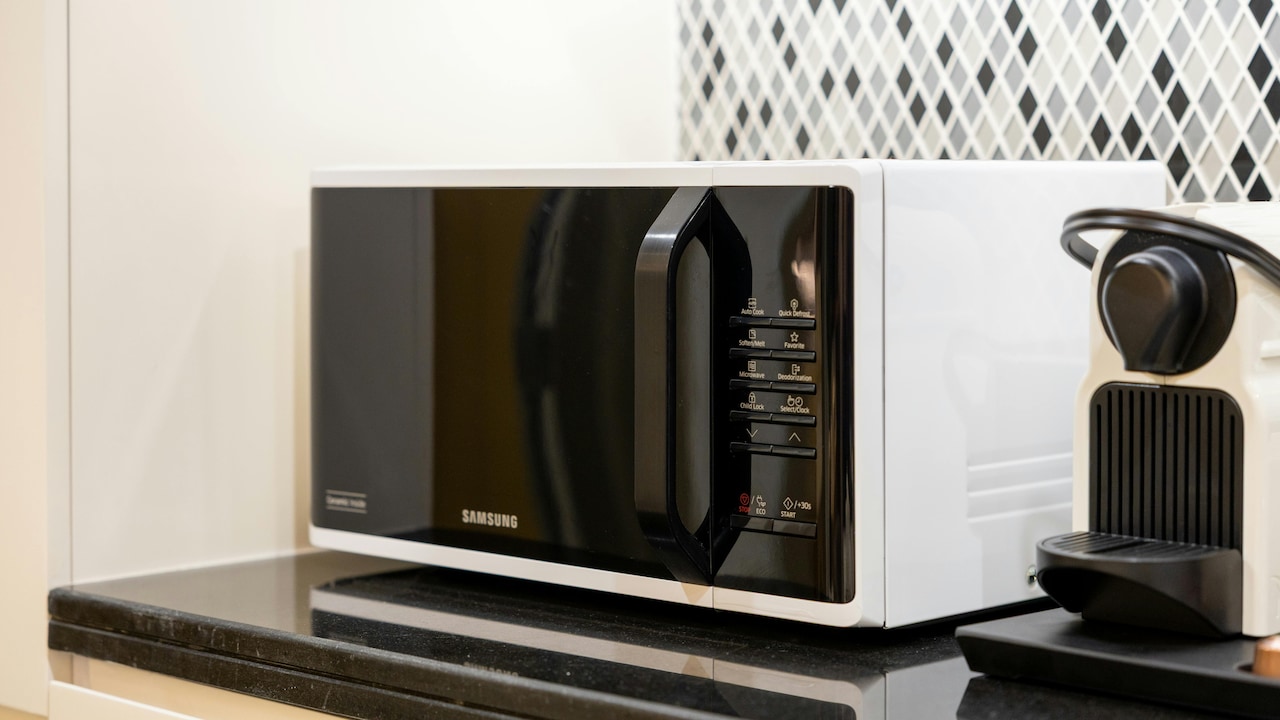
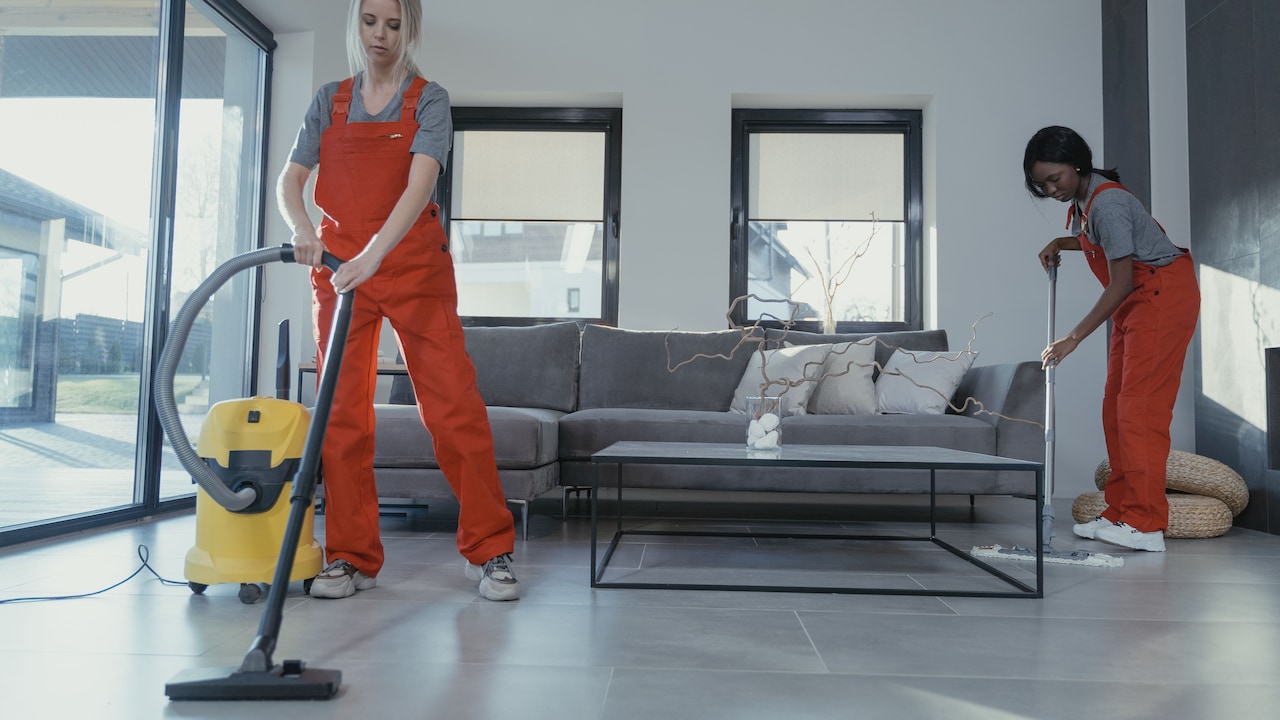
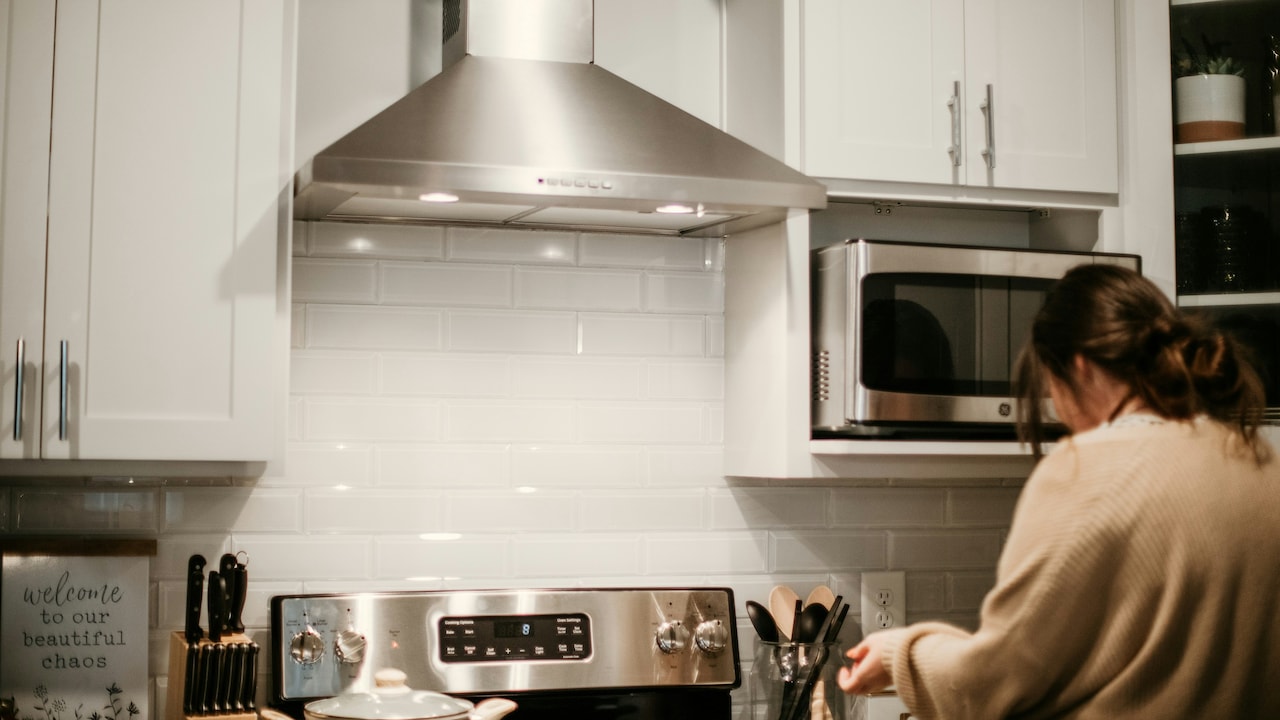
Small OTGS simplify the cleaning process with fewer surfaces and less trays; Photo Credit: Pexels
Budget-Friendly Without Compromising Utility
Price often influences buying decisions, especially when setting up or upgrading a kitchen. Smaller OTGs typically come with a more accessible price tag, making them an attractive option for many households.
Yet, affordability doesn't mean compromise. These appliances still offer essential features like temperature control, timers, and multiple heating modes. For most cooking needs, that's more than sufficient.
Spending ₹3,000 to ₹6,000 on a compact OTG often delivers better value than investing heavily in a larger model that remains underused.
It's a classic case of buying what's needed rather than what's impressive on paper. And in the long run, that approach tends to pay off.
Encourages More Frequent Use
There's a noticeable difference between owning an appliance and actually using it. Larger OTGs sometimes fall into the category of “special occasion” tools, brought out for elaborate recipes or festive baking.
Small OTGs break that pattern. Their convenience encourages regular use. Making garlic toast, reheating pizza, or baking a quick batch of muffins becomes part of everyday cooking.
This frequent usage justifies the purchase. The appliance doesn't sit idle; it becomes an active participant in the kitchen routine.
Cooking also becomes less intimidating. Smaller portions and quicker processes make it easier to experiment without fear of wasting ingredients or time.
Heats Food More Evenly In Smaller Quantities
Even heating often depends on how well the appliance matches the portion size. In a large OTG, small quantities can sometimes cook unevenly due to excess space and heat dispersion.
A small OTG solves this effortlessly. The compact interior ensures that heat circulates efficiently around the food. This results in more consistent cooking, especially for smaller dishes.
Cakes rise evenly, toast crisps uniformly, and grilled items cook through without dry edges or undercooked centres.
For everyday cooking, this reliability matters. It removes guesswork and builds confidence in the results.
Portable And Easy To Shift
Flexibility often goes unnoticed until it's needed. Rearranging the kitchen, moving homes, or simply cleaning behind appliances becomes much easier with a smaller OTG.
Its lightweight design allows for easy shifting without assistance. There's no struggle, no need for extra hands, and no risk of damaging countertops.
This portability also suits changing lifestyles. Whether setting up a temporary kitchen space or adjusting layouts during festivals, a small OTG adapts effortlessly.
It's a small detail, but one that adds to overall convenience in subtle yet meaningful ways.
Less Heat Emission Keeps Kitchens Comfortable
Cooking often brings warmth, but excessive heat can make kitchens uncomfortable, especially during warmer months. Larger OTGs tend to emit more heat due to their size and power.
Small OTGs generate less external heat, keeping the surrounding space relatively comfortable. This difference becomes noticeable during extended use or in compact kitchens.
There's less need to switch on fans or step away while cooking. The environment remains manageable, allowing for a smoother cooking experience.
Comfort may seem secondary, but it plays a big role in how enjoyable cooking feels on a daily basis.
Ideal For Beginners And Occasional Bakers
For those new to baking or grilling, a large OTG can feel overwhelming. The scale, settings, and capacity may discourage experimentation.
Small OTGs offer a gentler introduction. Their simplicity makes them easier to understand and use. Beginners can start with small recipes and gradually build confidence.
Mistakes feel less costly, both in terms of ingredients and effort. A slightly overbaked batch of cookies doesn't feel like a major setback when the quantity is manageable.
This approachable nature makes small OTGs perfect for learning and exploring new recipes without pressure.
Products Related To This Article
1. Morphy Richards Digital OTG|Capacity
2. Faber FOTG 20L Neo|1400 Watts OTG|Bake,Toast, Grill
3. Cadlec Cruise_5 Multi-Function OTG for Kitchen
4. Bajaj 1603 16 Liters Oven Toast Grill (OTG) | 1200 Watt
5. AGARO Marvel Oven Toaster Griller
Bigger often gets mistaken for better, especially when it comes to kitchen appliances. Yet, real-life cooking tells a different story. It values practicality, efficiency, and comfort over sheer capacity.
Small OTGs embody this balance. They fit into everyday routines, respect space constraints, and deliver consistent results without demanding too much in return. From saving time and electricity to encouraging regular use, their advantages quietly add up.
In homes where cooking blends tradition with modern convenience, these compact appliances find their place naturally. They don't try to impress with size. Instead, they win with simplicity and reliability.
And sometimes, that's exactly what a kitchen needs, a tool that works seamlessly, without fuss, and becomes indispensable over time.
(Disclaimer: This article may include references to or features of products and services made available through affiliate marketing campaigns. NDTV Convergence Limited (“NDTV”) strives to maintain editorial independence while participating in such campaigns. NDTV does not assume responsibility for the performance or claims of any featured products or services.)